Gardening
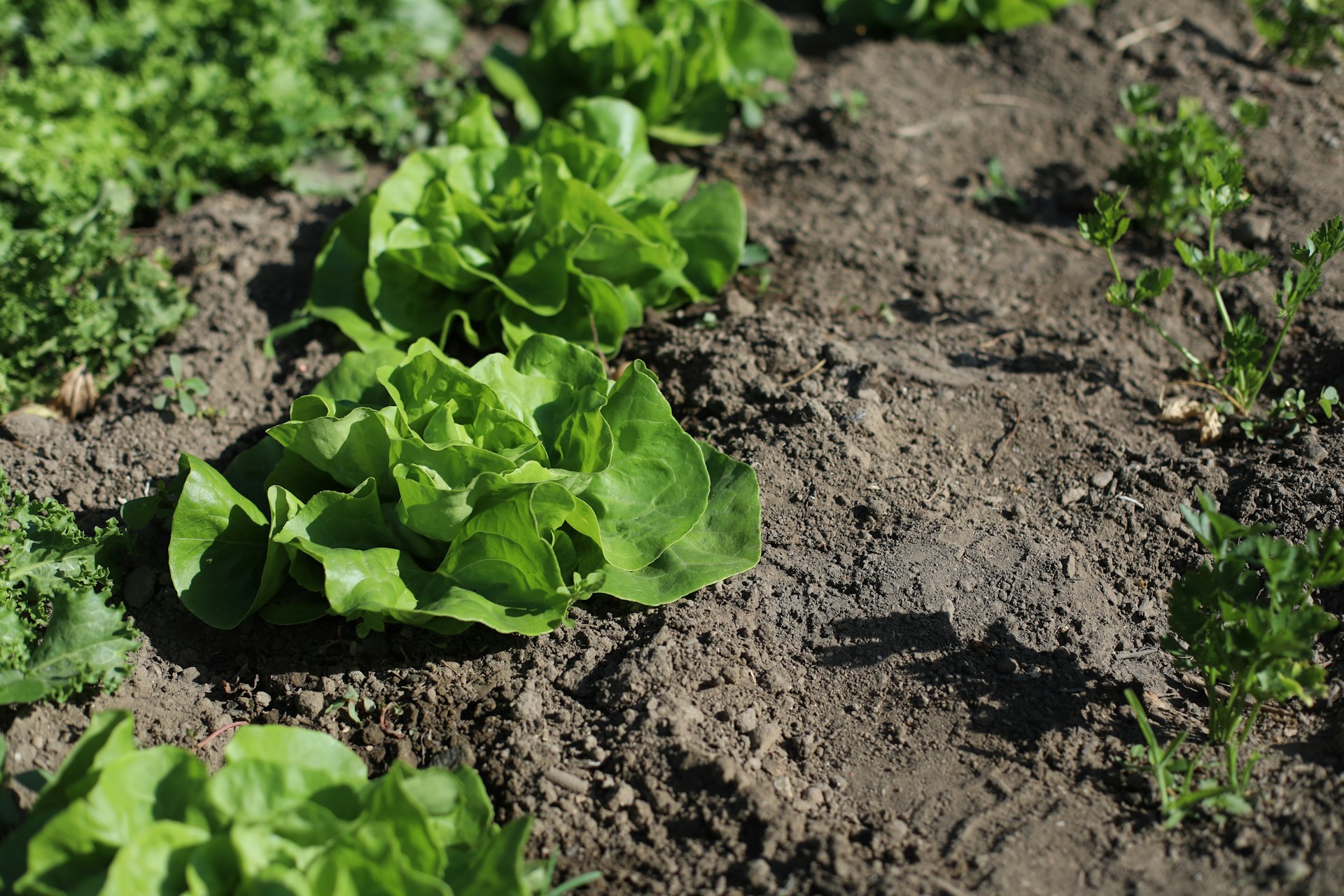
Every garden plot, big or small, is a little piece of land we get to look after. This special role gives us a chance to make choices that don't just grow pretty flowers and tasty veggies, but also help protect and improve our local environment. Thinking sustainably about your garden isn't about following complicated rules or buying expensive gadgets. It's simply about being mindful and working with nature to create a strong, productive, and eco-friendly space for years to come.

The foundation of a thriving garden isn't just sunlight and water; it's the rich, living soil beneath your feet. For gardeners, nurturing this soil is a top priority, ensuring that every vegetable, fruit and flower has the best possible start. But the modern backyard can introduce unseen challenges, with contaminants from runoff posing a silent threat to the health of your carefully tended plots. Protecting your garden from these pollutants is key to a safe and bountiful harvest.

There is a particular kind of grief in leaving a garden behind. You spent years learning a patch of ground, and now it belongs to someone else. The good news is that a move is not the end of your gardening life. It is a blank plot, and blank plots are where every good garden starts. Here is how to begin again without losing a season.

Gardening can become more challenging when your mobility changes. This is the reality for over 18% of American adults who report having some difficulty walking or climbing steps. While this may seem like a minor discomfort, in reality, this issue can also affect their ability to go outside and enjoy gardening. A lot of tasks that may have once felt straightforward, such as kneeling down to manage weeds or pushing a mower, can suddenly require considerably more effort, making them unmanageable. But that doesn’t mean that enthusiastic gardeners need to give up their yards.
Plant Sourcing and Nursery Logistics: How to Get the Right Plants to the Right Job
Posted in Gardening on Aug 21, 2026
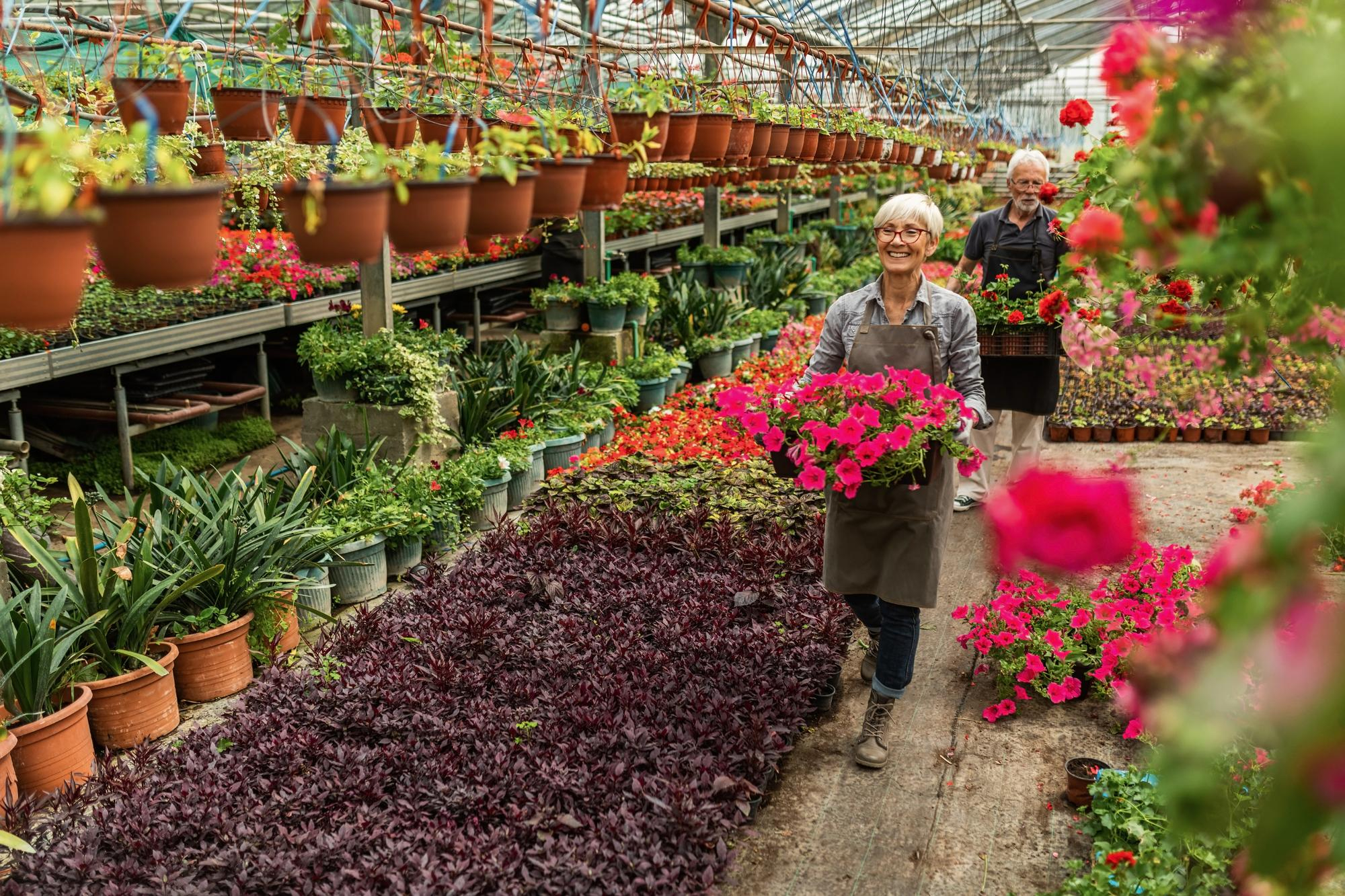
Buying plants for a big landscaping job sounds pretty straightforward until you actually have to do it. The plan says you need 80 trees, 300 shrubs, three specific cultivars, two sizes of evergreens, and everything has to show up during a fairly narrow installation window. Now you have a sourcing problem, a trucking problem, and a scheduling problem all at the same time. Tree Source is a good example of how the nursery business has adapted to this. As an online tree nursery serving professional buyers, Tree Source sources and supplies plant material through an extensive network of professional growers, while also handling direct shipping, logistics coordination, rewholesale service centers, and project support. That gives landscapers, contractors, and commercial projects more ways to find the material they need, get it delivered reliably, and plan larger orders without having to coordinate every grower and truck themselves.
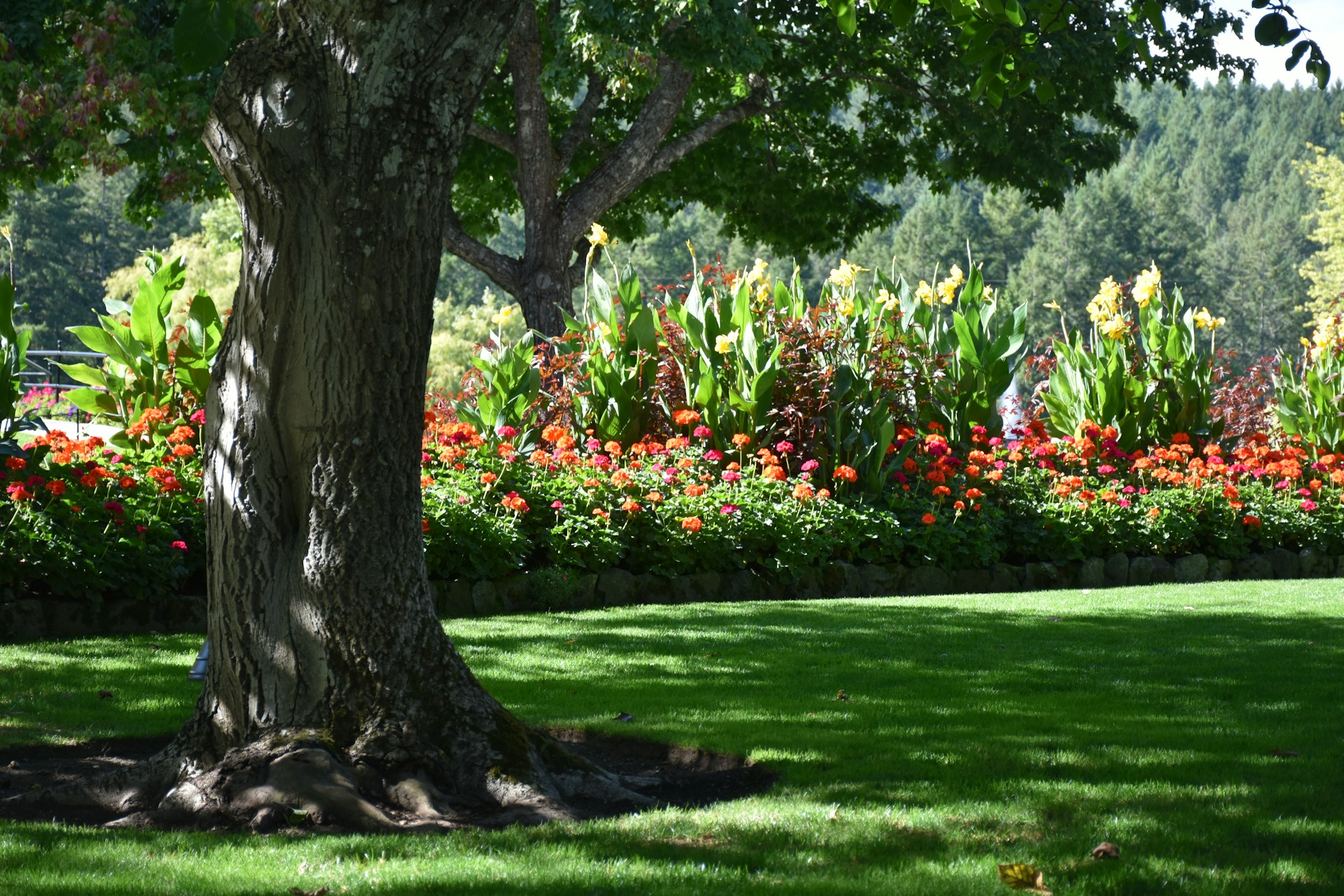
When you're planning a garden, it's easy to focus only on the soil right in your designated plot. You might spend hours adding compost, checking its pH, and making sure it has the right texture. But one of the most powerful allies for your garden's soil health might be standing right next to it: a tree. Trees do more than just provide shade; they actively help create a rich, stable, and fertile foundation for everything you grow.
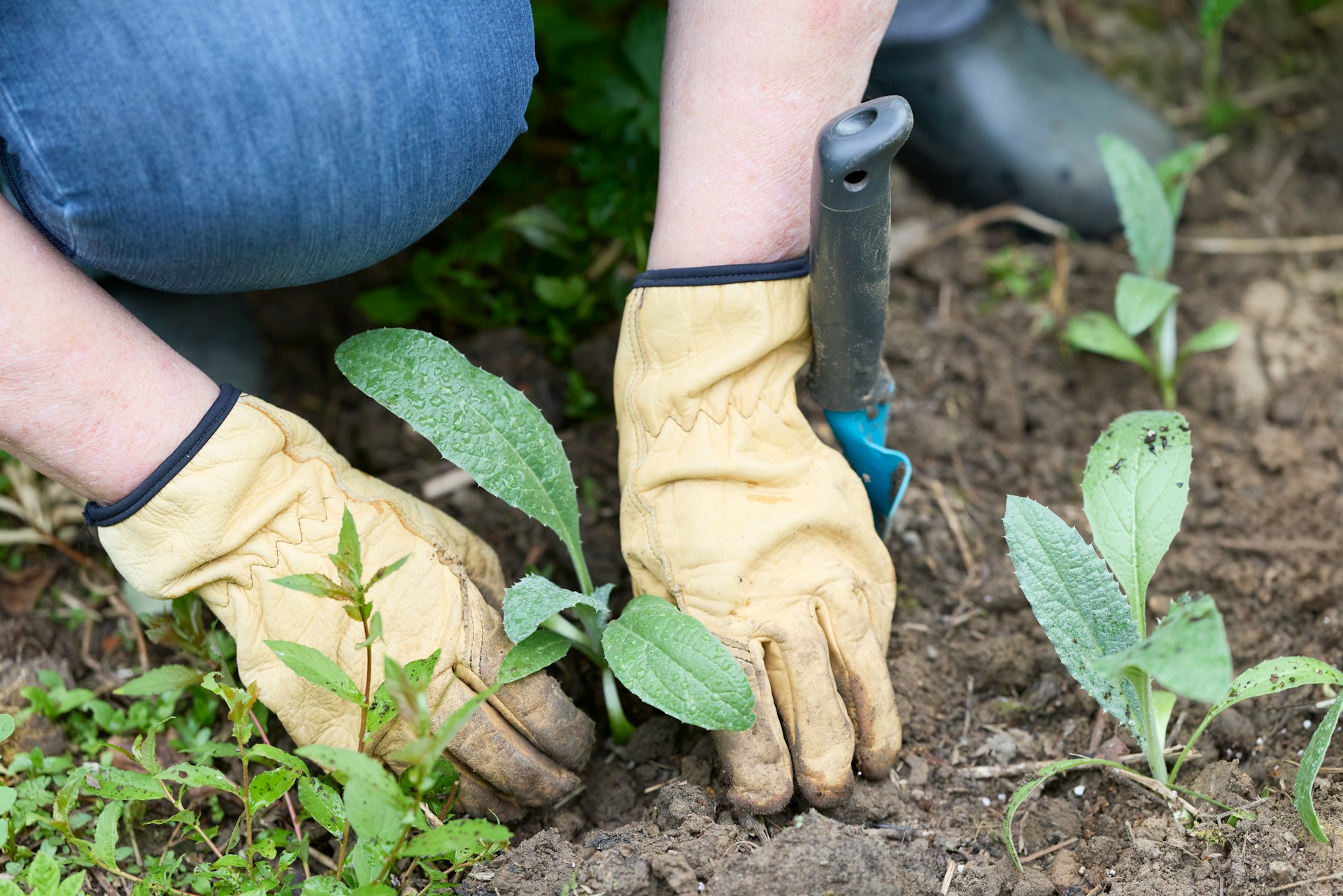
Taking on a new patch of land for a garden is such an exciting moment, full of dreams for future flowers, veggies, and herbs. But before you can start planting, there's some important groundwork to do. Getting your plot ready is truly the most crucial step for creating a healthy, productive, and enjoyable garden for years to come. This guide will walk you through turning a rough patch into a gardener's paradise.
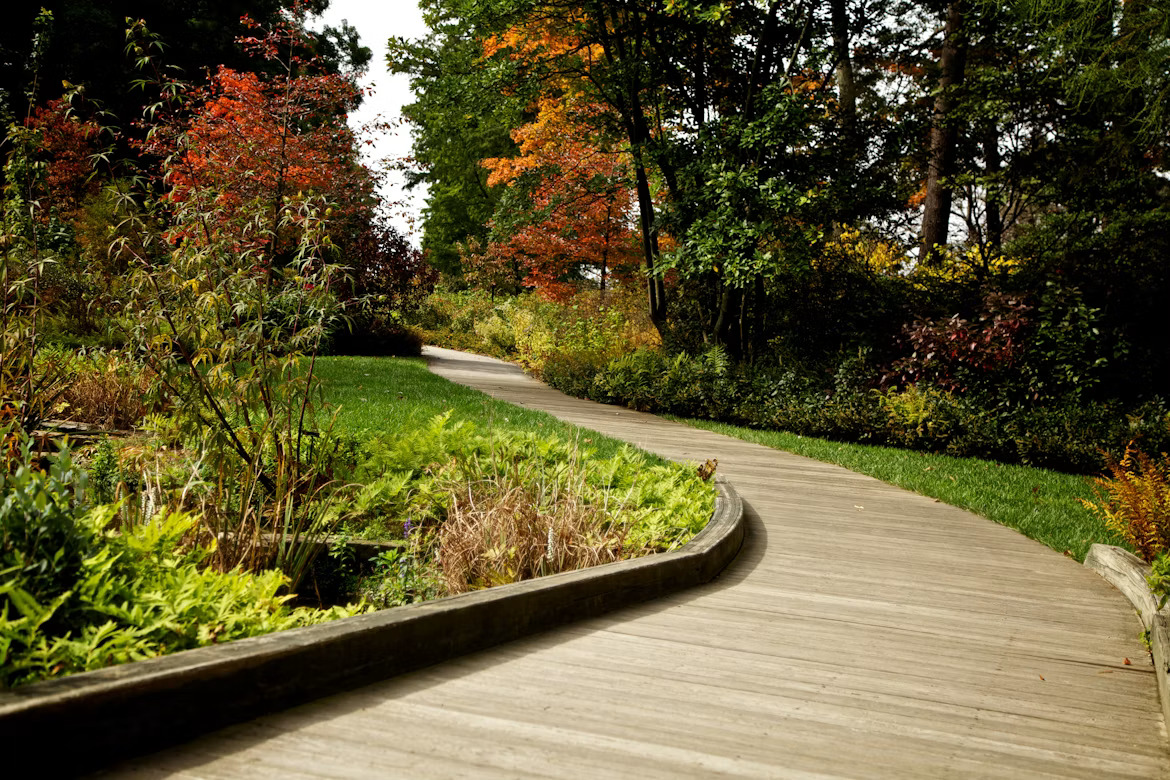
A well-tended garden plot is a source of pride, fresh produce, and beautiful blooms. But beyond the plants themselves, the overall design and structure of your garden space can transform it from a simple patch of dirt into a stunning feature of your yard. With a few thoughtful landscaping choices, you can dramatically boost your garden's appeal, making it more organized, inviting, and enjoyable for everyone.
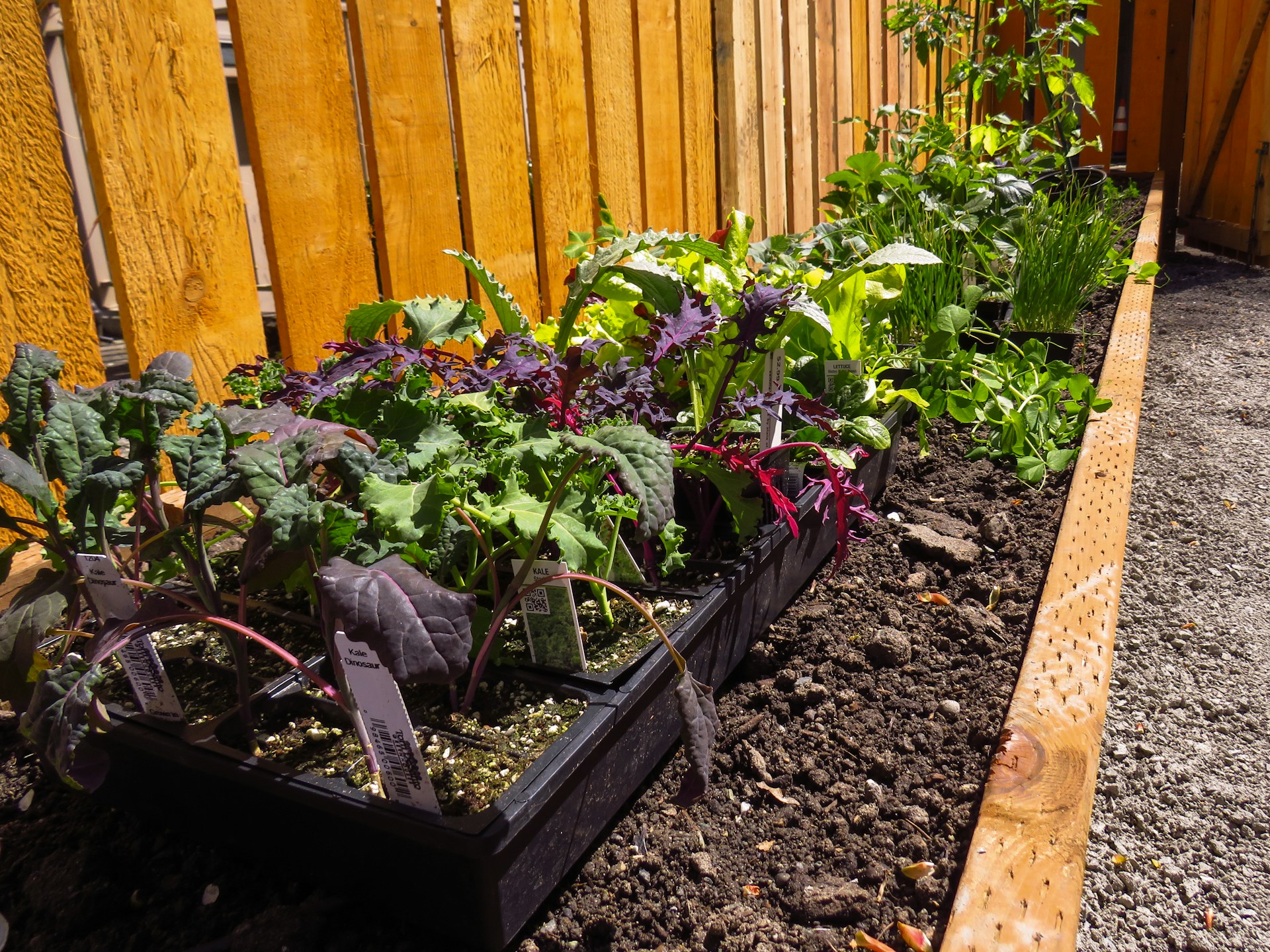
You don't need to spend every weekend pulling weeds, watering, and tidying up to have a beautiful garden. For those of us with packed schedules, the thought of constant upkeep can actually stop us from even starting a garden. The trick isn't to give up on your green thumb dreams, but to work smarter, not harder. If you make smart choices right from the start, you can design and plant a gorgeous garden that pretty much takes care of itself. A low-maintenance garden gives you more free time to enjoy what you've created, whether that's sipping a cool drink on the patio or just admiring your thriving plants. It's all about building a garden that's tough, efficient, and pretty, without you having to do much. Imagine an outdoor space that flourishes easily, maybe even with a pre-tilled garden bed that includes automatic watering for ultimate convenience.
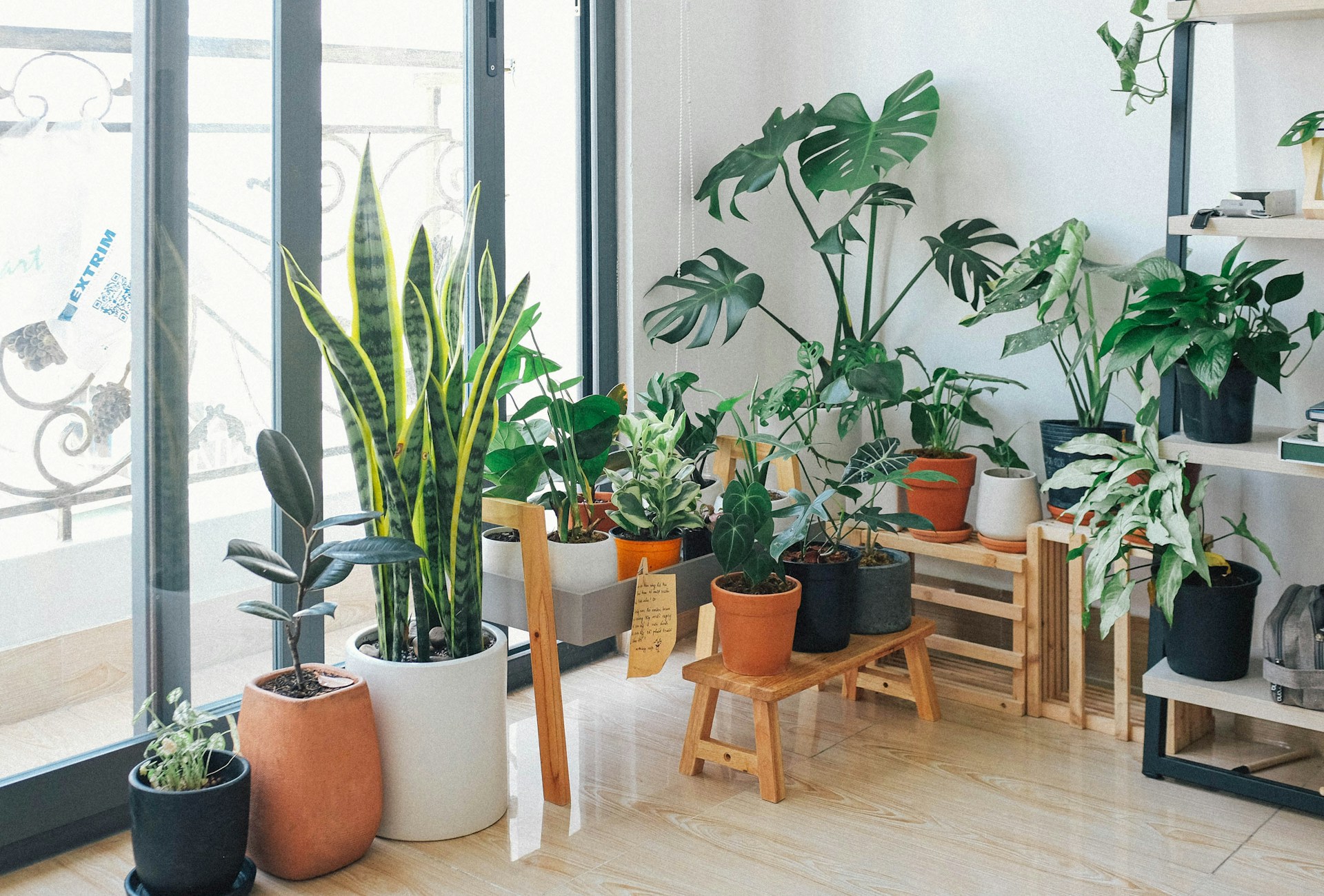
Living in the city doesn't mean you have to give up on your gardening dreams. But for many urban gardeners, the biggest challenge isn't a lack of space; it's a lack of sunlight. That perfect spot on your balcony or in your courtyard can be plunged into shadow by neighbouring buildings, fences, or trees. The good news is that with a bit of know-how and some clever tricks, you can learn to work with the light you have and create a thriving green space.