Gardening
How to Choose Plant Nutrients for Healthier Growth Indoors and Out
Posted in Gardening on Oct 19, 2026
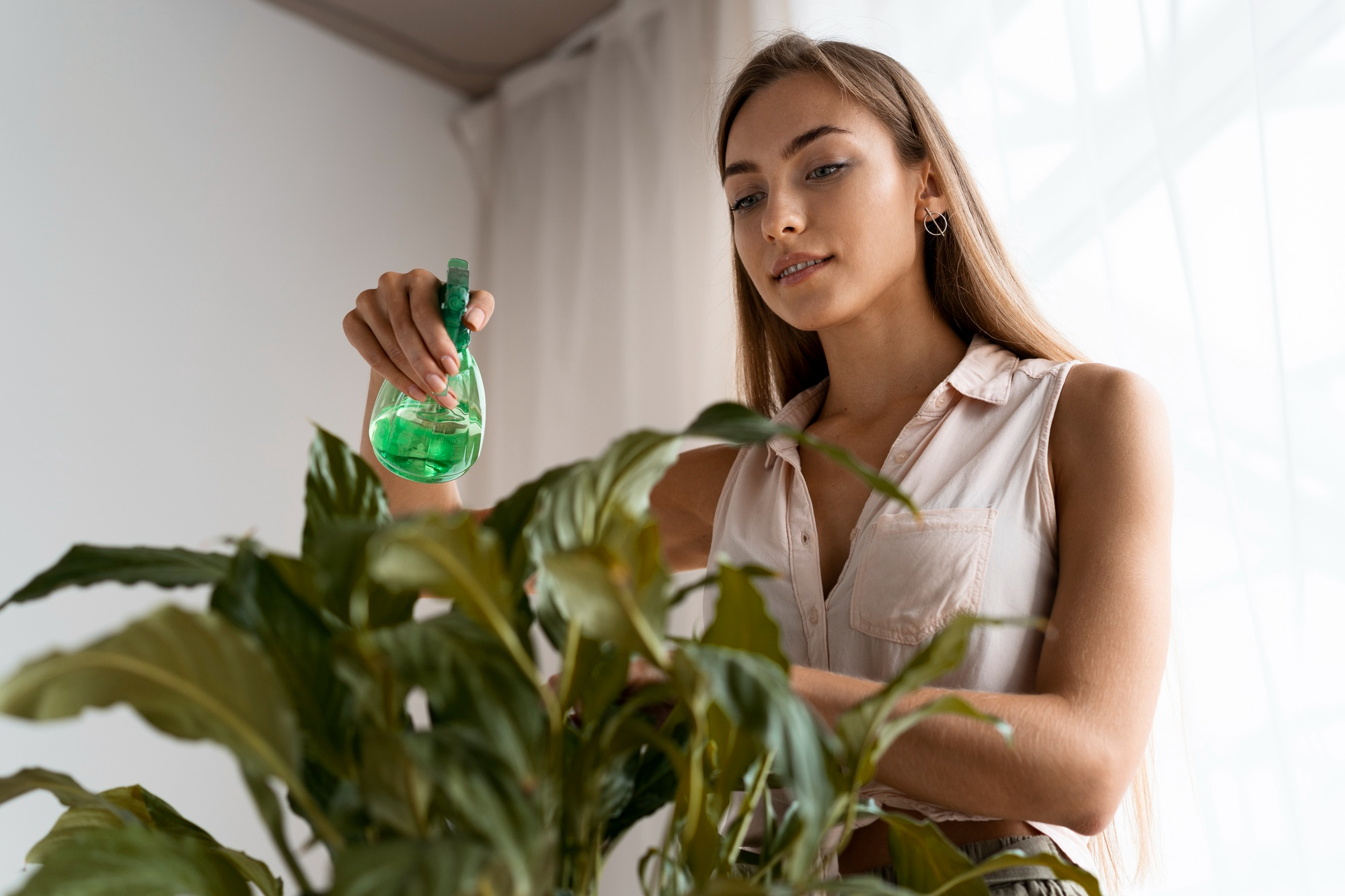
Feeding plants seems simple until you walk into a garden shop and find yourself staring at shelves full of base nutrients, bloom boosters, micronutrients, supplements, and bottles promising bigger flowers, stronger roots, and better growth. The choices become even more complicated when you add soil, coco, and hydroponics to the equation. Humboldt County's Own Nutrients are one example of a product line built around those different needs, with base nutrition systems, bloom boosters, and specialized additives designed to support plants through different stages of development.
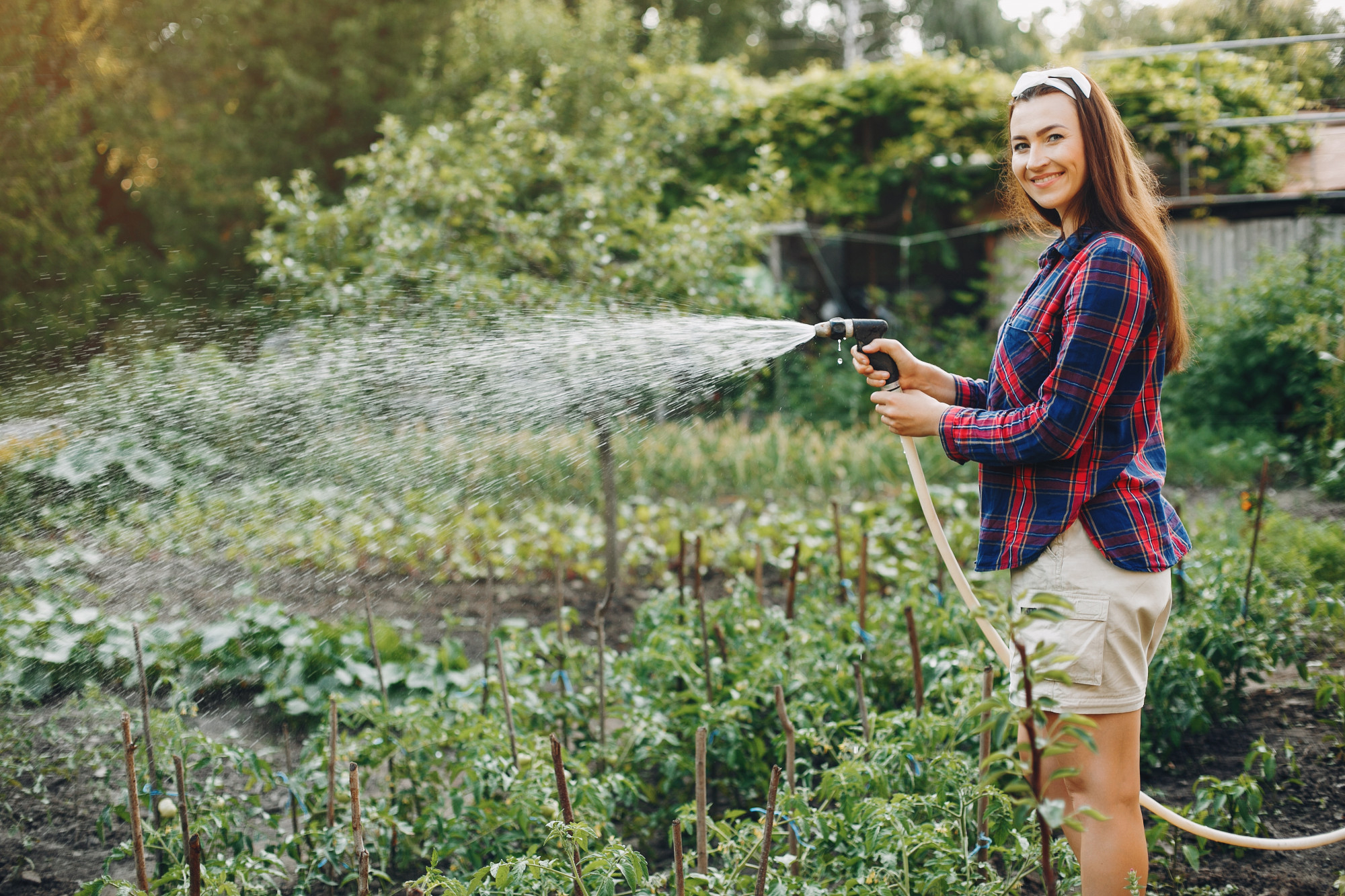
A garden can receive plenty of water and still struggle. One flowerbed may stay wet long after irrigation ends, while a nearby patch of lawn turns dry between watering sessions. These differences often lead gardeners to run the hose longer, even when the real problem is uneven coverage, poor timing, or water escaping before it reaches plant roots.
Soil Health 101: Why Your Garden Problems Start Below the Surface
Posted in Gardening on Oct 12, 2026
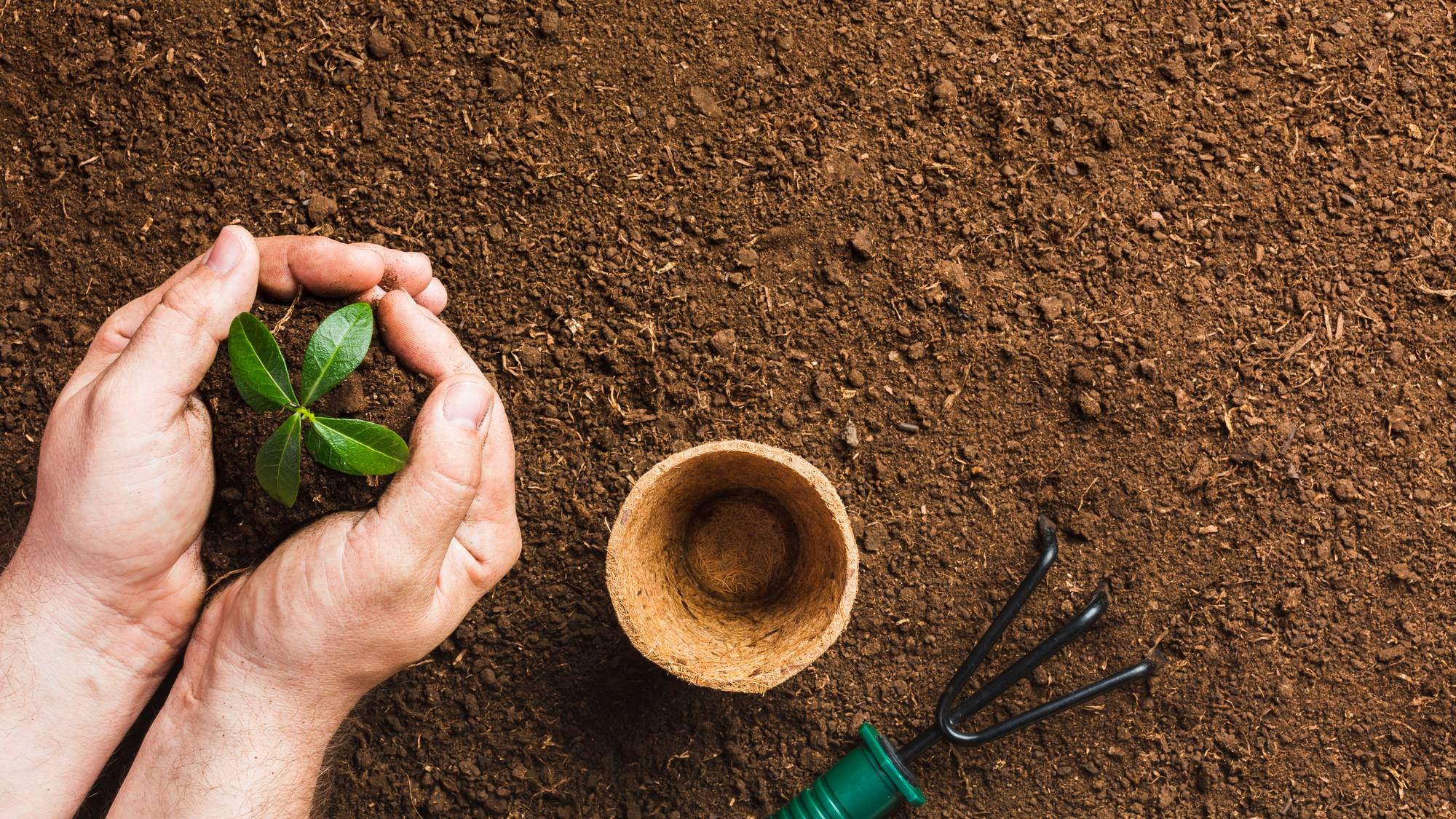
Every gardener has been there. You plant tomatoes in the same spot as last year, water them the same way, give them the same sunlight, and yet the results are disappointing. The leaves yellow early, the growth stalls, the harvest shrinks. It is tempting to blame the weather, the seedlings, or bad luck. But in most cases, the real culprit is hiding right under your boots. When plants struggle, the answer is rarely found on the foliage. It starts with the soil.
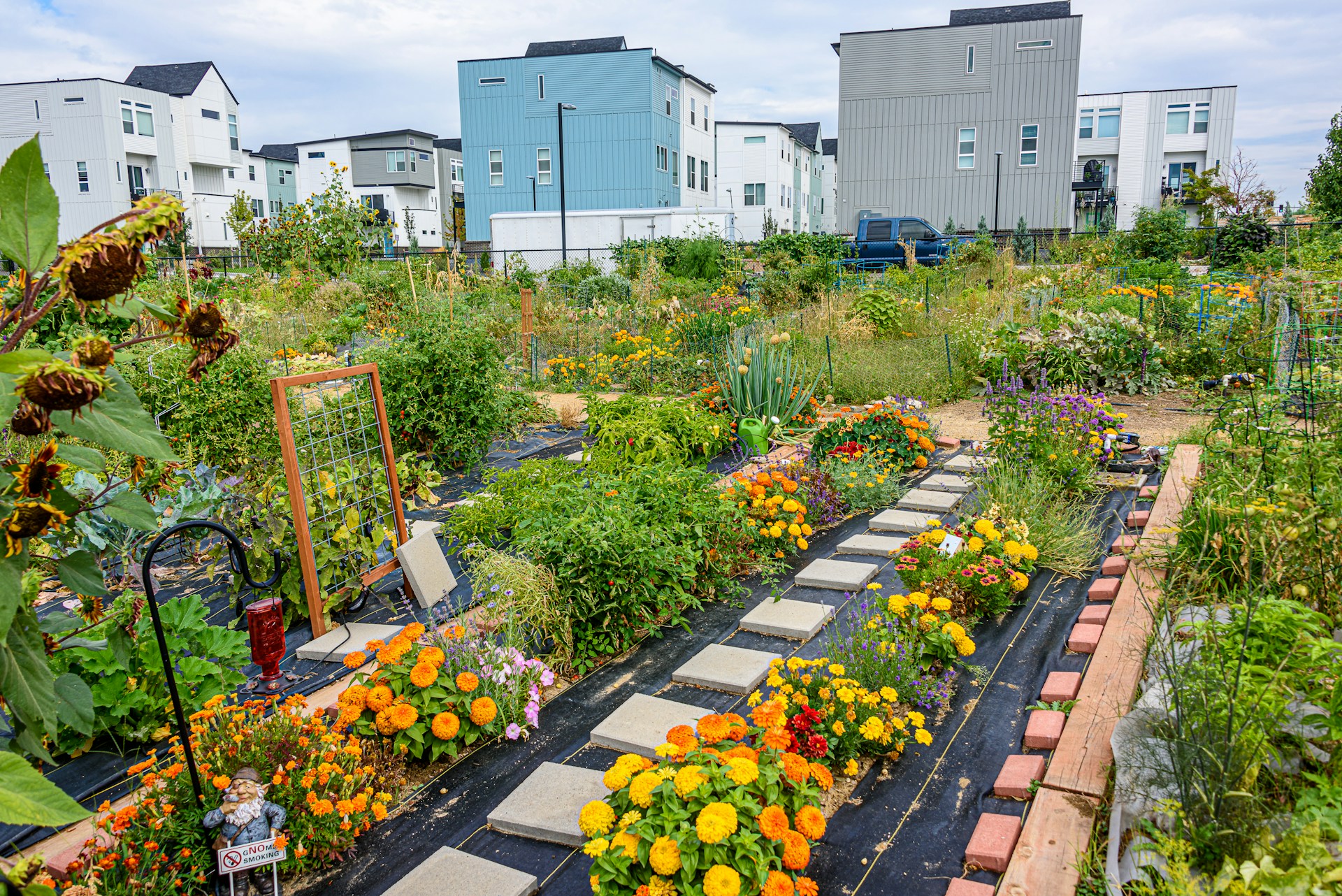
A community garden grows best when members have clear plans for planting, maintenance and everyday problem-solving. Shared spaces can quickly suffer from neglected plots, overflowing waste and pest activity if no one knows who should respond. A simple structure helps gardeners protect crops while keeping the space welcoming for neighbors, volunteers and visitors.
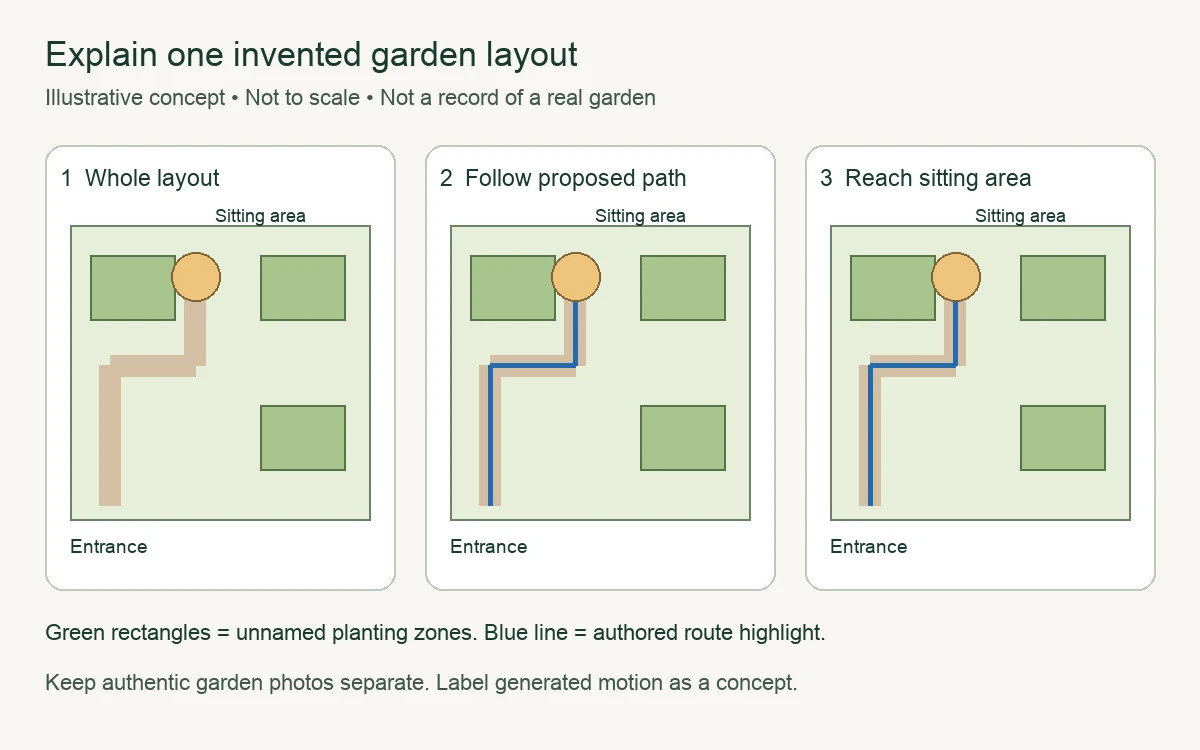
Explain a garden layout with an original drawing, controlled animation and a labelled motion concept, while keeping actual garden photographs separate.
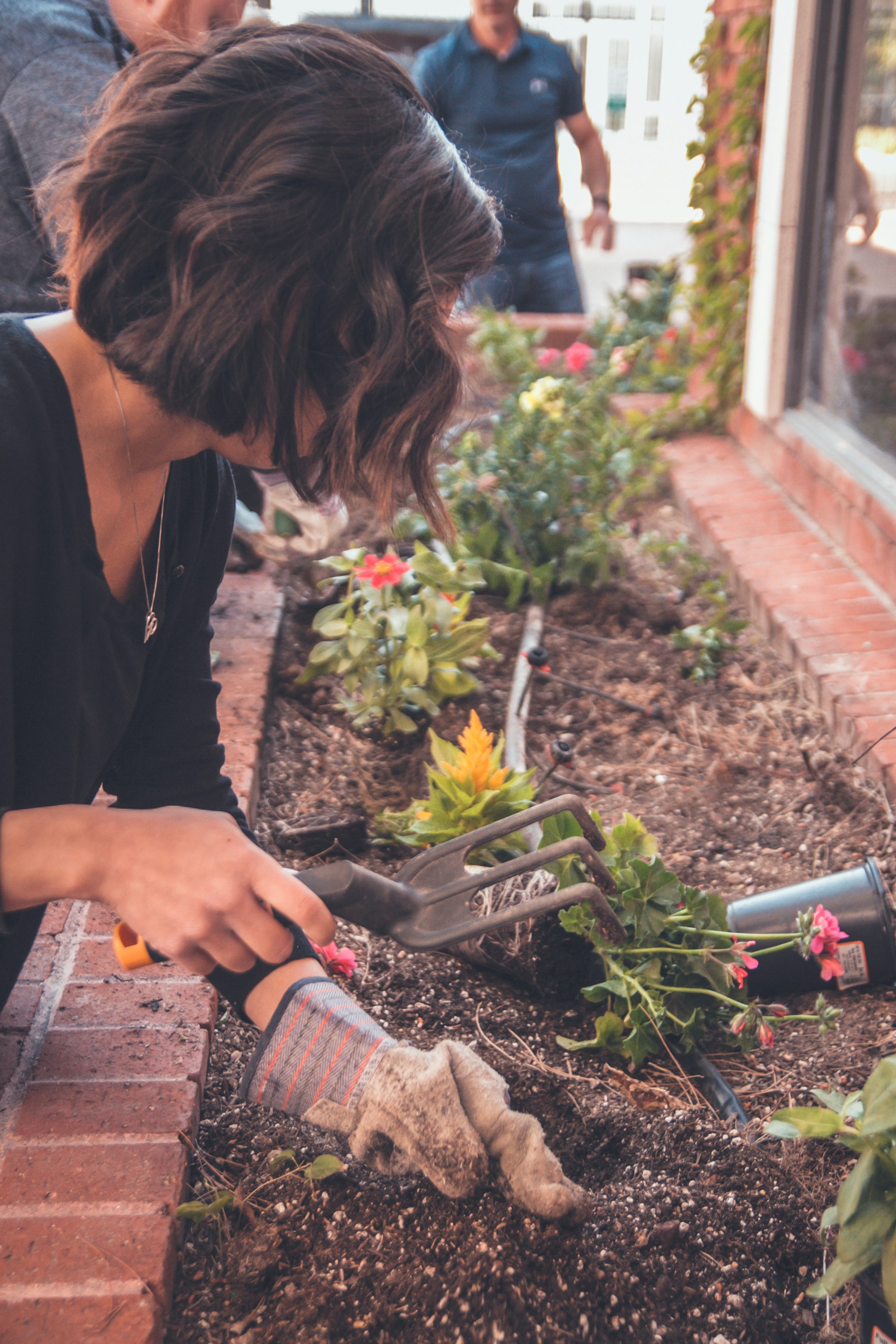
Edible landscaping brings vegetables, herbs, and fruit into the parts of a yard usually reserved for ornamental plants. A sunny front border can hold compact peppers, a patio pot can supply fresh herbs, and a berry shrub can provide both spring flowers and summer produce. The result is a useful outdoor space that still feels polished, welcoming, and connected to the home.
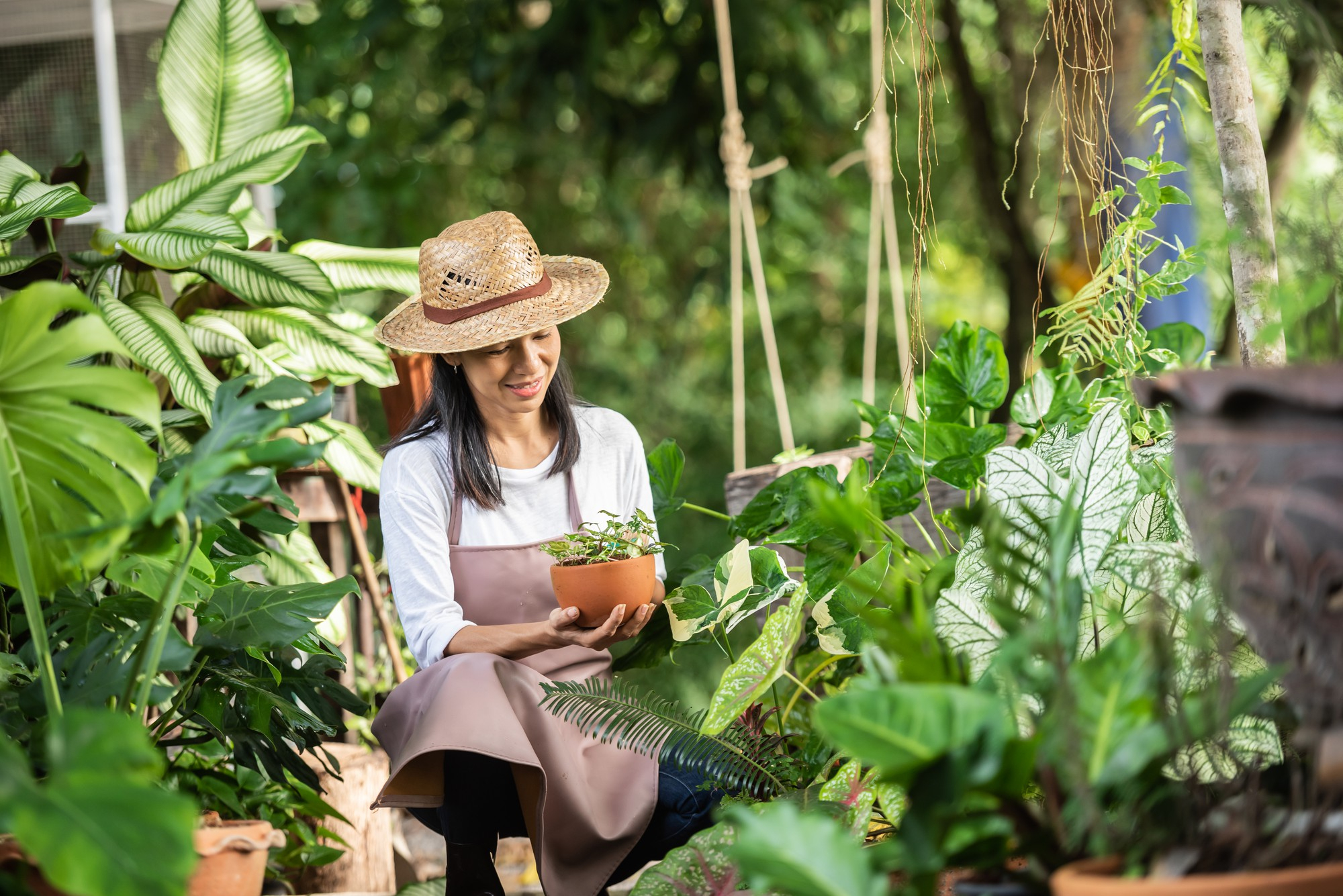
A productive garden can do more than supply fresh food for your household. Seedlings, cut flowers, herbs, eggs, preserves, or seasonal produce may also become the foundation of a small home-based business. Turning a hobby into a reliable source of income takes more than a good harvest: customers need to understand what you offer, how to find you, and why your products are worth choosing. A clear identity and thoughtful communication can help a modest operation grow without losing the personal touch that makes it appealing.
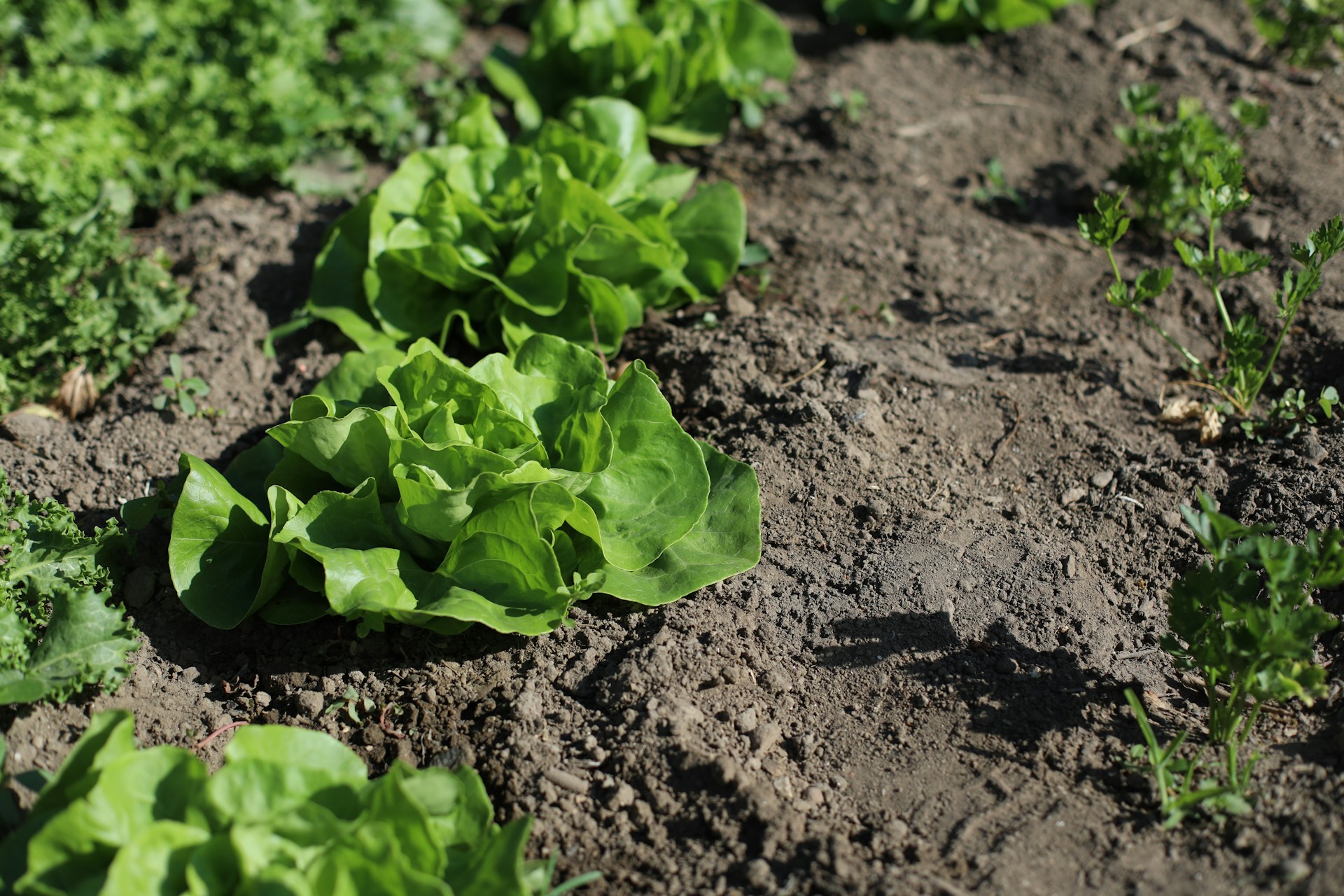
Every garden plot, big or small, is a little piece of land we get to look after. This special role gives us a chance to make choices that don't just grow pretty flowers and tasty veggies, but also help protect and improve our local environment. Thinking sustainably about your garden isn't about following complicated rules or buying expensive gadgets. It's simply about being mindful and working with nature to create a strong, productive, and eco-friendly space for years to come.
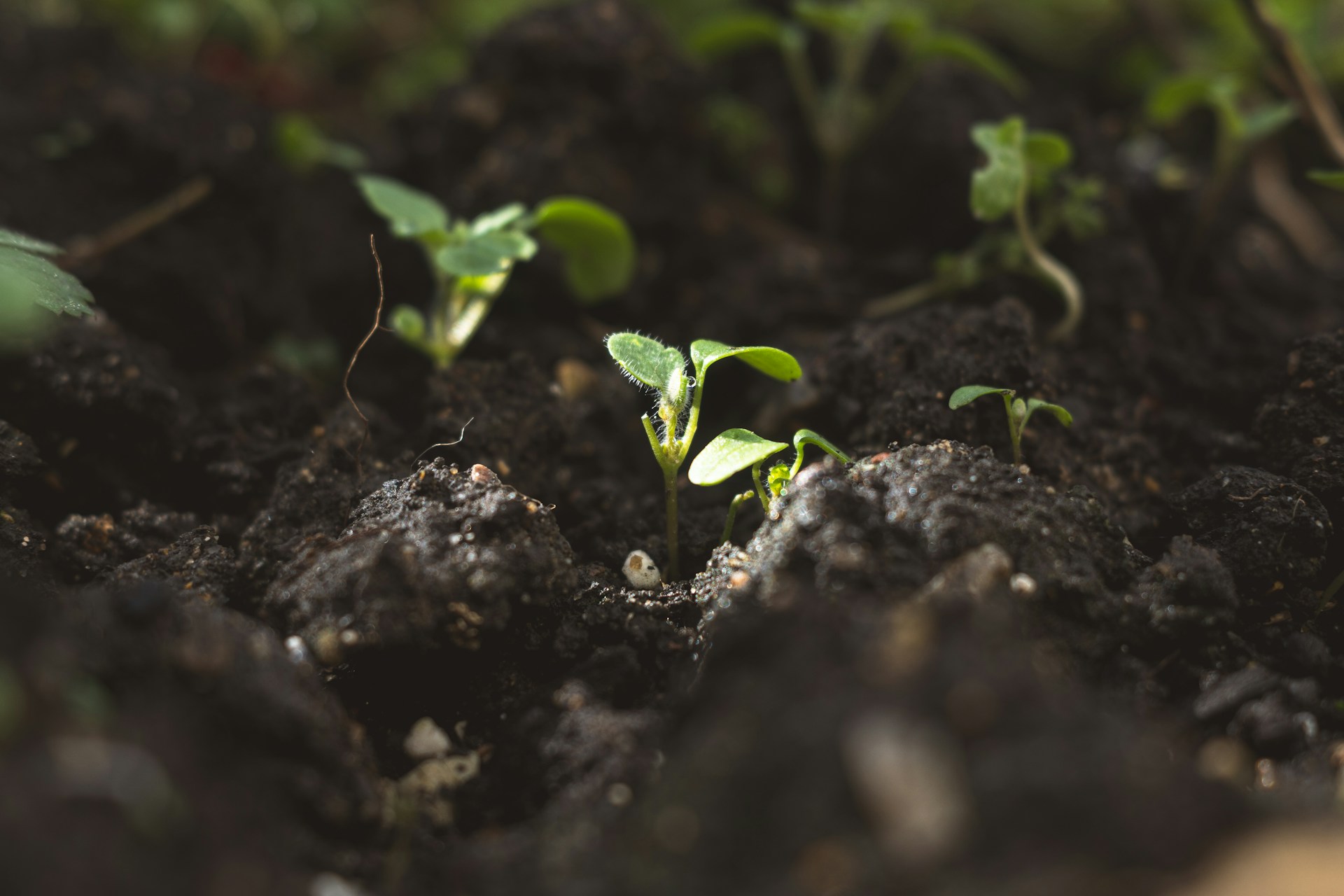
The foundation of a thriving garden isn't just sunlight and water; it's the rich, living soil beneath your feet. For gardeners, nurturing this soil is a top priority, ensuring that every vegetable, fruit and flower has the best possible start. But the modern backyard can introduce unseen challenges, with contaminants from runoff posing a silent threat to the health of your carefully tended plots. Protecting your garden from these pollutants is key to a safe and bountiful harvest.
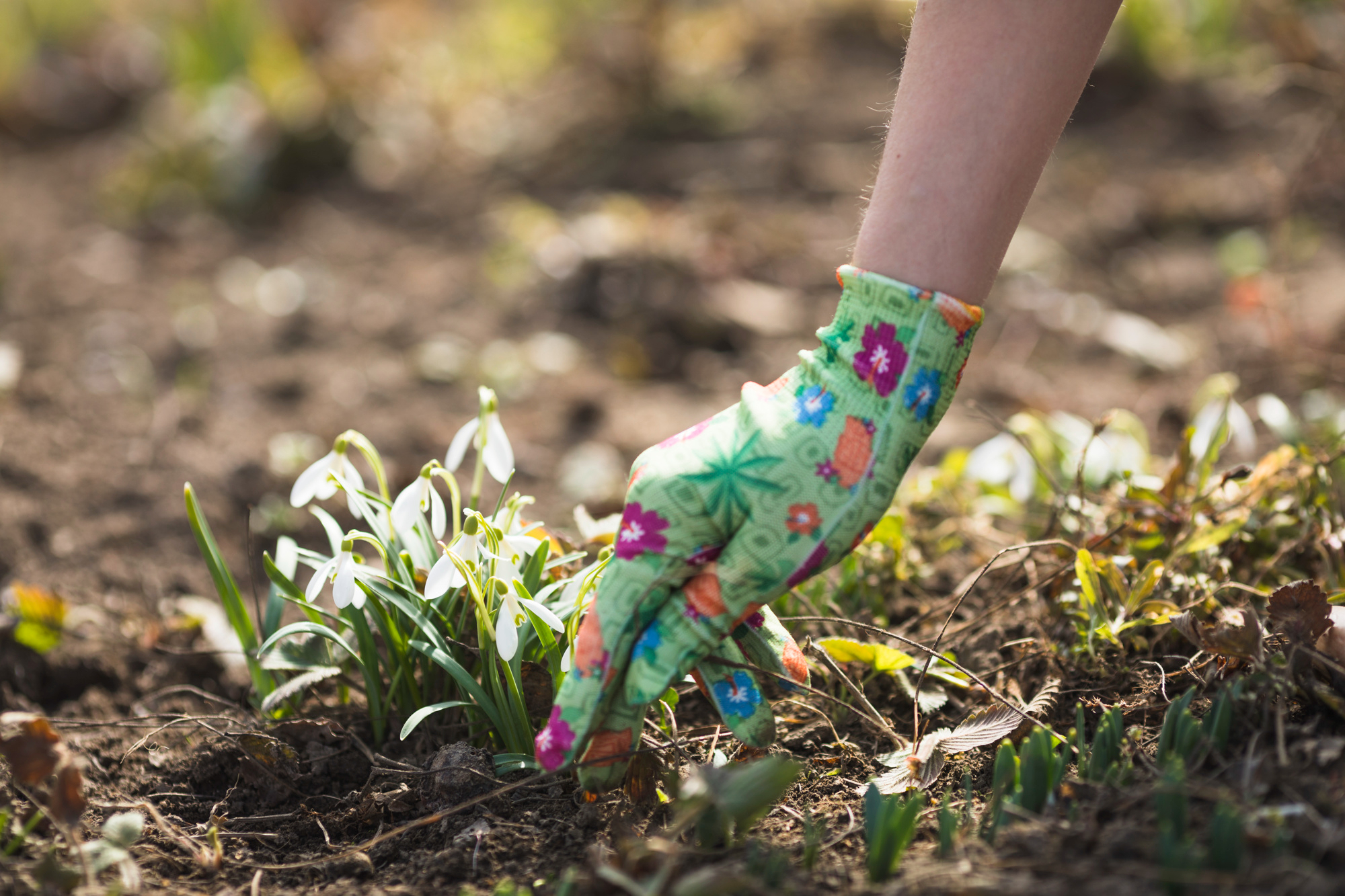
There is a particular kind of grief in leaving a garden behind. You spent years learning a patch of ground, and now it belongs to someone else. The good news is that a move is not the end of your gardening life. It is a blank plot, and blank plots are where every good garden starts. Here is how to begin again without losing a season.