Blog
Portugal, Georgia, or Turkey: which country offers better visa conditions for freelancers?
Posted in Travel on Jul 16, 2026

Among the most popular relocation destinations, digital nomads most often consider Portugal, Turkey, and Georgia. And it's not only because of the mild climate, although living by the sea certainly remains one of the main advantages. Each of these countries offers well-developed urban infrastructure, comfortable conditions for remote work, and its own legalization programs for foreign professionals. The opportunity to live in a new country while continuing to work for a foreign company is exactly what has made these destinations especially attractive to IT specialists.
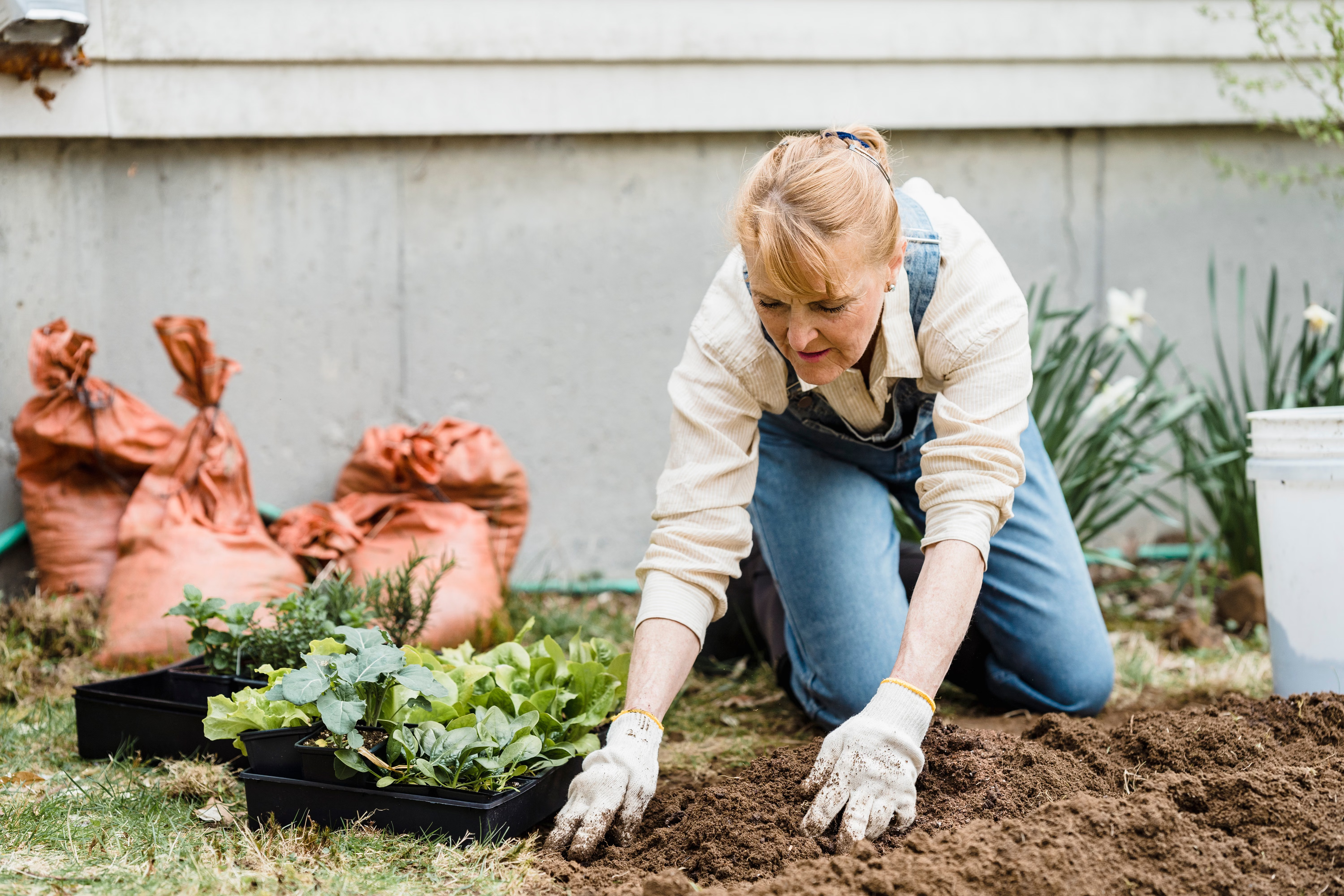
As gardeners, we spend tons of time on what we can actually see: snipping branches, improving soil, and checking leaves for pests. But underneath our neat garden beds and green lawns is a whole world we often don't think about until something goes wrong. Really protecting your garden means more than just surface-level care. It also means knowing about the hidden dangers that can quietly mess up all your hard work from below.
How Professional Landscaping Creates Outdoor Spaces You'll Enjoy for Years
Posted in Homeowners on Jul 16, 2026

A beautiful landscape is about much more than having an attractive yard. It transforms outdoor areas into functional living spaces where homeowners can relax, entertain guests, and spend quality time with family. From carefully selected plants to expertly designed landscape beds, every feature contributes to a property's overall appearance while increasing its long-term value.
The Kitchen Island Is the Real Centerpiece of a Schaumburg Open-Concept Home
Posted in Homeowners on Jul 15, 2026
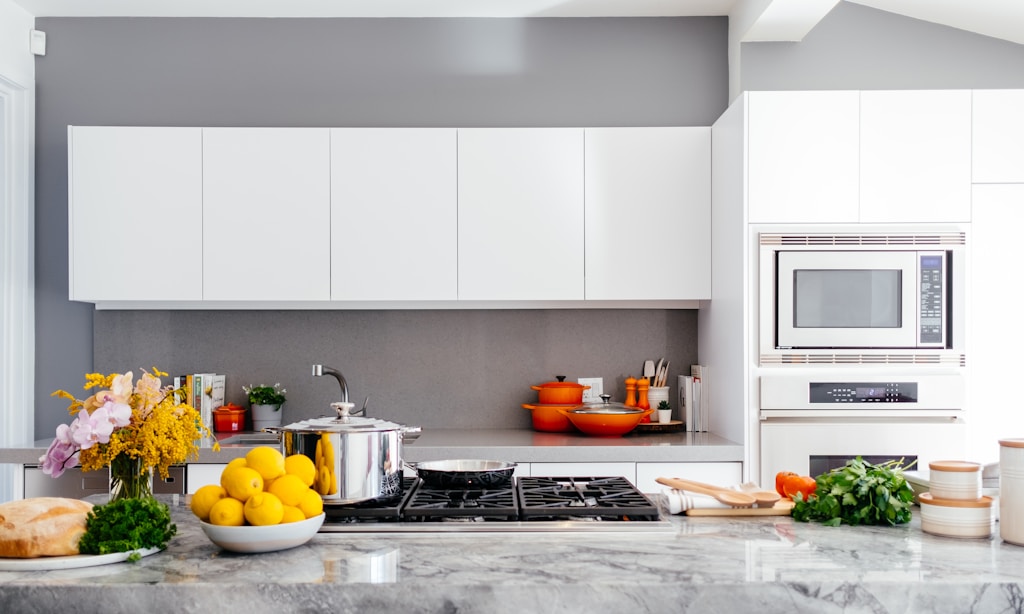
Drive through the newer construction near the Woodfield Mall corridor or through the townhome communities off Golf Road and Roselle Road, and you'll notice a pattern: almost every kitchen built in Schaumburg since the 1990s opens directly into the living and dining space. That open-concept layout puts far more design pressure on one single piece of cabinetry than any other room in the house — the island. Get it right, and it anchors the entire main floor. Get it wrong, and it becomes the piece of furniture everyone quietly wishes were different. Local builders like Zurek Construction Schaumburg design islands as the centerpiece of the room, not an afterthought bolted into the middle of the floor plan.

Most gardeners love shopping for the fun stuff. Tomato seedlings. Hydrangeas. Seed packets with heroic-looking vegetables on the front. Maybe a new pair of gloves because the old ones mysteriously became crunchy in the garage. But the real success of your Connecticut garden starts before any of that. It starts with the soil. More specifically, it starts with choosing the right topsoil. That may not sound as exciting as picking out heirloom tomatoes or planning a flower bed full of color, but it matters just as much. Maybe more. Plants are a little like houseguests. Give them a comfortable place to settle in, enough food, and decent drainage, and they’ll usually behave. Put them in poor soil, and suddenly they become dramatic.
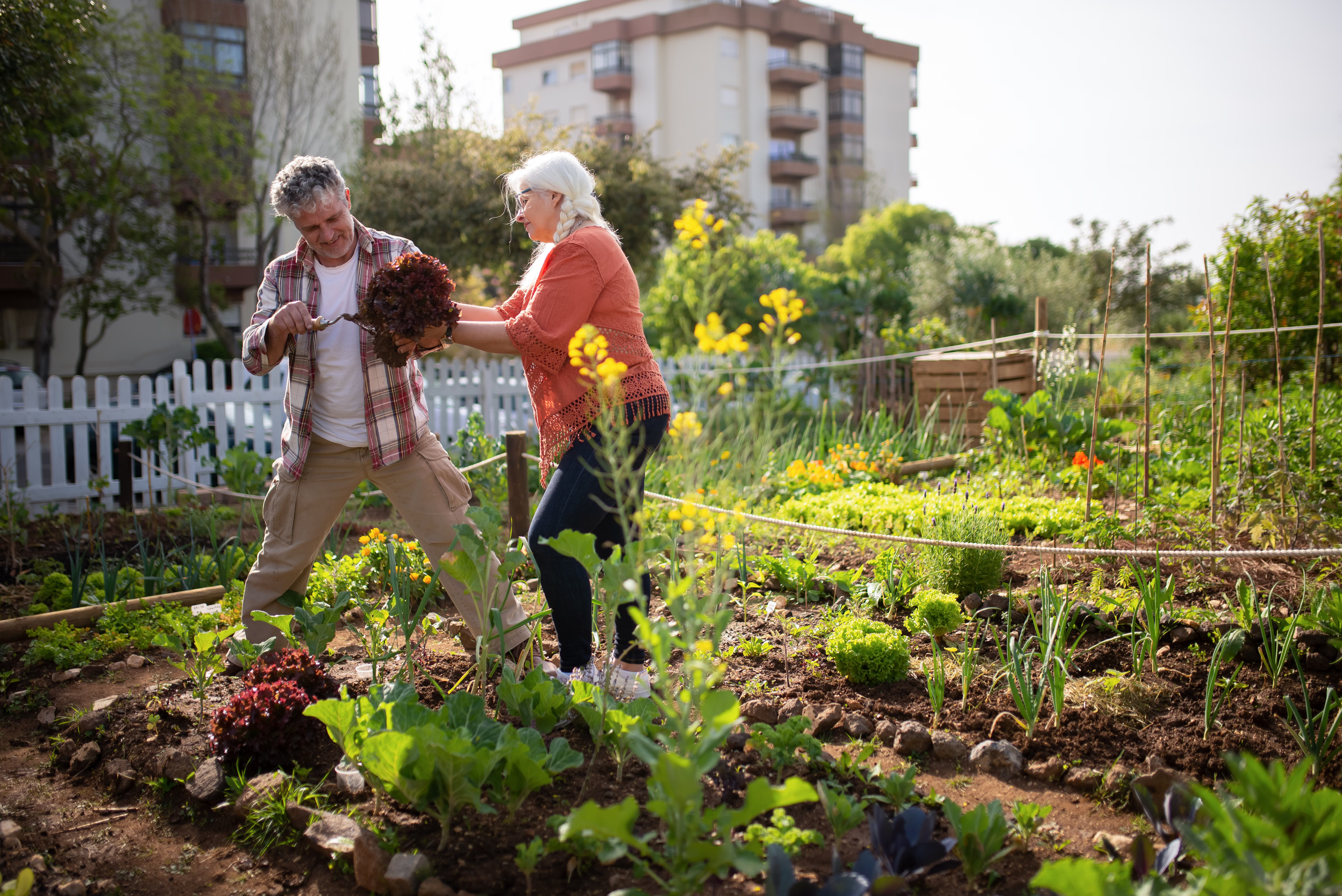
Turning a big, unused property into a lively community garden is an amazing way to grow fresh food, connect with others, and make a neighborhood more beautiful. If you have a large yard, an empty lot, or access to some land, you could create a space that helps many people. This guide will show you how to turn that idea into a thriving shared garden.
Why Some Homeowners Regret Ignoring Their Garage Exterior for Years
Posted in Homeowners on Jun 22, 2026
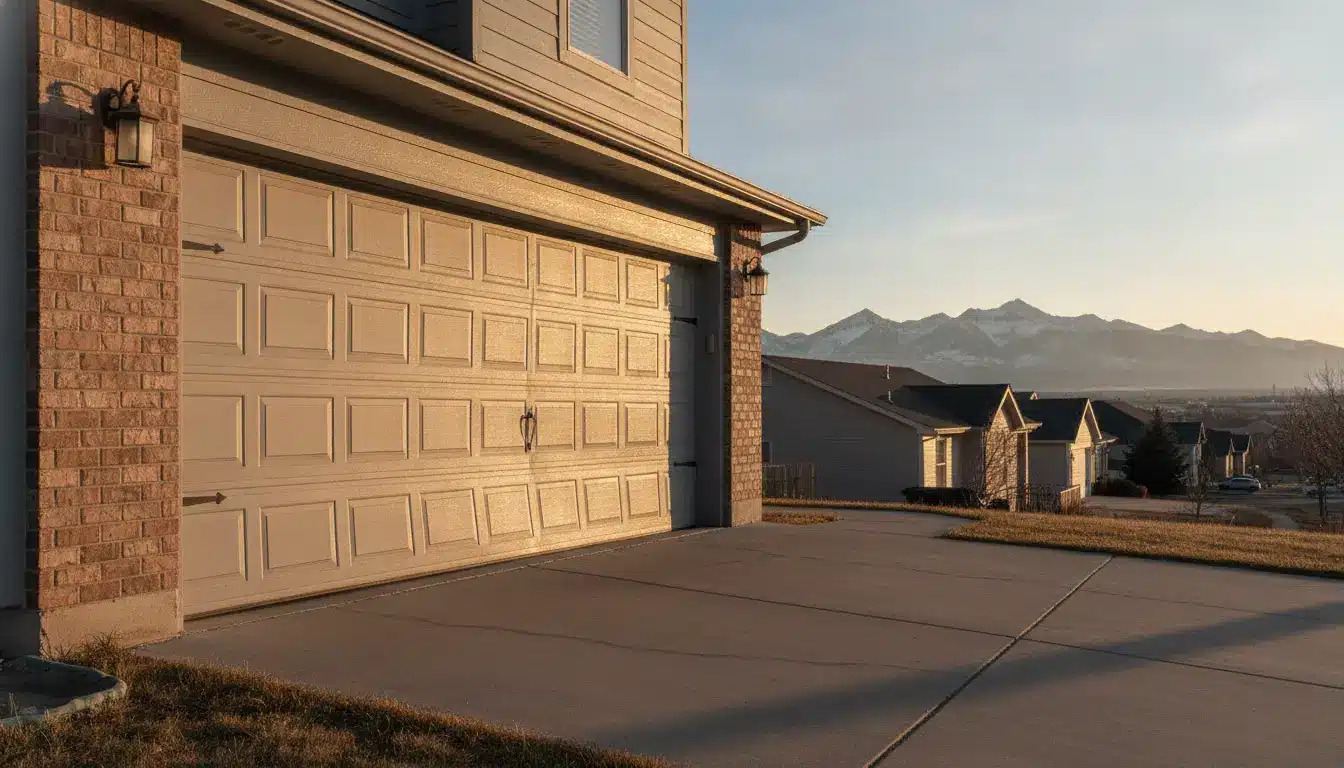
When homeowners think about improving curb appeal, they often focus on front porches, landscaping, windows, or entry doors. However, one major exterior feature is frequently overlooked for years: the garage. Since garages often occupy a significant portion of a home's front-facing exterior, neglecting them can gradually diminish the property's overall appearance and perceived value.
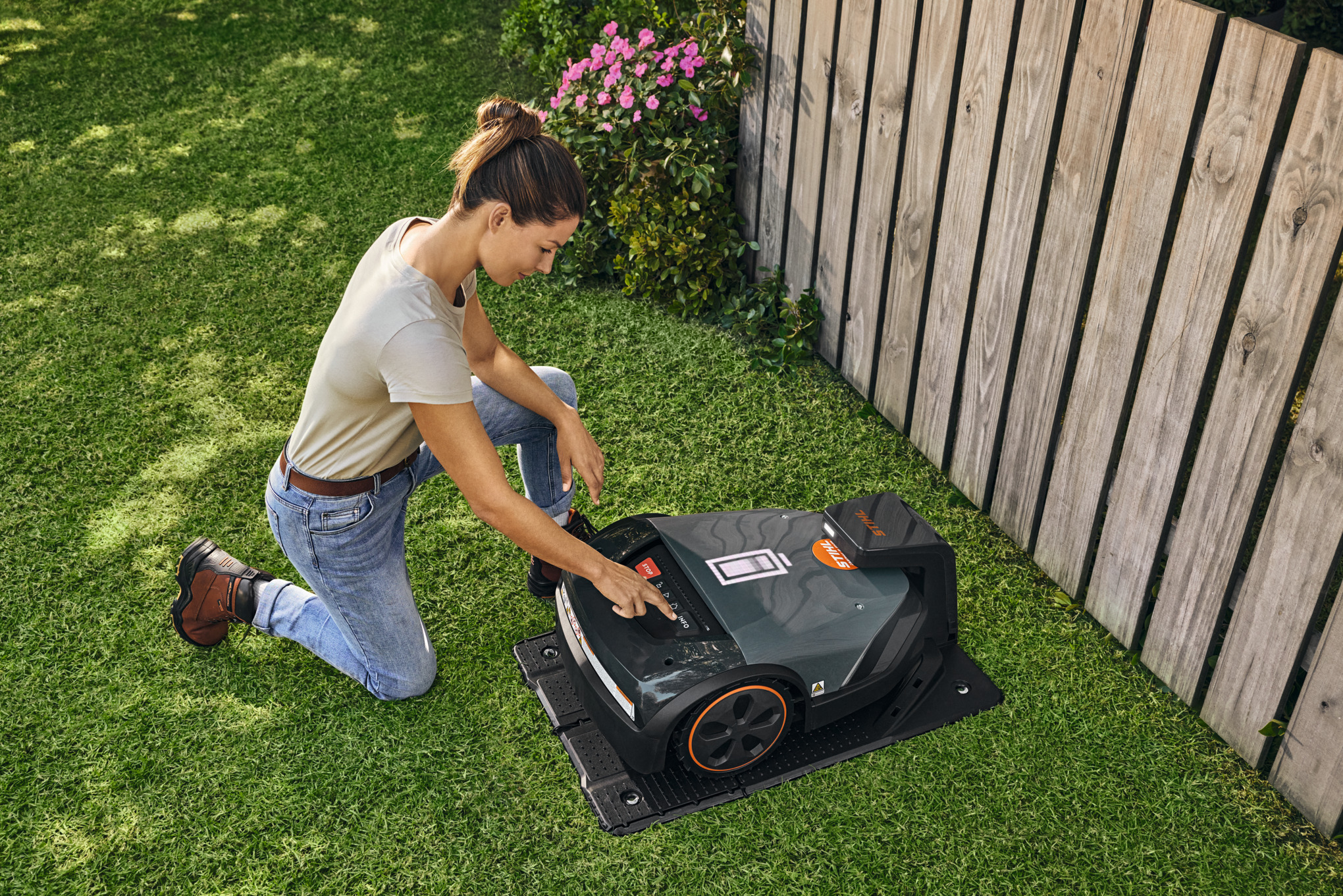
Small gardens have a funny way of looking easy from a distance. A quick patch of lawn, a few borders, maybe a path, a patio, and a corner where the garden chairs live when nobody can be bothered to fold them properly. It does not look like much work. Then the grass grows. Suddenly, that “quick little lawn” needs mowing again. And while cutting a small lawn may not take all afternoon, it still means dragging out the mower, finding the extension lead or fuel, clearing toys and plant pots, cutting the grass, trimming the edges, cleaning up, and putting everything away. By the time you are done, the job that was supposed to take 20 minutes has somehow stolen part of your weekend. This is where robot lawn mowers start to sound appealing. For many homeowners, especially those with smaller gardens, the promise is simple: less mowing, more time enjoying the garden. But are robot lawn mowers actually worth it for small spaces, or are they just another gadget destined to sit in the shed beside the pressure washer you used twice?
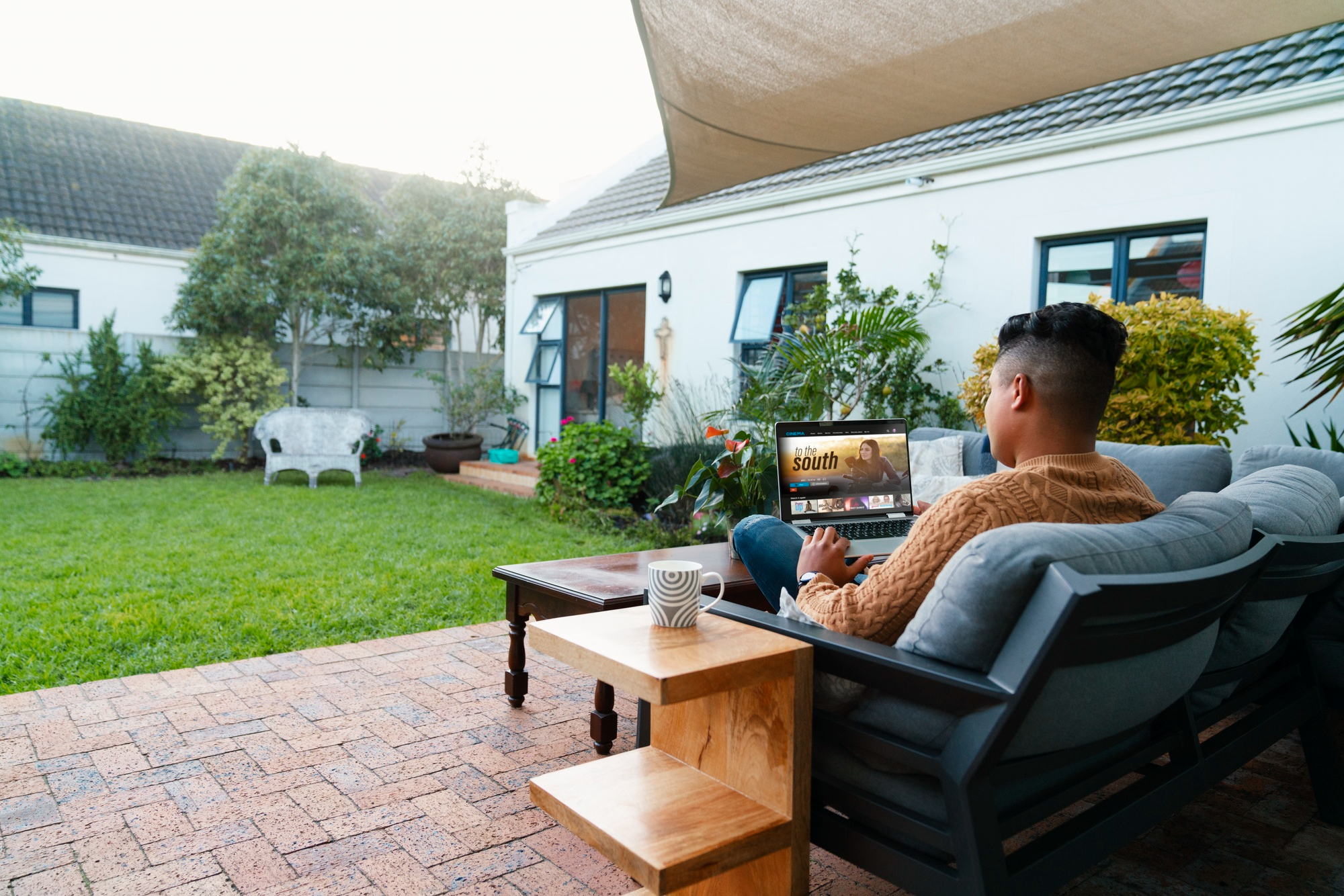
An outdoor living space is something special when done properly, and so much so that it can feel like an extension of your home. But there are some things you might benefit from knowing before you potentially waste your money. From buying the right furniture for outdoor living spaces to layering outdoor lighting, here are some suggestions to help get you started.

A rental home could be a pretty solid operation to outsiders. But when a missed rent payment results in a leaky pipe and a vacant month, the owner’s experience with their property has changed. At that point, you have an asset, but now you have many particular dates, documents, people, bills, and decisions. The less predictable your business is, the more dependent you are on memory or late-time actions.