Blog
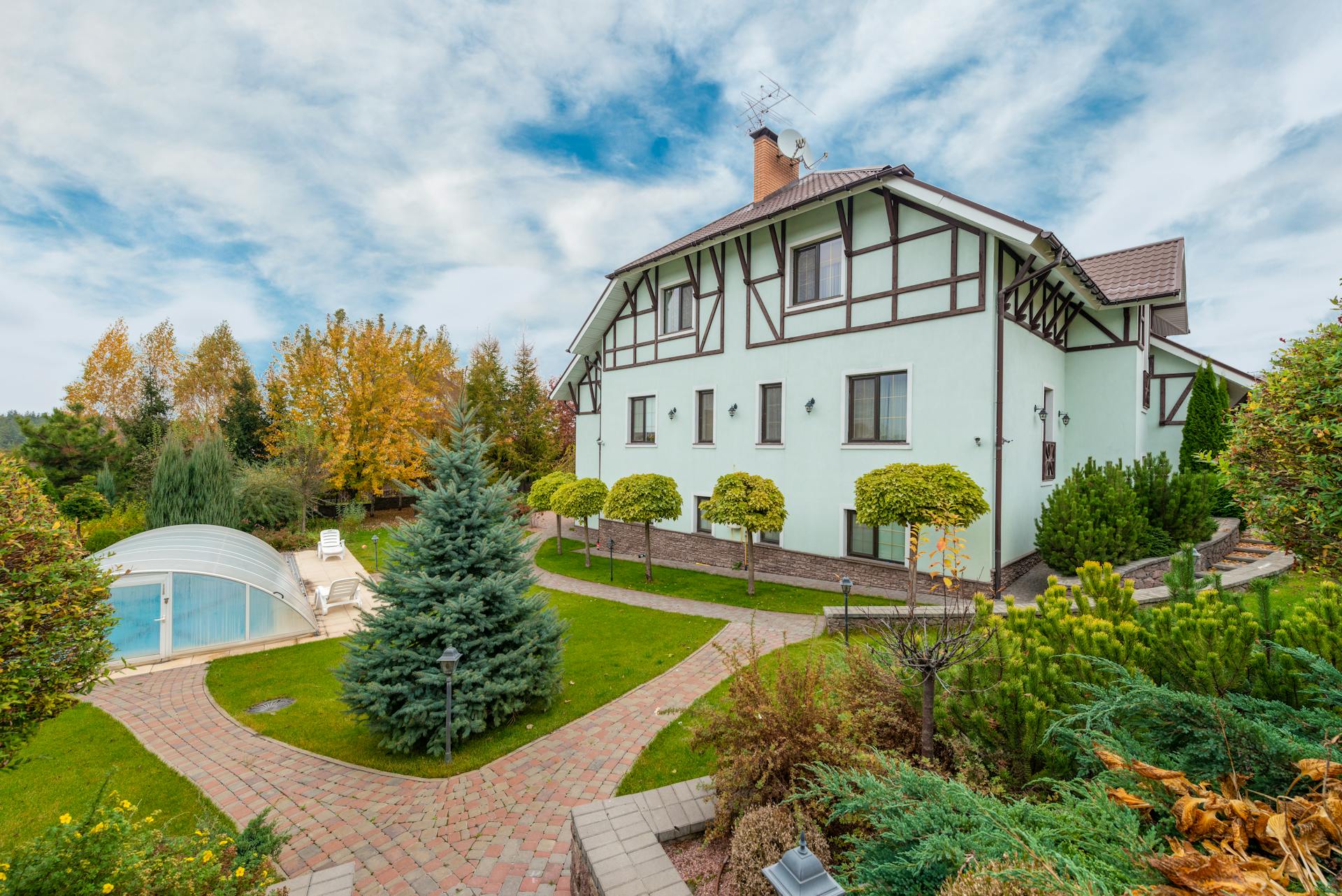
Are you interested in improving your home? If so, then there are lots of different areas that you could focus on. However, one of the best options would be the garden. By improving the garden, you can make sure that you will be able to embrace the alfresco lifestyle. It can also guarantee that your home is more likely to sell on the market and for a higher value. So, let’s take a look at some of the best ways that you can give your home a boost.
What Homebuyers Notice First When Viewing a Home in Bright Daylight
Posted in Homeowners on Apr 29, 2026

When a potential buyer steps into a home during a bright, sunny day, the experience is immediate and revealing. Natural light has a way of amplifying everything. It highlights beauty, but it also exposes flaws that might otherwise go unnoticed. From subtle streaks on windows to uneven paint textures, daylight transforms a home into an open book where every detail is visible. Understanding what homebuyers notice first can help sellers prepare more effectively. It is not just about cleaning or staging. It is about anticipating how human perception works under natural light and ensuring the home presents itself in the best possible way.
Why Your Fence Looks Worse After It Rains and What That Says About the Surface
Posted in Homeowners on Apr 29, 2026
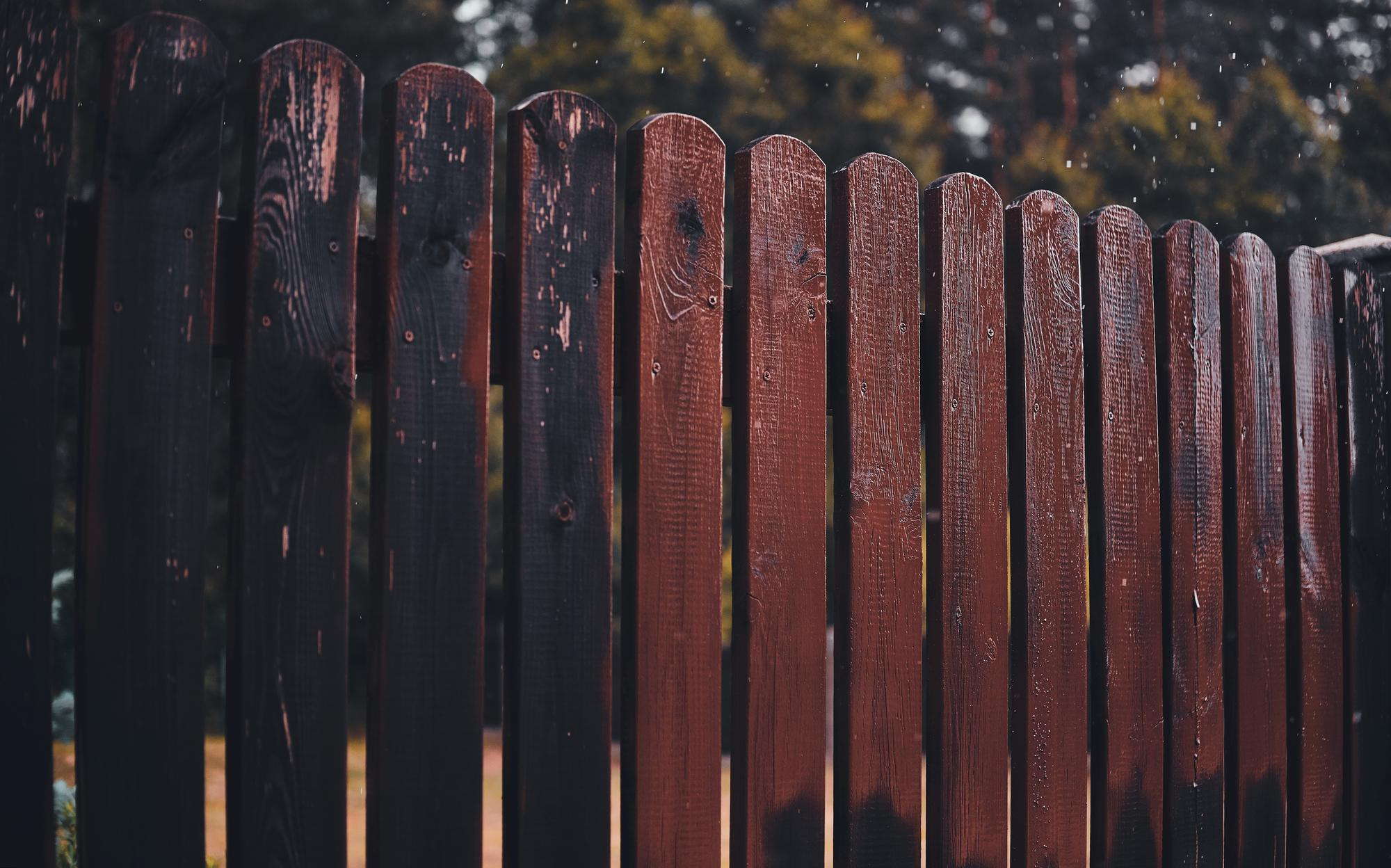
If you’ve ever stepped outside after a fresh rain and noticed your fence suddenly looks darker, dirtier, or uneven in color, you’re not imagining things. Rain has a unique way of exposing what’s really happening on the surface of your fence. What looked fine during dry weather can quickly reveal streaks, blotches, and hidden buildup once moisture enters the picture. This effect is especially noticeable in early spring, when fences have spent months accumulating dirt, organic debris, and environmental residue. The rain doesn’t create these issues—it simply highlights them. Understanding why this happens can help you better maintain your fence and extend its lifespan.
The Complete Recovery Guide to Maintaining Your Back After Gardening
Posted in Gardening on Apr 29, 2026
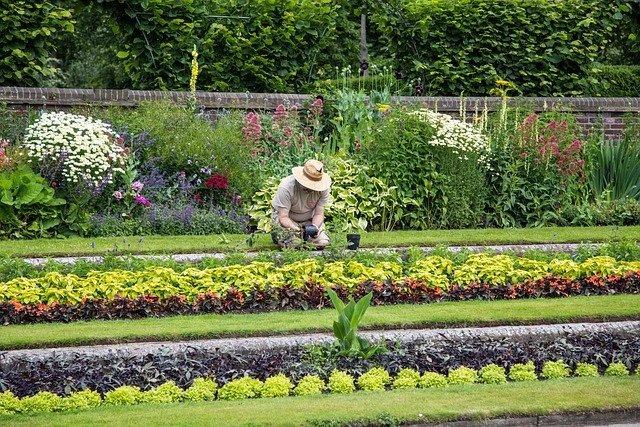
Every homeowner knows that a beautiful, high-yield garden is a labour of love. We spend our weekends meticulously planning the layout of our beds, selecting the right mulch to manage soil moisture, and ensuring our irrigation systems are functioning at peak efficiency. We treat the foundation of our property with immense respect, yet we often neglect the physical foundation that makes all this work possible. Gardening is one of the most rewarding ways to interact with your property, but it is also one of the most physically demanding. The sustained bending, heavy lifting, and repetitive motions required for planting and maintenance can lead to significant structural stress over time.
Simple Upgrades That Instantly Improve Your Outdoor Living Area
Posted in Homeowners on Apr 27, 2026
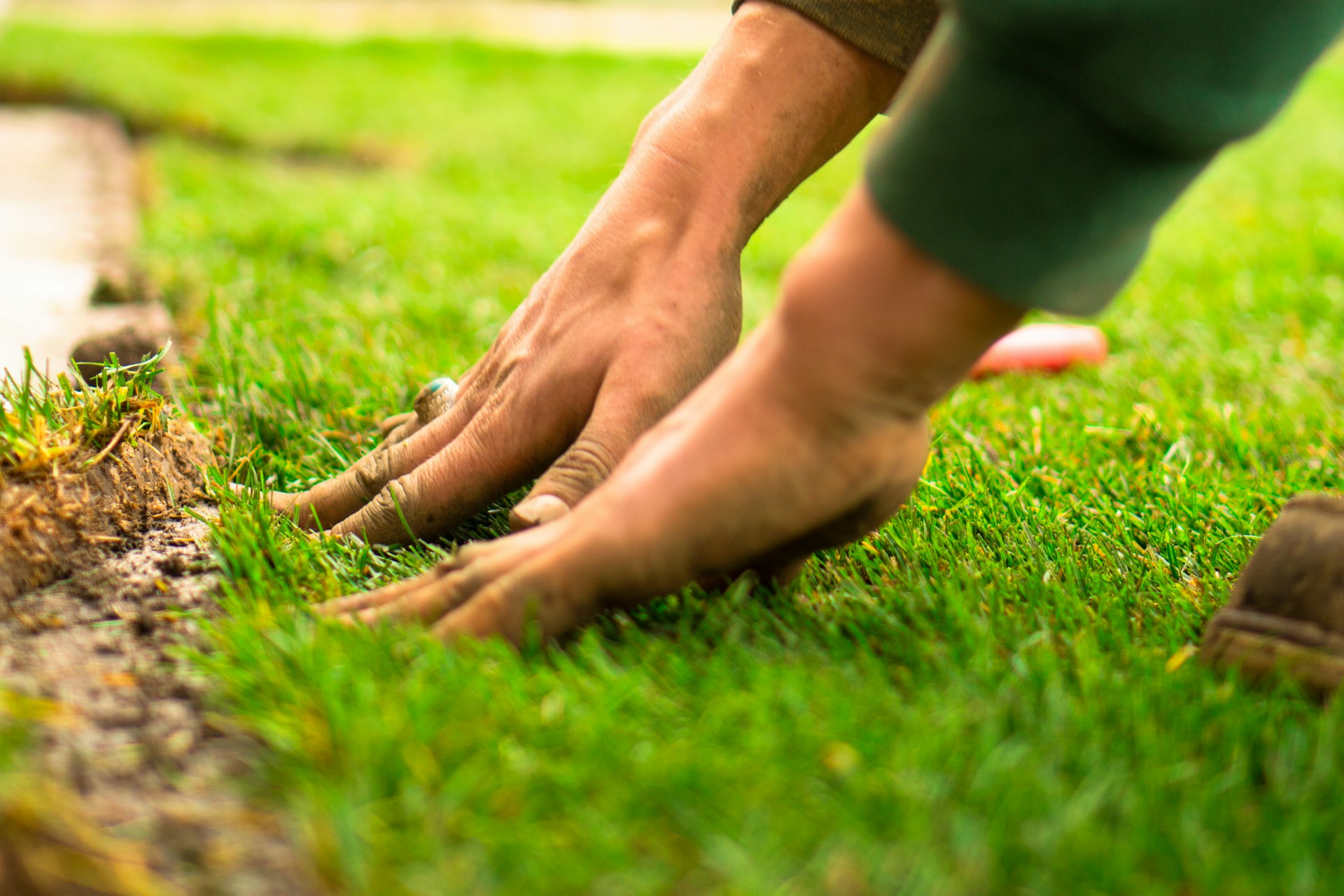
Outdoor spaces in Dade City have a way of telling on you. If the yard feels flat, tired, or forgotten, you notice it every time you step outside with your coffee or have someone over for dinner. The good news is that turning things around does not require ripping everything out and starting fresh. A handful of smart, thoughtful changes can shift the entire mood of your yard or patio within a weekend. Whether you are working with a sprawling backyard or a modest corner behind the house, the goal is the same. You want a space that feels inviting, looks cared for, and actually gets used. Below are some of the simplest upgrades that deliver the biggest payoff when it comes to outdoor living.
Why Spring Sunlight Makes Your Windows Look Worse Than Winter Ever Did
Posted in Homeowners on Apr 25, 2026
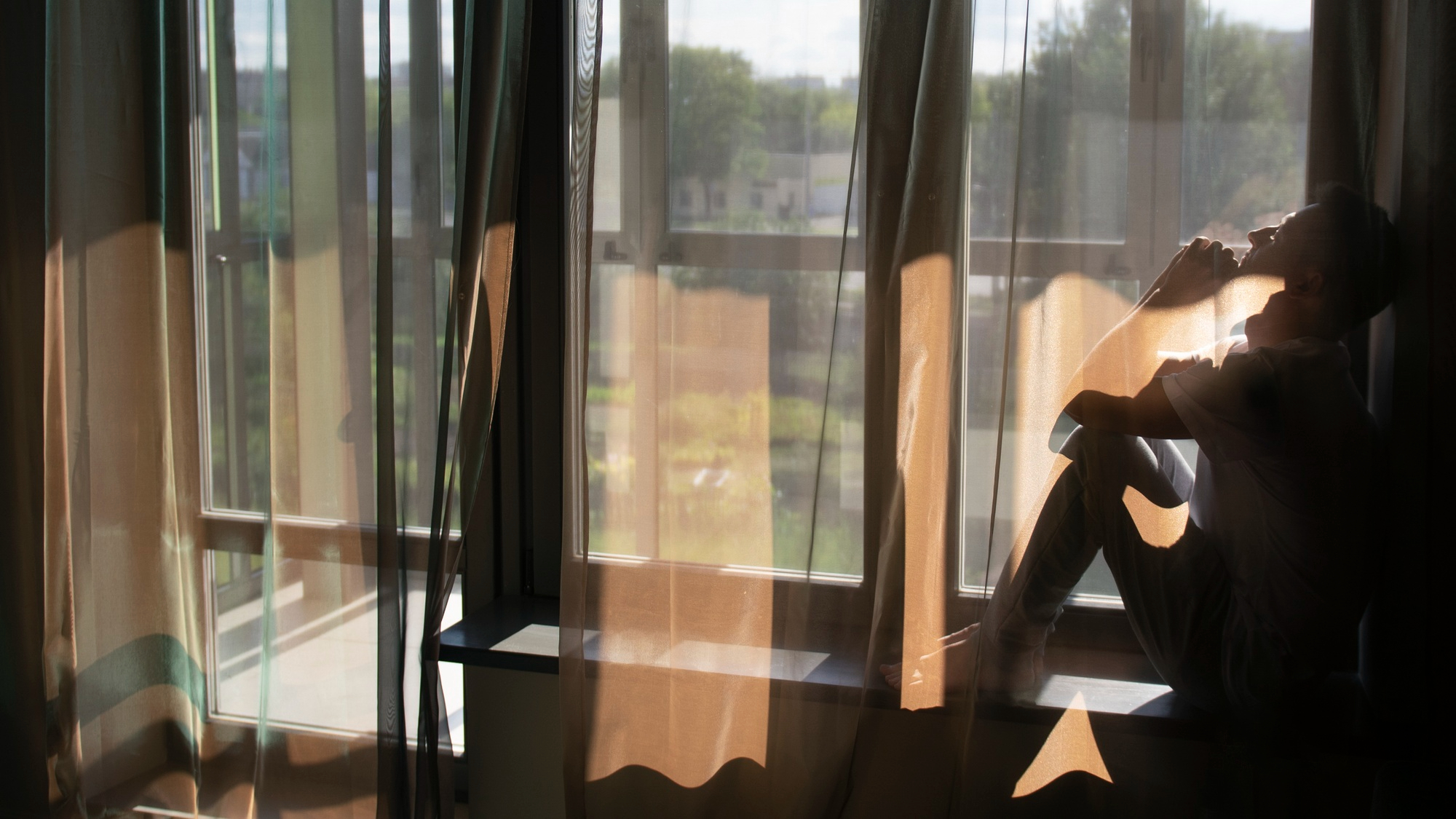
As winter fades and spring arrives, many homeowners experience a surprising and slightly frustrating realization. Their windows, which seemed perfectly fine just weeks ago, suddenly look streaky, dusty, and covered in a dull haze. It can feel like the glass deteriorated overnight, but in reality, the change has far more to do with light than with cleanliness alone. Spring sunlight has a unique way of revealing what winter quietly conceals. The shift in seasons brings changes in light angle, intensity, and duration, all of which interact with glass surfaces in ways that make imperfections dramatically more visible. Understanding why this happens requires a closer look at both environmental factors and the science of light.
How to grow a carpet cleaning business from side hustle to full operation
Posted in Homeowners on Apr 22, 2026
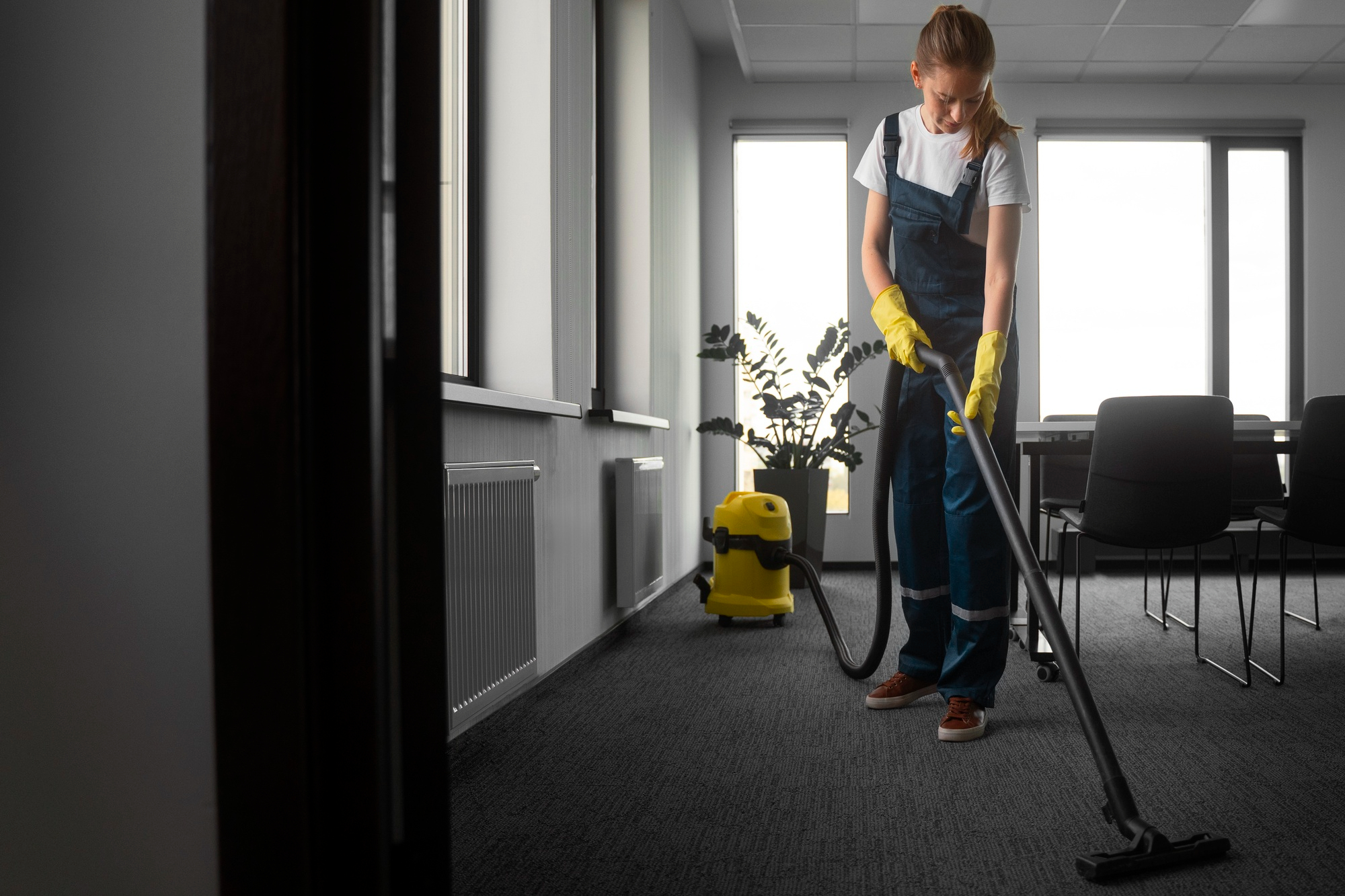
Starting a carpet cleaning business as a side hustle feels simple at first. We buy the equipment, book a few jobs on evenings or weekends, and plan to get more serious once the schedule fills up. That works for a while. Then the weak spots show up. Calls come in while we are driving. Estimates live in text messages. Follow-ups get missed. Repeat customers disappear because nobody reached back out.
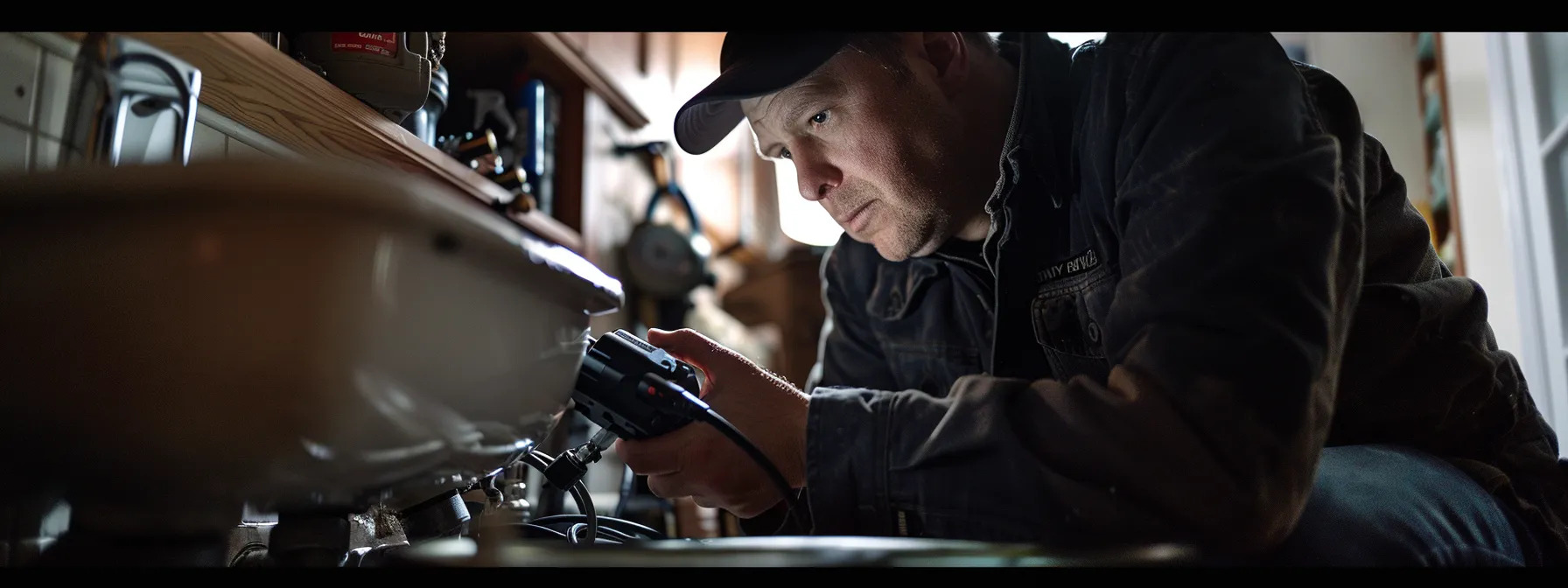
Roughly $9,400 is the average cost damage from household plumbing issues can incur annually. Many homeowners in Arlington face these costly challenges without realizing professional help is readily available. Over time, persistent plumbing problems can escalate, leading to major repairs and even health risks. Engaging a skilled Arlington plumber can drastically mitigate these issues, offering preventative measures and timely solutions. Arlington plumber In this article, we explore how local plumbing experts can transform your home maintenance approach.

Your home faces the elements every single day. Rain, wind, heat and cold all take their toll on your property over time, even if the damage is not immediately obvious to you. So, it is fair to say that the key to keeping your home in good condition is not just reacting to the problems caused by the elements, but preparing for them right from the start. Here are a few good ways to get started with that.
How Mulch Beds and Garden Design Can Affect Exterior Home Conditions
Posted in Gardening on Apr 16, 2026

A good-looking garden can fool you. Fresh mulch, healthy plants, neat edges, everything in place. It feels like the job is done. Meanwhile, right under that perfect surface, water is moving, soil is shifting, and moisture is building up in ways you didn’t plan for.