Blog
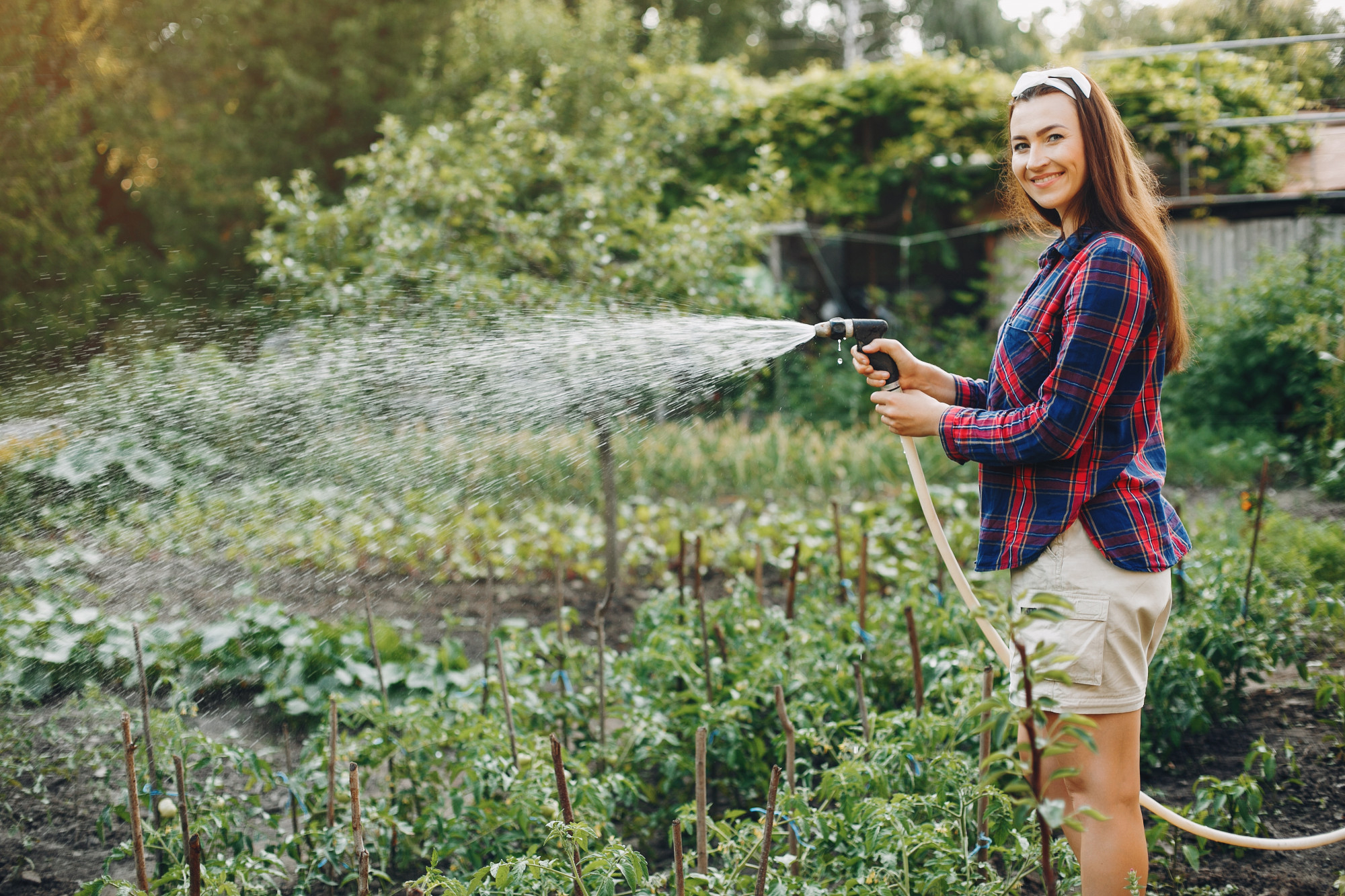
A garden can receive plenty of water and still struggle. One flowerbed may stay wet long after irrigation ends, while a nearby patch of lawn turns dry between watering sessions. These differences often lead gardeners to run the hose longer, even when the real problem is uneven coverage, poor timing, or water escaping before it reaches plant roots.
How Trash Daddy Dumpsters Makes Yard and Landscaping Cleanups Easier
Posted in Homeowners on Oct 15, 2026
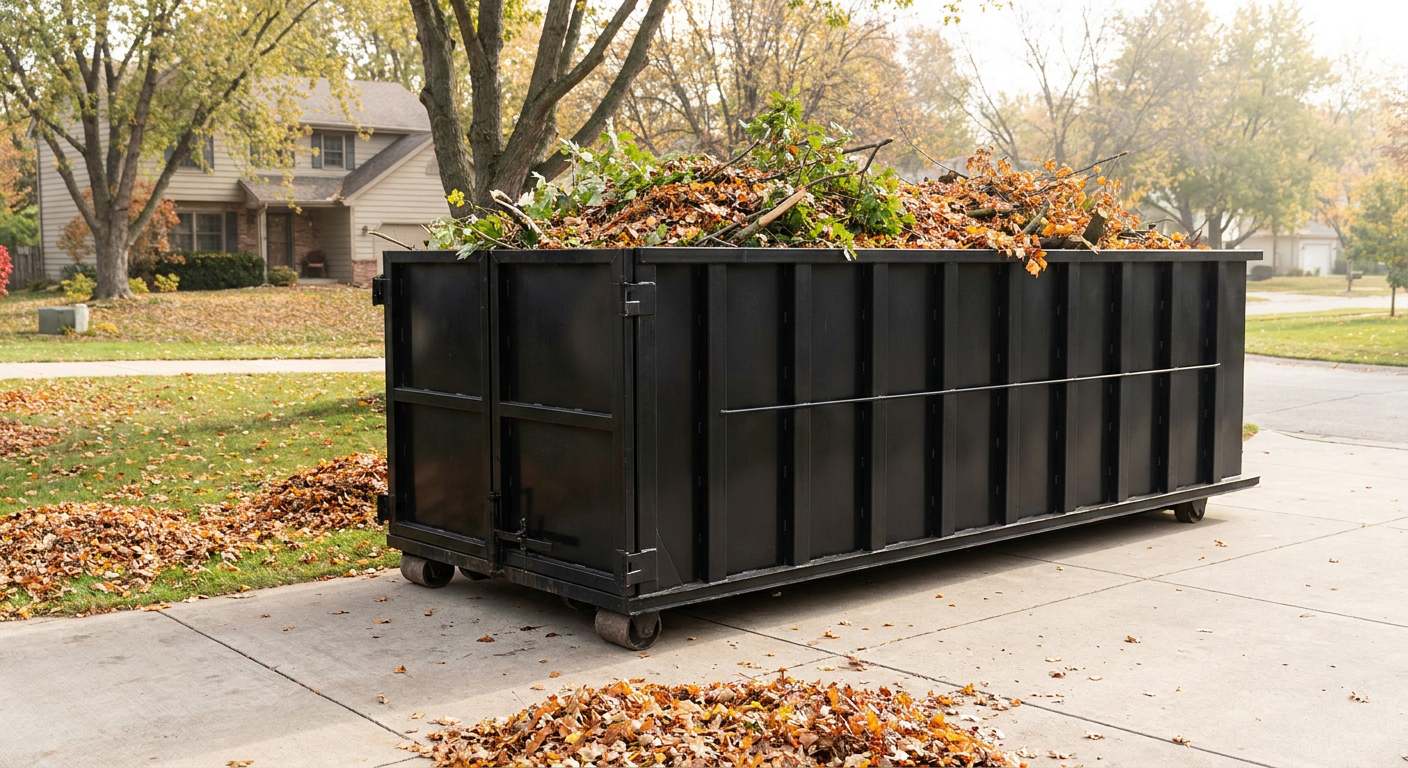
A beautiful yard takes work, and that work often produces a lot of waste. Fallen branches, overgrown shrubs, old mulch, dirt, sod, and broken patio stones can quickly fill every bag and bin you own. Whether you are doing a seasonal cleanup or a full landscaping makeover, having a dumpster on site can save you hours of hauling and keep your property looking neat while you work.
Soil Health 101: Why Your Garden Problems Start Below the Surface
Posted in Gardening on Oct 12, 2026
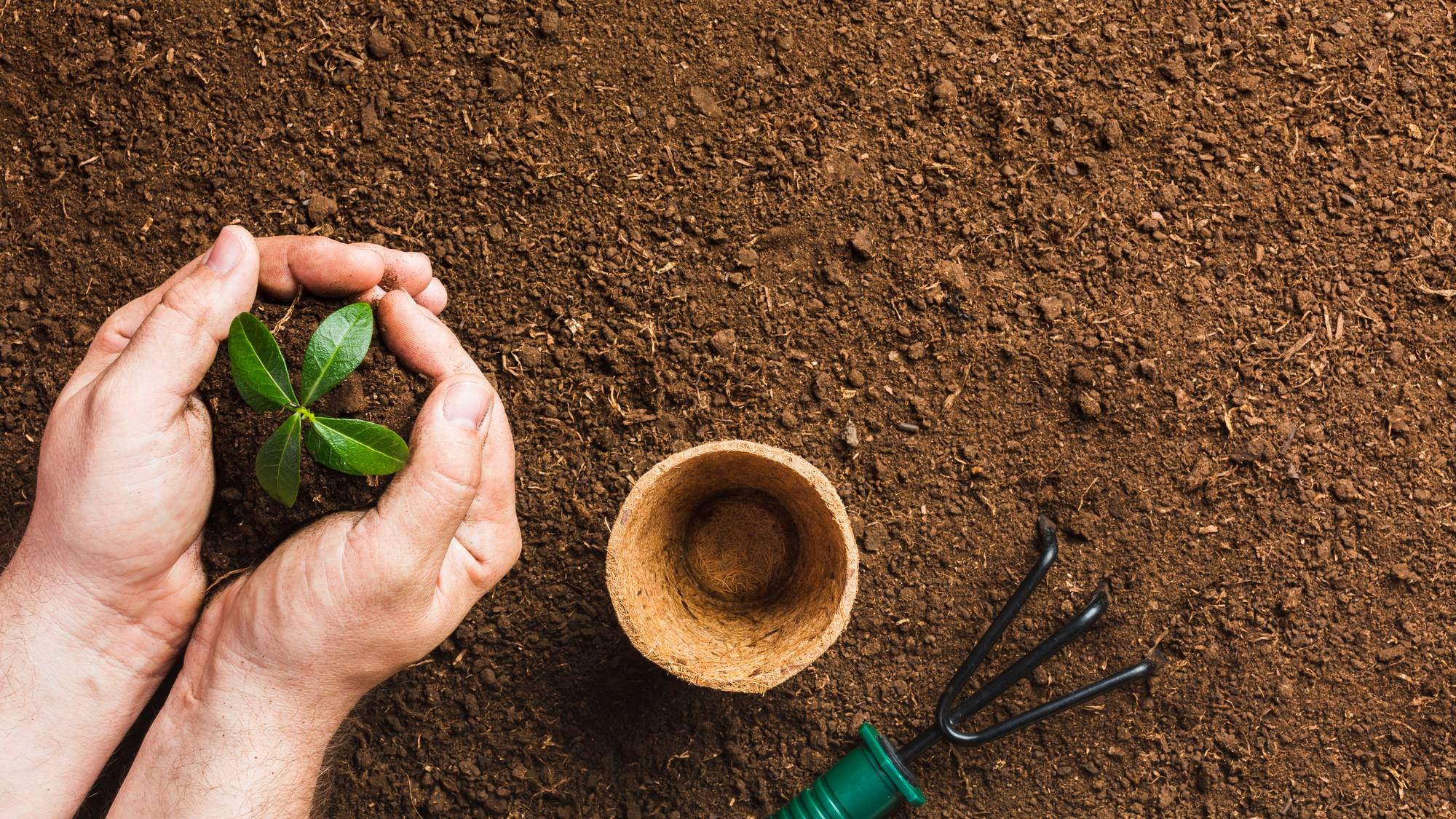
Every gardener has been there. You plant tomatoes in the same spot as last year, water them the same way, give them the same sunlight, and yet the results are disappointing. The leaves yellow early, the growth stalls, the harvest shrinks. It is tempting to blame the weather, the seedlings, or bad luck. But in most cases, the real culprit is hiding right under your boots. When plants struggle, the answer is rarely found on the foliage. It starts with the soil.
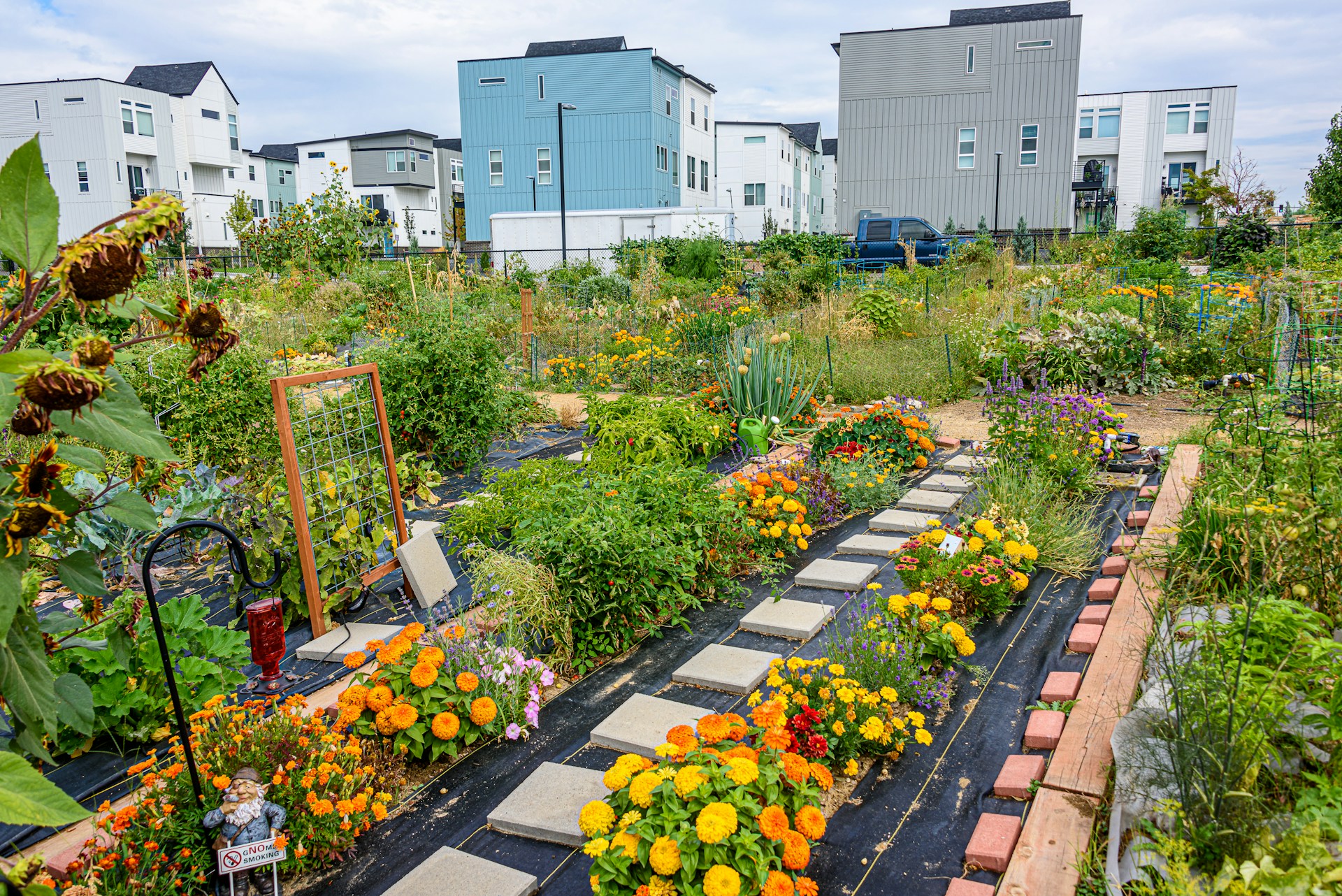
A community garden grows best when members have clear plans for planting, maintenance and everyday problem-solving. Shared spaces can quickly suffer from neglected plots, overflowing waste and pest activity if no one knows who should respond. A simple structure helps gardeners protect crops while keeping the space welcoming for neighbors, volunteers and visitors.
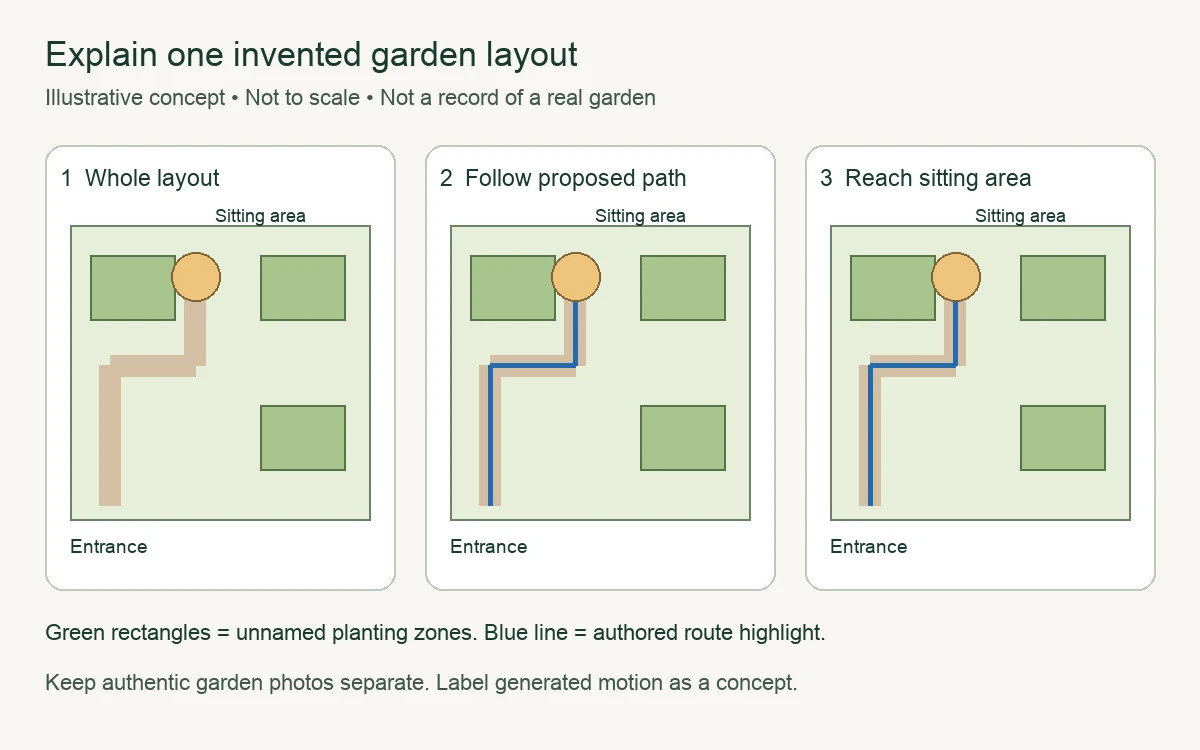
Explain a garden layout with an original drawing, controlled animation and a labelled motion concept, while keeping actual garden photographs separate.
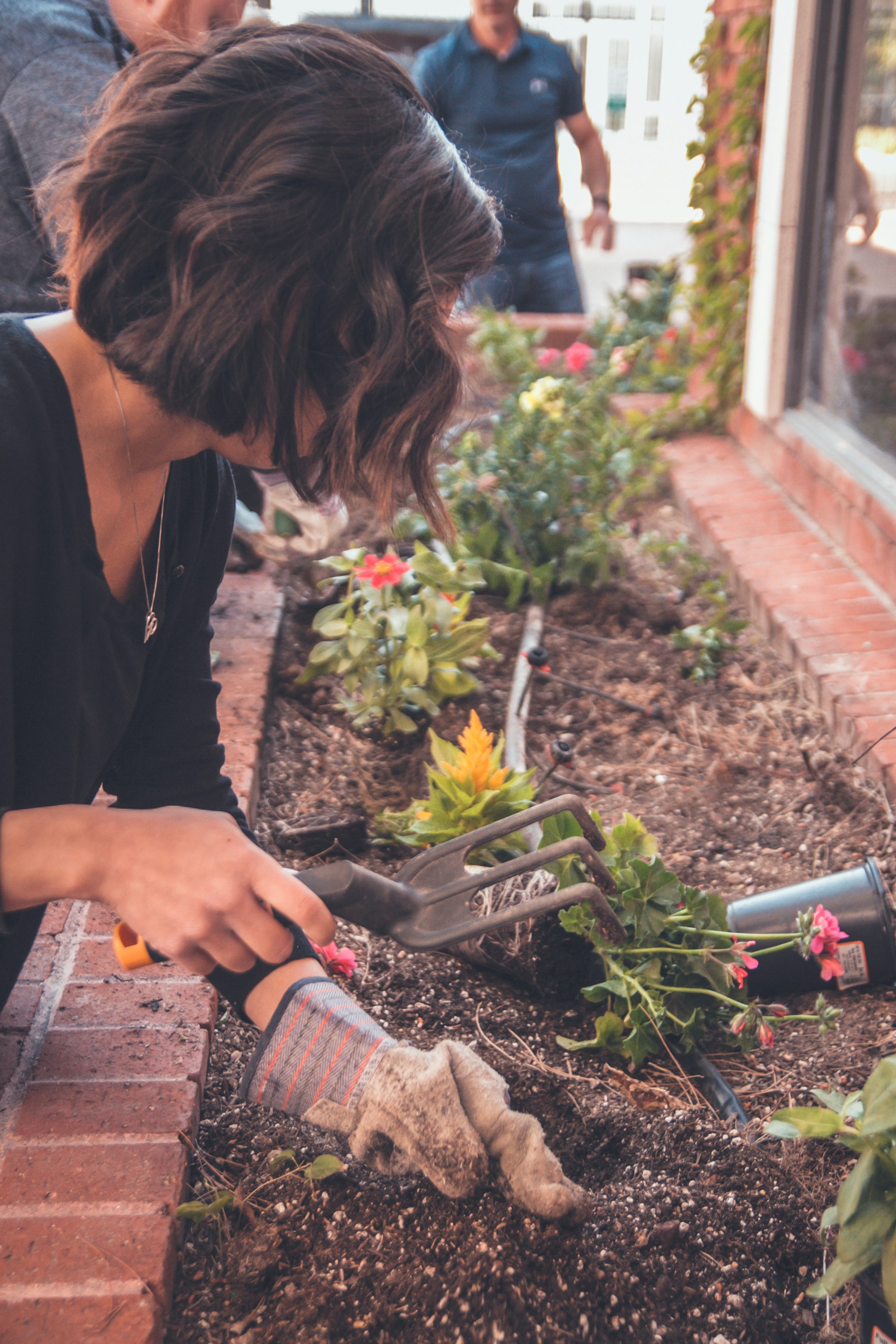
Edible landscaping brings vegetables, herbs, and fruit into the parts of a yard usually reserved for ornamental plants. A sunny front border can hold compact peppers, a patio pot can supply fresh herbs, and a berry shrub can provide both spring flowers and summer produce. The result is a useful outdoor space that still feels polished, welcoming, and connected to the home.
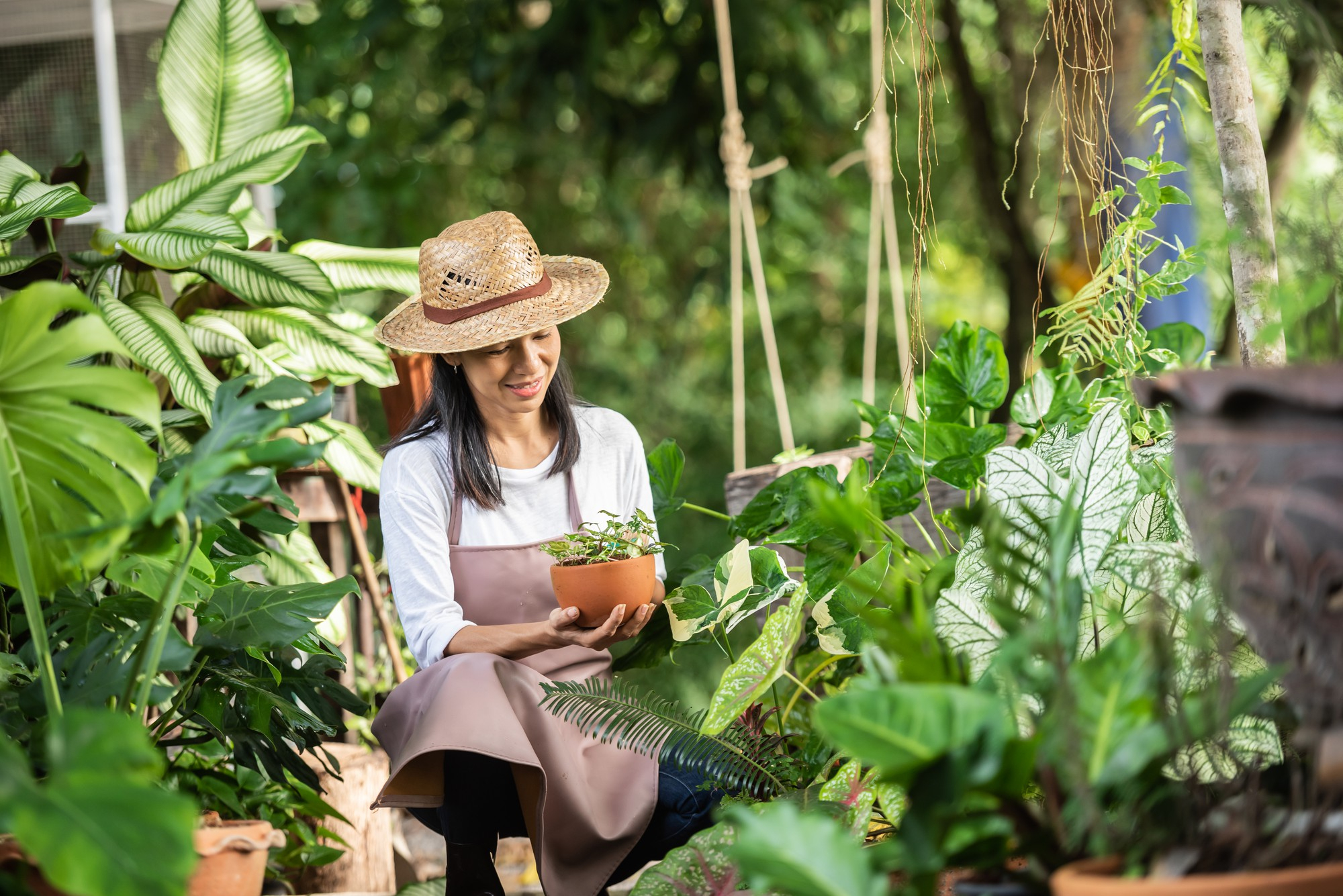
A productive garden can do more than supply fresh food for your household. Seedlings, cut flowers, herbs, eggs, preserves, or seasonal produce may also become the foundation of a small home-based business. Turning a hobby into a reliable source of income takes more than a good harvest: customers need to understand what you offer, how to find you, and why your products are worth choosing. A clear identity and thoughtful communication can help a modest operation grow without losing the personal touch that makes it appealing.
How Denver Weather Wears Out Your Garage Door: A Homeowner’s Guide to Maintenance and Repair
Posted in Homeowners on Sep 23, 2026
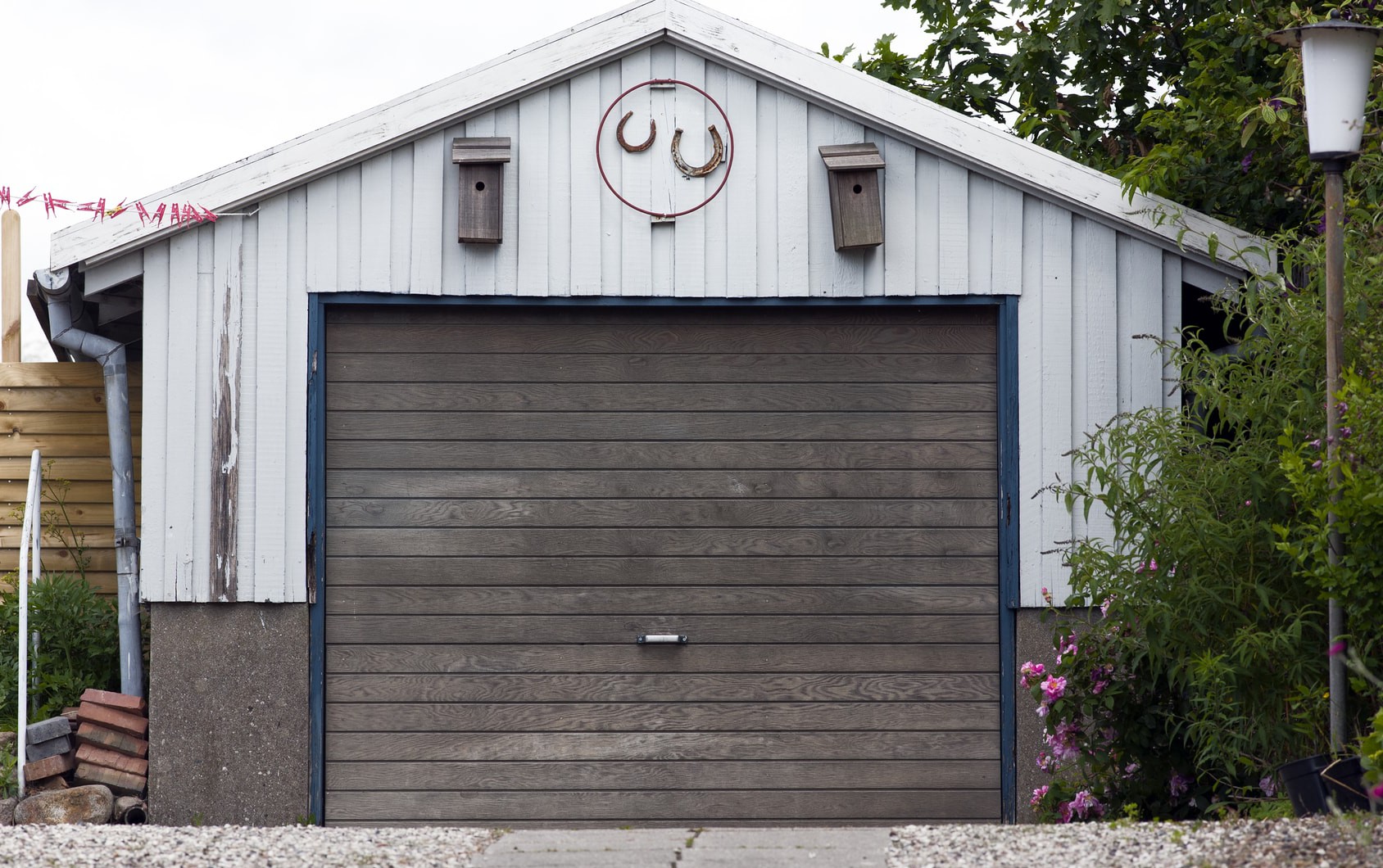
A garage door is one of those parts of a house that most people barely think about until it stops working. Then, suddenly, it becomes the most important mechanical system you own. That usually happens at 7:12 in the morning, when you are already running late, the car is inside the garage, and the door has decided it would rather remain closed for the foreseeable future. Denver homeowners have a few extra reasons to pay attention to their garage doors. Colorado weather can be rough on moving parts. Cold winter mornings, sudden temperature swings, snow, dry air, strong sunshine, wind, and the occasional hailstorm all put stress on the door, hardware, seals, and opener.
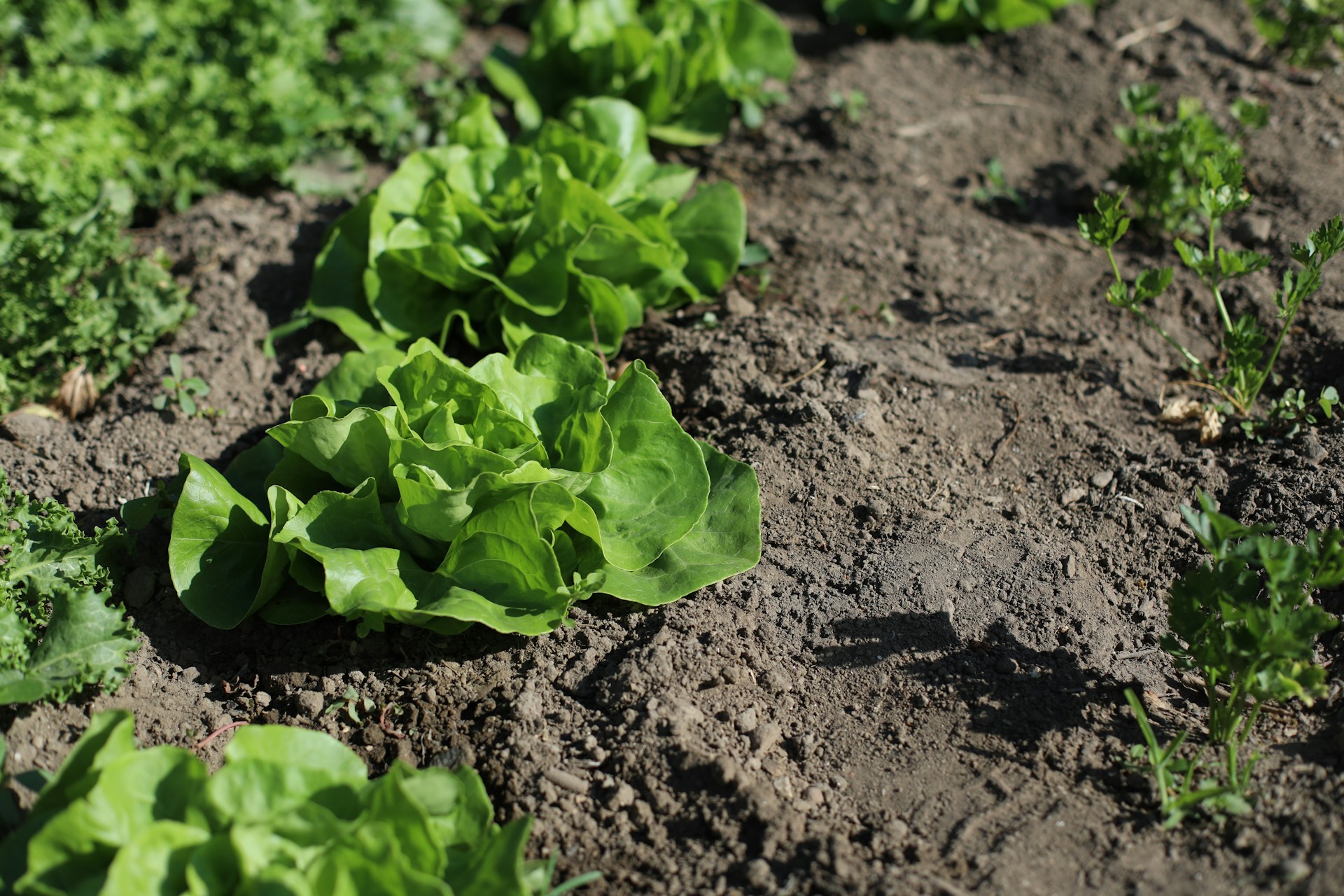
Every garden plot, big or small, is a little piece of land we get to look after. This special role gives us a chance to make choices that don't just grow pretty flowers and tasty veggies, but also help protect and improve our local environment. Thinking sustainably about your garden isn't about following complicated rules or buying expensive gadgets. It's simply about being mindful and working with nature to create a strong, productive, and eco-friendly space for years to come.
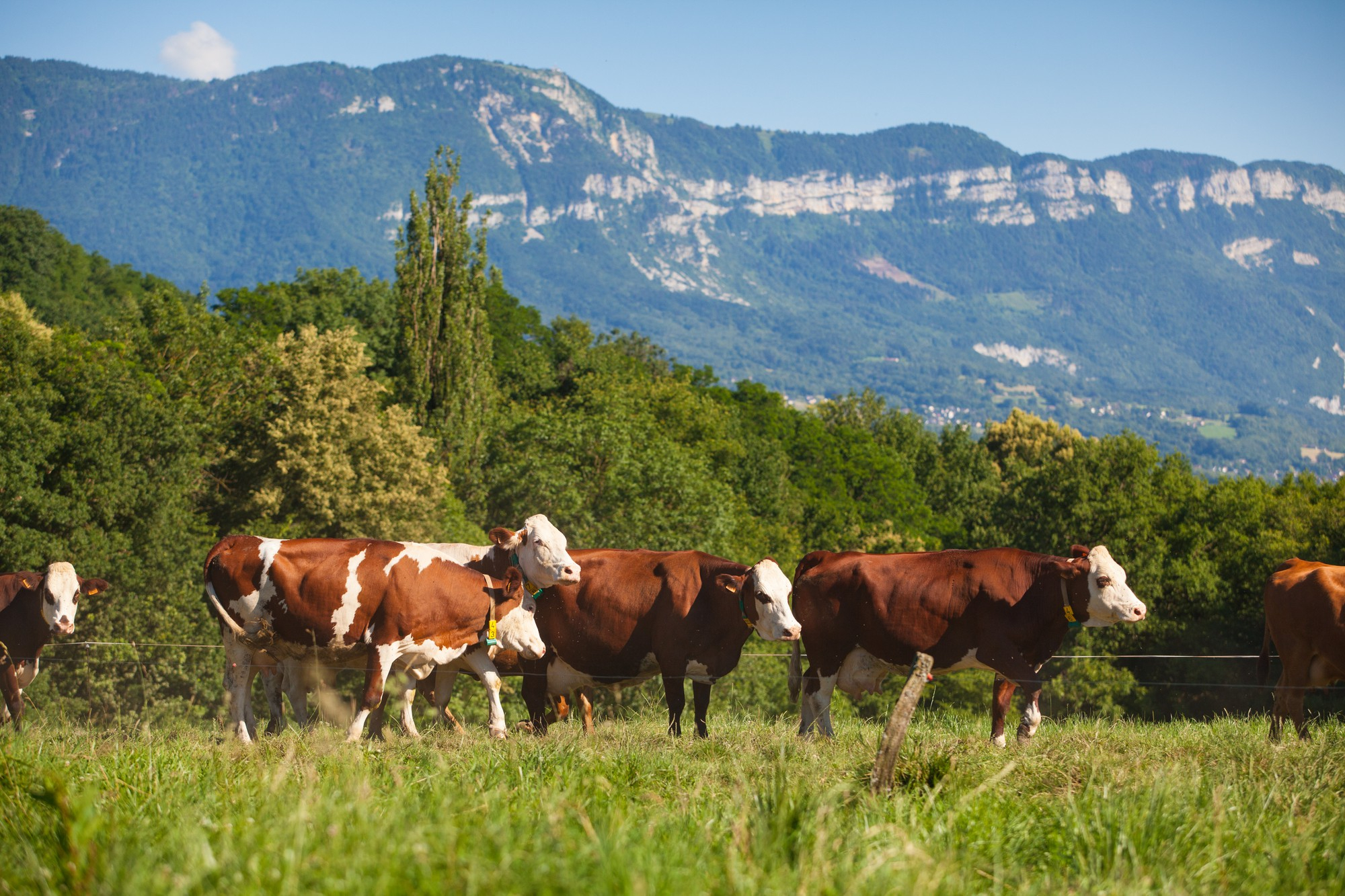
Working cattle has never been a job where you want to discover that your equipment is "probably strong enough." A mature cow can weigh well over half a ton, and cattle have an impressive ability to find the one weak gate, awkward corner, or poorly placed latch in your setup. That is why good equipment matters. A company such as 4 Rivers Ranch specializes in manufacturing and supplying durable, galvanized-steel cattle handling equipment designed around heavy-duty use and one-person operation. Their approach is aimed at helping ranchers across the country improve safety and efficiency while reducing the amount of manpower needed to work cattle. In other words, the equipment is supposed to do more of the work so you don't have to.