Sustainability
Sustainable Landscaping: Simple Ways to Reduce Water Use and Waste
Posted in Homeowners, Sustainability on Feb 03, 2026

A yard can look clean without running sprinklers on autopilot or hauling bags to the curb every week. Most “high maintenance” landscapes are not actually high maintenance; they are mismatched. The plants need one set of conditions, the site delivers another, so you spend the season making up the difference with extra water, fertilizer, and replanting. Sustainable landscaping fixes that pattern. You keep water where it belongs, you reduce waste at the source, and you build a yard that holds up when the weather swings. Read on to learn five simple ways to reduce water use and waste.
How Smart Irrigation Systems Improve Landscape Health and Water Efficiency
Posted in Sustainability on Feb 03, 2026
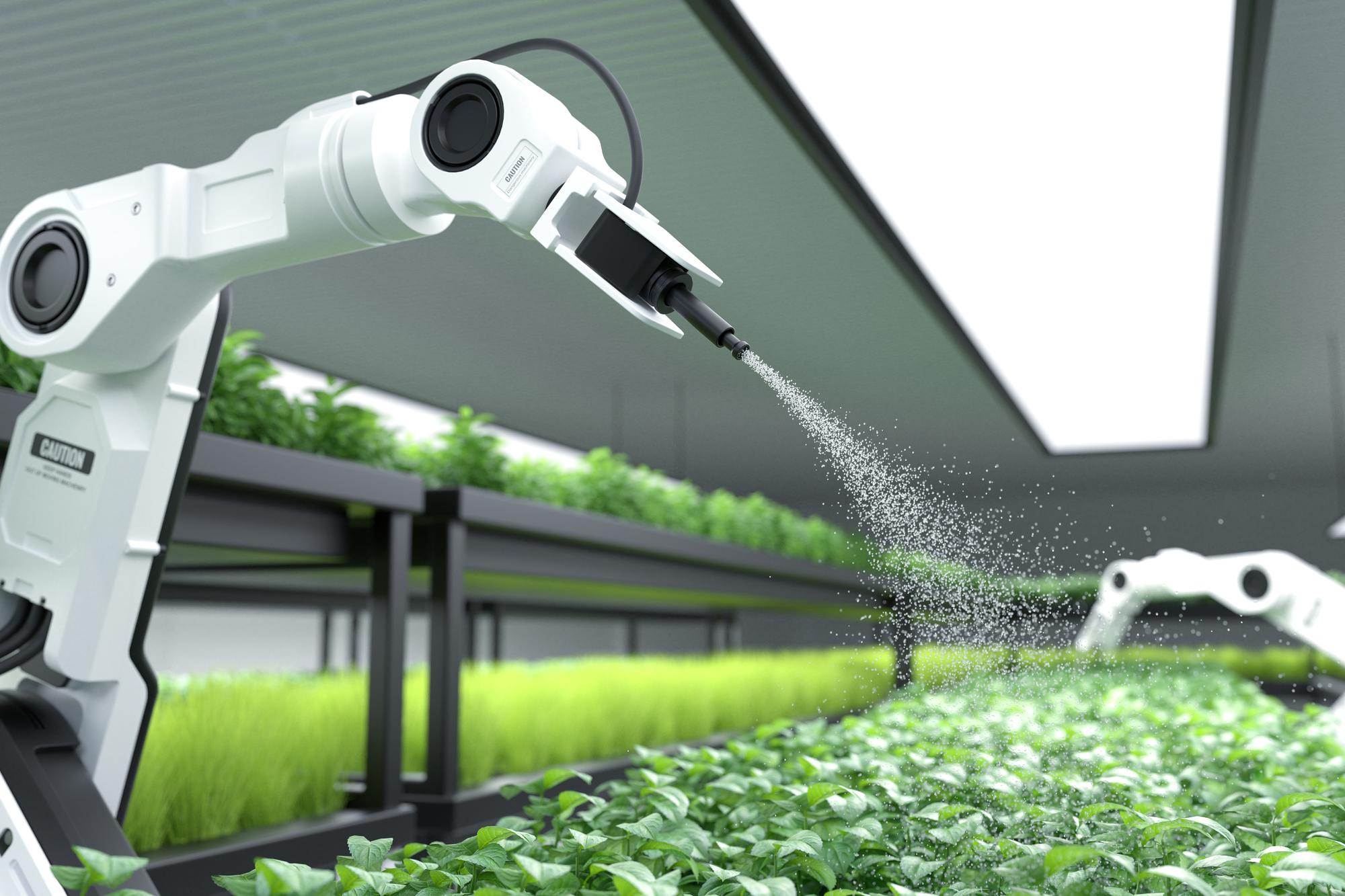
Watering a landscape used to be a guessing game for many homeowners because they often relied on manual timers or visual cues that were often misleading and time-consuming. Over time, this approach led to wasted water, stressed plants, and soil conditions that worked against healthy growth. This article will explain how smart irrigation systems have changed such dynamics by replacing assumptions with data, allowing landscapes to receive water when they actually need it and in the amount that supports long-term health rather than short-term appearance.
Sustainable Living at a Human Pace: How Tiny Garden Rituals Can Calm You and the Planet
Posted in Gardening, Sustainability on Dec 11, 2025

Sustainability often gets presented like a full-home renovation: tear everything out, start from scratch, and somehow finish it all in one montage with upbeat music. Real life is not a renovation montage. Most of us have jobs, families, laundry piles, and a brain that occasionally forgets why it walked into the kitchen. Trying to “do” sustainability as one huge project is a fast track to burnout.
Green Comfort: How Energy-Efficient Windows Help Gardeners
Posted in Homeowners, Sustainability on Oct 30, 2025
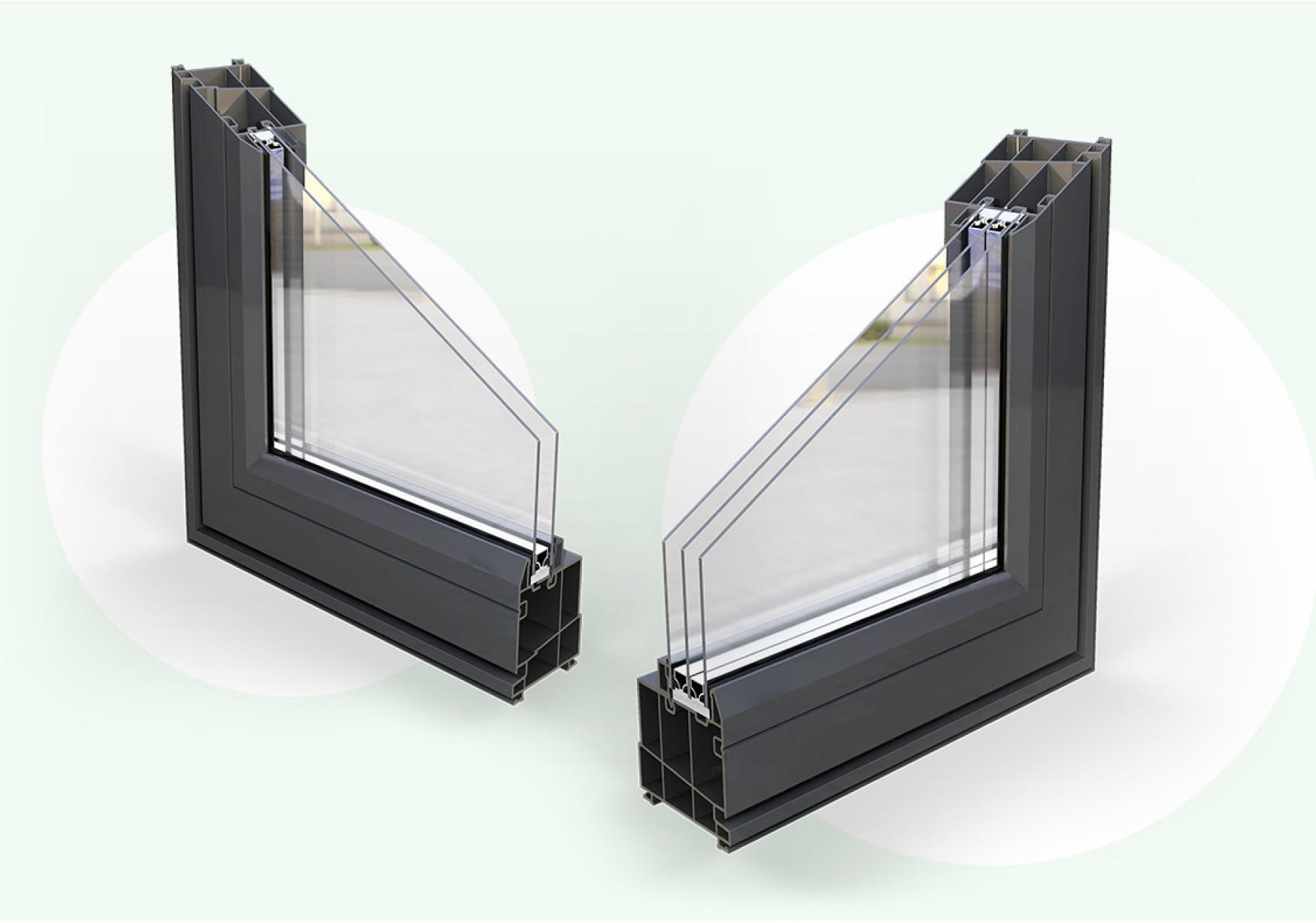
Explore energy-efficient windows for garden lovers. Learn how vinyl windows save energy, protect plants, and enhance your home’s indoor-outdoor harmony.
Indoor Vegetable Gardening: Tips for Healthy, Sustainable Home Gardens
Posted in Gardening, Sustainability on Oct 22, 2025
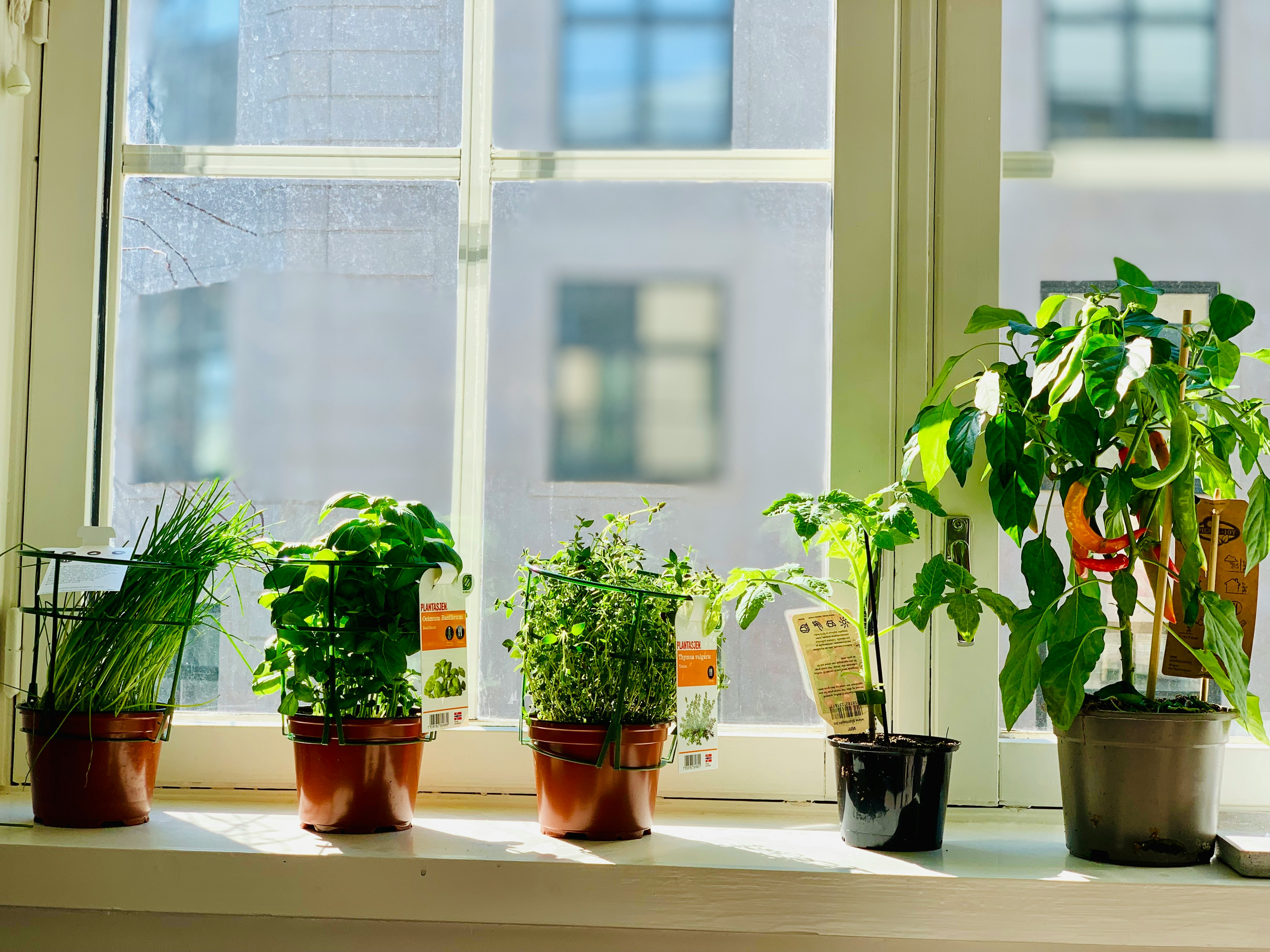
Growing your own vegetables indoors is more than a hobby; it’s an act of sustainability, creativity, and nourishment. Even in small apartments or spaces with limited light, anyone can grow fresh herbs, leafy greens, and compact vegetables right at home.
From Your Backyard to the World: Making Waste Management a Key to a Sustainable Life
Posted in Sustainability on Oct 21, 2025
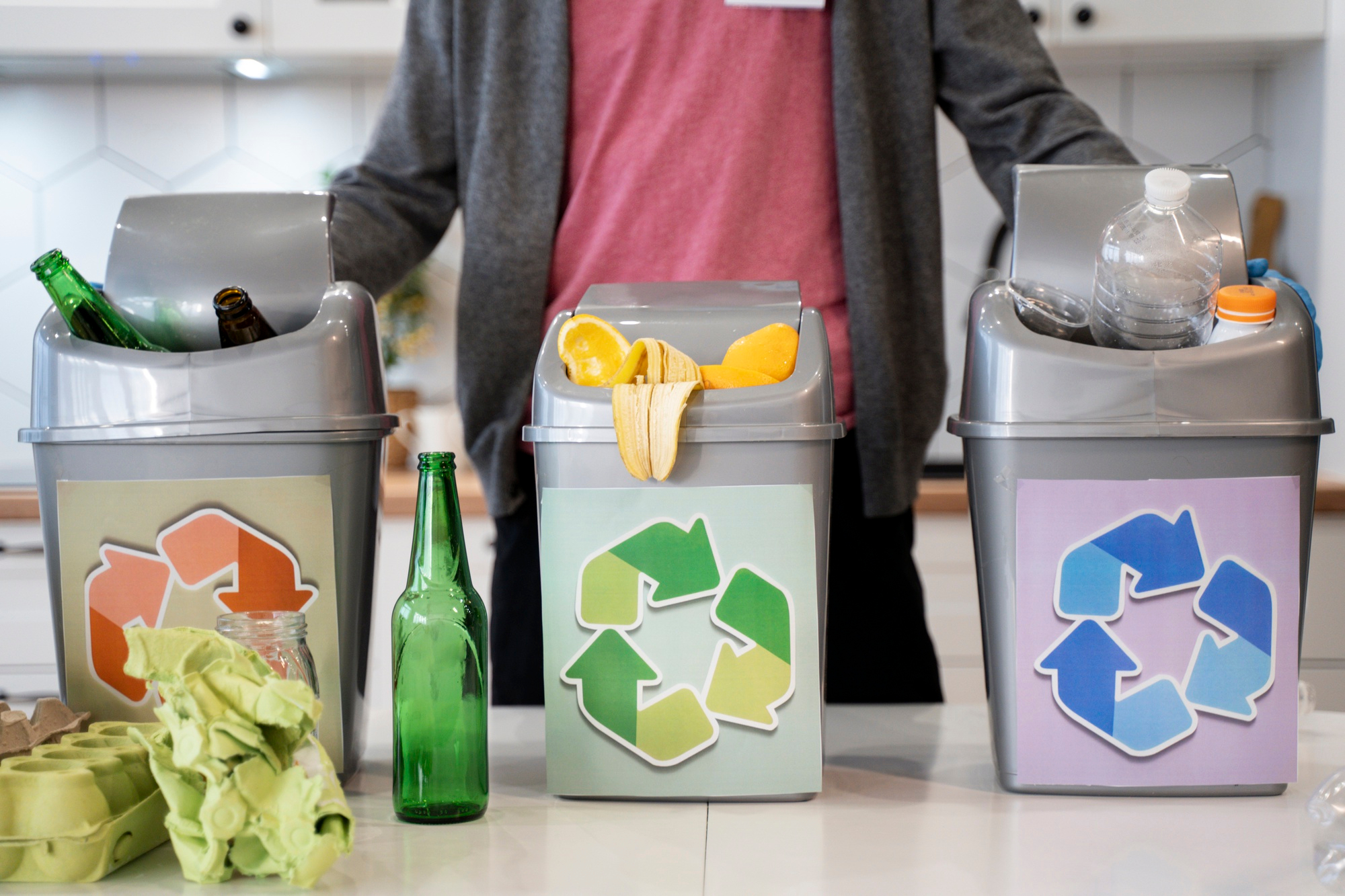
When you think about living sustainably, things like gardens, compost, and solar panels probably come to mind. But there's something else that's super important but often missed: how we deal with our trash. It doesn't matter if it's old fertilizer or chemicals from a clinic - how we get rid of stuff affects our soil, water, and air. For a while now, being sustainable has gone way past just our homes. Towns and businesses are using better trash management to keep nature safe and cut down on pollution.
Why Eco-Friendly Home Investments Can Save You Money In The Long Run
Posted in Homeowners, Sustainability on Aug 26, 2025
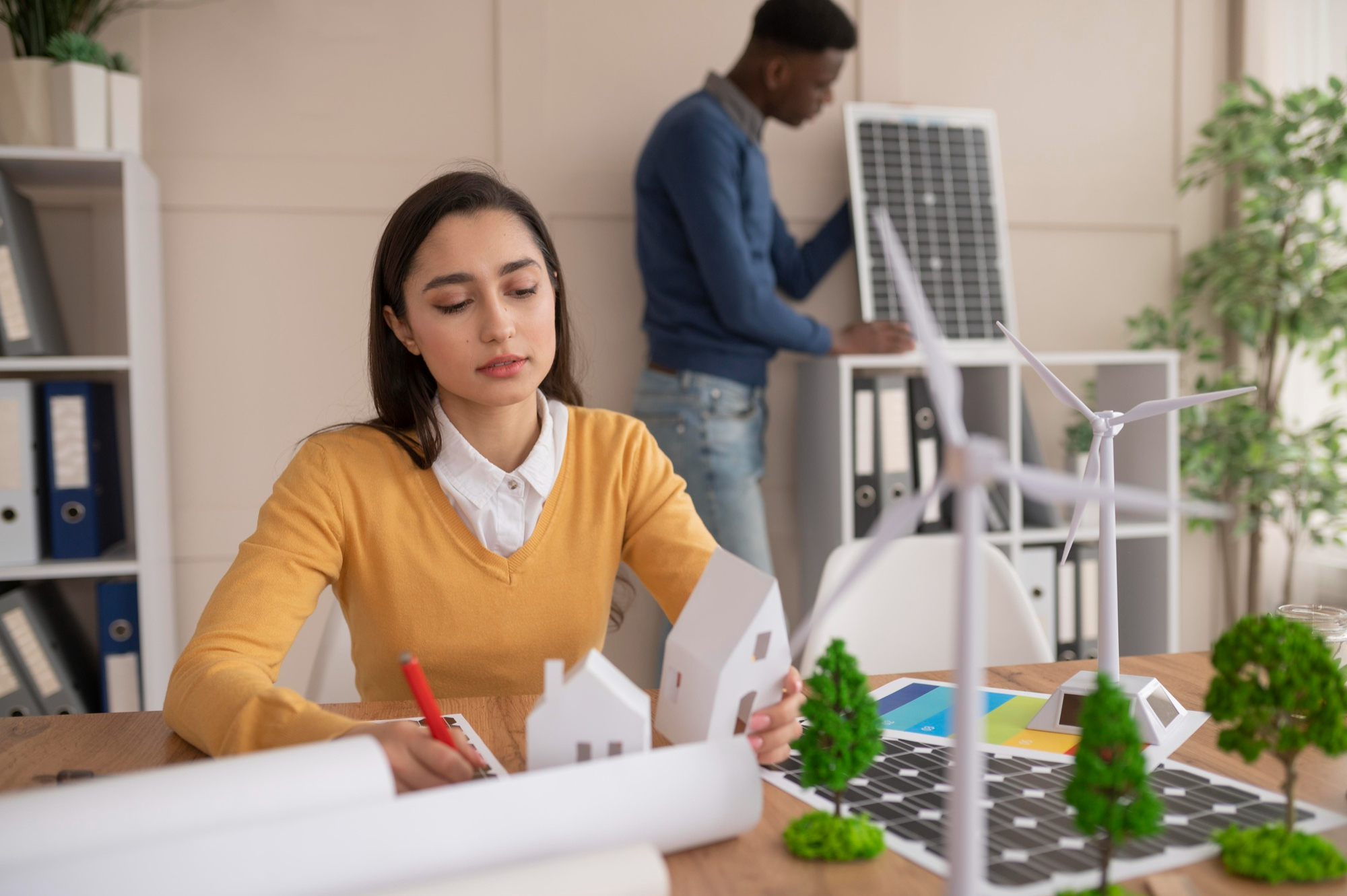
Energy efficiency and sustainability are no longer just environmental buzzwords. They are smart financial strategies for homeowners. Making eco-friendly investments in your home can not only reduce your carbon footprint but also save you significant money over time. While some upgrades may seem costly initially, the long-term benefits often outweigh the upfront expenses.
Green Landscaping Engineering: Crafting Vibrant Outdoor Spaces
Posted in Homeowners, Sustainability on Jul 29, 2025

Picture stepping into a garden where every corner hums with life, yet the water meter barely moves and the grounds crew spends more time admiring than mowing. That harmony is no accident—it’s the result of green landscaping engineering.
Sustainable Landscaping in Charleston: Eco-Friendly Ways to Manage Green Waste
Posted in Gardening, Sustainability on Mar 04, 2025
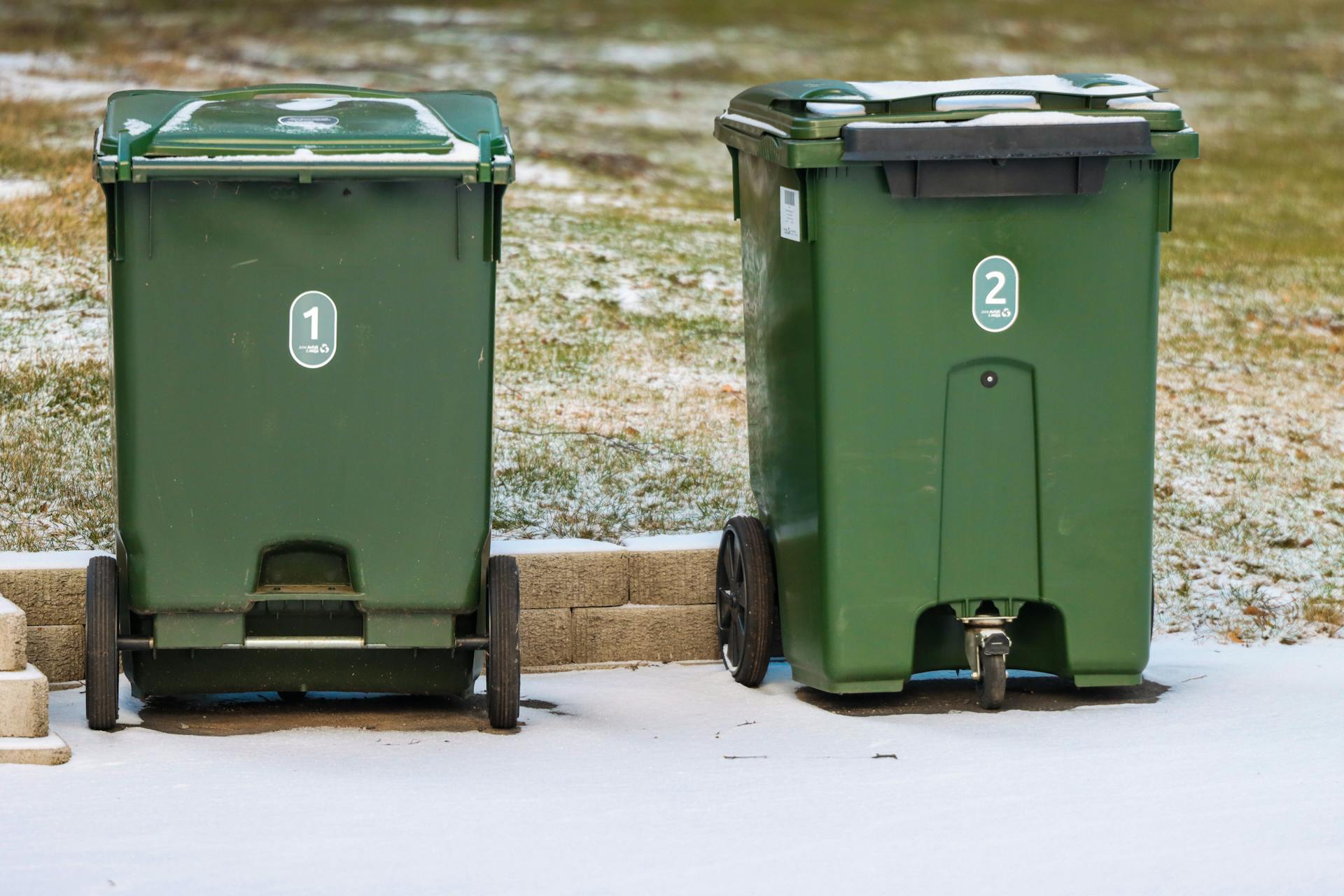
Charleston’s natural beauty is a point of pride for residents, with its lush gardens, historic charm, and coastal greenery defining the landscape. However, maintaining a thriving outdoor space comes with the challenge of managing green waste responsibly. Grass clippings, fallen leaves, tree branches, and plant trimmings can quickly pile up, leading many homeowners to seek eco-friendly solutions
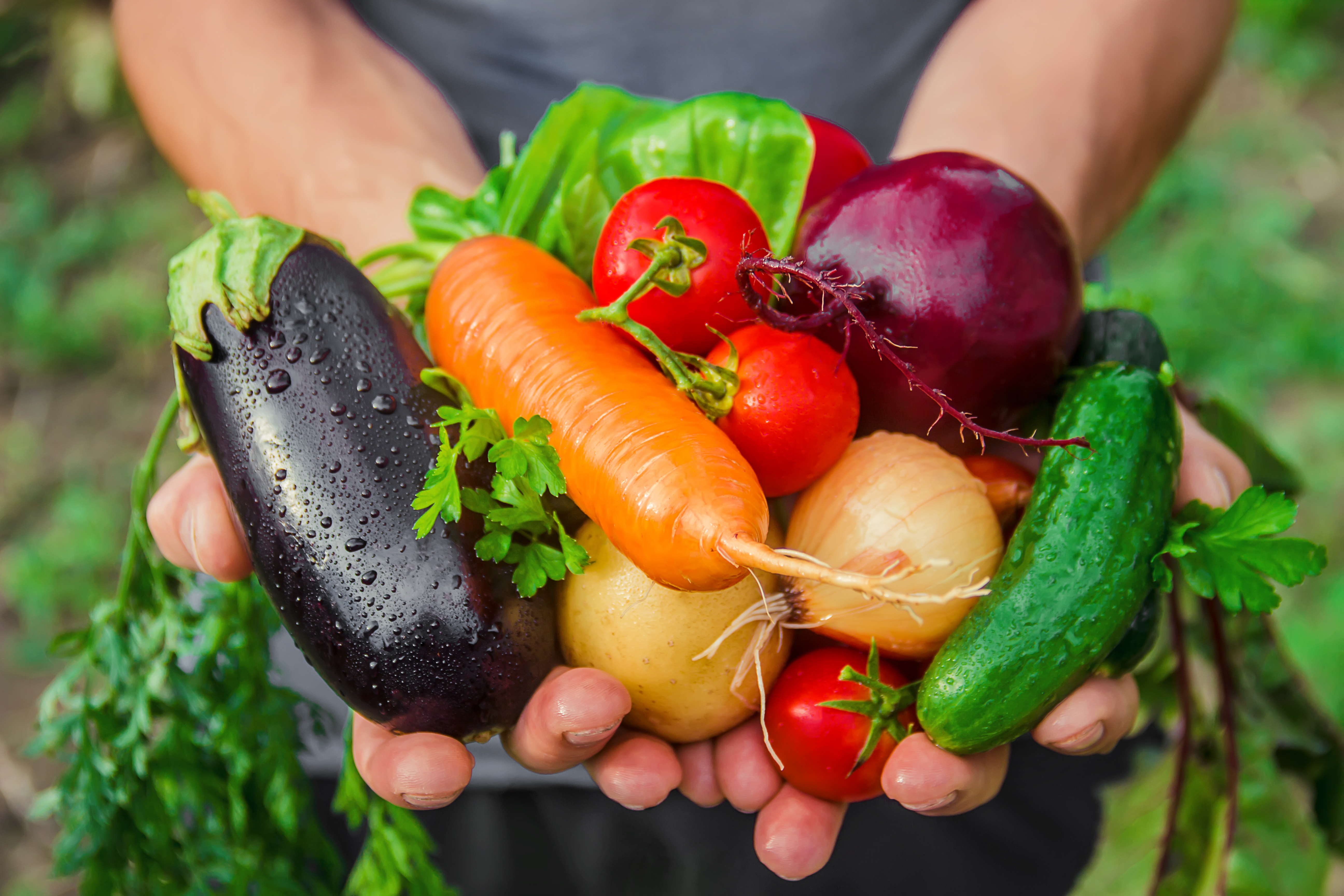
Across the country, a shift is happening. More people are planting gardens, raising chickens, and finding ways to grow their own food. This movement goes beyond gardening—it’s about health, sustainability, and rebuilding connections with our food and neighbors.