Farming
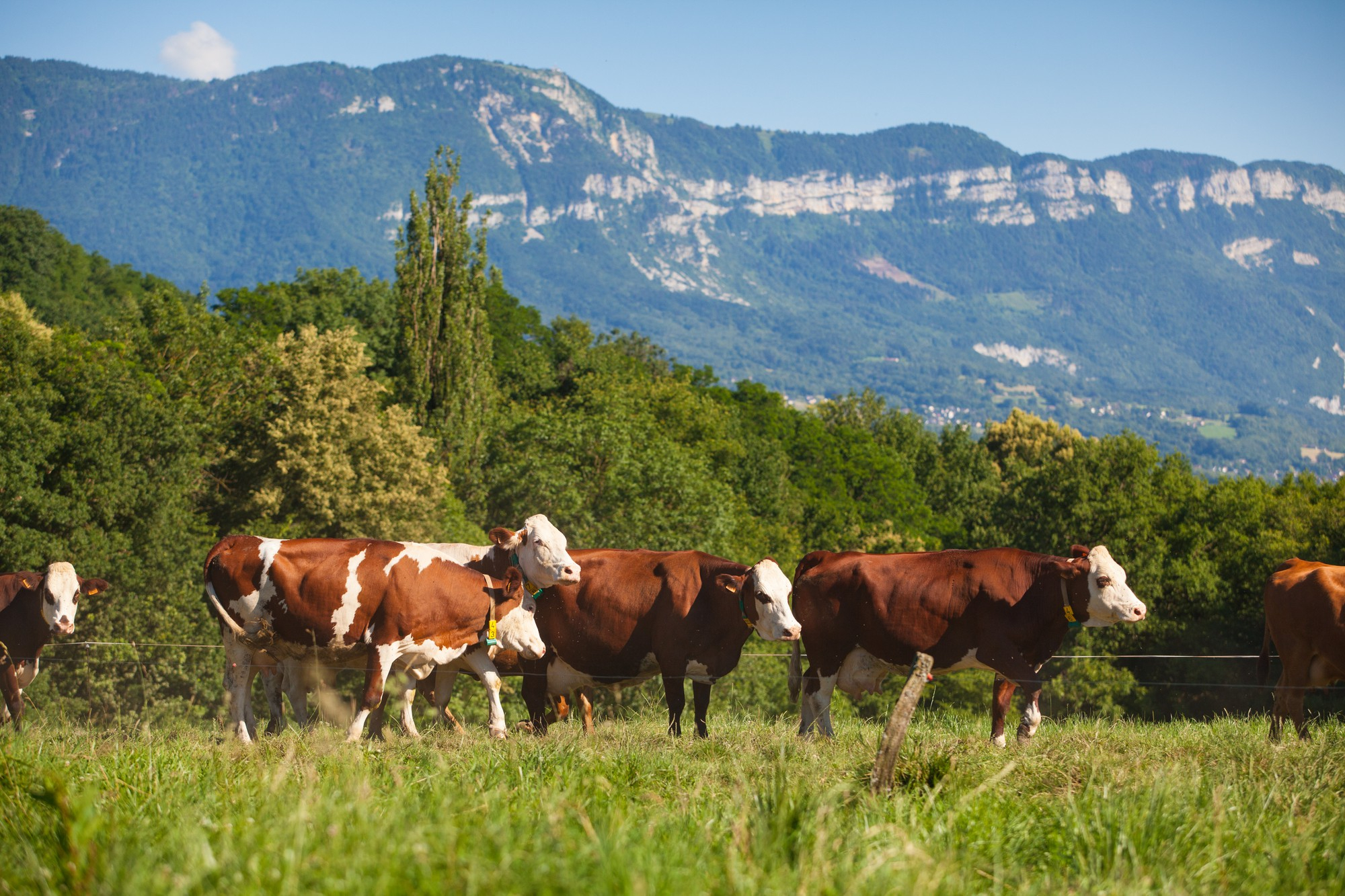
Working cattle has never been a job where you want to discover that your equipment is "probably strong enough." A mature cow can weigh well over half a ton, and cattle have an impressive ability to find the one weak gate, awkward corner, or poorly placed latch in your setup. That is why good equipment matters. A company such as 4 Rivers Ranch specializes in manufacturing and supplying durable, galvanized-steel cattle handling equipment designed around heavy-duty use and one-person operation. Their approach is aimed at helping ranchers across the country improve safety and efficiency while reducing the amount of manpower needed to work cattle. In other words, the equipment is supposed to do more of the work so you don't have to.
The Know-Your-Farmer Movement in Beef: What Suburban Families Are Doing
Posted in Farming on Aug 04, 2026
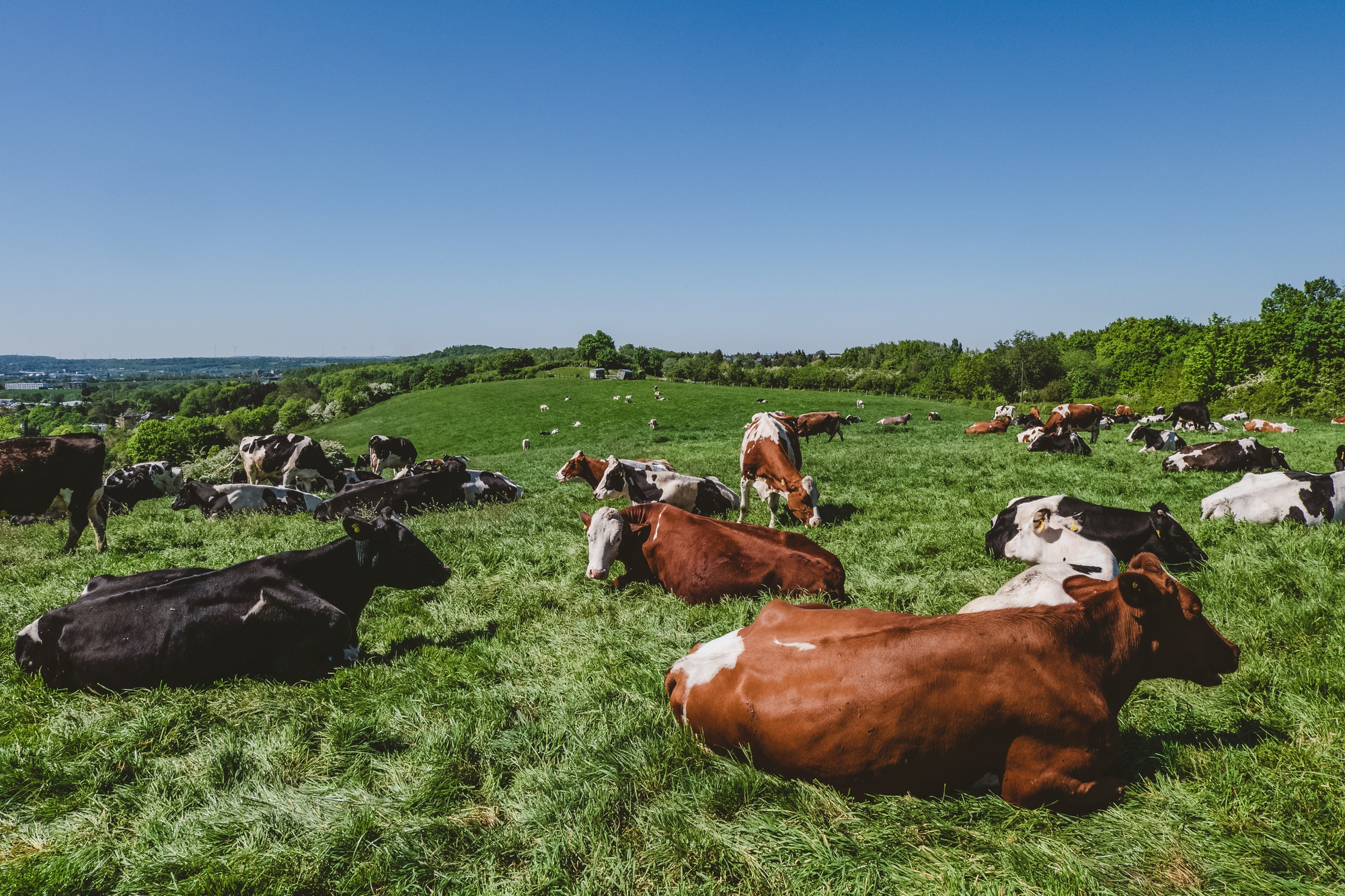
The know-your-farmer movement started with vegetables. Farmers markets, CSA subscriptions, backyard gardens, community-supported agriculture cooperatives. For most of the last two decades, when people talked about knowing where their food came from, they were talking about produce. That focus made sense. Vegetables were the most accessible entry point. You could grow them in your own yard. You could meet the person who grew them at a Saturday market. You could visit the farm on a weekend tour.
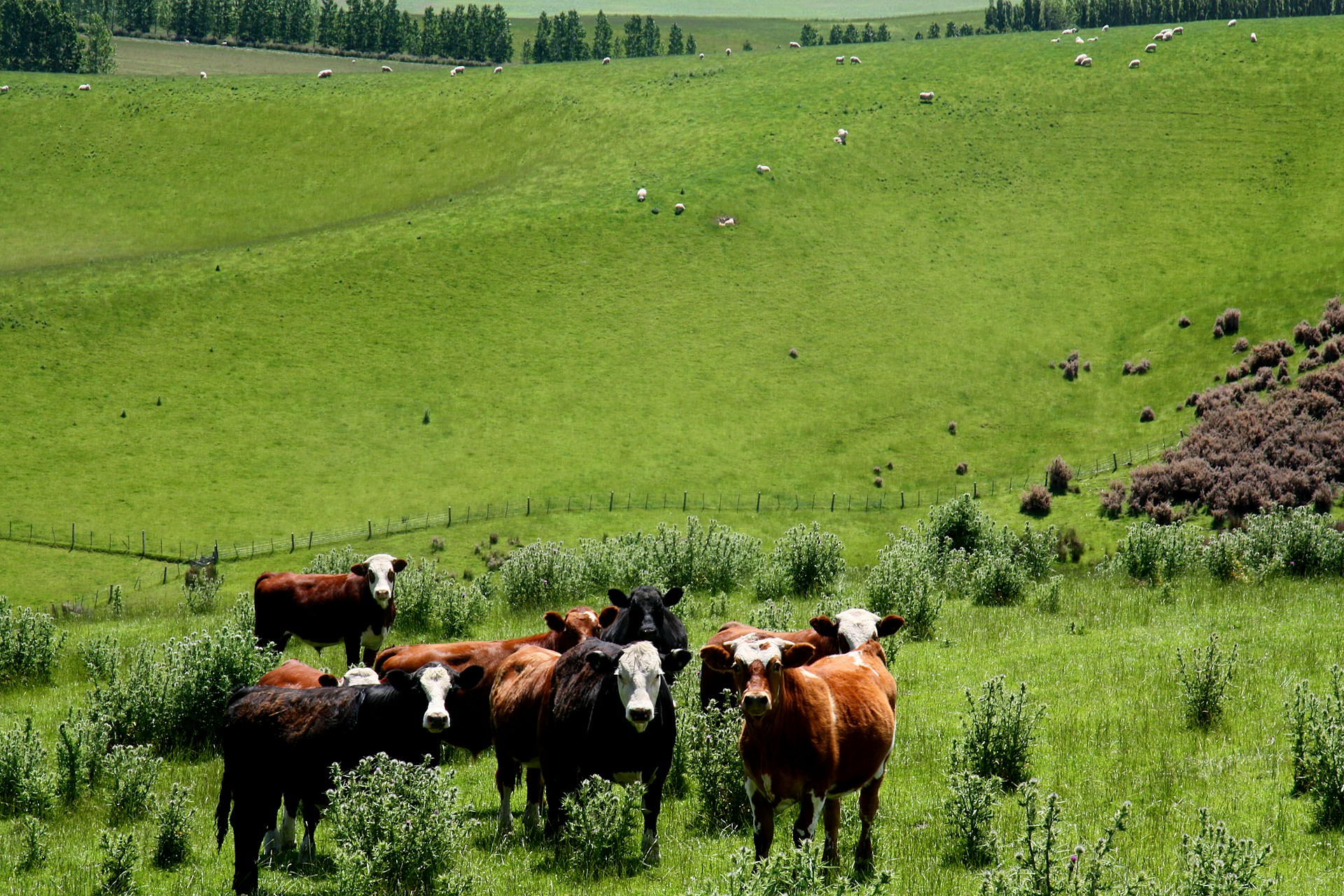
Running a farm means you're always juggling a ton of tasks, but keeping your livestock safely where they belong is right up there with the most important. It's not just about stopping animals from wandering off; it's really about keeping your family, your team, visitors, and the animals themselves safe. Strong livestock management is also one of the many ways to encourage growth on your farm because it protects your investment and supports more efficient daily operations. A good containment plan stops expensive accidents, protects what you've invested, and makes your farm run smoother with less stress.
A lot of small growers often find themselves with pockets of land that don’t quite fit into their plans. Those slopes, awkward corners, and pockets of poor soil don’t have to go unused, however. In fact, marginal land can be uniquely helpful for certain things. Here, we’re going to look at a few ways you can make better use of it, to avoid feeling like you’re letting valuable space go to waste.
How Small Growers Can Learn From Large-Scale Agriculture
Posted in Farming, Gardening on Oct 14, 2025
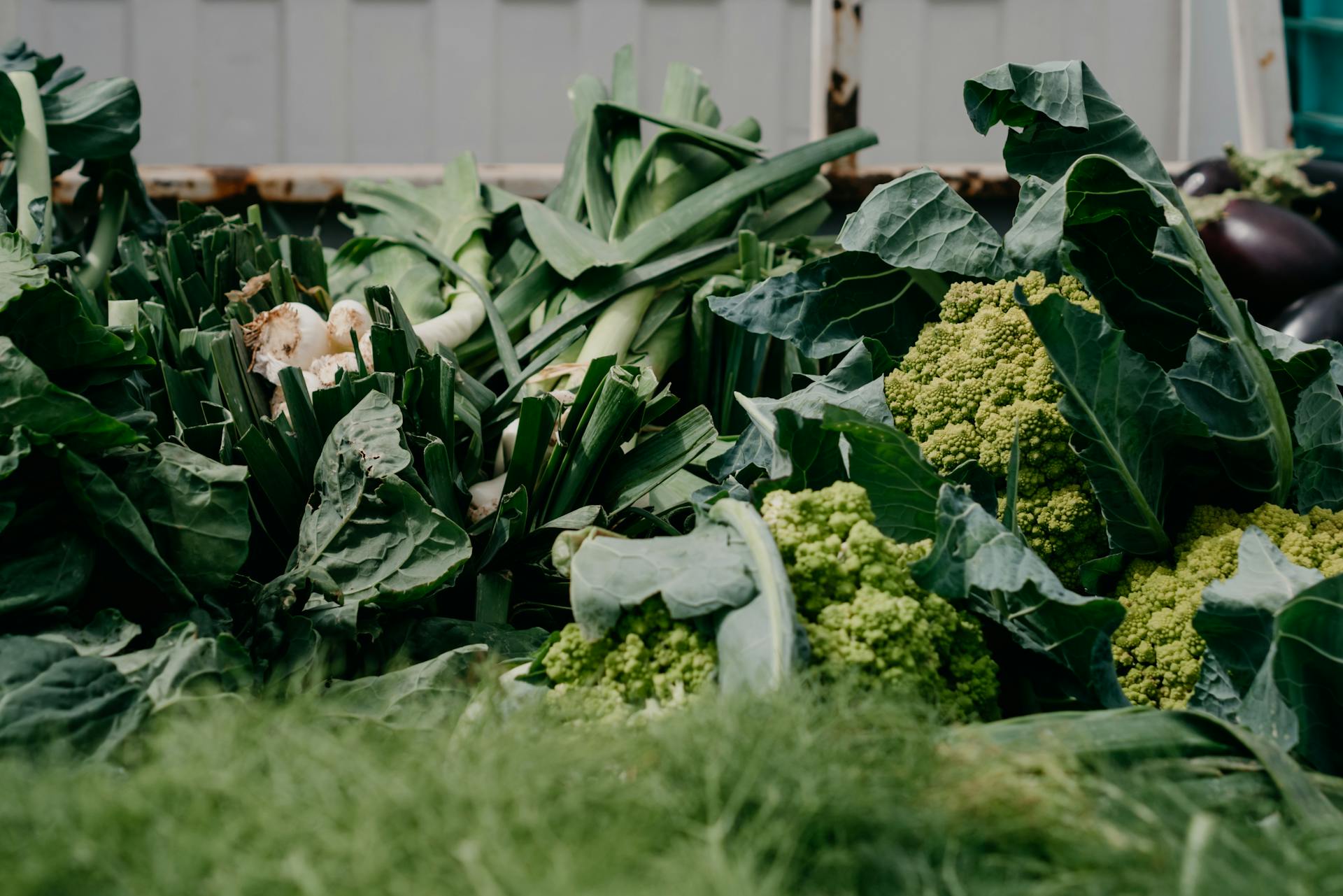
Big farms and backyard plots might seem like they are totally different things, but the reality is they are not actually miles apart. They run on the same basics, soil, timing, and patience. The difference really is the size, not the spirit. Farmers plan for seasons. Gardeners plan for the weekend, but both are ultimately chasing the same results: strong plants, healthy, and a good harvest at the end of it all. But how can backyard gardeners learn from the big guys? A lot, actually, because any of the principles and activities can translate well to a backyard if you know how to do it.
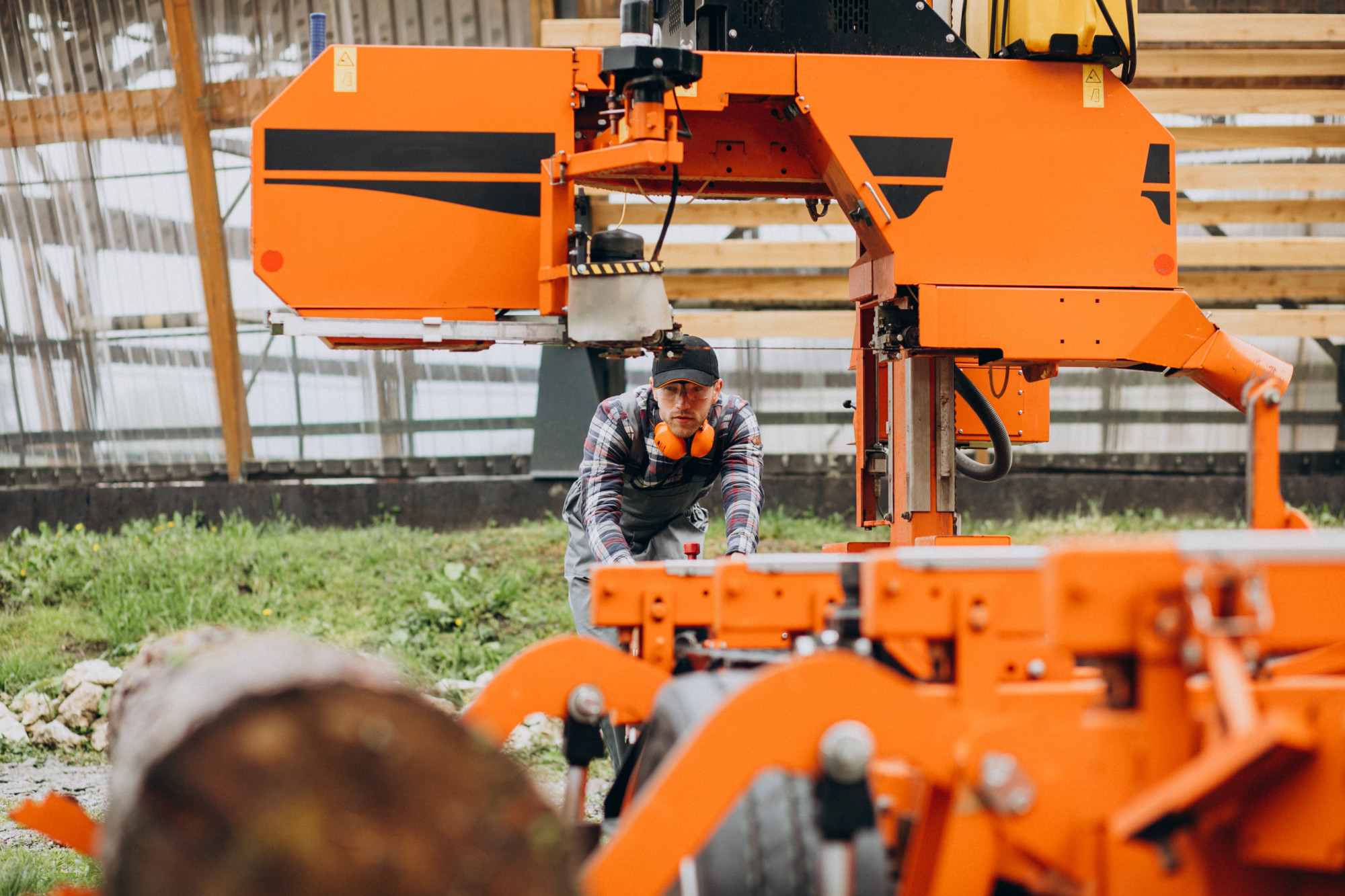
Ever notice how your tractor’s loader pops hay bales like they’re marshmallows—until one frosty morning when it suddenly moves like it’s had too many pancakes? That quiet, get-it-done power behind every lift, steer, clamp, and spin is your hydraulic system: a network of pumps, valves, hoses, and cylinders that turns engine power into muscle. Think of it like a garden hose with biceps—water (fluid) is pushed through the hose (lines), and where the pressure meets a nozzle (valve/cylinder), work happens. Simple idea, serious oomph.
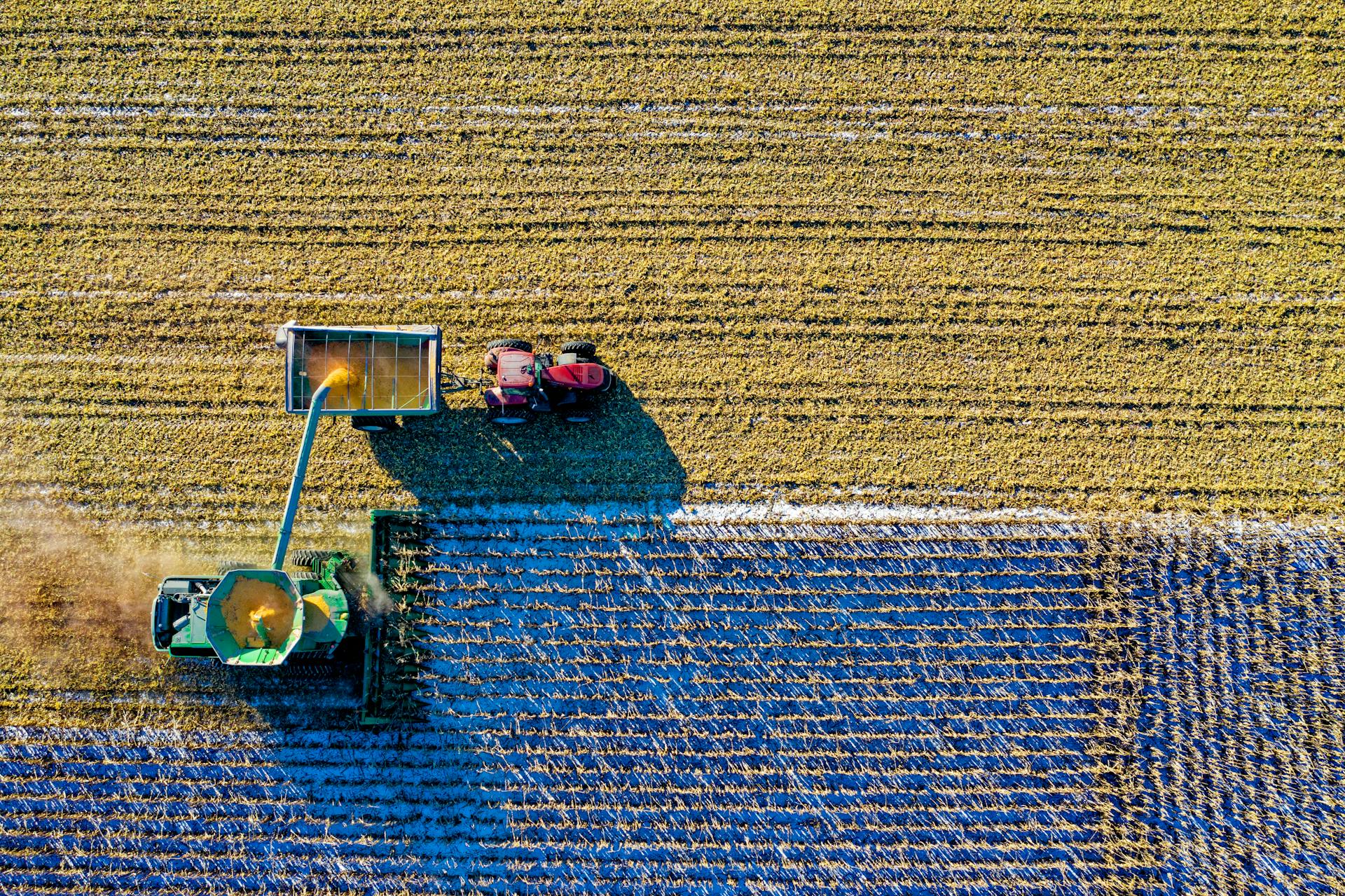
Every farmer knows that growth is about more than just planting and waiting. It's about creating the right conditions for crops, soil, and even your farm as a whole so that it can thrive season after season. Whether you're running a small family operation or you're managing a larger agricultural business, the key to long term success lies in consistent and healthy growth. At the core of every successful harvest are high quality seeds, but seeds alone can't do all the work for you. Growth on your farm is about systems, care, timing, and innovation. So let's take a look at some practical ways that you can encourage sustainable growth on your farm, no matter its size.
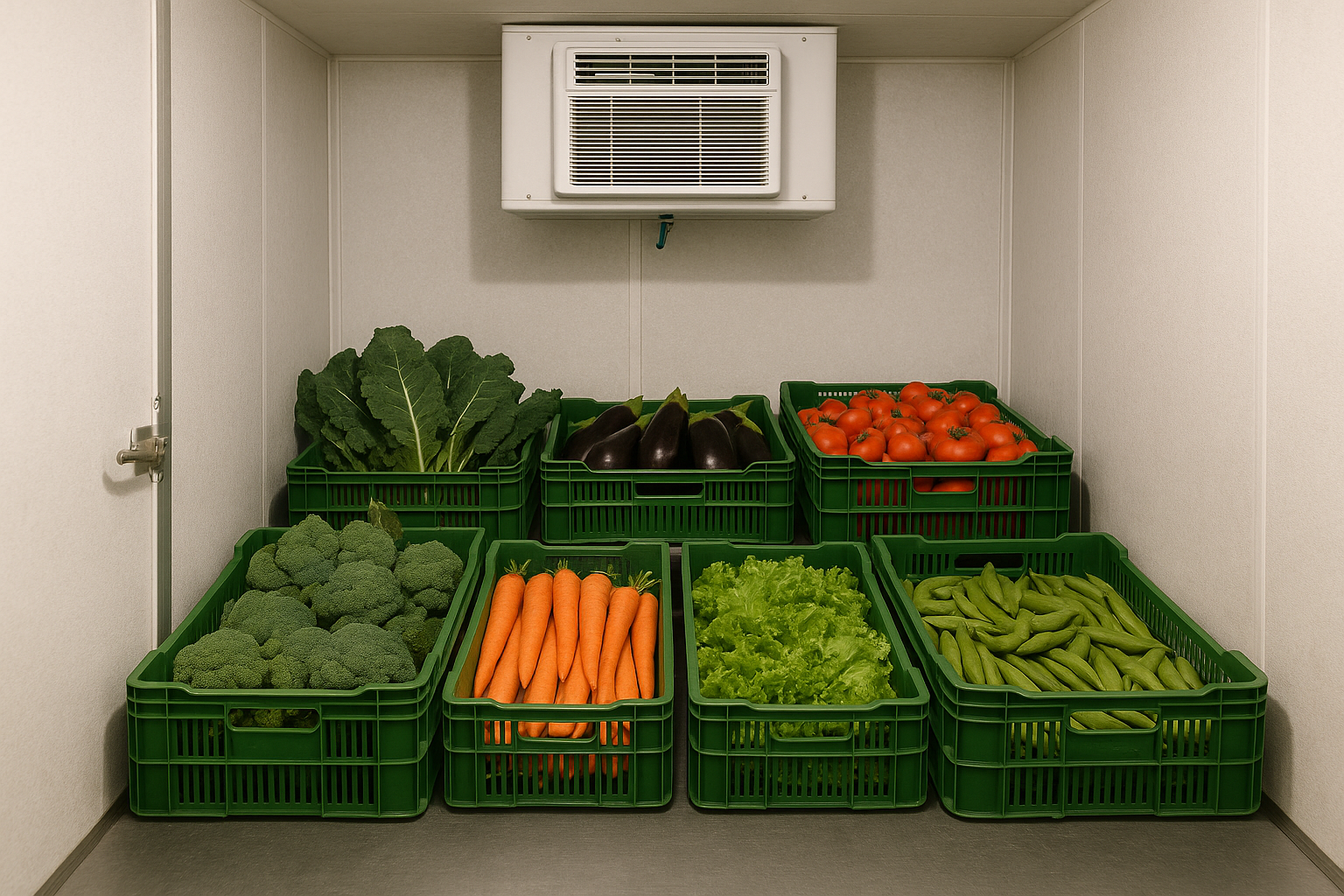
When you spend months tending crops, the last thing you want is to see your hard-earned harvest wilt before it reaches the customer. Freshness isn’t just about looks. It’s about flavor, nutrition, and trust. Shoppers at a farmers’ market expect produce that feels like it just came out of the soil that morning. CSA members look forward to crisp greens, sweet carrots, and berries that still taste like sunshine. As a market gardener, you know the battle doesn’t end at harvest. It continues in the way you cool, store, and move your produce.
How CHCNAV’s Professional GNSS Equipment and Machine Control Systems Are Changing the Way We Work the Land
Posted in Farming on Jul 21, 2025

Imagine your grandpa walking out to the garden with a shovel in one hand and instinct in the other. He squints at the sky, pokes a finger into the soil, nods solemnly, and says, “Yup, it’s tomato time.” That was the original crop sensor. Fast forward to today, and the way we manage land — whether it's a hundred-acre farm, a bustling construction site, or a cozy urban garden — has evolved faster than you can say "photosynthesis." Now we’ve got satellites, lasers, and precision instruments that can measure down to the centimeter. And no, this isn’t sci-fi or a Pixar movie about vegetables — it’s real tech, and it’s changing the game.
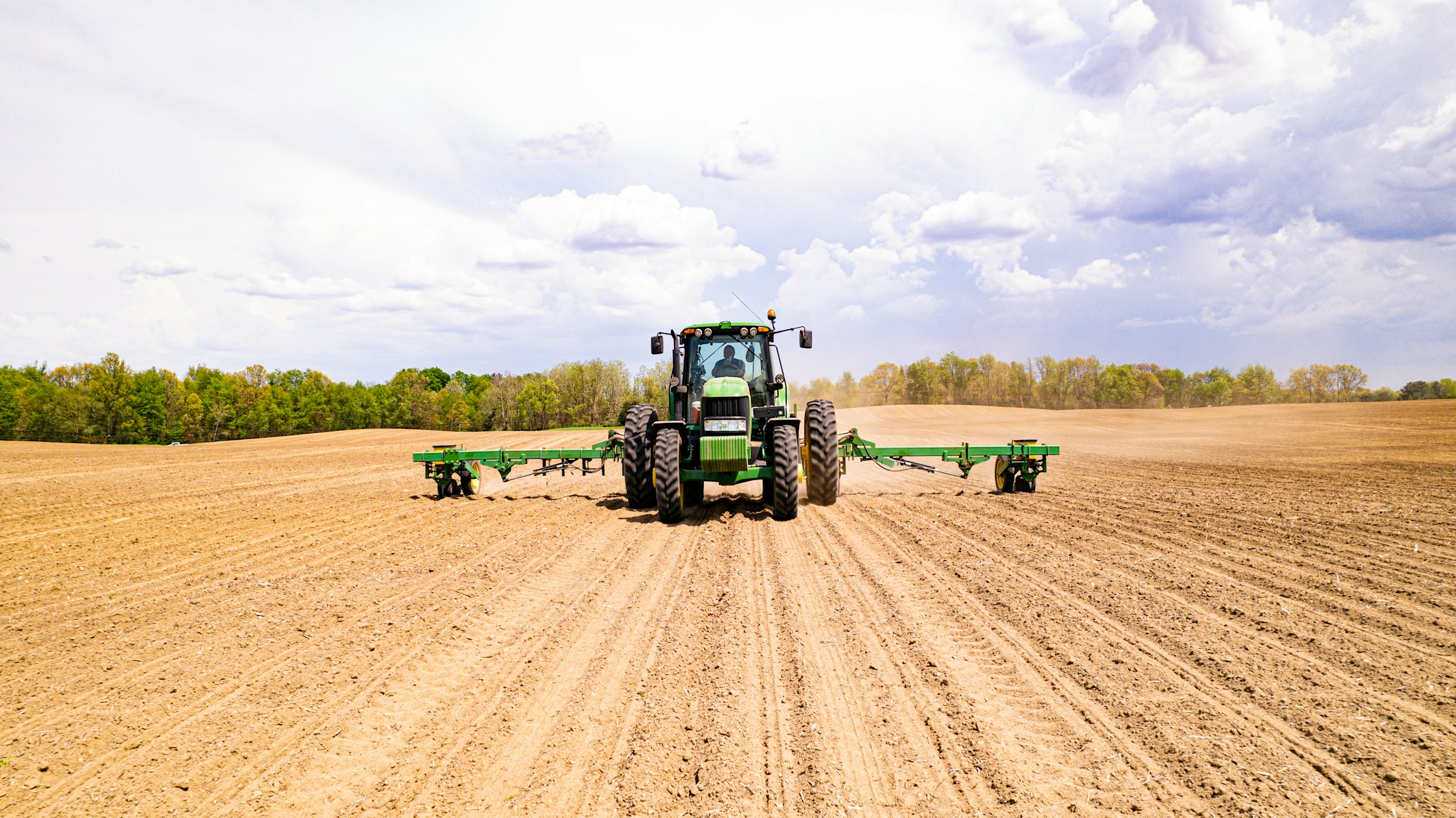
Farming has long been one of the foundational professions of humanity, helping civilisations survive for millennia. However, as society changes, so too do farming methods. From pastoral landscapes to high-tech urban gardens, agriculture showcases our ingenuity and adaptability in unique ways. If you have ever been curious as to what differentiates one form of agriculture from another, then this blog will look into some of these methods.