A shared backyard can produce a surprising amount of food when everyone agrees on how the space, water and weekly work will be handled. The arrangement might involve neighbors, a homeowner and a grower or several households using one large lot. Whatever the setup, successful backyard farming depends on clear expectations more than gardening experience.
New growers can build basic skills through resources such as the beginning farmer guide from Michigan State University Extension. Start with a small growing area, learn how the site behaves through one season and expand only when the group has a routine that works.
Image Credit: Unsplash
Define Clear Land-Sharing Boundaries
Walk the backyard together and decide exactly which areas are included. Mark growing beds, paths, storage spots and compost areas on a simple sketch. Include fixed features such as sheds, trees, fences and utility access points. A plot that looks open in early spring may receive heavy shade once nearby trees leaf out, so watch the sunlight for several days before assigning crops.
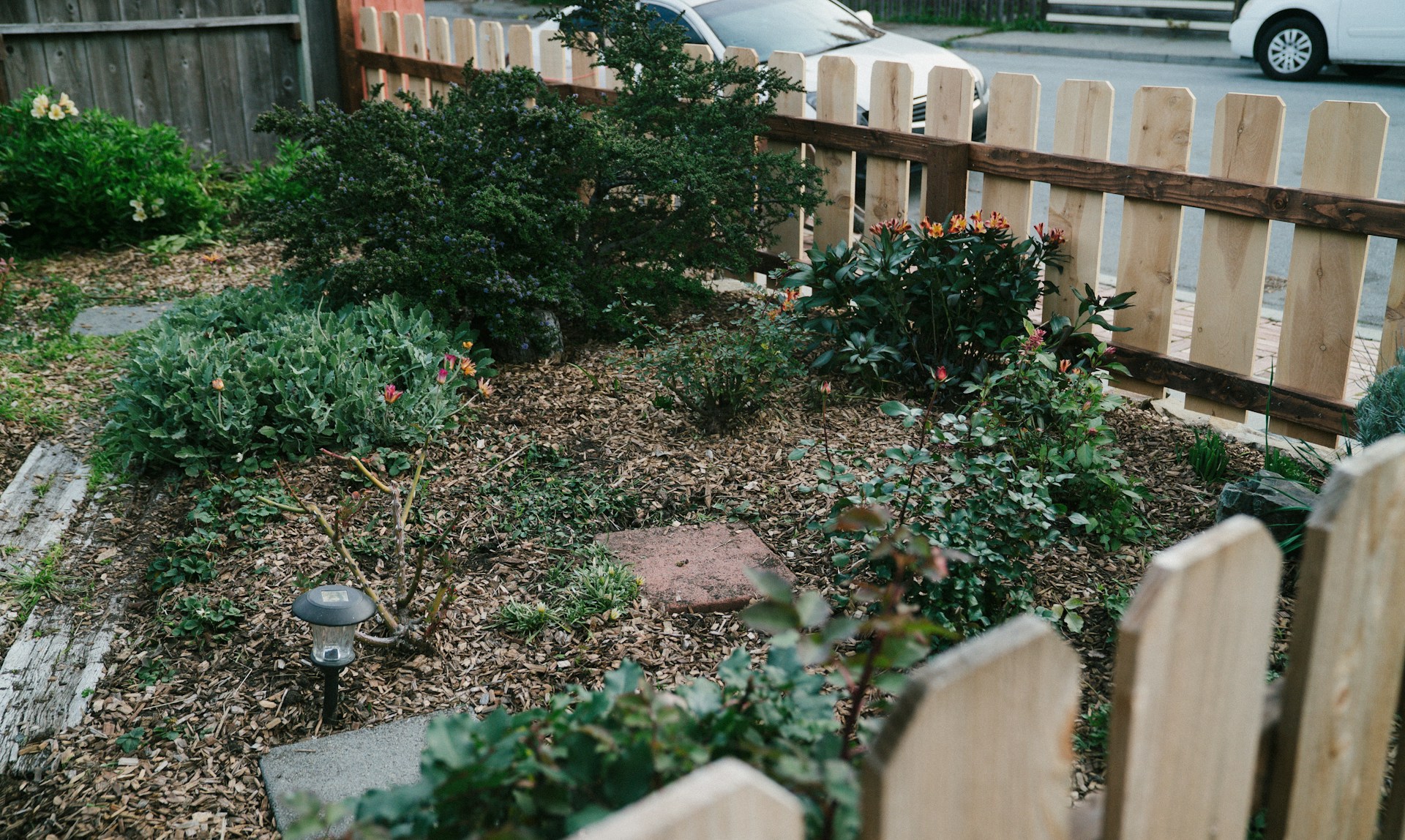
Physical markers prevent everyday confusion. Low edging, labeled stakes or mulched paths can show where one plot ends and another begins. Leave paths at least 30 inches wide where possible, giving people enough room to carry baskets or move a small garden cart without stepping into a bed. The full-sun backyard example offers a useful reference for assessing open growing space alongside wooded boundaries.
Write down who may enter the garden, when access is allowed and where tools should be returned. The agreement should also cover pets, guests, compost ingredients and changes to existing plants. Garden-sharing advice can help a new group identify practical issues before the first planting day.
Keep the first season manageable. Two or three shared beds will reveal how well the arrangement works without turning the whole yard into a source of disagreement. Review the boundaries after harvest and record any changes on the site sketch.
Manage Shared Water Meters Efficiently
Agree on a water budget before planting. If the backyard uses a household meter, record its reading before the growing season and establish how the gardening portion of the bill will be calculated. A separate hose meter can measure outdoor use directly. If that’s not possible, compare bills with the same months from the previous year while accounting for other changes in household use.
Choose a fair payment method that everyone can understand. Equal shares may work when plots have similar dimensions and crops. A grower with twice as much space or several water-hungry beds may need to pay a larger portion. Record meter readings on the same date each month and place the numbers in a shared notebook or spreadsheet.
Watering equipment also affects the total. A hose left running for 20 minutes can deliver far more water than a slow drip line aimed at plant roots. Gardeners who want to compare timers, moisture-based controls and drip options can review automatic watering systems before selecting equipment for their home plots. Check that every participant knows how to shut the system off if a connector breaks.
Inspect hoses and fittings each week. Look for damp patches near connections, spraying pinholes and emitters that continue dripping after the supply closes. Fixing a small leak promptly protects the garden’s budget and keeps paths from becoming muddy. During unusually wet weeks, pause the schedule and note the change in the water log.
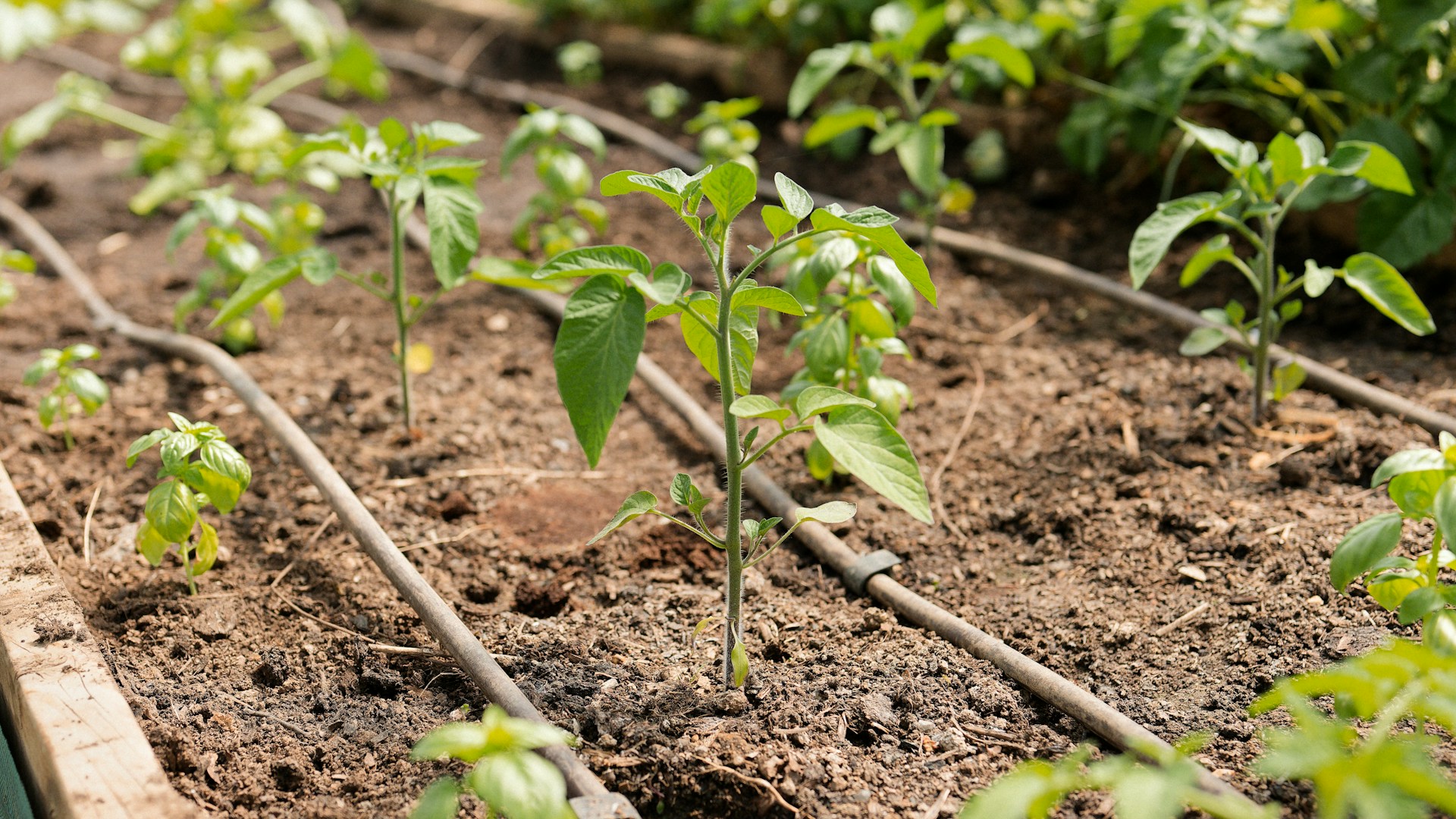
Image Credit: Unsplash
Adopt Automatic Watering to Save Resources
Set up irrigation according to plant needs instead of giving every bed the same schedule. Newly seeded rows need light, frequent moisture near the surface. Established tomatoes, peppers and squash generally benefit from slower watering that reaches deeper roots. Grouping crops with similar requirements makes one shared system easier to manage.
Drip tubing or soaker hoses can deliver water close to the soil, where plants can use it. Cover the bed with two to three inches of clean organic mulch to slow evaporation and reduce soil splashing. Keep mulch a small distance from stems so the base of each plant stays visible during routine checks.
A timer creates consistency, but it still needs supervision. Start with two or three early-morning sessions per week, then adjust for soil texture, temperature and rainfall. Sandy soil drains quickly and may need shorter sessions more often. Clay-rich soil absorbs water slowly, so a long cycle may cause runoff. Push a finger several inches into the soil or use a hand trowel to check moisture before changing the schedule.
Assign one person to review the setup each week. That person can clean clogged emitters, check battery levels and confirm that water reaches the ends of all lines. Rotate this job monthly so the whole group understands the system.
Shared growers may also borrow ideas from permaculture resources, including crop diversity, mulching and working with the site’s natural conditions. At a wider scale, discussions of land sharing approaches show how food production and other land uses can occupy the same area. In a backyard, that principle can translate into preserving a sitting area, pollinator plants and access paths alongside productive beds.
Plan a Clean Harvesting Routine
Set harvest expectations while the plants are still young. Decide which crops belong to individual growers and which ones will be divided among the group. Label beds clearly and keep a planting list with the crop name, variety and approximate harvest window. This avoids confusion when several tomato plants or leafy greens mature at once.
Choose regular harvest times, such as Tuesday and Saturday mornings. Frequent picking helps keep beans, cucumbers and summer squash productive. It also reduces the chance that ripe produce will spoil while everyone assumes someone else plans to collect it. If a gardener will be away, they should tell the group who may harvest their plot.
Use clean containers that are reserved for produce. Wash hands before picking and remove visibly damaged items from sound produce. Pruning shears and knives should be cleaned after use, then dried before storage. Place harvested food in the shade promptly since leafy greens can wilt quickly in direct sun.
Set up a simple wash station only if the property has a suitable location with good drainage. Use clean water and avoid letting muddy runoff flow back into growing beds. Some crops, including tomatoes and berries, often keep better when picked dry and washed shortly before eating. Brush loose soil from potatoes and onions, then cure or store them according to the crop’s needs.
Create a plan for surplus as well. Extra produce can be divided, shared with neighbors or directed to a local food organization that confirms it accepts garden donations. Record approximate harvest amounts each week. Those notes will show which crops earned their space and how much the group should plant next season.
A shared backyard works best when its systems remain easy to see and follow. Keep the plot map, water log and harvest schedule in one weather-protected spot. When everyone can check the same information, the garden has a better chance of staying productive through the final harvest.