The know-your-farmer movement started with vegetables. Farmers markets, CSA subscriptions, backyard gardens, community-supported agriculture cooperatives. For most of the last two decades, when people talked about knowing where their food came from, they were talking about produce. That focus made sense. Vegetables were the most accessible entry point. You could grow them in your own yard. You could meet the person who grew them at a Saturday market. You could visit the farm on a weekend tour.
Beef was harder. Beef came from somewhere, but that somewhere was usually invisible. Grocery-store ground beef was shrink-wrapped in trays without any information about the ranch, the region, or the animal. Even people who cared deeply about food sourcing often gave up on beef because the system seemed impossible to penetrate.
That's changed dramatically in the last decade. Suburban families who care about where their food comes from have started applying the same logic they use for vegetables to beef, and a whole ecosystem has grown up to support them. The know-your-farmer movement in beef looks different from the produce version, but it's just as real, and it's growing quickly.
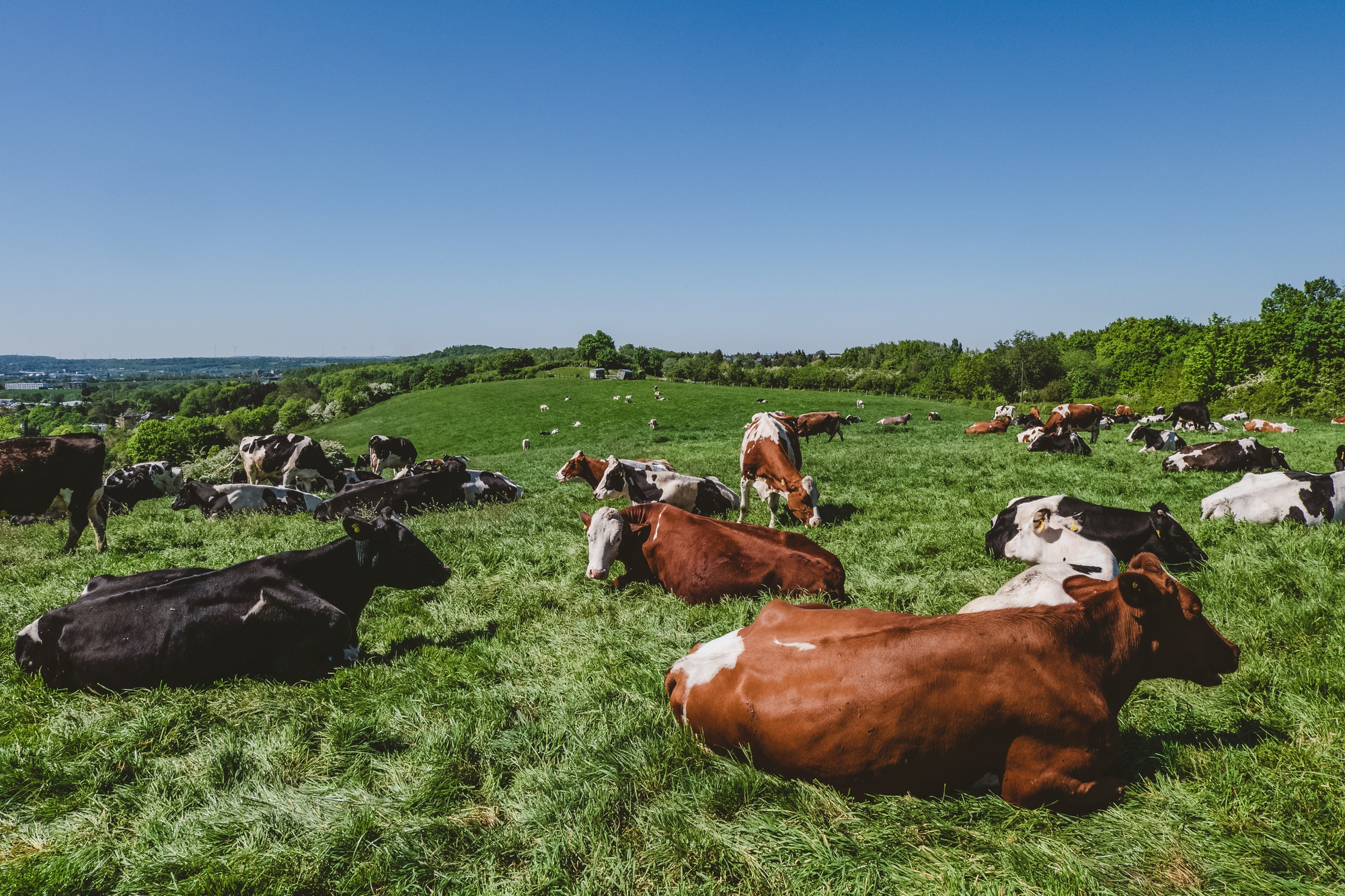
The starting point for most families is realizing that ranch-direct beef is even an option. This is a bigger mental shift than it sounds. For decades, buying beef meant going to the grocery store or, at most, visiting a specialty butcher. The idea that you could buy beef directly from a ranch, delivered to your door on a schedule, was outside the frame of reference for most Americans. Once families discover that this is possible, the next question is which ranches are worth buying from.
The answer usually involves reading, research, and word-of-mouth from other families who've made the switch. Families interested in ranch-direct beef spend real time investigating operations, looking at their websites, reading customer accounts, and asking questions in online communities. The ranches that win these customers tend to share a few traits. They're transparent about their genetics program, their finishing practices, and their processing arrangements. They have real photos of their operations rather than stock imagery. They've been operating long enough to have a track record that customers can verify.
Communities where families share their experiences with specific ranches are a huge part of how this movement grows. The Riverbend Ranch Steaks page and similar pages for other ranches are full of families posting photos of their orders, discussing specific cuts, sharing cooking techniques, and asking questions. New buyers often lurk in these communities for weeks before placing their first order, using the ongoing conversation to develop confidence in what they're buying and how to make the most of it.
Why families make the switch
The reasons families give for switching to ranch-direct beef are surprisingly consistent. The top reason is quality. Once you've cooked ranch-direct beef from a serious genetics program alongside grocery-store beef from a commodity supply chain, the difference is hard to un-notice. The flavor is richer, the texture is more consistent, and the cooking experience is more predictable. Families that value cooking as part of their household culture often say the quality difference is what tipped them into making the switch.
The second reason is knowing the source. Suburban families who have been paying attention to food-system questions for years often want to close the loop on their meat sourcing the same way they closed it on their produce. Buying from a specific ranch, with a specific herd, in a specific region, delivers the same kind of information about the meat that a farmers-market vegetable delivers about the produce. Some families visit the ranches they buy from. Most don't, but they know they could, and that transparency matters even when it isn't exercised.
The third reason is health-related. Not because ranch-direct beef is inherently healthier than grocery beef in any absolute sense, but because families that pay attention to sourcing tend to prefer knowing what their beef was fed, how it was handled, and what its life looked like. A grass-influenced program or a controlled-feed program is knowable at a ranch level in a way it just isn't in commodity supply. For families making health-conscious decisions, that knowability is worth real money.
The fourth reason is the ability to buy across the whole animal. Families that buy quarter-cows or half-cows end up with a range of cuts, including some they wouldn't have bought at the grocery store. Suddenly they're eating brisket, short ribs, chuck roasts, and hangar steaks along with the familiar ground beef and ribeyes. The variety changes how families cook and eat, often in ways they didn't expect.
The trust piece
Getting to the point of buying beef from a ranch you've never visited requires trust, and building trust is one of the biggest parts of the whole ranch-direct movement. Families use multiple signals to develop confidence in a ranch: online reviews, third-party ratings, long-tenure customer stories, and the ranch's own presentation of its operation. Reading collections like the Melaleuca Reviews customer stories writeup illustrates the same trust-building pattern that families apply to any long-term purchase decision. Long-tenure customer accounts, in beef or any other category, tell you things about a company that first-time purchase reviews never can. Families who've been ordering from the same ranch for five or ten years have watched that ranch handle everything from seasonal variability to shipping issues to formula or program changes, and their ongoing loyalty is a much stronger signal than any single positive review.
The founders behind these operations
One of the interesting patterns in the ranch-direct beef movement is that many of the leading operations are run by founders who bring experience from other industries. The founders who understand direct-to-consumer relationships and long-term customer loyalty from other businesses tend to build the same kinds of relationships when they enter beef. Coverage of leaders like Frank VanderSloot's honorary doctorate from ISU reflects the kind of long-tenure recognition that accumulates around founders who have built serious consumer-facing operations across multiple industries over decades. That kind of founder involvement tends to correlate with well-run operations, whether the product is household goods or premium beef.
How families integrate this into their broader food thinking
For suburban families who have been thinking about food sourcing for years, ranch-direct beef often completes a picture that started with backyard gardens, farmers-market vegetables, and pastured eggs. It's not a radical departure from the food ethos these families already had. It's the extension of that ethos into the beef category, which used to be inaccessible.
The families making these decisions aren't preppers or off-grid homesteaders. They're regular suburban households who care about where their food comes from and are willing to do the planning and investment required to source thoughtfully. The know-your-farmer movement in beef is a suburban phenomenon as much as it's a rural or homesteading one, and it's reshaping how a growing share of American families think about the meat on their plates.
Where the movement is going
The ranch-direct beef movement is still relatively young compared to the produce-side of know-your-farmer thinking. The infrastructure is still building out. More ranches are launching direct-to-consumer programs each year. More logistics providers are getting good at cold-chain shipping. More communities are forming around specific ranches. And more families are discovering that this option exists and is accessible.
For families thinking about their own food-sourcing decisions, exploring the ranch-direct beef space is worth doing even if you don't ultimately switch. Understanding what's available, how the operations work, and what the actual price and quality math looks like helps you make informed decisions about how you want to source your family's meat going forward. The know-your-farmer movement in beef is bringing the same transparency to the meat aisle that it brought to the produce section fifteen years ago. That transparency is here to stay, and the families who lean into it are going to be shaping how the category evolves from here.