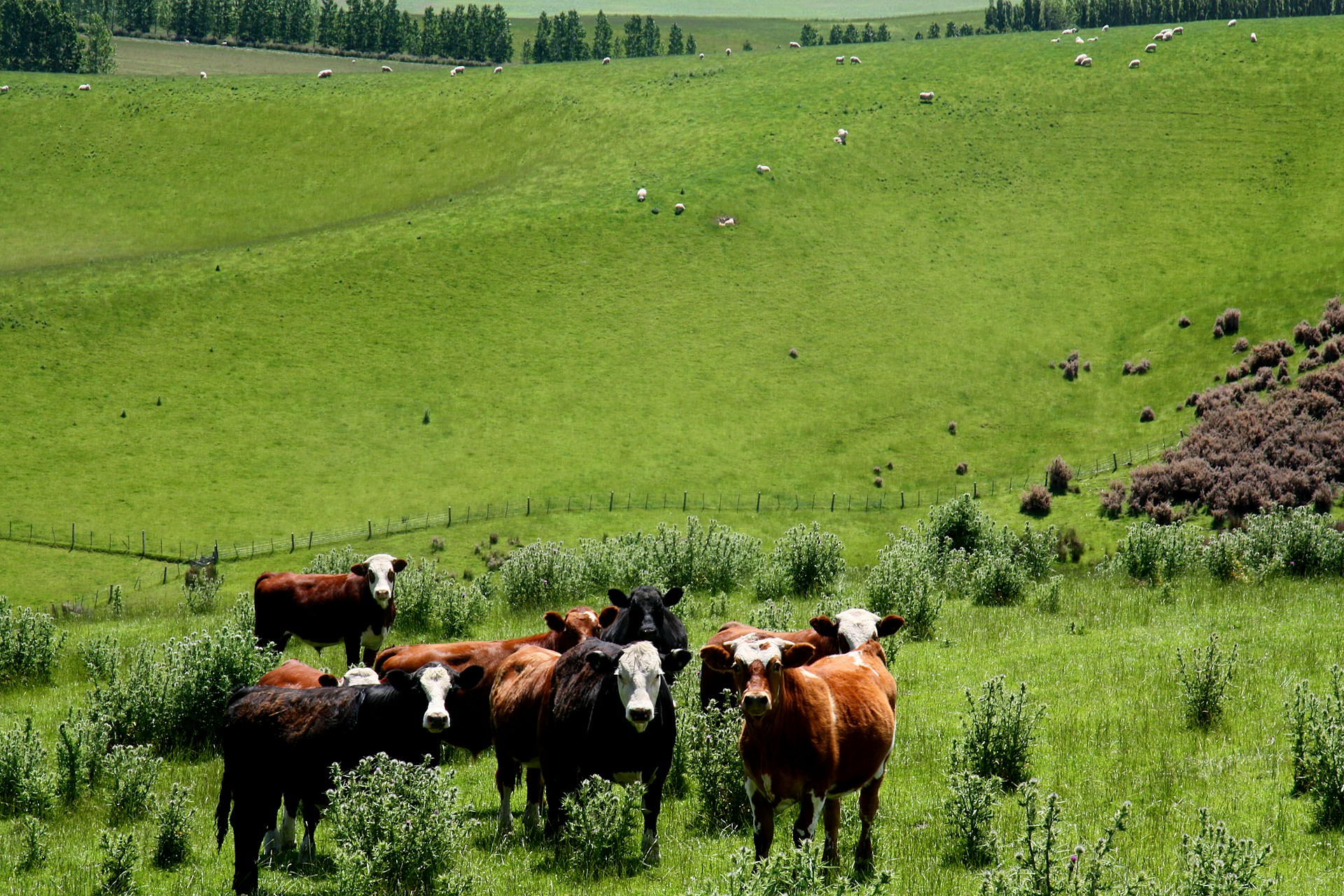
Running a farm means you're always juggling a ton of tasks, but keeping your livestock safely where they belong is right up there with the most important. It's not just about stopping animals from wandering off; it's really about keeping your family, your team, visitors, and the animals themselves safe. Strong livestock management is also one of the many ways to encourage growth on your farm because it protects your investment and supports more efficient daily operations. A good containment plan stops expensive accidents, protects what you've invested, and makes your farm run smoother with less stress.
Understanding Livestock Behavior
To handle your animals well, you first need to understand how they think and react. Livestock, especially herd animals like cattle and sheep, have this natural "flight zone." Think of it as an invisible bubble of personal space around them. If you step inside that bubble, they'll move away. Understanding this helps you guide them calmly without making them panic, just by gently nudging the edge of their flight zone.
Animals also have a strong instinct to stick together. An animal on its own is often stressed or scared, which makes it unpredictable. When you're moving a group, it's always easier to keep them as one unit. If one animal breaks away, it can cause chaos. So, your containment systems should help keep the group together and make it hard for individuals to split off.
Secure Access Points for Vehicles
Fences are only as good as their weakest part, and that's usually the gate. Gates have to open and close for every vehicle, which constantly risks someone leaving them open by mistake. This doesn't just let livestock escape; it also slows down daily farm work. For spots with a lot of traffic, there's a better, more secure way. Permanent setups like cattle grids let vehicles drive through freely while still blocking livestock. These structures mean you don't need gates, saving time and removing the chance of human error. They're a simple but powerful way to keep things secure without getting in the way of your work.
Implementing Effective Fencing
A strong fence is essential for any livestock management plan. What kind you choose depends on the animal, how big the pasture is, and your budget. Old-school options like woven wire or barbed wire are common, but newer solutions are also getting popular. Electric fencing, for example, is a flexible and effective way to create a psychological barrier for many animals. There are many different livestock fencing systems to think about for managing your pastures.
New tech is also bringing fresh ideas. For instance, some farms are now looking into virtual fencing on dairy farms, which uses GPS collars to set up invisible boundaries. No matter what type you pick, you absolutely have to keep it maintained. Walk your fence lines often to check for fallen wires, broken posts, or plants that could short out an electric fence. Fixing a small problem today can stop a big one tomorrow.
Emergency Preparedness on the Farm
Even with the best systems, animals can still get out. A fallen tree, a broken gate latch, or just an accident can lead to livestock on the loose. Having an emergency plan is important. This plan should be simple, and everyone on the farm should know it.
Your plan should cover:
- A list of contacts with phone numbers for neighbors and local authorities who can lend a hand.
- Having handling gear ready, like halters, ropes, and portable panels.
- Knowing the safest ways to guide animals back to their enclosure, staying clear of busy roads or other dangers.
- Setting up a clear chain of command so everyone knows what to do in an emergency.
A quick and organized response can stop a small issue from turning into something dangerous or expensive.
Ultimately, keeping your farm safe and your livestock secure comes down to understanding animal behavior and having well-kept infrastructure. Regular routines and dependable systems are the foundation for a productive and safe farm environment.