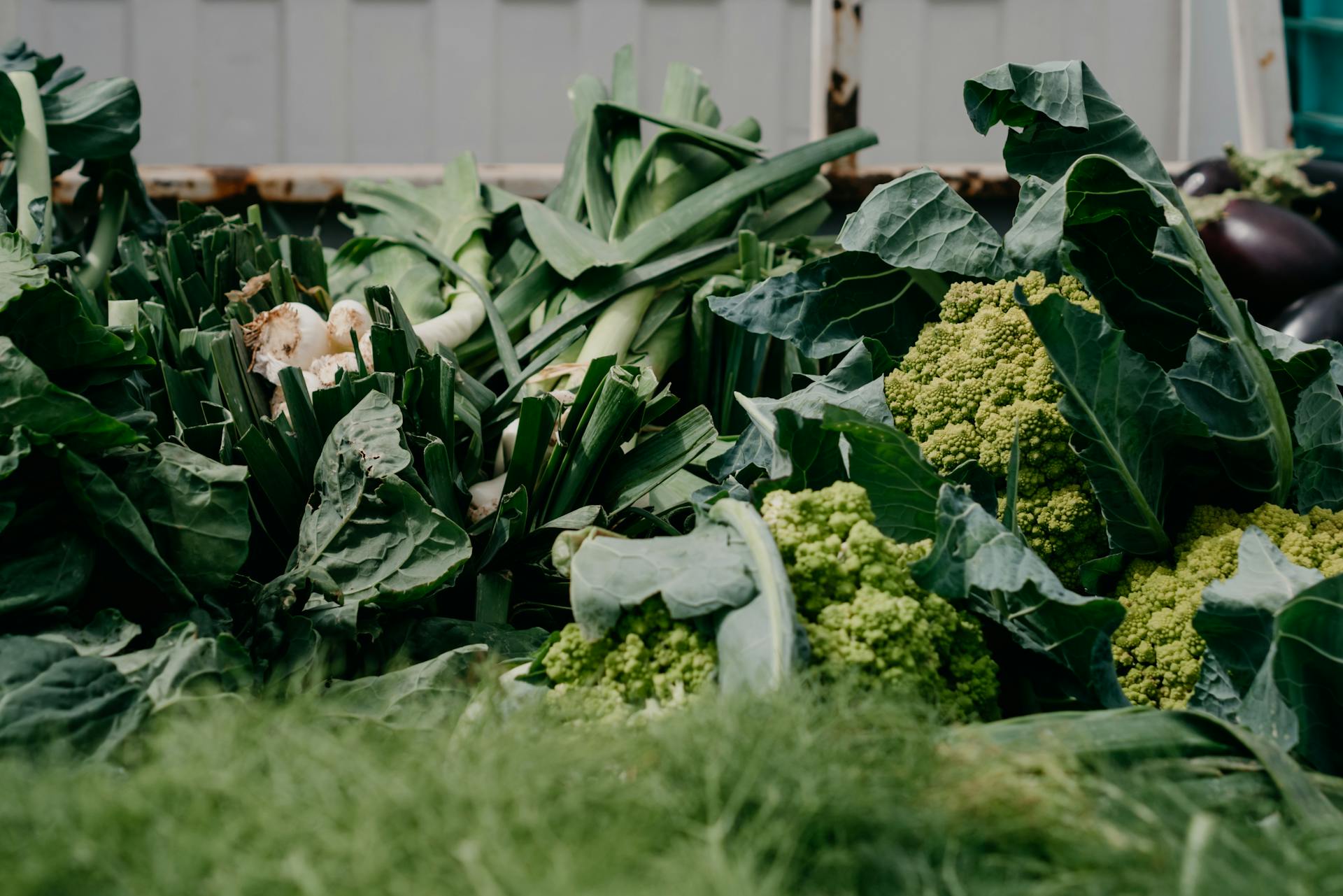
Big farms and backyard plots might seem like they are totally different things, but the reality is they are not actually miles apart. They run on the same basics, soil, timing, and patience. The difference really is the size, not the spirit. Farmers plan for seasons. Gardeners plan for the weekend, but both are ultimately chasing the same results: strong plants, healthy, and a good harvest at the end of it all.
But how can backyard gardeners learn from the big guys? A lot, actually, because any of the principles and activities can translate well to a backyard if you know how to do it.
Plan Like A Pro
Every single farm has a plan, and as a gardener, you need to have a plan too. Crops don't just appear; they're mapped, rotated, tested, and logged. No one is saying you need to dive into color-coded sheets or yield graphs unless you want to, but a little bit of forward planning will go a long way.
Look at what worked for you last year, what plants succumbed to the shade, or what bed dried out too fast. Then take the results, make suitable changes, and learn as you go. Don't treat your garden like a side project; put some effort into improving it, and soon it'll become a thriving living entity you can be proud of.
Research
Specifically seeds. Farmers need to build resilience into what they do, and this should be no different for you. Farmers read soil data, weather patterns, performance trials, and more. And companies like Agrigold exist to test, tweak, and toughen seed genetics so they can handle drought, pests, and climate shifts.
Seems overkill for your small patch? Not really the benefits of this trickle down, the seeds you pick up at the garden center often carry those same resilient traits. Stronger roots better germination, more consistent yields. So when you're choosing your seed, skip the generic packets and look into the details that matter and choose seeds and companies that will work for you.
Rotating, Resting, Recharging
Rotation isn't for tractors and vast fields; it's what keeps soil alive. Even if you've only got a few small beds, move things around every year. Leafy crops after beans, root veg after brassicas. Drop in a cover crop when a bed looks tired. These feed the ground while you rest it. In farming, this is called following for you; this can be just rest.
Precision
Farmers will utilize the latest technology to help them improve results and standards across the board. And while you might not have a need for drones or GPS-guided tractors, you can use a notebook, a trowel, and your eyes. It's the same principle but on a smaller scale.
Watch how water runs through your beds after rain. See which corners get too much wind, try adjusting compost to one small patch and not another, and note the results. This is the data that will work for you, and once you identify the patterns, you can analyze how it is happening, and you can adapt your garden so it makes more sense.