A lot of small growers often find themselves with pockets of land that don’t quite fit into their plans. Those slopes, awkward corners, and pockets of poor soil don’t have to go unused, however. In fact, marginal land can be uniquely helpful for certain things. Here, we’re going to look at a few ways you can make better use of it, to avoid feeling like you’re letting valuable space go to waste.
Nut And Fruit Crops
Where some annual crops might not be able to do well due to issues with fertility or damage risks in the soil, nut and fruit trees can do a lot better. For instance, hazelnuts, chesmnuts and some of your hardier apple or plum varieties can do a lot more with less than ideal soil, producing consistent yields where others might fail. It’s best to ensure that you plant in rows or clusters to make for easier management. Using nitrogen-fixing plants, like peas and beans, or low-growing vegetables, like radishes, lettuce, or carrots, can help you improve the soil while making use of the in-between spaces, too.
Fast-Growing Timber
Trees can be very helpful in marginal land spaces for a variety of reasons. Poplar, willow, and alder can not only become an income source through their timber, but they also protect the land against further erosion and improve soil structure through deep roots and decomposing leaf litter. The fast-growing types can see you generating firewood, timber poles, or biomass to either sell or use in just a few years, so that you’re able to better free up the soil later if you want to use it some other way, too.
Grain Farming
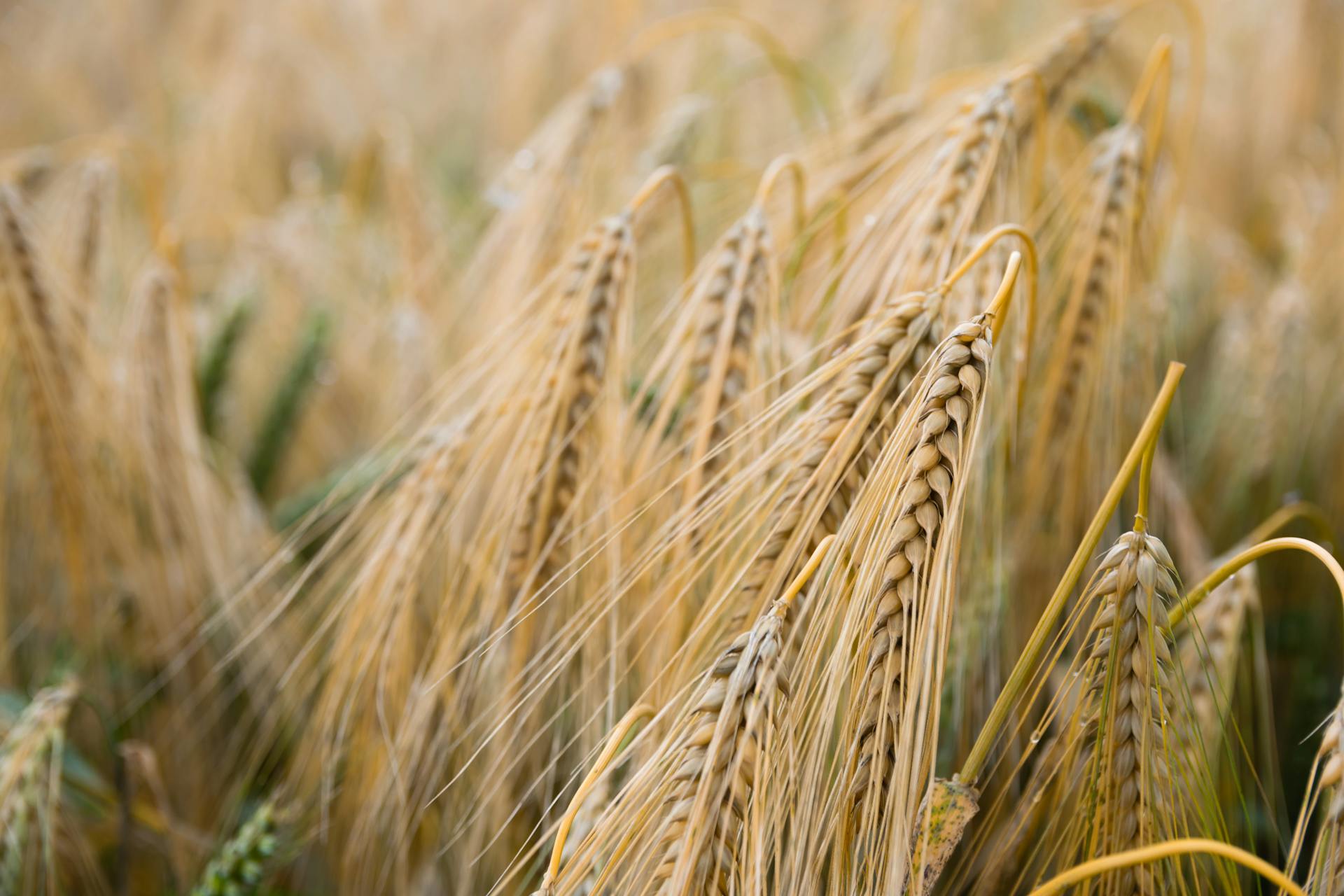
While they’re often used on the more open and manageable spaces, some of your grain crops, like oats, rye, and barley, can do well on marginal land, as well. Grain farming tends to work better on lower nutrient soils than many vegetables or fruit, and can steadily help improve soil fertility and structure, with deep roots able to reduce soil compaction, allowing for better water infiltration. You can rotate grains with legumes and cover crops that can increase nitrogen levels and suppress weeds as well. Marginal land might not offer the greatest volume yields, but it can be an important part of laying the foundation for healthier growth of other crops in those areas in the future.
Sheterbelts
Your marginal land can be improved steadily, while also protecting your land’s borders from hazards such as wind erosion, with the help of shelterbelts. By growing rows of trees or native ferns and shrubs along your field edges, you can better conserve moisture and protect against the encroachment or erosion over time. Over time, the increase in leaf litter and root turnover can improve soil fertility and structure, allowing you to find new uses for the land, as well.
Hopefully, the tips above show that marginal land can be a lot more useful than you might think. The right specialized strategies can help you get a little extra value out of it.