Homeowners
Why Some Homeowners Regret Ignoring Their Garage Exterior for Years
Posted in Homeowners on Jun 22, 2026
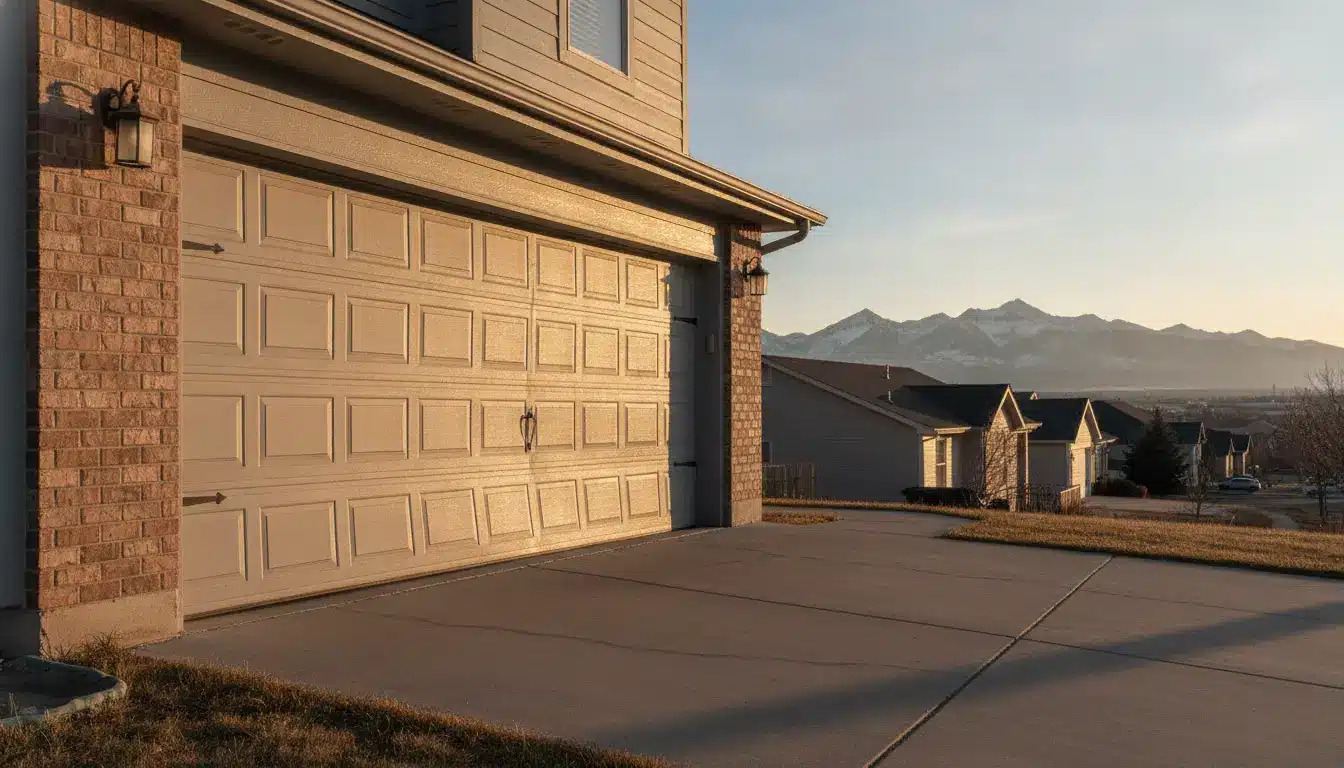
When homeowners think about improving curb appeal, they often focus on front porches, landscaping, windows, or entry doors. However, one major exterior feature is frequently overlooked for years: the garage. Since garages often occupy a significant portion of a home's front-facing exterior, neglecting them can gradually diminish the property's overall appearance and perceived value.
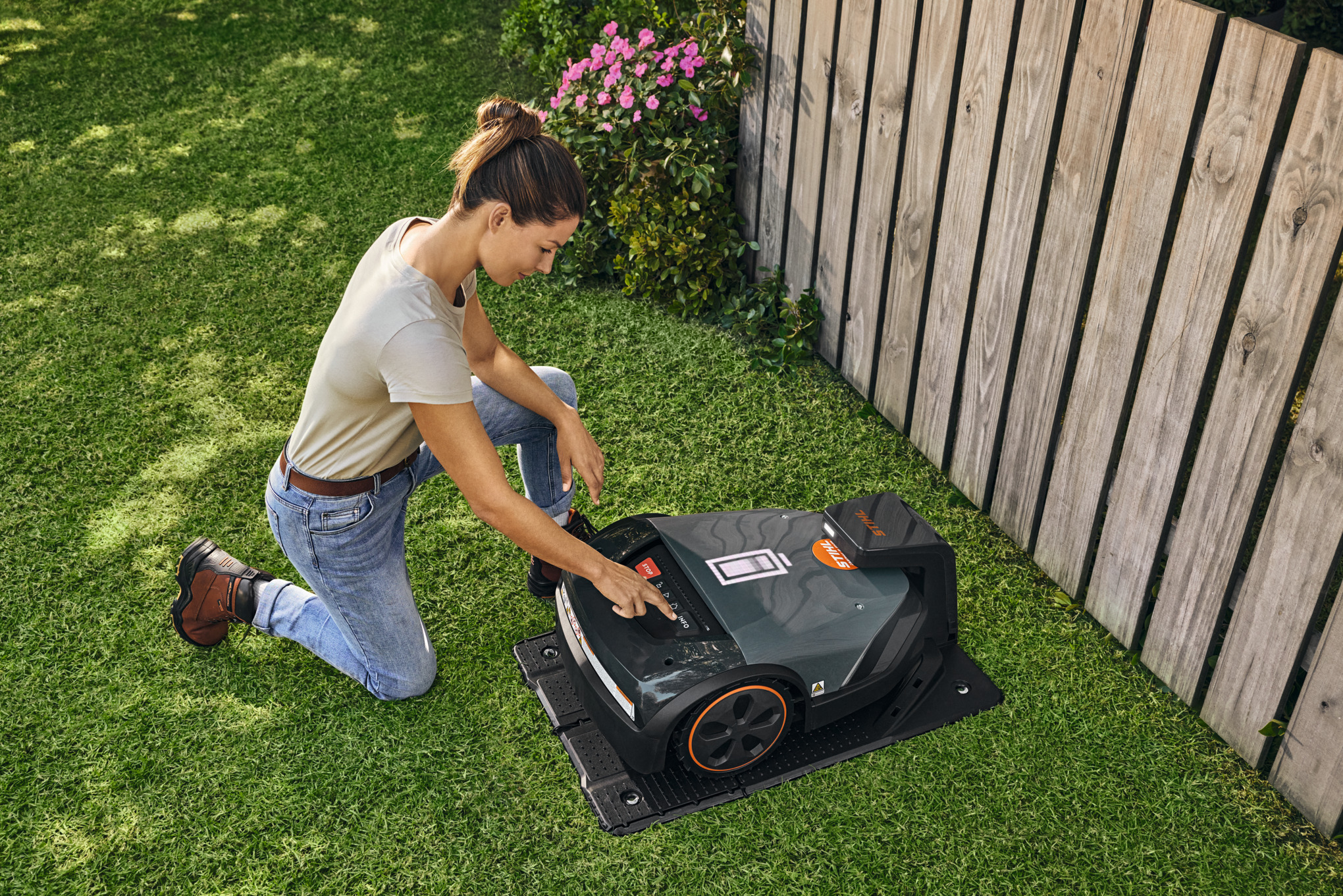
Small gardens have a funny way of looking easy from a distance. A quick patch of lawn, a few borders, maybe a path, a patio, and a corner where the garden chairs live when nobody can be bothered to fold them properly. It does not look like much work. Then the grass grows. Suddenly, that “quick little lawn” needs mowing again. And while cutting a small lawn may not take all afternoon, it still means dragging out the mower, finding the extension lead or fuel, clearing toys and plant pots, cutting the grass, trimming the edges, cleaning up, and putting everything away. By the time you are done, the job that was supposed to take 20 minutes has somehow stolen part of your weekend. This is where robot lawn mowers start to sound appealing. For many homeowners, especially those with smaller gardens, the promise is simple: less mowing, more time enjoying the garden. But are robot lawn mowers actually worth it for small spaces, or are they just another gadget destined to sit in the shed beside the pressure washer you used twice?
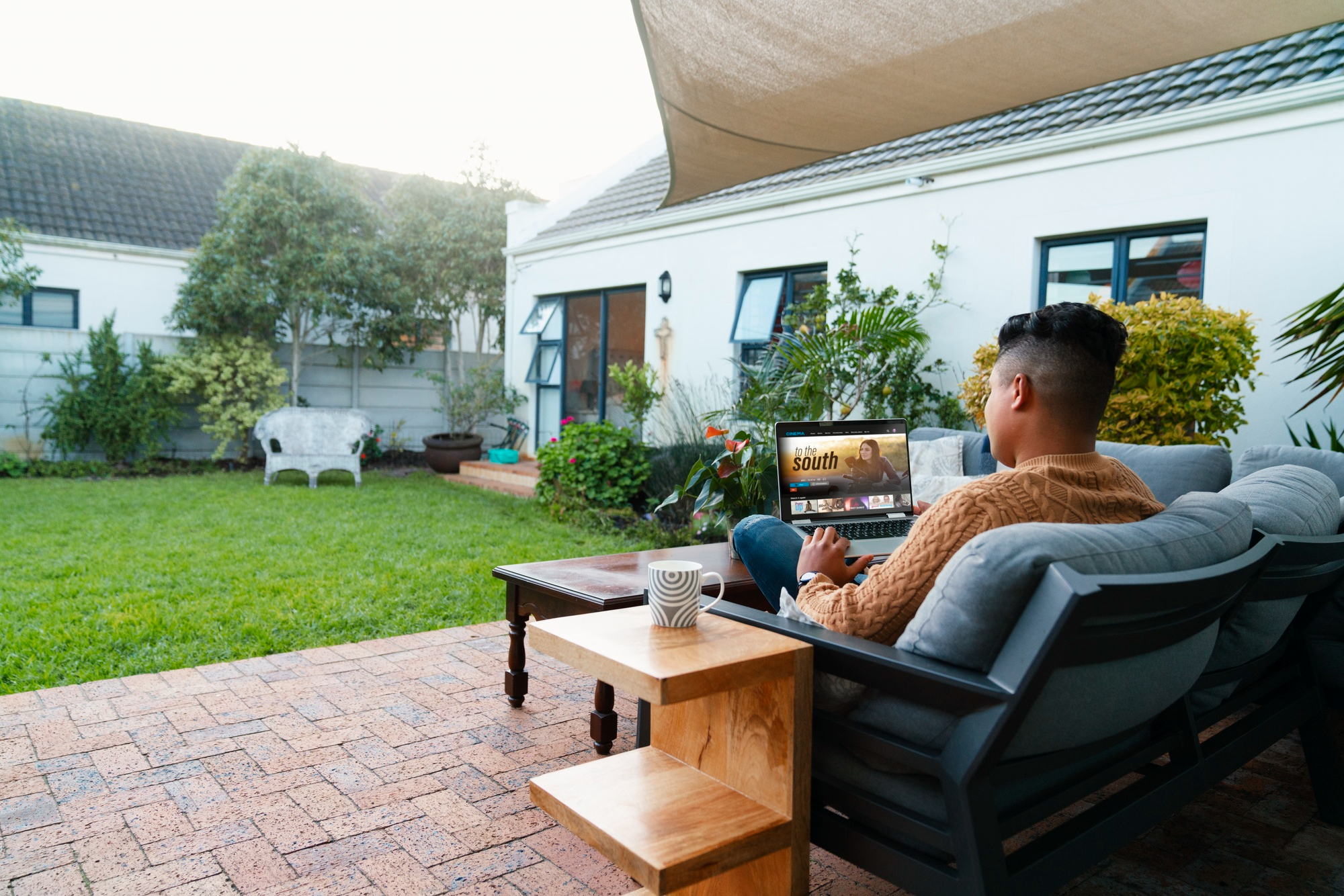
An outdoor living space is something special when done properly, and so much so that it can feel like an extension of your home. But there are some things you might benefit from knowing before you potentially waste your money. From buying the right furniture for outdoor living spaces to layering outdoor lighting, here are some suggestions to help get you started.
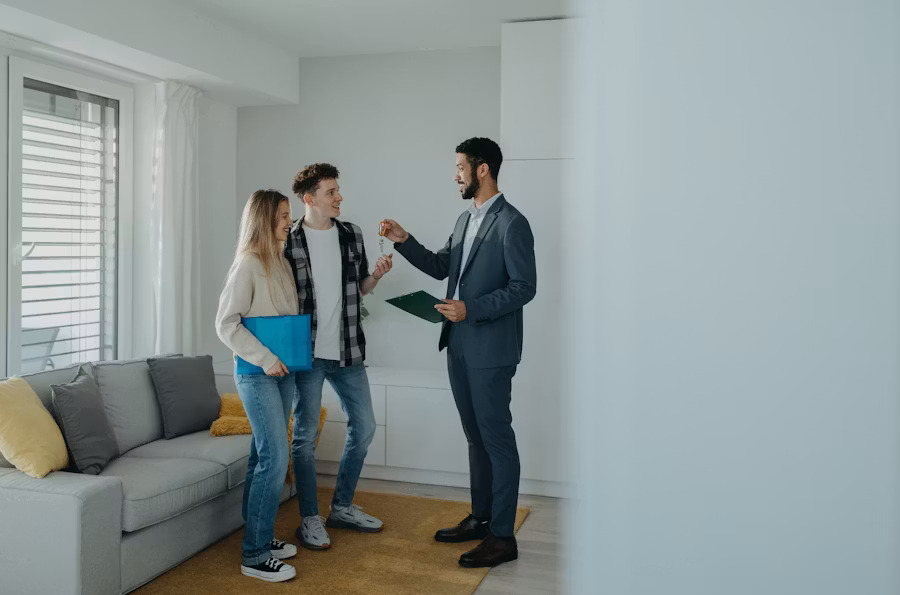
A rental home could be a pretty solid operation to outsiders. But when a missed rent payment results in a leaky pipe and a vacant month, the owner’s experience with their property has changed. At that point, you have an asset, but now you have many particular dates, documents, people, bills, and decisions. The less predictable your business is, the more dependent you are on memory or late-time actions.
The Two Weeks After You Aerate Are the Ones That Actually Matter
Posted in Homeowners on Jun 10, 2026
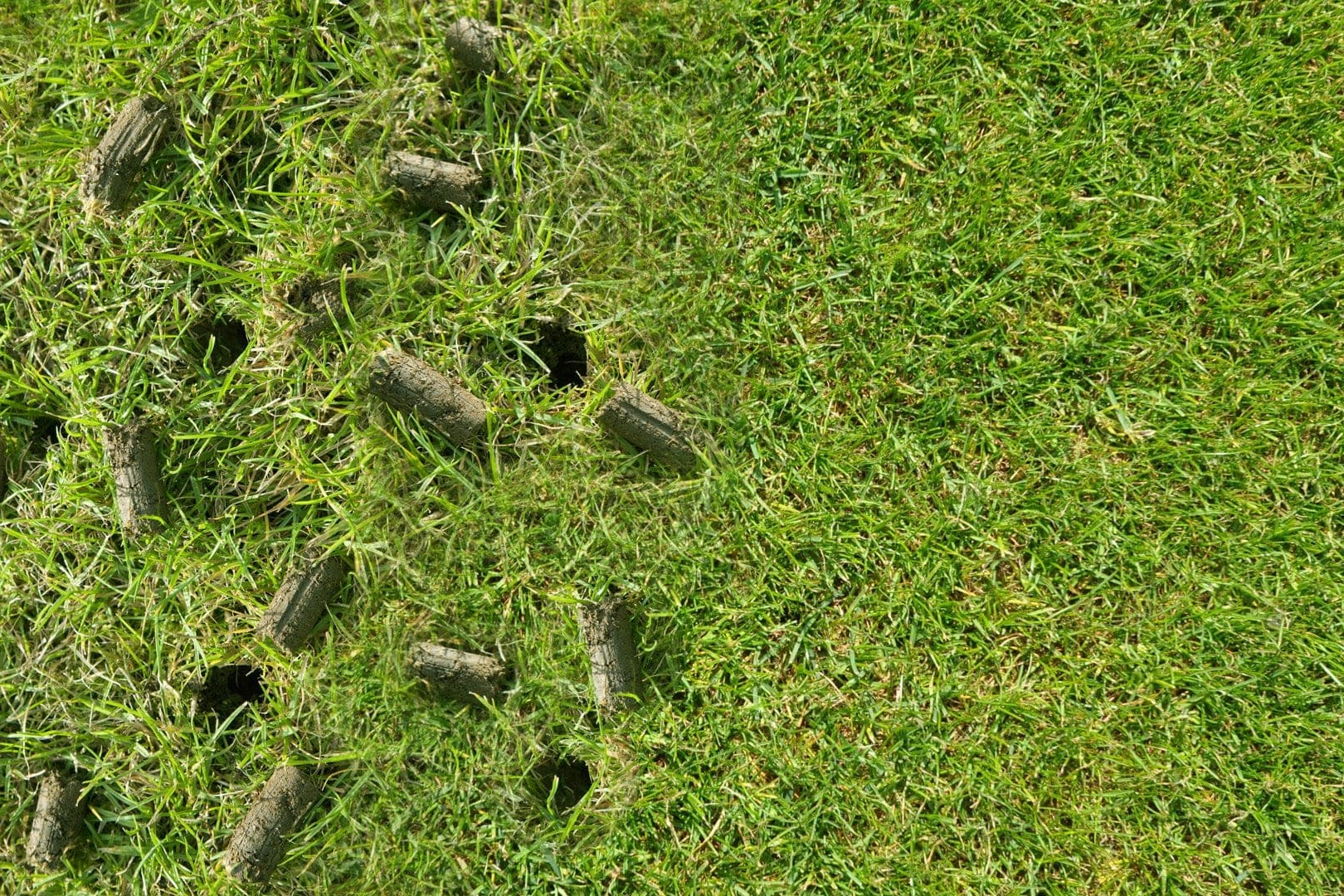
Wondering how long your lawn takes to recover from aeration? The honest answer isn't a number. It's whether your grass was actually growing when you started.

A lilly pilly's listed height is a ceiling, not a destiny. How big they really get, how long they live, and exactly when to prune to stay in control.

Artificial turf has become very popular with homeowners who are looking to maintain a green and attractive outdoor space without having to constantly mow and fertilize. Its convenience and appearance makes it especially appealing for pet owners and families who want lower maintenance landscape solutions.

Hedges define our landscapes. They line country roads, separate fields, shelter wildlife and structure parks and public spaces. But keeping them healthy and tidy requires regular work, and on a professional scale, hand-held trimmers quickly show their limits. This is where the hedge cutting machine comes in: a mechanised solution that allows farmers, contractors and local authorities to maintain kilometres of hedgerow quickly, safely and with a quality of cut that manual tools struggle to match.
Best Motorized Window Treatment Companies for Luxury Homes in Toronto (2026)
Posted in Homeowners on Jun 03, 2026

Smart home technology has transformed the way Toronto homeowners think about window treatments. What was once a niche upgrade is now a standard expectation in luxury custom homes — and for good reason. Motorized blinds, automated drapery, and fully integrated window systems offer a level of convenience, privacy control, and interior design precision that manual treatments simply can't match.But not every window treatment company in Toronto is equipped to deliver at this level. Installing motorized systems in a luxury home — especially when integration with platforms like Control4, Crestron, or Apple HomeKit is required — demands technical expertise, access to premium motor technology, and experience coordinating with electricians, AV integrators, and interior designers on complex builds.This guide focuses on what matters most when choosing a motorized window treatment company for a high-end Toronto home, and highlights the providers best positioned to handle these projects.
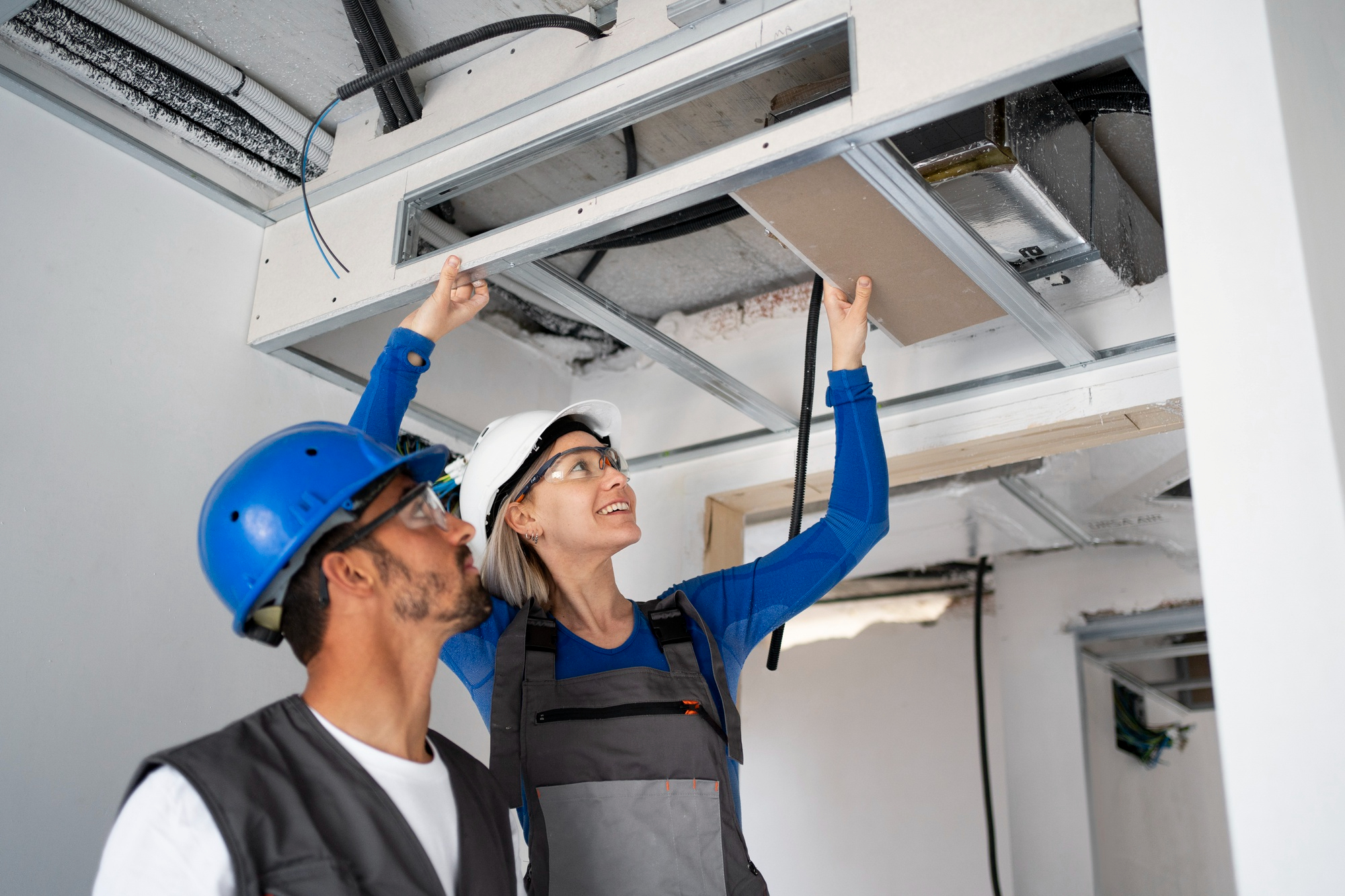
June brings warmer temperatures, longer days, and increased outdoor moisture levels in many regions. Yet an interesting phenomenon often occurs during this time of year: two houses located on the same street can feel completely different inside. One home may feel fresh, comfortable, and cool, while the neighboring house feels damp, sticky, and uncomfortable despite experiencing the same weather conditions.