Homeowners

For centuries, home has been a symbol of stillness—a place rooted in comfort, safety, and belonging. The road, on the other hand, has always represented freedom, motion, and discovery. Yet today, the lines between these two worlds are beginning to blur. The modern lifestyle, driven by flexibility, technology, and connection, invites us to reimagine what “home” really means when the open road becomes a part of it.

Christmas is the best time of the year, and certain decor aspects often define the holiday's aesthetic appeal and atmosphere. The outdoor lighting is one of these key aspects. Have you noticed how some homes look stunning while others fail to impress? Even if your budget is limited and you can't afford some fancy decorations, properly arranged lighting can still make your home look stunning.
Dryer Repair: Keep Your Laundry Spinning (and Your Sanity Intact)
Posted in Homeowners on Oct 07, 2025

When a dryer goes down, the laundry pile becomes a mountain and socks mysteriously migrate to distant corners of the house. The good news? Most dryer problems are fixable, and many start with simple checks you can do in minutes. This guide walks you through symptoms, quick DIY steps, when to call a pro, and how residents in Carmel, Westfield, Zionsville, and Fishers, Indiana can get fast help from Alex Appliance Repair.
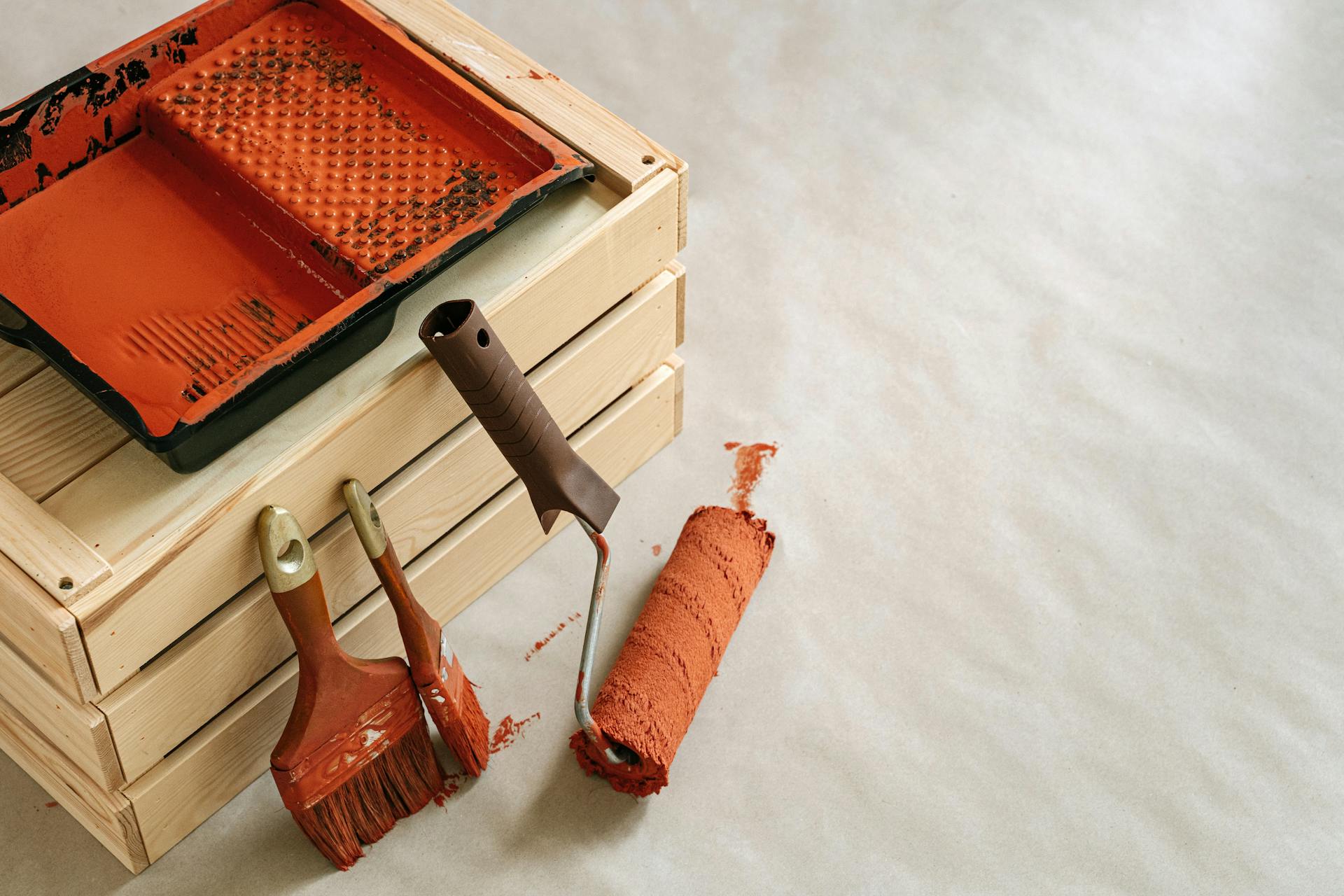
When you think about remodeling your home, you probably picture enjoying the upgrades every day, a more comfortable kitchen, a stylish bathroom, or an inviting outdoor area where family and friends gather. But remodeling isn’t just about personal enjoyment. The improvements you choose can also shape your home’s resale value down the line. Homeowners often find themselves torn between remodeling for their lifestyle and remodeling for potential buyers. The good news is that you don’t have to choose one over the other. Many projects strike a perfect balance, helping you live better now while also making your property more appealing in the future. For instance, outdoor improvements have gained major popularity in recent years. Adding features that make your home more livable and attractive on the outside often creates the kind of curb appeal buyers are drawn to. That’s why one of the first questions many homeowners ask is whether outdoor living projects, like decks, are worth it.
Backfilling Belgian Blocks: Finishing Touches for a Professional Driveway Edge
Posted in Homeowners on Sep 29, 2025
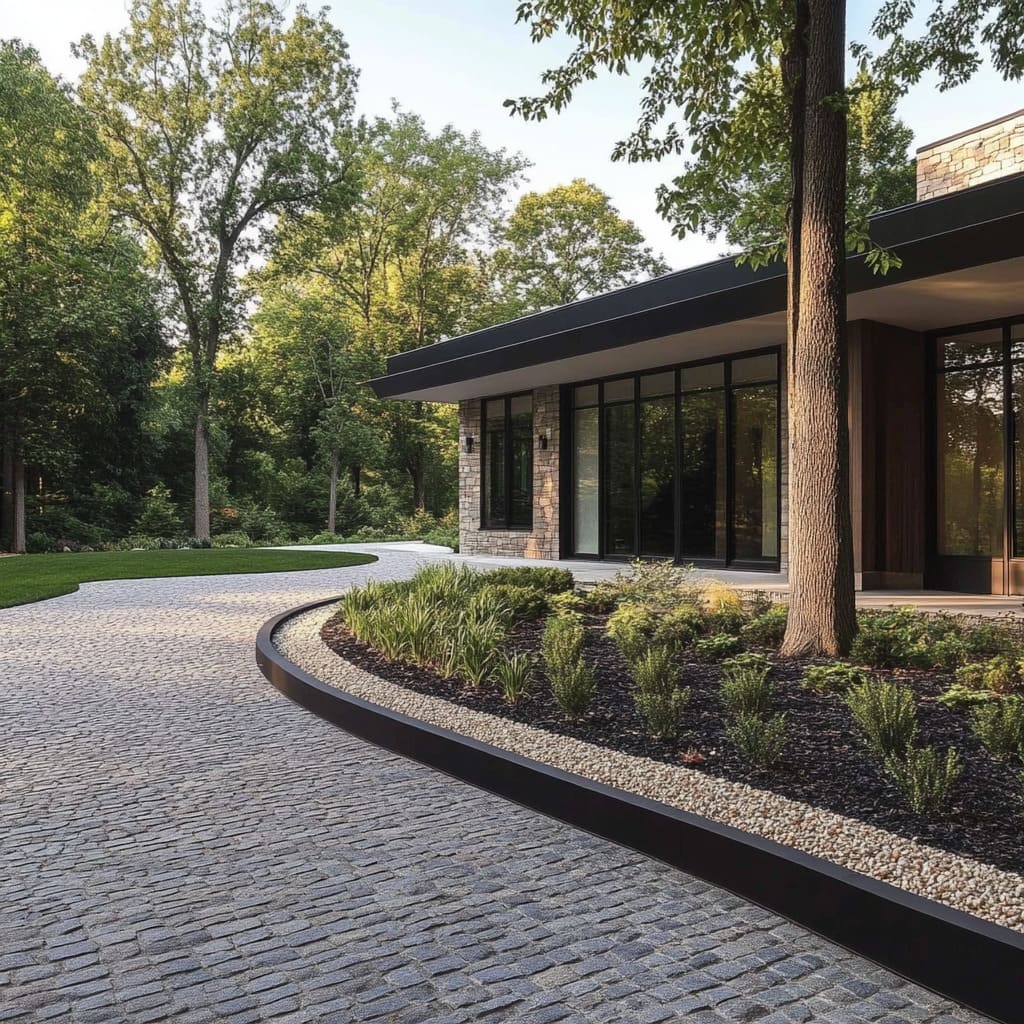
Learn how to backfill Belgian block driveway edging for strength, drainage, and curb appeal. Step-by-step guide tailored for Connecticut homeowners, plus pro tips on soil, freeze-thaw, and creating a polished, lasting border.

Buying your first home is an exciting milestone. It represents a new chapter and a significant personal achievement. The path to collecting the keys can be complicated, but awareness of potential setbacks can make the experience much smoother. Many aspiring homeowners make similar mistakes, but with a little preparation, you can avoid them.
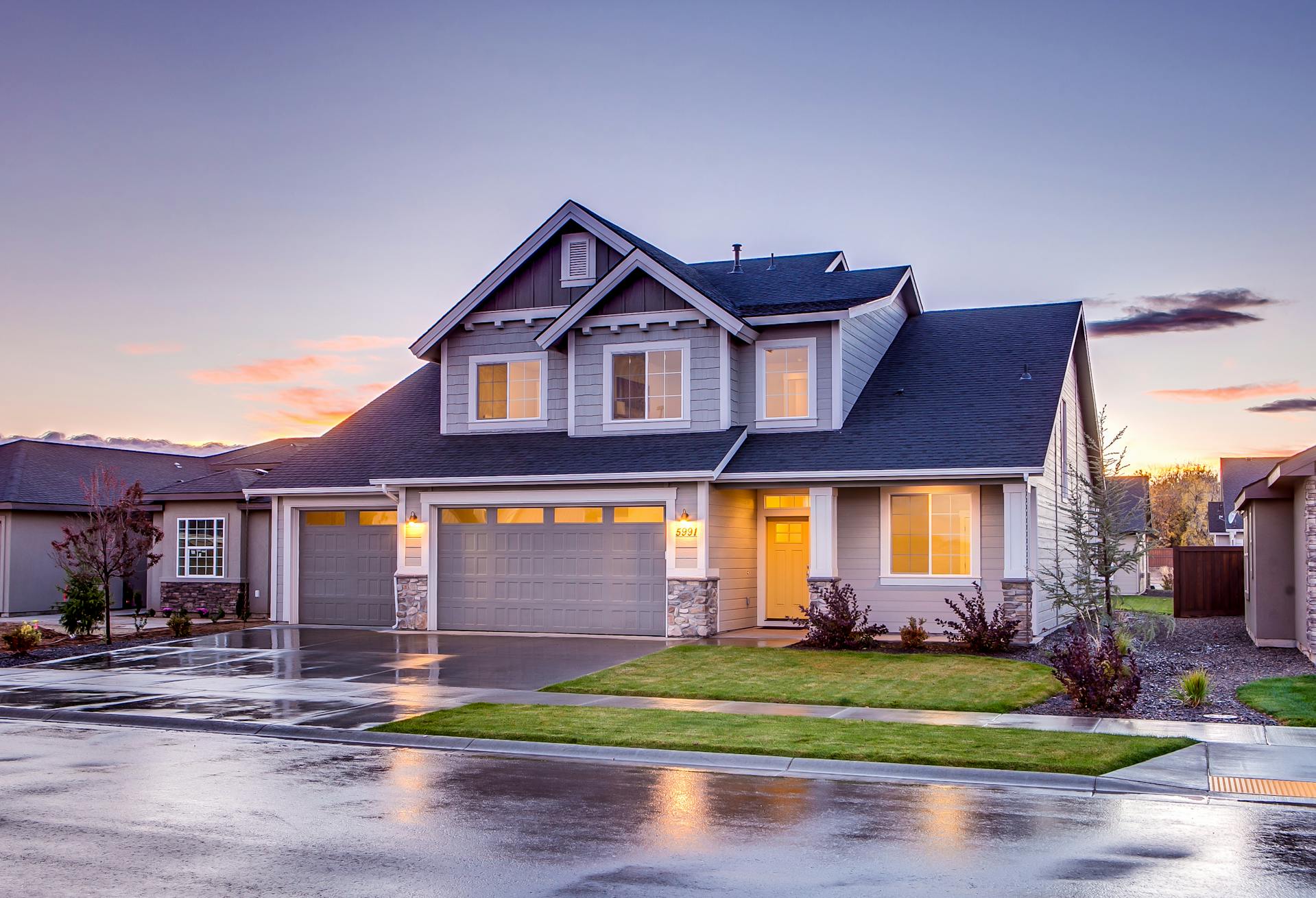
Have you ever noticed how people obsess over granite countertops or smart fridges but forget about the parts of a house that actually hold it up? A kitchen renovation gets the attention, while the roof quietly leaks or the foundation quietly shifts. In property ownership, the glamorous upgrades often get the spotlight, but the unglamorous basics decide long-term value. In this blog, we will share how caring for roofs and foundations protects property investments.
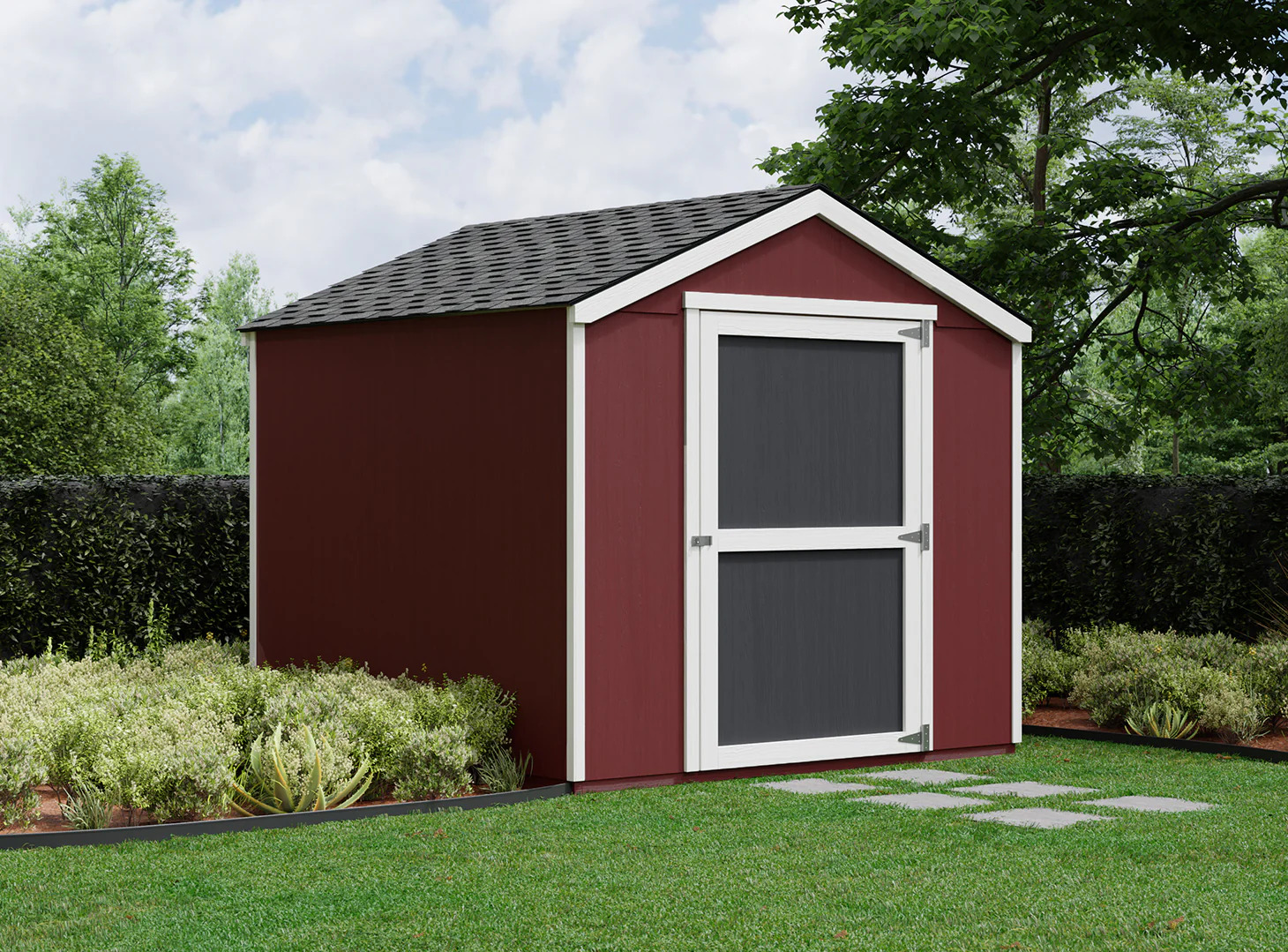
Outdoor sheds are essential backyard structures that provide extra storage, workshop space, or garden organization. But what happens when you need to relocate your shed? Whether you’re redesigning your yard, optimizing space, or moving to a new property, moving an existing shed can save money and time compared to buying a new one. However, relocating a shed requires careful planning and safety precautions to avoid damage to the structure, your property, or yourself.
Refresh Your Space: Essential Upgrades to Elevate Your Home’s Aesthetics
Posted in Homeowners on Sep 24, 2025
Whether it’s adding sleek details, improving lighting, or enhancing frequently used rooms, these changes can increase satisfaction with your everyday environment. In Traverse City, MI, personalizing your environment has become a growing trend. People are seeking meaningful ways to update their surroundings for better comfort, organization, and design. Around this lakeside town, people are moving away from outdated looks and leaning toward simple, refreshing solutions. Across the board, aesthetic adjustments can be done gradually without needing to commit to a full-scale overhaul.
If you’re trying to control the pests in your home but having a hard time doing so, then you may be making a few mistakes. If you can try and avoid the ones outlined below, then you will find it easier to keep them at bay.