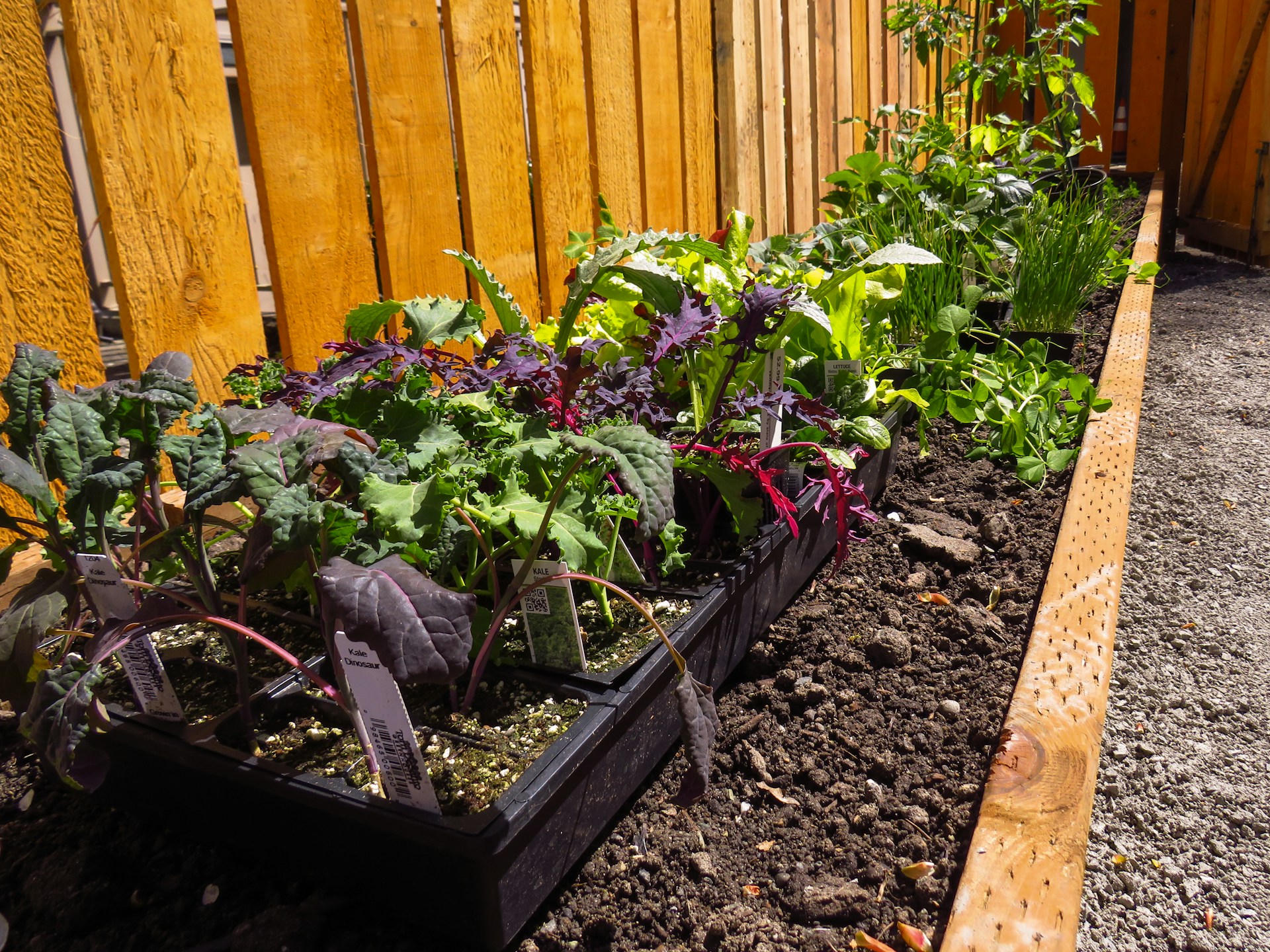
You don't need to spend every weekend pulling weeds, watering, and tidying up to have a beautiful garden. For those of us with packed schedules, the thought of constant upkeep can actually stop us from even starting a garden. The trick isn't to give up on your green thumb dreams, but to work smarter, not harder. If you make smart choices right from the start, you can design and plant a gorgeous garden that pretty much takes care of itself.
A low-maintenance garden gives you more free time to enjoy what you've created, whether that's sipping a cool drink on the patio or just admiring your thriving plants. It's all about building a garden that's tough, efficient, and pretty, without you having to do much. Imagine an outdoor space that flourishes easily, maybe even with a pre-tilled garden bed that includes automatic watering for ultimate convenience.
Design for Less Upkeep
A smart design is the bedrock of a low-maintenance garden. Before you even pick up a shovel, planning your layout can save you tons of time later on. Start by really looking at your space. Notice which spots get full sun, some shade, or deep shade throughout the day. Knowing this is super important for putting plants where they'll grow best without extra help.
A key idea is to group plants that need similar things. Put all your sun-loving, drought-tolerant plants together, and your shade-loving, moisture-needing plants in another area. This makes watering and care much simpler, since you won't have to give special treatment to individual plants scattered all over the yard. Think about adding raised beds too. They drain well, stop soil from getting packed down, and bring the garden up to a comfier height, which saves your back.
Finally, consider your pathways and borders. Simple, straight lines are easier to keep tidy than fancy patterns. Use tough materials for paths that won't need constant weeding or replacing. A clear border between your garden beds and lawn will stop grass from creeping in, cutting down on edging chores.
Securing Your Garden Elements
One of the most annoying garden jobs is cleaning up. Mulch gets blown onto the lawn, decorative pebbles scatter across paths, and sand from a play area gets tracked everywhere. This constant mess doesn't just look bad; it also means you have to spend time and money replacing these materials. A great way to cut down on this ongoing work is to secure your loose garden elements from the get-go.
Things like pea gravel, wood chips, and shredded bark are great for stopping weeds and keeping soil moist, but they tend to move around. Rainstorms can wash mulch out of beds, and leaf blowers can send it flying. This is where a binding agent can really help. For instance, a product like TerraLock mulch glue is made to hold loose materials in place. You just spray it over the top layer of your mulch, gravel, or sand, and it creates a strong, water-friendly bond.
This simple step keeps your garden looking neat and tidy through wind, rain, and everyday use. It stops your beds from looking patchy and means you won't have to sweep paths or rake your lawn to gather escaped materials. By keeping everything where it belongs, you get a cleaner, more polished look and get rid of a recurring, frustrating chore.
Choosing the Right Plants
The plants you pick will have the biggest impact on how much time you spend in your garden. The trick is to choose varieties that are naturally strong, suit your local climate, and don't need constant fussing. Perennials are a fantastic starting point because they come back every year, saving you the trouble of replanting each spring.
Look for plants that say drought-tolerant or low-water, as they'll be more forgiving if you forget to water them. Native plants are another excellent choice because they've already adapted to your region's soil, rain patterns, and extreme temperatures. They usually need less fertilizer and are better at resisting local pests and diseases. There are many lists of the best landscaping plants that thrive with minimal attention.
Here are some good options for an easy-care garden:
- Coneflowers (Echinacea): These tough perennials bloom for months, attract pollinators, and handle dry conditions once they're settled.
- Hostas: Perfect for shady spots, hostas come in a huge range of leaf colors and textures and need very little care.
- Sedum (Stonecrop): These succulents are incredibly hardy, growing well in poor soil and full sun with hardly any water.
- Ornamental Grasses: Varieties like Switchgrass or Little Bluestem add texture and movement to the garden and only need to be cut back once a year.
By filling your beds with these kinds of brilliant low-maintenance plants, your garden will look full and vibrant without demanding constant deadheading, staking, or spraying.
Weed Control Strategies
Weeding is often called the most hated garden chore. But if you get ahead of weeds, you can drastically cut down the time you spend on your hands and knees pulling out unwanted plants. The goal is to stop weed seeds from ever sprouting in the first place.
The best way to do this is to cover the soil. A thick layer of mulch, about two to three inches deep, is your best defense. Mulch blocks sunlight from reaching the soil, which stops many weed seeds from growing. It also helps keep the soil moist and improves soil health as it breaks down. As we talked about earlier, keeping that mulch in place is crucial for it to work well.
Another tactic is to plant dense groundcovers. These low-growing plants spread out to form a living mulch, suffocating weeds while adding another layer of texture and color to your garden. Creeping Thyme, Ajuga, and Pachysandra are great choices that quickly fill in empty spots. For new beds, some gardeners put down landscape fabric before planting, which creates a physical barrier against weeds. While it works, it can make it hard to add new plants later and might compact the soil over time.
Irrigation for Efficiency
Dragging a hose around the yard every few days takes up a lot of time, especially during hot, dry summers. Automating your watering is one of the smartest things you can do for a low-maintenance garden. An efficient irrigation system not only saves you time but also uses water more effectively, which is better for your plants and your water bill.
Drip irrigation is the top choice for garden beds. This system uses a network of tubes with tiny emitters that deliver water right to the base of each plant. This means very little water is lost to evaporation, and the leaves stay dry, which helps prevent fungal diseases. You can weave the tubing around your plants, customizing the layout to fit your garden's specific needs.
Soaker hoses are another great, affordable option. These porous hoses "weep" water along their entire length, slowly soaking the soil at the root zone. Just lay them out at the start of the season, cover them with mulch, and connect them to a spigot when needed. To make either system truly hands-off, attach an automatic timer to your spigot. You can program it to water for a certain time on specific days, making sure your plants get consistent moisture without you ever having to think about it.
With a few smart choices about design, plant selection, and watering, you can create a thriving garden that fits your busy life. Your outdoor space can become a place of relaxation and beauty, not just another thing on your to-do list.