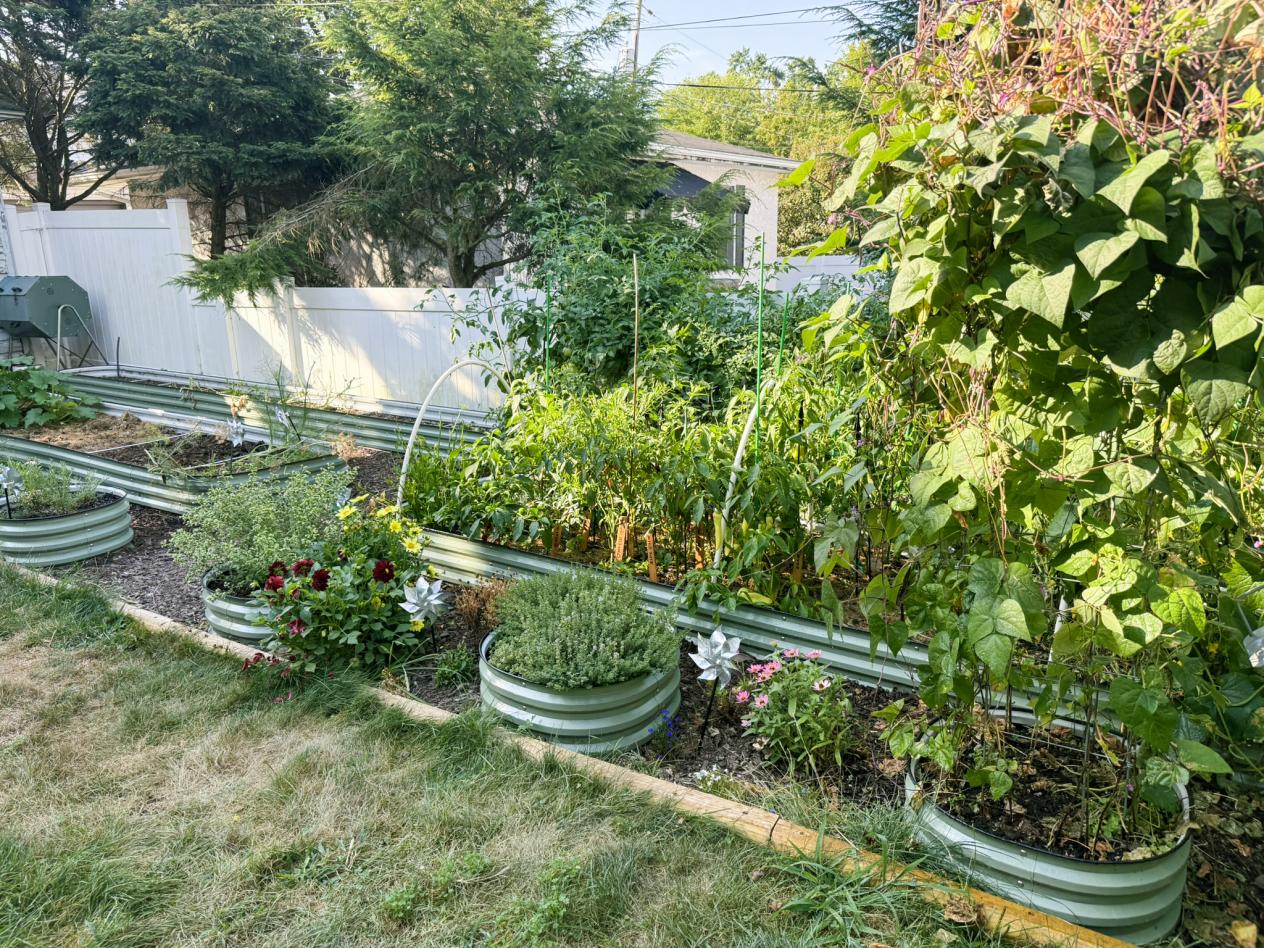
Author bio: Janice Olive is a gardening content creator and contributor at VEGEGA, a brand known for its durable metal raised garden beds. She focuses on practical, climate-friendly growing techniques and helps home gardeners build productive beds through clear, experience-based advice.
Winter gardening can feel intimidating, especially when freezing temperatures, fluctuating weather patterns, and low sunlight threaten your plants. However, with the right strategies, you can keep your raised bed plants alive—often with less effort than gardeners using traditional in-ground beds.
Metal raised garden beds are excellent for winter growing because they warm up faster in the sun, drain well, and allow you to control soil health with precision. But they also require specific techniques to prevent root damage, soil freezing, and moisture loss.
In this guide, you’ll learn how to overwinter your raised bed plants successfully, whether you're protecting perennials, extending your fall crops, or growing cold-hardy vegetables deep into winter.
How Cold Affects Raised Bed Plants
Raised beds offer superior drainage, aeration, and soil structure—but they also cool down faster than ground-level soil because they are exposed on all sides. This is especially true for metal raised garden beds, where cold temperatures can transfer to the soil more rapidly than in wooden structures.
Winter threats include:
-
Soil freezing: Roots cannot absorb water once the soil freezes solid.
-
Freeze–thaw cycles: Sudden warmth causes plants to break dormancy, and then frost damages tender new growth.
-
Desiccation: Cold winds can dry out leaves and stems, even in winter.
-
Reduced sunlight: Slows photosynthesis and weakens plant immunity.
-
Understanding these risks helps you choose the right protection methods.
Choose Plants That Naturally Thrive in Cold Weather
Even the best winterizing strategy will struggle if your plant selection isn’t suited for cold months. The easiest plants to keep alive in raised beds during winter include:
Cold-Hardy Vegetables
-
Kale
-
Spinach
-
Carrots
-
Garlic
-
Onions
-
Mache (corn salad)
-
Brussels sprouts
These are well-suited to metal raised beds because they tolerate cooler root temperatures.
Perennial Herbs
-
Thyme
-
Chives
-
Sage
-
Mint
Root Vegetables for Storage Overwintering
-
Parsnips
-
Beets
-
Turnips
If your raised beds contain tender herbs (like basil) or heat-loving vegetables (like peppers), expect to protect them more heavily—or harvest them before the first frost.
Improve Soil Health Before Winter Hits
Healthy soil insulates roots better in low temperatures, making this one of the most important steps to overwinter plants successfully. So, it’s the right time to amend the soil in winter for easier spring planting. You may want to learn about how to amend soil in winter in VEGEGA.
Add Organic Matter
In fall, incorporate:
-
Compost
-
Well-aged manure
-
Shredded leaves
-
Biochar (optional)
These materials help soil retain warmth and moisture—especially important in exposed raised beds and metal planter boxes.
Mulch Deeply
Mulching prevents soil from freezing solid and protects dormant roots.
Use:
-
Straw
-
Shredded leaves
-
Pine needles
-
Wood chips (for perennials)
Apply 3–6 inches for maximum winter protection.
Cover Your Raised Beds for Extra Heat Retention
Covering your raised beds is the most effective strategy to keep plants alive through winter. The right material depends on how cold your region gets.
For Mild Winters (USDA Zones 8–10)
Use one of the following:
-
Thin layer of organic mulch
-
Transparent PE cover
-
Frost cloth
This is usually enough to keep crops like lettuce, Asian greens, and herbs thriving inside metal raised garden beds.
For Moderate Winters (USDA Zones 6–7)
Double protection works best:
-
3–4 inches mulch PLUS
-
Row cover / low tunnel
Low tunnels over raised beds trap warmth effectively and can often raise temperatures 8–10°F inside.
For Harsh Winters (USDA Zones 3–5)
You will need a more robust setup:
-
Thick mulch layer
-
Double-layer frost cloth
-
Poly low tunnel
-
Possibly an insulated frame
Gardeners in cold climates often use mini greenhouses directly over their raised beds for season extension.
Water Correctly Before and During Winter
Watering is often misunderstood in winter gardening. Plants don’t need much water, but they do need consistent moisture.
Before the First Hard Freeze
Water deeply. Moist soil retains heat better than dry soil, helping roots survive early temperature drops.
During Winter
-
Water only when the soil is dry.
-
Water during midday so it can absorb before temperatures drop at night.
-
Avoid overwatering—this can cause rot in cold, wet soil.
Metal planter boxes drain well, reducing the risk of waterlogging during winter storms.
Use Cold Frames or Mini Greenhouses for Raised Beds
For people wanting to grow actively during winter—not just keep plants alive—cold frames and mini greenhouses are game-changers.
Cold Frames
These are low, enclosed boxes with a transparent lid. They trap heat, protect from wind, and allow winter crops to keep growing.
Cold frames work especially well on metal raised garden beds because the metal structure adds additional stability and heat retention.
Mini Greenhouses
These extend the growing season even further and protect:
-
Leafy greens
-
Root vegetables
-
Herbs
-
Seedlings started early
They are excellent for gardeners aiming for near year-round harvesting.
Protect Perennials in Raised Beds
Perennials need different care than vegetables.
Key Tips
-
Cut back dead stems (except for plants needing winter stems for protection).
-
Apply thick mulch around the crown.
-
Insulate roots using straw or leaves piled high.
-
Avoid fertilizing in late fall—it encourages tender growth that frost will kill.
Plants overwintering in metal planter boxes may need extra mulching because the container sides cool faster in winter wind.
Prevent Pests and Diseases During Winter
Winter doesn’t eliminate pests. In fact, certain conditions—like warmer soil under covers—can invite them.
Watch for:
-
Slugs
-
Aphids
-
Mice (they love warm mulch!)
-
Fungus gnats
Solutions:
-
Inspect weekly under row covers.
-
Use copper slug tape around metal raised beds.
-
Keep mulch away from the raised bed walls to avoid mice tunnels.
-
Improve air circulation by briefly venting tunnels on sunny days.
A healthy winter bed is clean, dry, and well-ventilated.
Know When to Remove Covers in Spring
When temperatures consistently stay above 50°F, begin uncovering raised beds gradually. Sudden exposure can shock plants accustomed to warm protection.
Transition Method
-
Open covers for a few hours each day.
-
Increase exposure over 5–7 days.
-
Fully remove once nighttime temps stabilize.
This helps plants adjust smoothly and prevents sunscald or frost damage.
Final Thoughts
Keeping plants alive in winter inside metal raised garden beds, raised beds, and metal planter boxes is absolutely achievable with thoughtful preparation. The combination of good soil, proper mulching, protective covers, and smart watering provides all the conditions your winter plants need to thrive.
Whether you’re preserving hardy perennials or harvesting spinach in January, raised beds give you unique control over winter gardening—and with the right techniques, you can enjoy fresh, homegrown food long after your neighbors have packed away their tools.