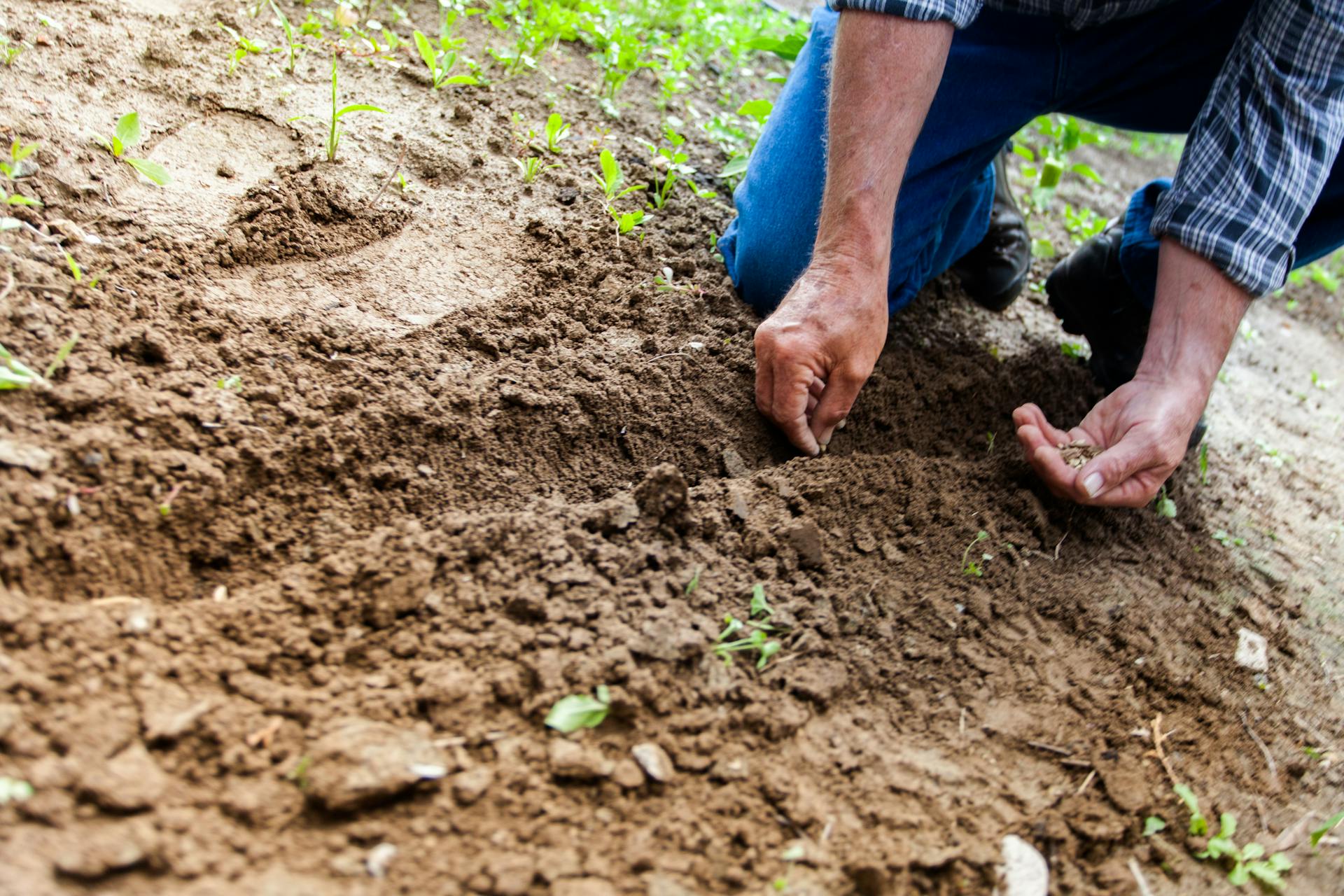
A garden that lasts more than a few warm weeks does not happen by accident. Most people plant everything at once, watch it explode in mid-summer, and then the whole thing collapses by August. Feels productive for a minute, sure, but then you're left staring at bare soil, wondering what went wrong.
A mixed season-long garden works differently. It moves in stages. Early growers, mid-season staples, and late crops that hang on when the weather changes. It's less dramatic but much more reliable. And honestly, once you stop chasing the idea of perfection, the whole thing will become much easier to manage.
Let's take a look at how you can easily build a garden that feeds you right through the seasons.
Start With The Early Stuff
The season always begins with the cold-friendly plants nobody gets excited about, lettuce, radishes, peas, and greens; they're the first ones in and the first ones out. They give you something to harvest while everything else is still sulking in the soil. People skip them because they don't look impressive, but they set the pace for the whole garden.
And you don't need to stick to supermarket varieties either. Early crops are where unique seed varieties shine — different textures, colours, or faster growing lines that let you squeeze in two or even three rounds before summer hits. You get more out of the same space without doing anything complicated.
Bring in Summer Anchors
Once the soil starts to warm up, the garden changes character. This is when you bring in the plants everyone actually recognises — tomatoes, beans, cucumbers, squash, and peppers. They're heavier feeders, need more room, and take longer to settle. But they carry the garden through the biggest chunk of the season.
Spacing matters here more than you might think, too. One tomato planted too close will smother half the bed. Cucumbers will sprawl across anything they can read if you don't train them up. Beans are happier climbing than choking out everything around them. You don't need a perfect blueprint; just give each plant the space to breathe so it is not fighting for light by mid-July.
And top tip: don't plant everything on the same day, a mixed garden does better with staggered starts — especially beans. One row now, another in two weeks. You avoid the “good grief, why are 400 beans ripe at the same time” problem.
Keep a Rotation of the Fast Growers Going
Some crops are just gap fillers. That's their job. They don't belong to one season — they pop in where there's a hole. Radishes again. Baby greens, herbs, scallions. Anything you can plant and harvest before the big crops even notice they have neighbors.
This is what stops the beds from looking empty after your first harvest. Every time you pull something out, you drop something else in. It's not a formal plan — just a “this space is open, let's use it” kind of plan.
Add The Slow, Steady Crops That Hold the Back Half of The Year
The late-season growers aren't showy either, but they make the garden feel like it has a backbone. Carrots, beets, winter squash, kale, broccoli, long-season tomatoes. These plants take their time. They don't care about your impatience. They sit there and build strength.
You can tuck them in early, between faster crops. By the time the fast growers are gone, the slow ones have taken over the space. Makes the whole thing feel more seamless rather than “summer's dead were done”
These are types of plants that will see you into fall. They don't panic when the nights cool down. They keep going when the summer plants have burnt out.
Plants In Layers Not Rows
Rows are fine, but they waste a lot of pace. Mixed gardens work better when you stack plants by height and habit. Tall tomatoes and beans at the back. Medium peppers or bush cucumbers in the middle. Herbs or greens at the front, where they won't get crushed.
Add a trellis, and suddenly the garden has a second floor. Put basil under tomatoes — they like a little shade. Tuck lettuce between peppers — it won't bolt as fast. Shade isn't the enemy. Sometimes shade is the trick that keeps certain crops from burning out.
Use Containers to Stretch The Season
Containers aren't just for decoration. They can buy you time. You can start peppers early, move herbs around based on sun angle, or shift tomatoes into a spot that will actually get them the heat they want instead of hoping that shady corner warms up.
And when the season ends containers help you cheat a little bit more. Move them against a warm wall. Throw a cover over them at night, and you might find your peppers and tomatoes last a couple of weeks longer than everyone else's.
Feed the Soil
A mixed garden is busy, and you need it to keep up. From pulling, planting, replanting, the soil gets tired fast. If you don't add anything back, the later crops will tell you — stunted growth, yellowing leaves, no energy left.
A handful of compost between planting goes a long way. Mulch around slow growers keeps moisture in, and organic matter every now and again helps a lot. It doesn't need to be fancy, just enough to keep the whole system supported. Healthy soil is the foundation that makes the “mixed” part work at all.
Plan Late Season Wins
Late crops matter more than you might think. Another round of greens, a cold, friendly row of radishes, and kale that laughs at chilly nights. They keep the garden alive when you think it's done.
Mixed gardens aren't supposed to drop off in August. They're supposed to shift gears. A second wind, a softer pace, and just enough to keep you harvesting until the frost finally breaks and says, “That's enough”.
Get Messy
The thing is, mixed gardens are trial and error at first, and you need to figure out what thrives and where and when. You need to know the fast growers, then the “I don't want to think about growing” plants, and the ones that just hate your climate. Once you know this, you can move forward, adjust, and learn.
And it won't be neat or symmetrical, and you need to go with it, work with the seasons, don't fight them. This way, a mixed garden feels alive, and it responds to what you're trying to create.