By Daniel Zane Bryan
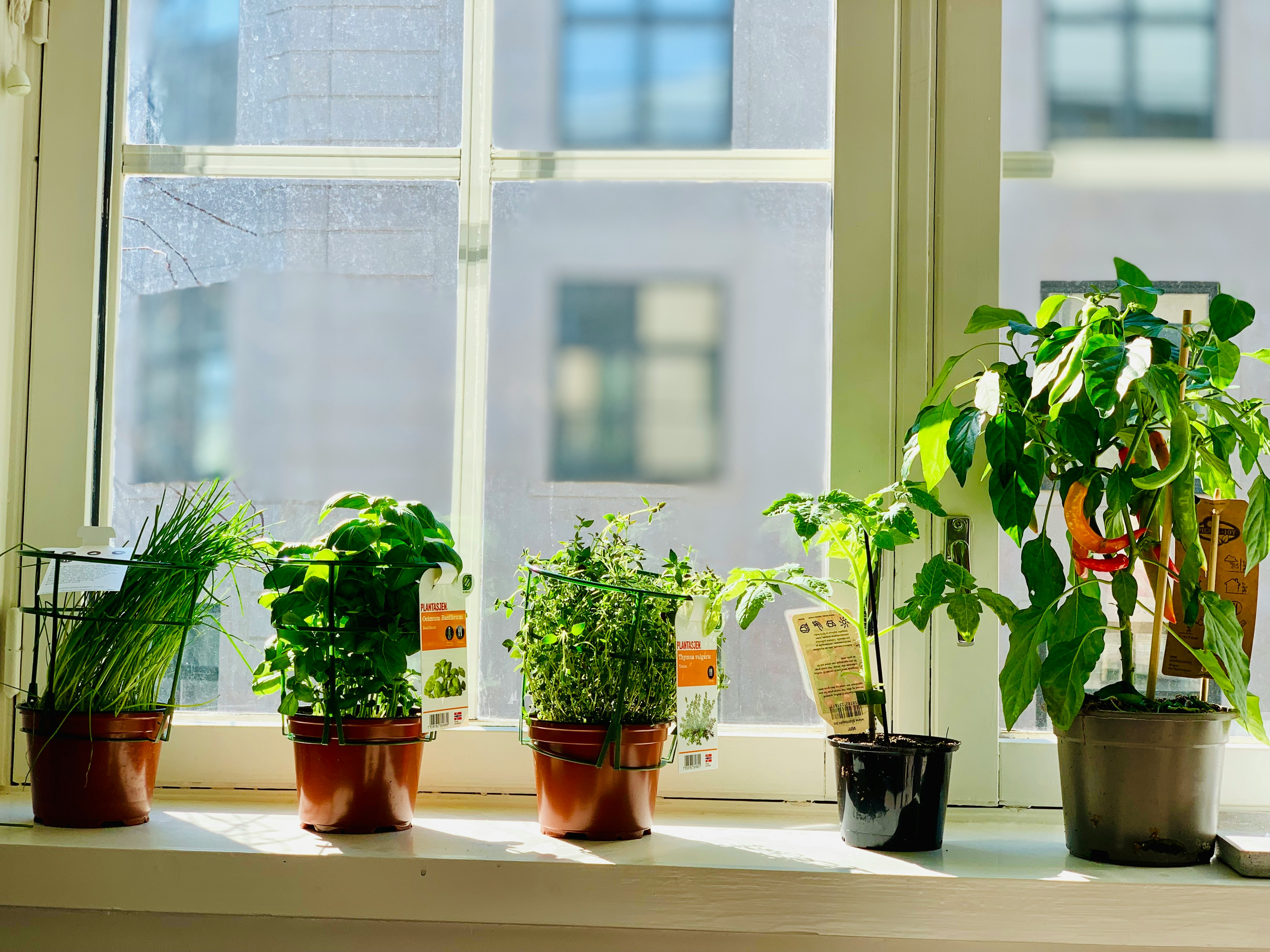
Growing your own vegetables indoors is more than a hobby; it’s an act of sustainability, creativity, and nourishment. Even in small apartments or spaces with limited light, anyone can grow fresh herbs, leafy greens, and compact vegetables right at home. The secret lies in balancing nature’s essentials: soil, water, light, and care. Daniel Zane Bryan, author of Indoor Vegetable Gardening For Small Spaces: A Holistic Guide For Beginners (available on Amazon at https://www.amazon.com/dp/B0F3ZS7575), shares practical, actionable steps to create a flourishing indoor garden that feels both functional and inspiring.
1. Build Healthy Soil with Compost and Living Matter
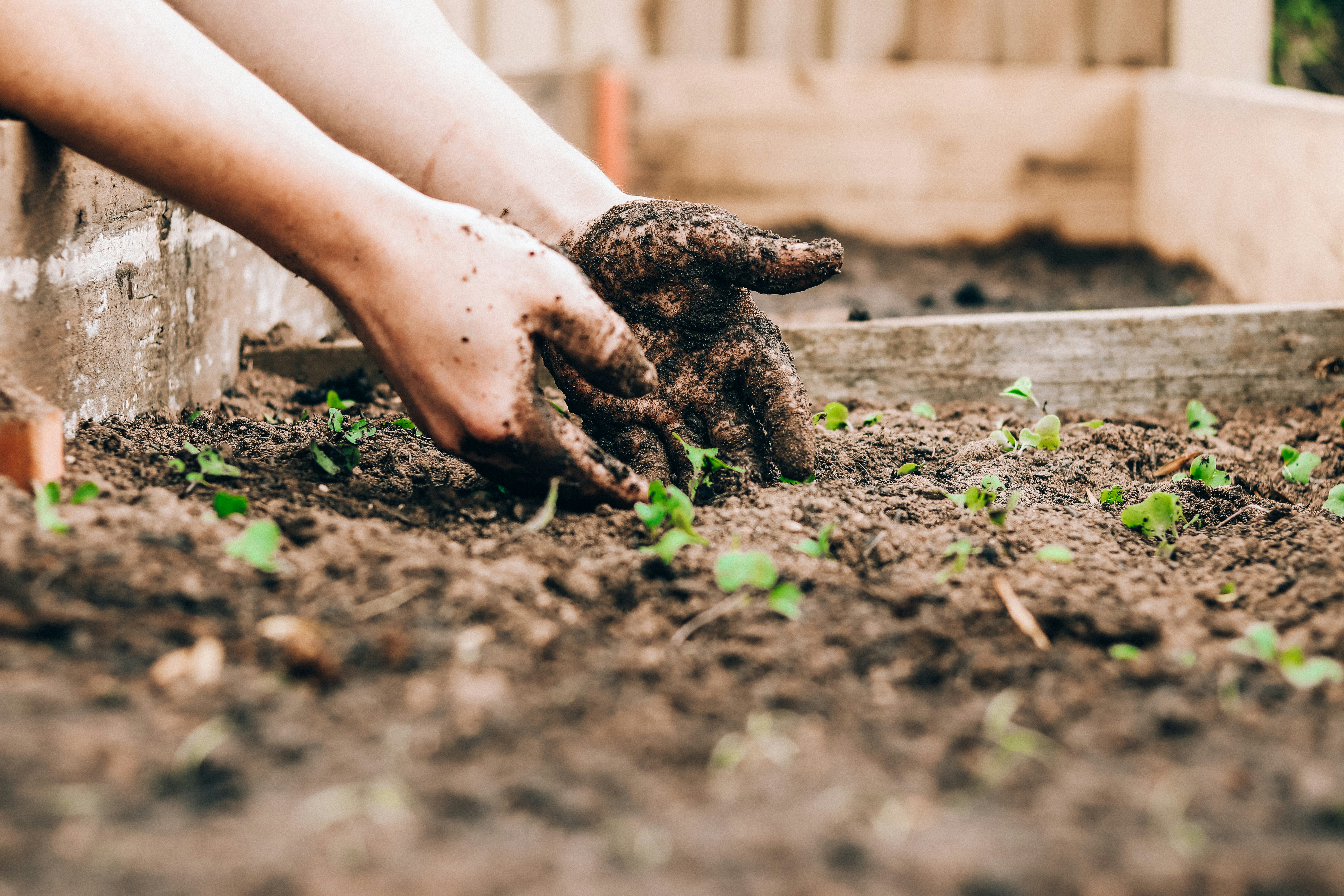
Healthy soil is the foundation of all thriving gardens indoors or out. Since potted environments lack the natural microorganisms found in outdoor ecosystems, indoor gardeners must actively cultivate living soil. Start with a high-quality organic potting mix and enrich it with compost or worm castings. These natural amendments boost microbial life and supply nutrients that help plants resist disease and grow vigorously.
When compost breaks down, it releases essential elements like nitrogen, phosphorus, and potassium. These nutrients fuel plant growth while improving soil texture and water retention. Cornell University Cooperative Extension program indicates compost acts as a natural conditioner, which keeps your soil aerated and full of life. Refresh your soil every few months by mixing in new compost and removing compacted portions to maintain structure.
You can also create your own mini compost system indoors using a small bin or worm farm. Add kitchen scraps like vegetable peels, coffee grounds, and eggshells to feed the worms. In return, they produce rich castings that become nature’s fertilizer.
2. Water Wisely: Feed Roots, Not Leaves
Watering seems simple, but indoor conditions can make it tricky. Overwatering suffocates roots and underwatering causes stress. The key is consistency. Water your plants deeply, always at the base rather than the leaves. This ensures roots receive adequate moisture without encouraging mildew or fungal growth.
Experts from the University of Florida Extension recommend using room-temperature, filtered, or rainwater whenever possible. Rainwater contains fewer salts than tap water and keeps soil chemistry balanced. To prevent mineral buildup, let excess water drain freely through the pot and discard what collects in saucers. If your indoor air is dry, use humidity trays or a small humidifier to mimic the balanced moisture plants enjoy outdoors.
A simple tip: Stick your finger one inch into the soil. If it feels dry, it’s time to water. If it’s cool or damp, wait another day. It’s always easier to recover from slight dryness than from soggy roots.
3. Strategic Planting and Smart Spacing
Just because your garden is indoors doesn’t mean plants can be packed together. Airflow and light are vital to prevent disease and encourage growth. Follow the spacing recommendations found on seed packets, usually six inches for greens and up to twelve inches for fruiting crops like tomatoes or peppers. When in doubt, err on the side of giving plants a little extra space.
Consider companion planting, pairing plants that benefit each other’s growth. For example, basil improves food flavor and pest resistance of tomatoes. While chives deter aphids from leafy greens. Rotating your crops every few months also prevents soil fatigue and maintains nutrient balance.
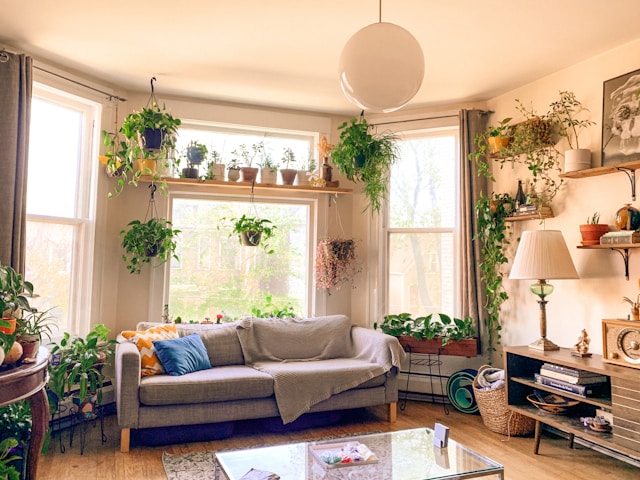
For small apartments, vertical gardening is a game-changer. Use trellises, shelves, or wall-mounted planters to expand your growing area upward. Vining crops like peas and cherry tomatoes thrive when given support, while herbs and greens can grow in stackable containers.
4. Sustainable Gardening Practices for the Eco-Conscious Grower
Indoor gardening offers an excellent opportunity to reduce waste and live sustainably. Mulching is a simple yet powerful practice to add nutrients to the soil. To start, cover the soil surface with dried leaves, shredded newspaper, or coconut husk to retain moisture and regulate temperature. As these materials decompose, they add organic matter back into your soil.
You can also conserve water by collecting rainwater or reusing dehumidifier water for irrigation. Store it in clean containers and filter it through a mesh cloth to remove debris. Rainwater’s soft, mineral-free quality makes it ideal for delicate plants like lettuce or spinach.
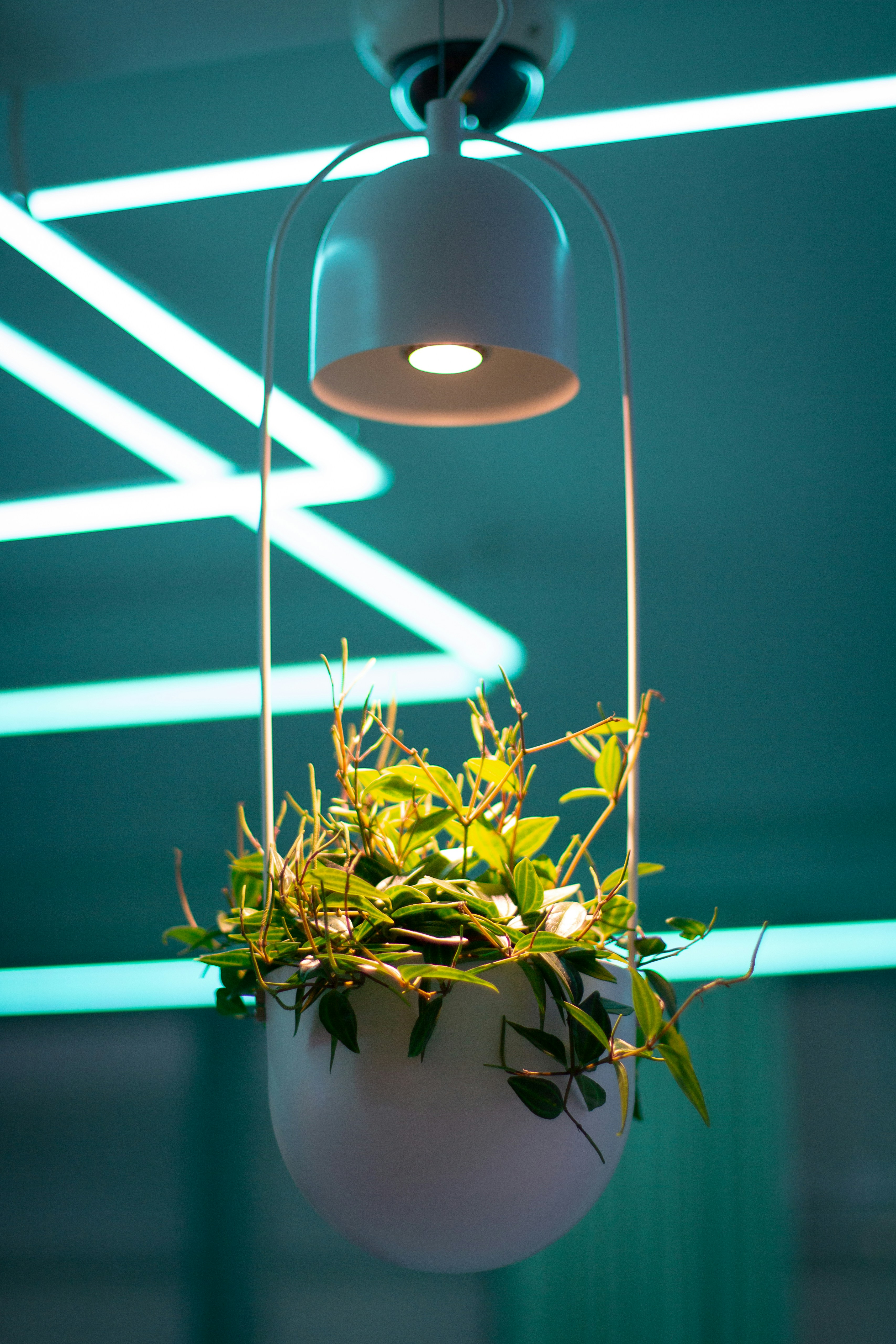
Energy-efficient LED grow lights are another sustainable investment. They mimic natural sunlight using minimal energy. The USDA recommends full-spectrum LEDs for indoor vegetable growth, as they balance both blue and red wavelengths necessary for photosynthesis. Combining LEDs with reflective surfaces around your plants can maximize light exposure without increasing energy use.
Final Thoughts
Indoor vegetable gardening combines creativity, science, and mindfulness. By nurturing healthy soil, watering wisely, spacing plants strategically, and practicing sustainability, you’ll cultivate more than food, you’ll cultivate a lifestyle rooted in balance and care. Whether it’s a single basil pot on a windowsill or a multi-tiered garden under LED lights, your indoor oasis can bring joy, nourishment, and calm all year long.
Beyond the tangible harvest, growing food indoors fosters a sense of purpose and patience that’s increasingly rare in our fast-paced world. Watching a tiny seed sprout and transform into something you can taste reminds us of the quiet power of daily consistency. Every small effort, from turning compost to trimming leaves and adjusting light, becomes an act of mindfulness that connects you to the rhythms of nature, even within four walls.
Over time, your home garden will evolve into a personal sanctuary, a green retreat where life thrives and stress softens. It invites curiosity, sparks creativity, and promotes sustainability by reducing waste and reliance on store-bought produce. Whether you share your harvest with friends or simply enjoy a fresh salad grown by your own hands, each moment spent tending your garden enriches your well-being and deepens your connection to the natural world.
So, let your indoor garden be a reflection of your values: simplicity, sustainability, and growth. With patience, care, light, and love, even the smallest seed can transform your home and your heart into something truly abundant. Each plant you nurture is a living reminder that growth begins with attention, gratitude, and the willingness to create beauty in the space you already have.
References & Further Reading
-
Cornell University Cooperative Extension. (n.d.). Composting at Home. https://compost.css.cornell.edu/homecomp.html
-
University of Florida IFAS Extension. (n.d.). Indoor Plant Care. https://edis.ifas.ufl.edu/ep440
-
USDA Agricultural Research Service. (n.d.). LED Lighting for Indoor Plant Growth. https://www.ars.usda.gov/
-
Penn State Extension. (n.d.). Container Gardening with Vegetables. https://extension.psu.edu/container-gardening-with-vegetables
-
Royal Horticultural Society. (n.d.). Indoor Gardening Advice. https://www.rhs.org.uk