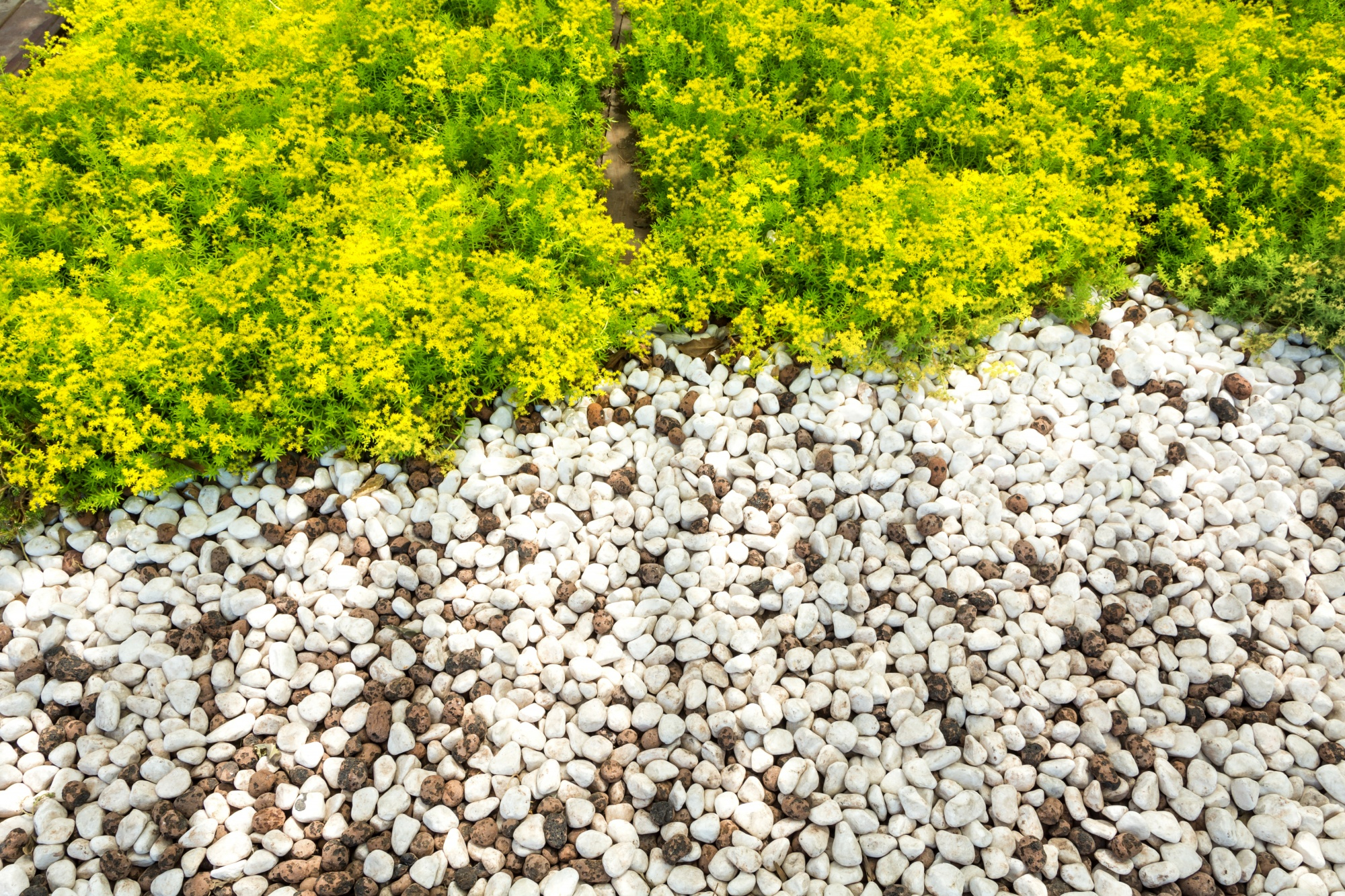
Great landscaping begins with vision, but it’s the materials you choose that bring that vision to life. From pathways and patios to garden beds and decorative accents, every material plays a role in shaping the look, feel, and durability of your outdoor space. The right choices can enhance curb appeal, improve functionality, and reduce long-term maintenance. The wrong ones can lead to constant repairs, drainage problems, and a mismatched design.
Whether you’re refreshing a small front yard or planning a full backyard transformation, selecting quality landscaping materials is one of the most important steps in the process. Below are detailed tips to help homeowners make smart, lasting decisions.
Understand Your Project Goals First
Before selecting materials, clarify what you want your landscape to achieve. Are you creating a relaxing retreat, an entertainment space, or a low-maintenance yard? Your goals should guide every decision.
For example, a family-friendly backyard may prioritize durable surfaces and open lawn areas, while a modern outdoor lounge might focus on sleek pavers and decorative stone. Consider how the space will be used daily and during special occasions.
Prioritize Quality and Reliable Suppliers
The durability of your landscape depends heavily on the quality of materials you select. Investing in premium products may cost more initially, but it saves money in repairs and replacements long term. Cheap pavers can crack, low-grade soil amendments may lack nutrients, and poor-quality mulch can break down unevenly.
Working with trusted suppliers ensures consistency, durability, and professional-grade results. Many homeowners rely on NorthCountyMulch.com for high-quality landscaping materials that combine performance with visual appeal. Choosing dependable sources helps guarantee that what you install today will still look beautiful years from now.
Additionally, quality materials often require less maintenance. Strong edging won’t shift easily, properly screened compost enriches soil effectively, and premium aggregates maintain their structure.
Choose Materials That Match Your Home’s Style
Your landscaping should complement your home’s architecture rather than compete with it. Materials play a major role in achieving this harmony.
For traditional homes, natural stone, brick, and warm-toned mulch create a timeless feel. Contemporary homes pair well with clean-lined concrete pavers, metal edging, and minimalist gravel. Rustic properties may benefit from decomposed granite, wood accents, and textured stone pathways.
Color coordination is equally important. Hardscape materials should blend with your home’s exterior paint, roofing, and trim. Consistency in tone creates visual flow from the house to the yard.
Consider Climate and Environmental Conditions
Local weather conditions should strongly influence your material choices. In warm climates, surfaces exposed to direct sunlight can become extremely hot. Light-colored pavers and natural stone tend to reflect heat better than dark materials.
Drainage is another critical factor. Areas prone to heavy rain benefit from permeable pavers or gravel that allow water to filter into the soil. This reduces runoff and prevents pooling.
Organic materials such as bark or wood mulch help regulate soil temperature and conserve moisture during dry seasons. Meanwhile, stone and gravel are excellent for areas that require long-lasting ground cover with minimal upkeep.
Choosing climate-appropriate materials increases longevity and performance. Materials that withstand local conditions require fewer repairs and replacements, making your landscape more sustainable over time. By considering environmental factors early, you create a yard that remains attractive and resilient in every season.
Balance Aesthetics with Maintenance Needs
Every landscaping material comes with a maintenance commitment. While some options look stunning, they may require frequent upkeep.
Natural wood elements, for example, may need sealing or staining to prevent weather damage. Gravel pathways may need occasional leveling. Living ground covers require watering and trimming. On the other hand, concrete pavers and stone often demand minimal maintenance once installed properly.
Consider how much time and effort you’re willing to invest. Busy homeowners often benefit from low-maintenance materials that retain their appearance with minimal care.
Mulch, for instance, enhances garden beds beautifully but may need annual refreshing. Weighing beauty against practicality ensures your yard remains manageable.
Think Long-Term Durability and Safety
Landscaping materials should not only look good, they must also be safe and long-lasting. Walkways and patios should provide stable footing, especially in areas exposed to moisture. Textured surfaces reduce slipping hazards.
Retaining walls and edging must be structurally sound to prevent shifting soil or erosion. Using strong base materials beneath pavers ensures they remain level over time.
Durability also affects cost efficiency. Materials that resist cracking, fading, and erosion reduce the need for repairs. High-traffic areas especially require tough surfaces capable of handling daily use.
Create Visual Interest with Texture and Layers
A visually captivating landscape combines multiple textures and layers. Mixing smooth pavers with rough stone, soft plantings with structured edging, and fine mulch with bold boulders adds dimension and character.
Layering materials helps define spaces naturally. For example, a gravel border around a patio can separate it from surrounding planting beds. Decorative rock accents can highlight focal points such as trees or water features.
Contrast creates depth. Pairing coarse materials with delicate greenery enhances both elements. However, moderation is key — too many competing textures can overwhelm the design.