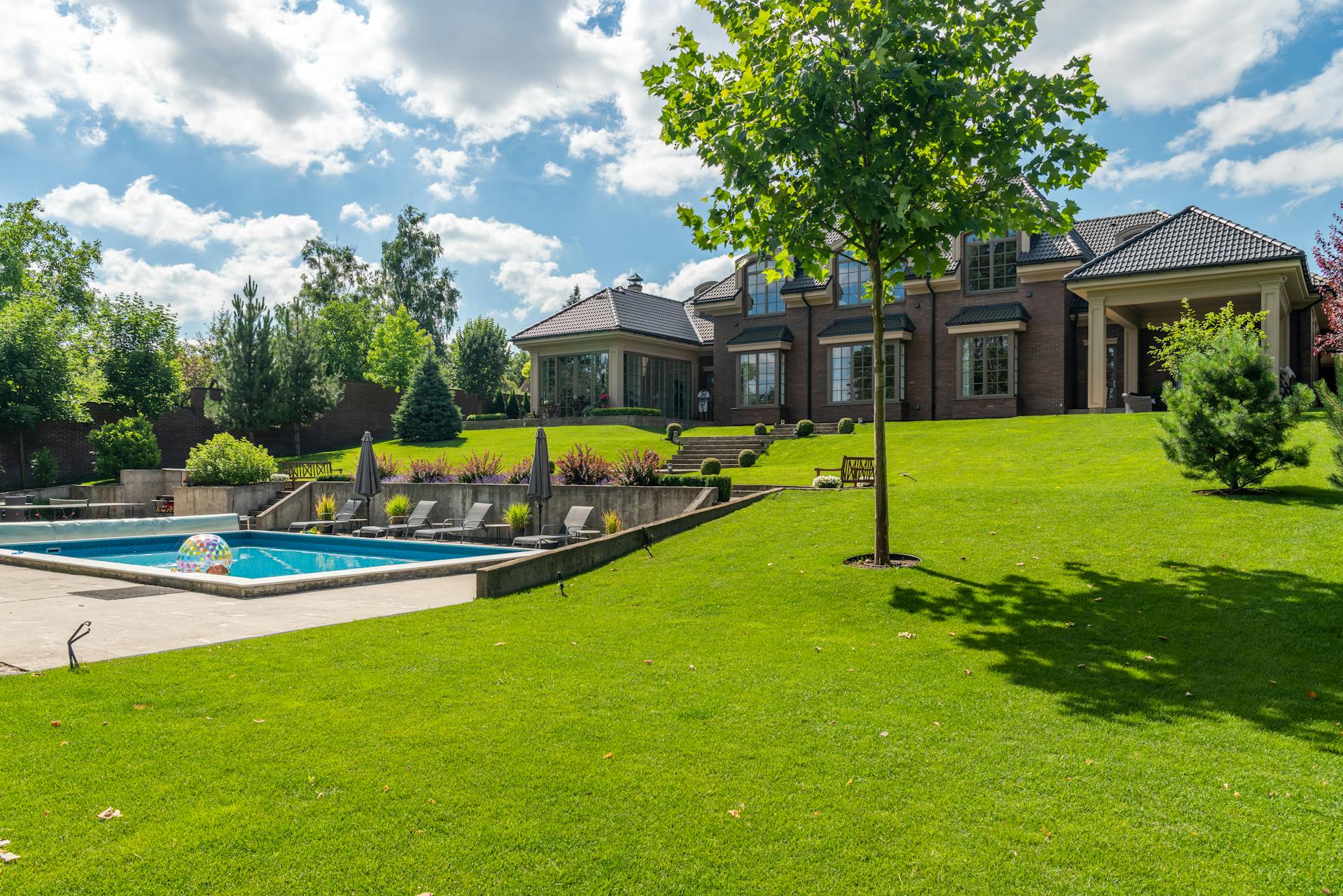
A yard can look clean without running sprinklers on autopilot or hauling bags to the curb every week. Most “high maintenance” landscapes are not actually high maintenance; they are mismatched. The plants need one set of conditions, the site delivers another, so you spend the season making up the difference with extra water, fertilizer, and replanting.
Sustainable landscaping fixes that pattern. You keep water where it belongs, you reduce waste at the source, and you build a yard that holds up when the weather swings. Read on to learn five simple ways to reduce water use and waste.
1. Start with a site-based plan before you plant
Walk the property and note sun, shade, wind, and slope. Pay attention to where puddles form after rain, and where soil bakes first. Group plants by water needs, so one thirsty corner does not force you to soak the whole yard.
This is where Landscape Consultants can help, because they spot grading issues, compacted zones, and exposure problems that quietly drive overwatering. Be sure to choose native or well-adapted plants, then space them for their mature size.
2. Make irrigation precise, and stop watering the wrong places
Spray heads waste water through drift and overspray. Drip lines and micro-emitters put water at the roots. This one change can cut usage without sacrificing health. Be sure to water early, then stop. Set a timer that you adjust with the season. Additionally, fix leaks fast, because small drips turn into big numbers. You should also add a rain sensor so you do not irrigate after storms.
3. Use mulch to hold moisture and reduce chemical inputs
Mulch is simple, and it is highly effective. It shades soil, slows evaporation, and suppresses weeds that compete for water. Fewer weeds also means fewer herbicides and less “spot treating” that turns into a habit.
Be sure to use organic mulch that breaks down over time, feeding the soil as it settles. Apply a consistent layer, and keep it off stems and trunks to avoid rot. In addition, clean bed edges keep mulch from washing into walkways and drains.
4. Keep green waste on-site, and turn it into soil
Leaves and clippings are not trash; they are free organic matter. Grasscycle when you mow, so nutrients stay on the lawn. Shred leaves and use them as mulch under trees and shrubs.
Make sure to compost what you can, then work compost into beds each season, because better soil holds water longer and reduces the need for fertilizers that can wash into drains. Cut branches down before bagging, so you use fewer bags and fewer pickups.
5. Build soil health
Most water waste starts underground. Compacted soil sheds water, and low organic soil cannot hold it. Aerate tight turf areas and top dress with compost. In beds, add compost and avoid bare soil. You should also test the soil before you fertilize. Make sure to use slow-release products only when needed. Replace thirsty strips of grass with groundcover, gravel paths, or planted beds near hardscape.
Endnote
Sustainable landscaping is not one big makeover. It is a set of small decisions that compound. You can start with one trouble spot. Fix watering, add mulch, and compost what you already produce. Be sure to also track your water bill and watch the trend. You will spend less time reacting to stressed plants, and more time maintaining a yard that looks clean, wastes less, and holds up through heat.