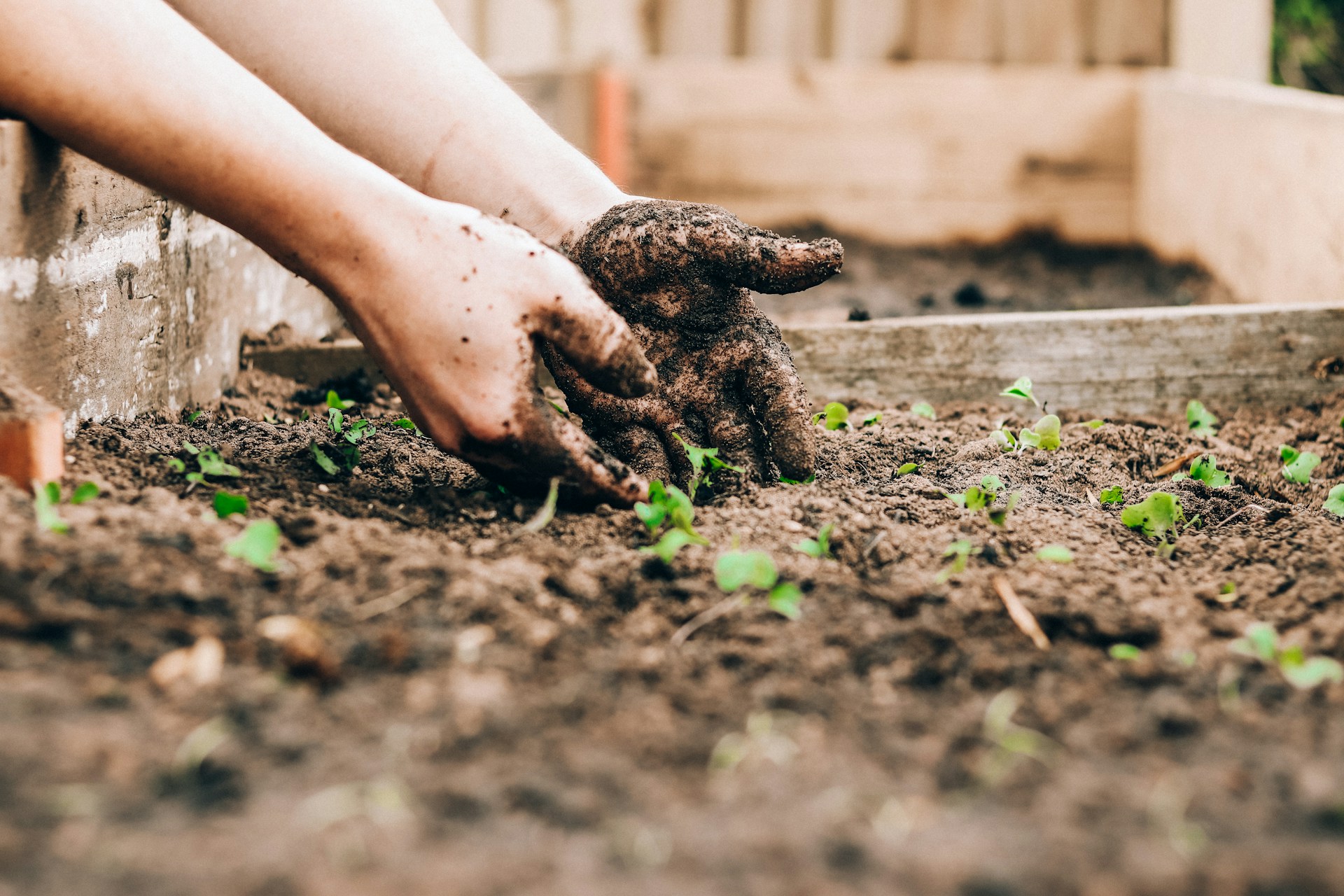
The foundation of any thriving garden isn't the plants themselves, but the soil they grow in. Healthy soil is a complex, living ecosystem that provides the structure, water, and nutrients essential for robust plant growth. Understanding and improving your garden's soil helps you create a more productive and resilient plot, yielding beautiful flowers and bountiful harvests year after year.
Understanding Your Garden's Soil
Before you can improve your soil, you need to know what you’re working with. Garden soil is generally classified by its texture, which comes from the size of its mineral particles. The three main types are sand, silt, and clay. Sandy soil has large particles and feels gritty; water drains quickly through it, carrying nutrients away. Clay soil has tiny, fine particles that pack together tightly. It holds water well but often becomes compacted, making it hard for roots to penetrate.
The ideal garden soil is loam, a balanced mix of sand, silt, and clay. Loam holds moisture but still drains well and allows for good air circulation. You can get a basic idea of your soil type with a simple "feel test," but a laboratory soil test gives you a much more detailed picture. It will show your soil’s texture, pH level, and nutrient content, providing a clear plan for what amendments you need.
The Role of Professional Lawn Care
The health of your garden soil often reflects the overall condition of your entire yard. Professional lawn care services frequently use soil testing and amendment strategies that can identify broader issues affecting both turf and garden beds, helping create a healthier growing environment across the landscape.
Professionals can diagnose widespread issues like compaction, poor drainage, or nutrient deficiencies that might affect both your lawn and your garden beds. Services like core aeration, for example, can improve how air and water move through heavy clay soils across your property, creating a better growing environment everywhere.
Key Nutrients for Plant Growth
Plants need a variety of nutrients to thrive, which fall into two groups: macronutrients and micronutrients. The three main macronutrients are Nitrogen (N), Phosphorus (P), and Potassium (K).
- Nitrogen (N): This is crucial for strong leaf and stem growth, giving plants their green color. If a plant lacks nitrogen, its leaves often turn yellow, and its growth slows.
- Phosphorus (P): Phosphorus helps with strong root development, flowering, and fruiting. It's also essential for how energy moves within the plant.
- Potassium (K): Potassium contributes to overall plant health and resilience. It helps plants resist disease, handle drought, and produce good-quality fruit.
A soil test will tell you how much of these key nutrients are already in your soil. Knowing your specific garden soil needs is important so you can apply the right fertilizers or amendments without using too much, which can harm plants and the environment.
Organic Matter and Soil Structure
One of the best ways to improve any soil type is by adding organic matter. Organic matter comes from decomposed plants and animals, like compost, aged manure, leaf mold, or grass clippings. When you mix it into the soil, it greatly improves the soil's structure.
In heavy clay soil, organic matter pushes the fine particles apart, creating larger spaces for air and water to move through. This improves drainage and makes it easier for plant roots to grow. In sandy soil, organic matter acts like a sponge, helping to hold onto moisture and nutrients that would otherwise wash away. It also slowly releases essential nutrients and supports the beneficial microorganisms that make soil a living ecosystem.
Simple Steps to Enhance Soil
Improving your soil is an ongoing process, not a one-time fix. Consistently using a few simple practices will build healthier soil over time. The USDA offers excellent tips for healthy soil that are easy for home gardeners to implement.
Start by adding a 2- to 3-inch layer of compost to your garden beds each year and gently mix it into the top few inches of soil. Then, apply a layer of mulch, like wood chips or straw, over the soil surface. Mulch helps keep moisture in, suppresses weeds, and regulates soil temperature. It also breaks down over time, adding more organic matter. Finally, avoid compacting the soil by creating designated pathways and not walking on or tilling wet garden beds.
Investing time in your soil’s health is the most important thing you can do for your garden. Rich, well-structured soil will support strong plants that are more resistant to pests and diseases, giving you a beautiful and productive space.