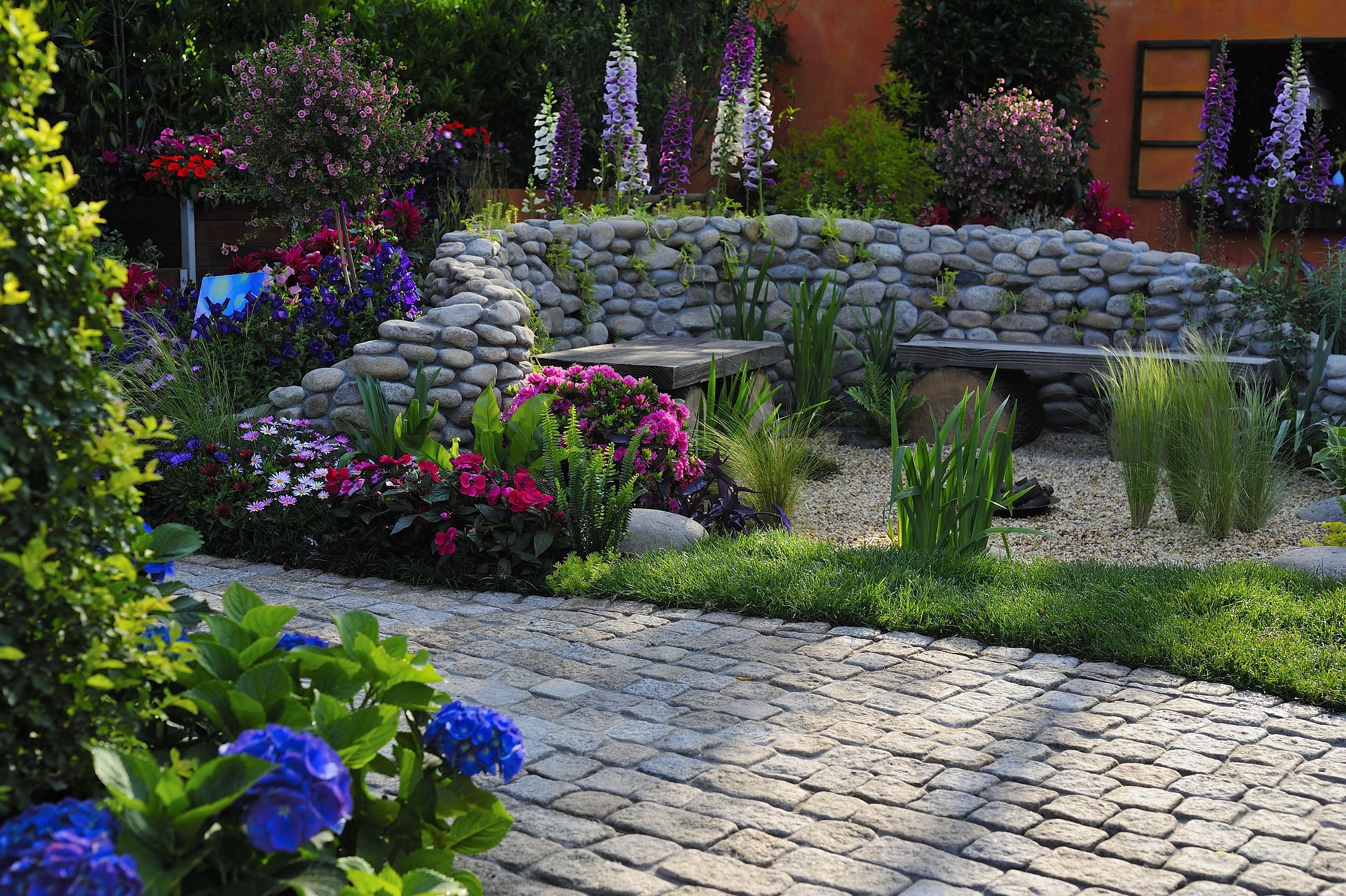
A stunning garden is the result of careful attention, patience, and knowledge. Healthy plants not only add aesthetic beauty but can also improve the air quality, encourage biodiversity, and contribute to a greener planet. Cultivating these flowers requires more than simply watering them. Healthy plants require creating the right environment and providing care that allows them to grow. In this blog, we will look at some ways that will make sure that it remains lush through each season:
Smart Irrigation with a Drip System
Watering plants might seem simple, but it’s actually a science. Overwatering can lead to root rot, while underwatering leaves them weak and stressed. A drip irrigation system is an innovative solution to make sure that the water reaches each root zone directly without waste and keeps the soil consistently moist. This is perfect for dry climates where plants get water without drowning in their own nutrients. Installing such an efficient and long-term investment may take some time but will prove worth its weight in gold in terms of health and investment value.
Mulch It Up
Mulching provides your plants with a protective layer of organic materials like wood chips, straw, or compost that acts like an invisible blanket to maintain soil moisture retention, suppress weeds, and regulate temperature. These are all important factors in maintaining plant health. As organic mulch decays, it adds essential nutrients back into the soil, boosting fertility and encouraging better plant growth.
Shade It Like a Pro
Gardening can feel like an uphill struggle against nature. With intense sun and heat wreaking havoc on plants, causing stress and dehydration. Durable shade fabric offers an easy yet highly effective solution. By strategically placing shade cloth over your garden, you can protect delicate plants from too much direct sunlight while still allowing them to photosynthesize. Choose lightweight yet breathable fabric, which is easily adjusted as the seasons change. It could turn your garden into an environment in which plants flourish like never before.
Feed the Soil
Proper soil nutrition is important to strong root systems and vibrant foliage. Regularly add organic compost, manure, or homemade fertilizers such as compost tea to give it its needed mix of vitamins. Do soil testing regularly to identify deficiencies and make adjustments as necessary. Introducing earthworms can further boost fertility as they aerate and deposit castings that enhance it naturally.
Keep Pests at Bay Naturally
Pests in your garden can be an ongoing nuisance, but turning to synthetic chemicals may not always be the most eco-friendly solution. Instead, try encouraging natural predators like ladybugs or birds that feast on harmful insects. Companion planting (growing plants that repel or attract beneficial bugs) is another environmentally friendly approach. For instance, marigolds deter aphids while basil repels mosquitoes and flies. Homemade solutions like neem oil or soapy water sprays can also help control infestations without harming either your plants or the environment.
Conclusion
Maintaining plant health in your back garden requires science and creativity. When you integrate tools like a drip irrigation system, shade fabric, and enriching the soil and staying mindful of pests, you can create an environment in which your plants flourish. Cultivating a stunning garden doesn’t just bring joy to your space but also contributes to creating a more vibrant and sustainable world. Being a green thumb requires not luck but care, strategy, and dedication.