You showed up to your plot on a Tuesday morning, ready to check on the tomatoes you've been nursing for weeks. Instead, you find half-eaten vegetables, overturned containers, and soil scratched up along the bed edges. Your first instinct is slugs. Maybe rabbits. You spend the weekend laying traps and sprinkling deterrents — and the damage keeps happening anyway.
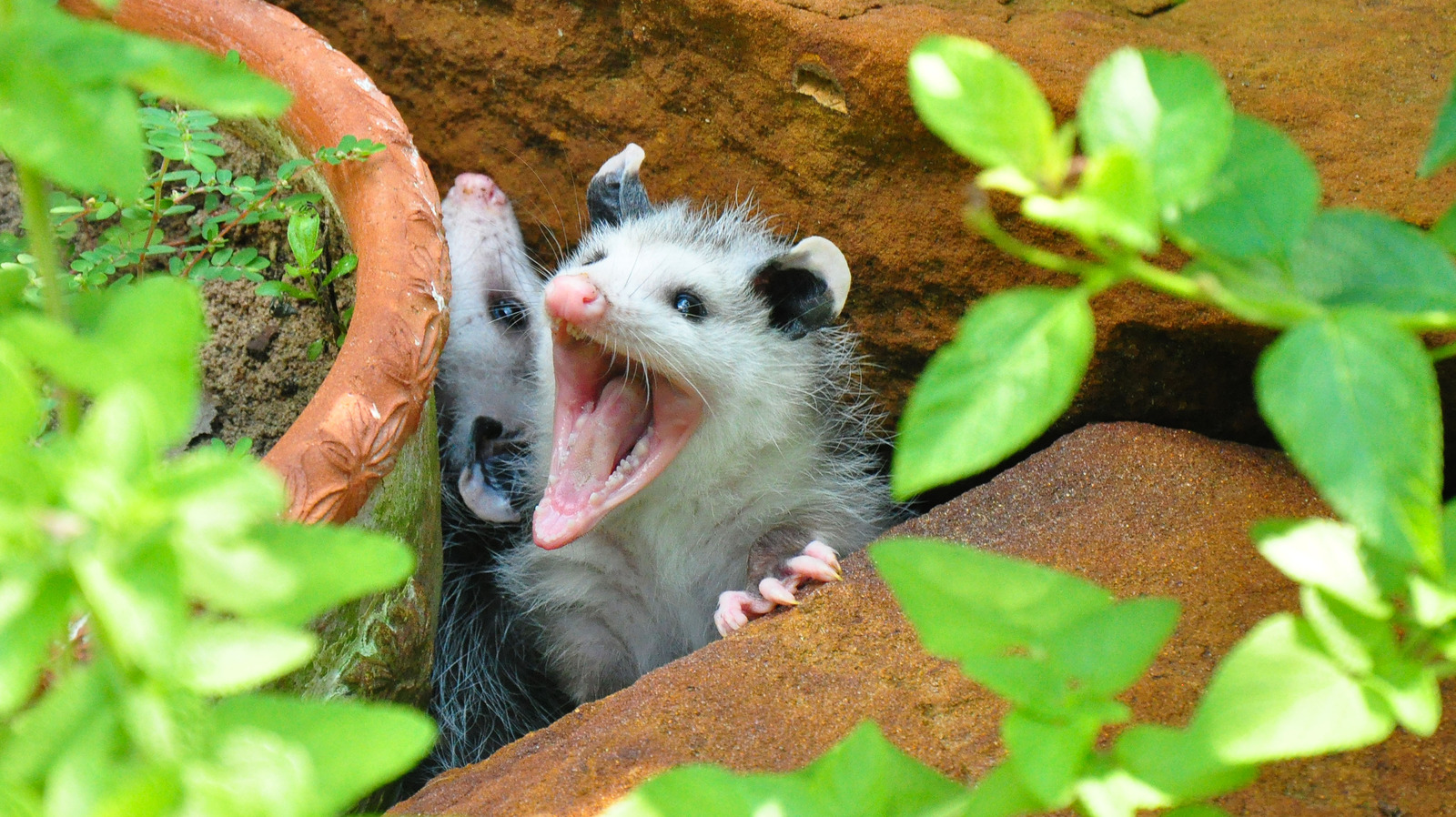
The culprit is likely an opossum. And the reason your fixes aren't working is the same reason most gardeners stay stuck: they're solving the wrong problem.
Opossums don't raid garden plots randomly. They come back to the same spots for very specific reasons. Once you understand what's drawing them in, the fixes become obvious — and most of them cost nothing.
How to Tell It's an Opossum (Not Another Pest)
Getting the identification right matters. Slugs, rabbits, and opossums all damage gardens but respond to completely different deterrents. Here's what to look for:
Tracks: Opossum prints look almost like small human hands — five spread fingers with a thumb-like inner toe. You'll find them near soft soil or muddy pathways.
Droppings: Tubular, roughly 1–2 inches long, left in small clusters near sheds or fence bases.
Damage pattern: Unlike rabbits, which make clean cuts on stems, opossums tear and gnaw at soft, ripe produce. They favor overripe or fallen fruit and rarely touch young seedlings.
Timing: Strictly nocturnal. Slugs also work at night but leave a slime trail — opossums don't.
Why Your Garden Plot Is an Irresistible Target
Most garden plots offer all three things opossums look for: food, water, and shelter.
Food is the biggest draw. Opossums prefer anything overripe, soft, or fermenting. A vegetable plot at peak season — ripe tomatoes, fallen corn, an open compost bin — is exactly what they're foraging for. They don't need to hunt. They just need to show up.
Water is often overlooked. Watering cans left out, irrigation runoff pooling between beds, or a shared water source can all serve as a reliable stop on a nightly route.
Shelter seals the deal. Dense vegetation, tool sheds, and overgrown plot borders give opossums quiet spaces to rest during the day. Once a plot feels safe to sleep near, it becomes a regular stop.
The reason opossums keep coming back isn't persistence — it's habit. Opossums are predictable creatures driven by a few simple needs — understanding them is the first step to solving the problem. Remove what's drawing them in, and most will quietly move on within days.
The Opossum Benefit You Should Know Before Acting
Opossums aren't entirely the villain here. They eat slugs, beetles, cockroaches, and insects that damage crops. They hunt small rodents that burrow into root vegetables. Research has found they consume thousands of ticks per season — genuinely valuable in tick-prone areas.
That doesn't mean you have to tolerate the damage. It just means the goal isn't to eliminate opossums entirely — it's to make your specific plot less attractive than whatever else is nearby. That's a much easier problem to solve.
The Fixes Most Gardeners Miss
Most gardeners go straight for sprays, lights, or traps. These rarely work long-term because they address the symptom, not the cause.
- Managing Overripe Produce A tomato dropped off the vine, a cob of corn past its window, strawberries unnoticed at the back of the bed — these are exactly what keeps an opossum returning nightly. Do a quick sweep at the end of every visit and remove anything overripe or fallen. It's the single most overlooked fix, and it costs nothing.
- Securing the Compost Bin On a rented or shared plot, the compost bin is often communal and open. From an opossum's perspective, it's a free meal that reloads itself every few days. Switch to a lidded, fully enclosed bin. This one change is often enough to break the cycle of repeat visits entirely.
- Fencing Done Right Many gardeners have fencing and still find damage inside it. The reason is almost always the same — the fence is too short or too easy to climb. Opossums are capable climbers; a standard 2-foot garden border does nothing. Fencing needs to be at least 4 feet tall with the top angled outward so an opossum can't pull itself over.
- Netting Raised Beds For plot renters who can't control the surrounding area, netting is the most reliable option. Lightweight wildlife netting draped over raised beds and secured at the edges deters most opossums, who prefer easy access over a struggle. PVC hoops arched over the bed make a structure you can lift for access and close each evening — low cost and simple to install.
- Motion-Activated Water Sprinklers Motion-triggered sprinklers are the most effective deterrent in this category. A sudden burst of water is startling enough to disrupt the routine without causing harm. Lights alone lose effectiveness within a few nights if food is still available. Sound devices are even less reliable. If you invest in any deterrent, make it water — and use it alongside the attractor-removal steps, not instead of them.
What Doesn't Work (So You Stop Wasting Money)
Chilli sprays and garlic repellents wash off after one rain. Even in dry conditions, the scent fades within a day or two — and if food is still available, opossums will ignore the smell entirely.
High-frequency audio devices perform poorly in real-world garden settings and are far more likely to annoy neighbouring gardeners than change an opossum's behaviour.
Mothballs are sometimes suggested in older guides. Avoid them — they're toxic, harmful to soil, and illegal to use as animal repellents in many areas.
The pattern is the same across all of these: they try to mask the problem rather than remove the cause.
Conclusion
If an opossum keeps showing up at your plot, the answer is rarely a stronger repellent or a better trap. It's something simpler: one attractor you haven't removed yet.
It might be the open compost bin. The overripe tomatoes at the back of the bed. The fence that's two feet too short. Fix that one thing, and the habit usually breaks on its own.
Opossums return to places that reliably reward them. Make your plot unrewarding, and you won't need to spend a penny on deterrents.
Start with the attractors. The rest takes care of itself.