A thriving backyard garden checks a lot of boxes: fresh produce, a place to unwind, curb appeal. What most gardeners don't realize is that the very features that make a garden productive — rich soil, dense plantings, compost, standing water — also make it appealing to rodents and stinging insects. In New Jersey, where mild, humid summers and dense residential landscaping create ideal conditions for both, a well-loved garden can quietly become a pest magnet if a few common risk factors go unaddressed.
The good news: every risk factor below is fixable, and most NJ gardeners can meaningfully cut their risk with a few maintenance changes and one seasonal inspection.
Why Gardens Are So Attractive to Rodents
Rodents look for three things: food, water, and shelter. A backyard garden often provides all three in one convenient spot. Compost piles offer a steady food source and warmth, especially in fall and winter when natural food becomes scarce elsewhere. Mulch beds and dense ground cover create cover from predators and a soft, easy surface for burrowing. Bird feeders — a garden staple for many NJ homeowners — scatter seed on the ground, which is essentially a self-refilling food bowl for mice and rats.
Raised beds and garden sheds add another layer of risk. The gap underneath a raised bed frame or a shed floor is a common nesting spot, since it's dry, dark, and rarely disturbed. Once rodents establish a burrow near the garden, it's a short trip to the house itself — particularly during colder months when they look for warmer shelter and find it through foundation gaps, vents, or utility penetrations.
Left unaddressed, a rodent population that starts in the garden doesn't stay there. Mice and rats chew through wiring and insulation once inside a structure, which creates real safety hazards beyond the initial nuisance. A professional rodent control service can identify active burrows near a garden or foundation, remove them safely, and seal off entry points before rodents make the move indoors.
Why Stinging Insects Love Garden Spaces
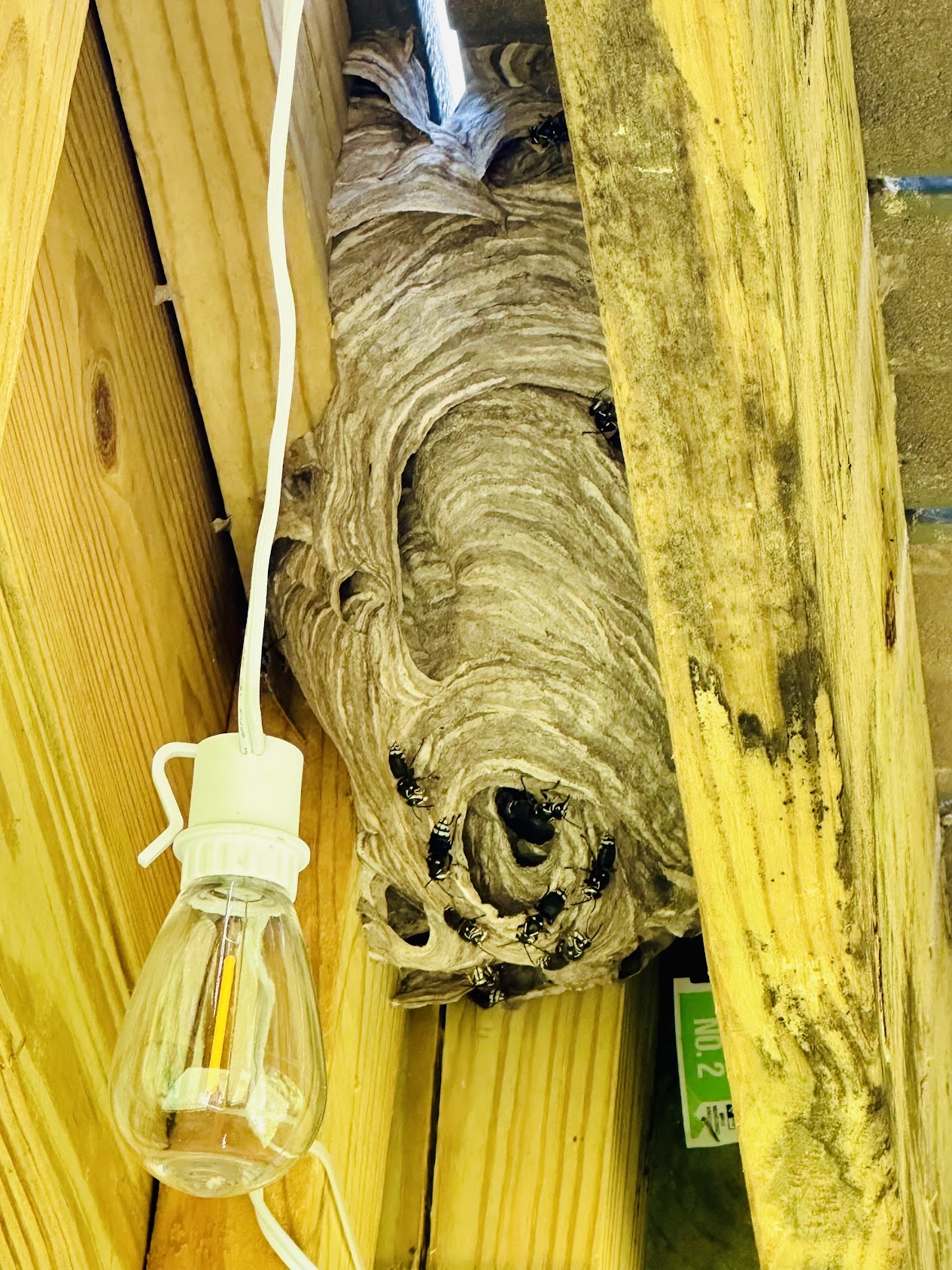
Gardens are equally attractive to wasps, yellow jackets, and hornets, though for different reasons. Flowering plants and ripening fruit provide a steady food source throughout the growing season, while garden structures — sheds, trellises, fence posts, the underside of raised beds — offer sheltered, undisturbed spots to build a nest. Dense hedges and overgrown perennial beds are particularly attractive because they combine cover with proximity to food.
Ground-nesting species like yellow jackets present a specific hazard in garden settings, since their nests are often invisible until a gardener's trowel or foot disturbs one directly. What starts as a colony of a few dozen insects in early spring can grow to several hundred by late summer, right around the time gardens are at their most active and most visited.
Because these nests tend to be well hidden until they're already established, the safest approach is a proactive inspection rather than waiting for a sting to reveal the problem. A stinging insect inspection can locate active nests around sheds, hedges, and garden structures early in the season, before they reach a size that poses a real risk to anyone spending time outdoors.
The New Jersey Factor
Climate and geography make New Jersey gardens particularly susceptible to both problems. The state's humid summers and mild, wet falls extend the active season for stinging insects well into October in most years, giving colonies extra time to grow before the first hard frost. White-footed mice and house mice, the two species most commonly found in NJ residential gardens, are both prolific breeders capable of producing several litters per season when food and shelter are reliably available — conditions a well-maintained garden often provides without meaning to.
Suburban and exurban NJ properties add another layer of risk simply because of proximity to wooded lots, greenbelts, and undeveloped land, which act as a constant source of new rodent and insect populations moving into adjacent yards. A garden that borders a wooded area or a drainage easement is statistically more likely to see repeat activity season after season, which is why an annual or seasonal inspection tends to matter more for these properties than for a garden in a fully built-out, paved neighborhood.
Garden Habits That Reduce the Risk
A few adjustments to garden maintenance go a long way toward making a yard less attractive to both rodents and stinging insects, without sacrificing the garden itself:
-
Manage compost carefully: Use a sealed or rodent-resistant bin rather than an open pile, and avoid adding meat, dairy, or oily food scraps.
-
Clean up fallen fruit and birdseed: Both are reliable food sources for rodents and, in the case of fruit, can also draw stinging insects once it begins to ferment.
-
Trim back dense growth: Keep hedges, ground cover, and overgrown perennials pulled back from structures and pathways to reduce nesting and burrowing cover.
-
Check raised beds and sheds seasonally: Look underneath and around these structures each spring and fall for early signs of burrowing or nest-building before activity ramps up.
-
Eliminate standing water: Empty saucers, buckets, and low spots after rain, since standing water attracts a wider range of pests beyond rodents and stinging insects.
None of these habits require giving up a productive garden — they simply remove the conditions that make a well-tended yard equally appealing to unwanted visitors. Combined with a seasonal professional inspection, they're the most reliable way to keep a garden's benefits without the pest problems that can come with it.
When to Call a Professional
Good garden habits reduce risk, but they don't eliminate it entirely, especially on established properties with mature landscaping. Signs worth acting on include fresh burrow holes near garden beds or sheds, gnaw marks on hoses or irrigation lines, increased insect activity around a specific structure, or simply not having had a yard inspected in the past year. Catching a developing rodent or stinging insect problem in the garden — before it reaches the house or becomes a safety hazard — is almost always simpler and less costly than addressing it after the fact.
It's also worth remembering that a garden's pest pressure changes from year to year based on weather patterns, what's planted nearby, and how neighboring properties are maintained. A yard that had no issues last season isn't guaranteed to stay that way, which is part of why a one-time treatment is rarely as effective as an ongoing seasonal relationship with a pest control provider who knows the property's history and can spot changes early.
Protect Your Garden This Season
The best time to address rodent and stinging insect risk in a garden is before nesting season ramps up — not after a burrow or a nest is already established. Rated 4.9 stars across 232+ reviews, Environmina Pest Control offers seasonal garden and yard inspections for NJ homeowners, backed by a 90-day standard warranty (extended to one year on carpenter ant and carpenter bee treatments).
Ready to find out what's living in your garden before it becomes a bigger problem? Schedule a seasonal inspection online and get ahead of rodent and stinging insect season while it's still easy to manage.
About Environmina Pest Control
Environmina Pest Control is a family-owned, NJ DEP-licensed and IPM-certified pest control company serving property owners throughout New Jersey. The team is led by an NJ State Certified Pest Control Technician and holds a 4.9-star rating across 232+ reviews. Environmina backs its work with a 90-day standard warranty, extended to one year on carpenter ant and carpenter bee treatments, and offers online appointment booking for property owners ready to schedule a seasonal inspection.