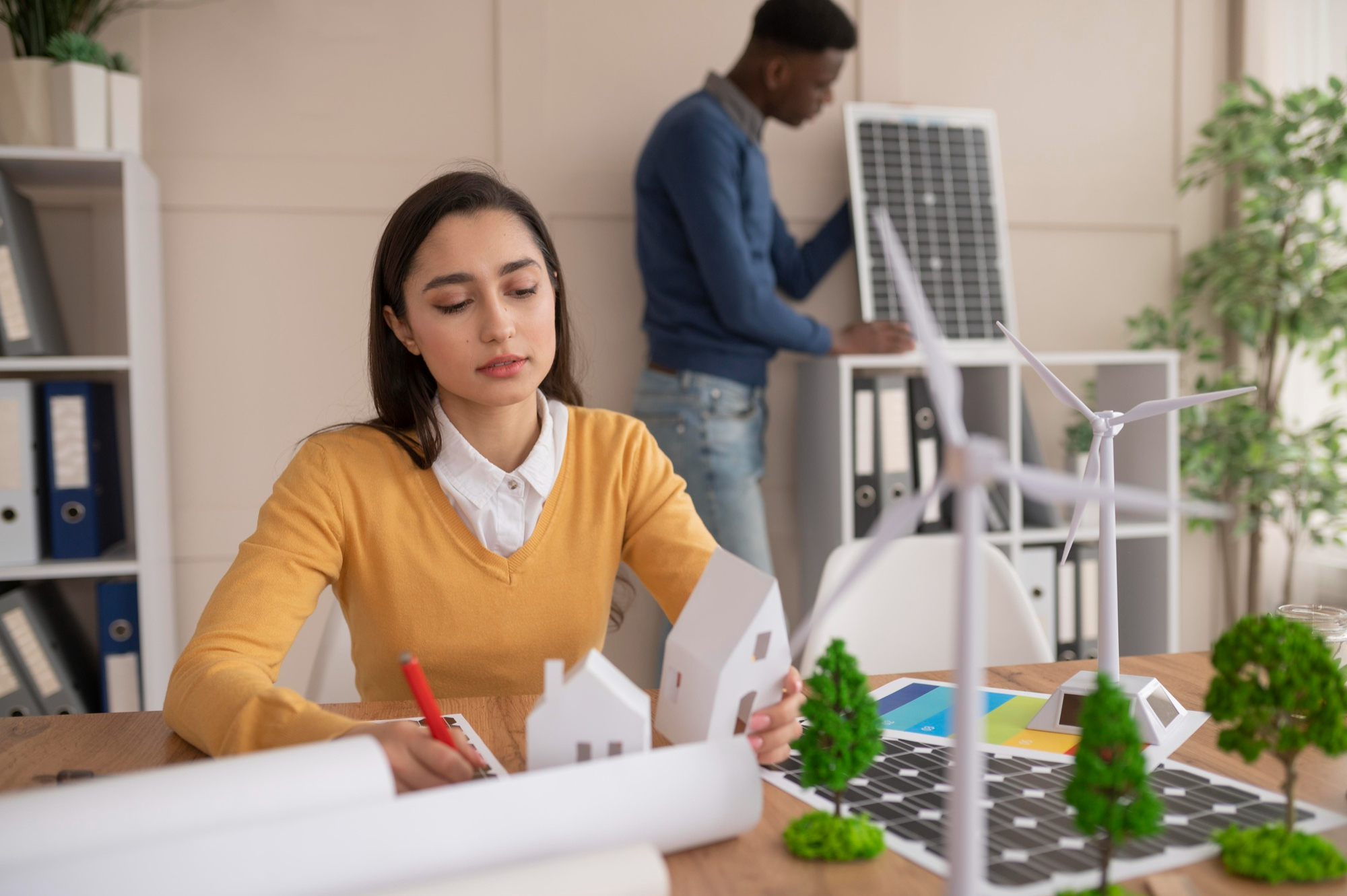
Energy efficiency and sustainability are no longer just environmental buzzwords. They are smart financial strategies for homeowners. Making eco-friendly investments in your home can not only reduce your carbon footprint but also save you significant money over time. While some upgrades may seem costly initially, the long-term benefits often outweigh the upfront expenses.
Investing in Solar Energy
One of the most effective ways to cut energy costs is through renewable energy solutions, particularly solar power. Solar panels can dramatically reduce or even eliminate monthly electricity bills, depending on your energy usage and location. For homeowners in Arizona, where sunlight is abundant year-round, investing in solar energy can be especially advantageous. Partnering with reputable solar companies in Tucson AZ ensures that your system is designed efficiently, maximizing energy output and long-term savings. Beyond energy bills, solar installations can increase the resale value of your home, making it a smart investment from multiple angles.
Upgrading Insulation and Windows
Another area where eco-friendly upgrades save money is in home insulation and windows. Modern insulation materials and double or triple-pane energy-efficient windows minimize heat loss in the winter and keep interiors cool in the summer. This reduces the workload on heating and cooling systems, lowering utility bills significantly. Over a period of several years, the reduction in energy usage can easily offset the initial cost of these upgrades.
Water-Saving Fixtures and Irrigation
Water conservation is another critical component of eco-friendly home investments. Installing low-flow faucets, showerheads, and toilets, as well as water-efficient irrigation systems, can reduce water consumption dramatically. For households in regions with high water costs or strict conservation regulations, these upgrades translate directly into savings. Even small changes like fixing leaks promptly or installing smart irrigation timers can add up over time.
Smart Home Technology for Efficiency
Smart home technology also plays a role in long-term savings. Programmable thermostats, automated lighting, and energy-monitoring systems help homeowners track and control energy use efficiently. By automating heating, cooling, and lighting based on occupancy and time of day, these systems prevent unnecessary energy consumption. While installing smart home devices involves an upfront cost, the reduction in monthly utility expenses can make the investment worthwhile within a few years.
Eco-Friendly Landscaping
Eco-friendly landscaping can contribute to lower maintenance and utility costs. Planting drought-resistant species, using native plants, and implementing xeriscaping reduces water usage and the need for chemical fertilizers. Shading from strategically placed trees can also lower cooling costs by reducing heat absorption in your home.
Tax Incentives and Rebates
It is important to consider that eco-friendly home improvements may also qualify for tax incentives or rebates. Federal, state, and local programs often provide financial incentives for renewable energy installations, energy-efficient appliances, and water-saving upgrades. These incentives can further reduce the net cost of improvements, enhancing your long-term savings.
Rounding Everything Up
Investing in eco-friendly home solutions is not just a responsible choice for the planet. It is a financially savvy strategy. From solar panels to energy-efficient windows, water-saving fixtures, and smart home technology, these upgrades help homeowners save money while enhancing comfort and property value. By making thoughtful, sustainable investments today, you can enjoy lower utility bills, increased home efficiency, and a long-term return on investment that far exceeds the initial costs.