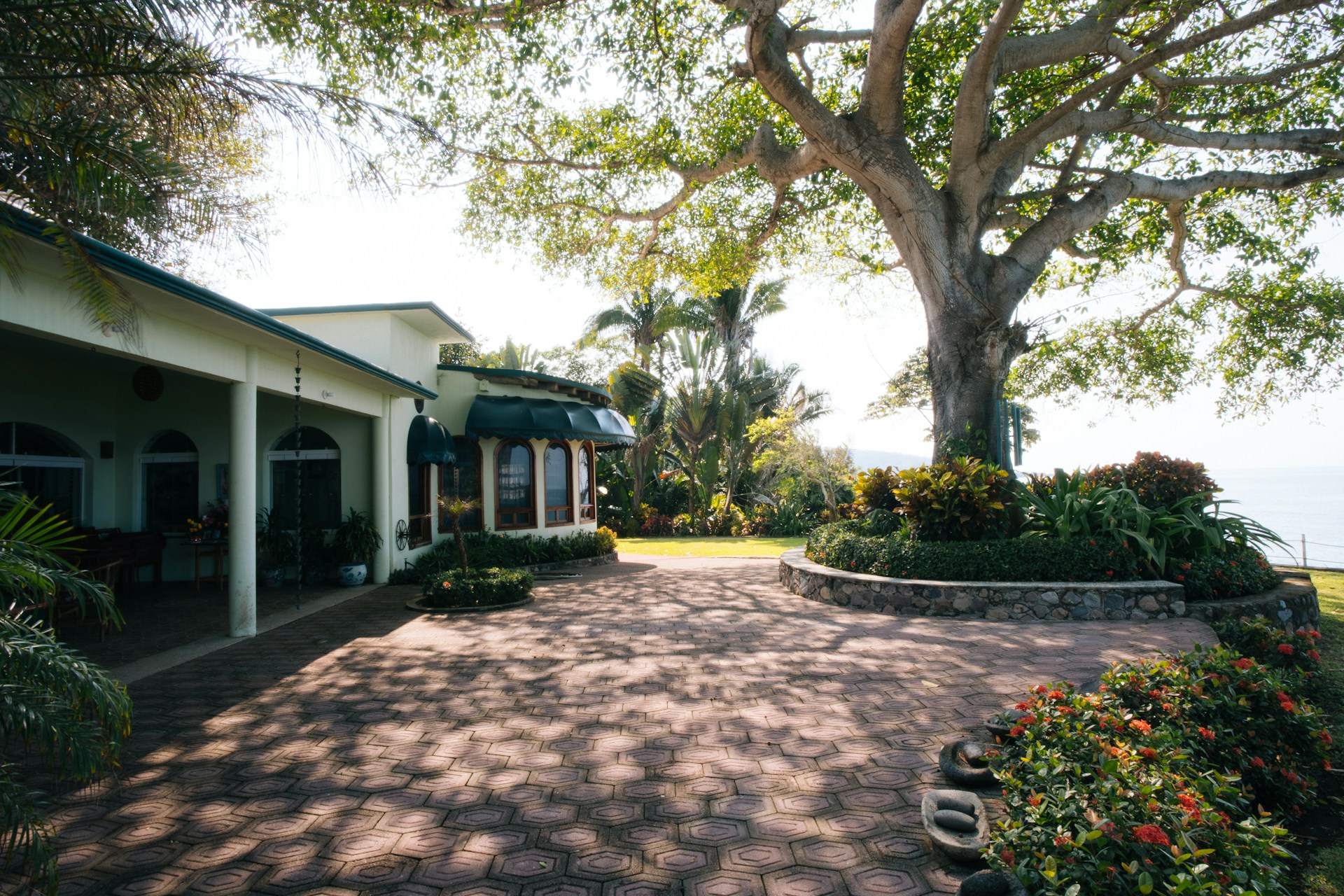
Trees are one of the greatest assets a yard can have. But there are times when keeping a tree is no longer the safest option. While many issues can be resolved through pruning or maintenance, some situations require professional tree removal to protect your home and your loved ones.
Knowing when removal is the best course of action can help prevent much bigger problems down the road.
The Tree Poses a Risk To Your Outdoor Structures
A mature tree growing close to a house can become a significant safety risk, particularly if large branches extend over the roof. During storms or periods of high wind, heavy branches can break, causing potential damage to roofing materials, gutters, windows, and even outdoor structures like siding. Besides, even if the branches don’t break, when they constantly rub against the roofing, they can wear away shingles and create entry points for moisture.
Fortunately, complete removal isn’t always necessary. In many cases, strategic pruning can reduce the risk while preserving the tree’s health and appearance. However, if the tree is leaning heavily or has suffered extensive storm damage, removing it entirely may be the safest long-term option.
The Tree is Diseased
Trees can become sick even with the best of care.
Fungal diseases are among the most common causes of declining tree health. Mushrooms growing around the base of the trunk are a clear indication that the disease has taken hold. There are other signs, such as dead branches and peeling bark, which show the tree is not healthy anymore. When left untreated, some fungal infections can weaken the tree from the inside, which means removal is the best option.
In some cases, the problem begins below ground. Damaged or leaking sewer lines can saturate the surrounding soil, creating conditions that encourage root rot and harmful microorganisms.
Bear in mind that diseases are treatable when they are diagnosed early.
Insects Have Caused Severe Damage
Across the United States, several pests are known for causing extensive tree damage.
Emerald ash borers have devastated millions of ash trees.
Southern pine beetles can destroy pine forests and residential landscapes.
There are many other destructive insects, including the Asian longhorn beetles, bark beetles, and wood-boring insects that tunnel beneath the bark and disrupt a tree’s ability to transport water and nutrients.
It is sometimes possible to manage early infestation through target pest control treatments. Unfortunately, you need to act fast.
The Roots Are Damaging the Foundation
While most people focus on what’s happening above ground, a tree’s roots can sometimes create serious problems below the surface.
Large root systems naturally expand in search of moisture. If a tree is planted too close to a home, the roots may begin exerting pressure on foundations and retaining walls.
What does it look like from the outside? You may notice cracked concrete, uneven walkways, doors that no longer close properly, etc. If the roots have reached underground pipes, you may even have recurring plumbing issues.
The structural repairs often end up far more expensive than addressing the tree itself. However, you will need to work with an expert to determine whether the roots are actively threatening the home’s foundation and other essential infrastructure.
Although removing a tree is never an easy decision, these are situations where it’s the most responsible option. Naturally, it’s not a decision you need to take by yourself. You can work hand-in-hand with a professional who can shed light on the potential damage the tree may cause or sustain.