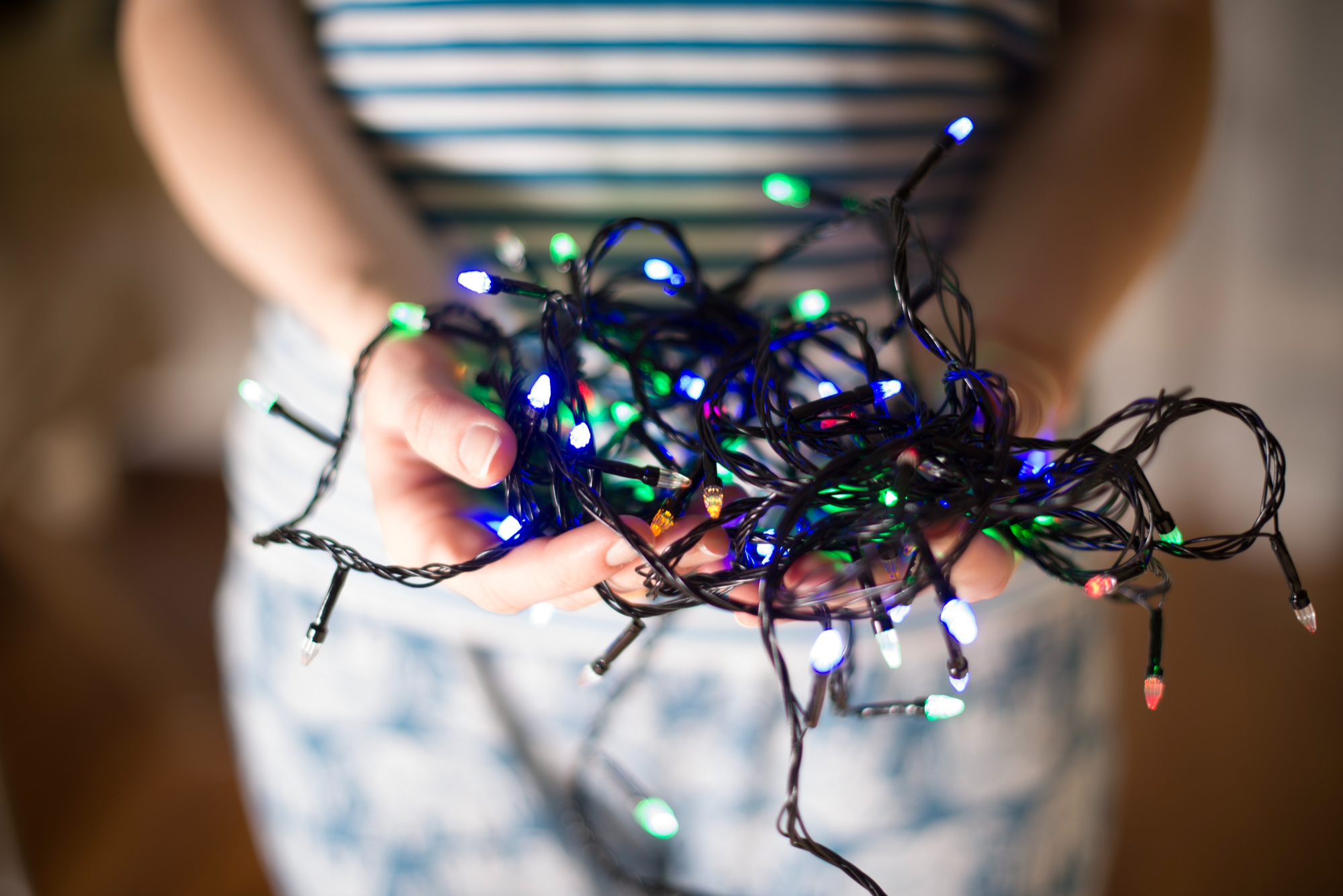
Every year, homeowners face the same seasonal question: when is it acceptable to start decorating for Christmas? Some families begin pulling boxes of ornaments and lights out as soon as Halloween ends, while others prefer to enjoy Thanksgiving and the colors of fall before making the transition to Christmas. There is no single right answer, but several practical factors can help determine when it makes sense to start.
From neighborhood traditions and weather conditions to family schedules and the amount of time outdoor decorations will remain in place, the ideal decorating timeline can vary significantly from one household to another.
Consider Your Neighborhood Norms
One of the easiest ways to decide when to decorate is to look at what is happening around you. Neighborhood traditions often influence when homeowners feel comfortable putting up Christmas decorations.
In some communities, Christmas lights begin appearing in early November. Other neighborhoods wait until after Thanksgiving, creating a more consistent seasonal transition. If most homes on your street decorate around the same time, following the general neighborhood pattern can help your display feel appropriately timed rather than unusually early or late.
That does not mean you have to follow everyone else's schedule. Families with busy December calendars may choose to decorate earlier simply because they know they will not have much free time later. The important thing is to consider how your decorations fit into the overall look and expectations of the neighborhood.
Fall and Thanksgiving Decorations Can Have Their Moment
For many homeowners, part of the enjoyment of seasonal decorating is experiencing each season separately. Autumn decorations featuring pumpkins, leaves, wreaths, and warm colors can create a completely different atmosphere from Christmas lights and greenery.
If you enjoy fall decorating, there is no need to rush into Christmas immediately after Halloween. Keeping autumn decorations through Thanksgiving can make the transition to Christmas feel more intentional.
On the other hand, some families enjoy an extended Christmas season and prefer to start decorating earlier. A compromise can be to leave certain fall elements in place while gradually introducing neutral winter decorations. Once Thanksgiving arrives, the remaining autumn pieces can be replaced with the rest of the Christmas display.
Think About the Weather
Weather is another important consideration, particularly when outdoor decorations are involved. Putting up Christmas lights often requires spending time outside, climbing ladders, working around the roofline, or arranging decorations throughout the yard.
Milder weather can make these tasks much more comfortable than waiting until December. Homeowners who live in areas where temperatures become colder later in the year may therefore prefer to install their outdoor decorations in November, even if they do not plan to turn the lights on immediately.
Planning ahead can also help avoid rushing through installation when holiday schedules become crowded. Some homeowners schedule professional installation early, then wait until November or closer to Thanksgiving to activate the display. This approach allows the physical work to be completed before the busiest part of the holiday season.
For homeowners looking for professional assistance, a christmas light hanging service in Southlake can make the installation process easier while allowing families to choose when they want the finished display illuminated.
Consider How Long the Decorations Will Stay Up
Another useful question is not simply when you will put Christmas decorations up, but how long they are realistically going to remain in place.
If outdoor lights are installed in early November and stay up until early January, the display will be visible for several weeks. That can make an early installation worthwhile, particularly if the decorations are designed to handle normal seasonal outdoor conditions.
However, homeowners should consider the condition of their decorations throughout the season. Outdoor lights, wreaths, inflatables, garlands, and other decorations may be exposed to wind, rain, temperature changes, and other elements. Installing everything excessively early can mean a longer period of exposure.
A practical schedule might involve installing outdoor decorations in November, turning them on around Thanksgiving, and taking them down shortly after New Year's Day. This gives homeowners plenty of time to enjoy the display without leaving it up for an unnecessarily long period.
Family Schedules Matter More Than Tradition
Holiday decorating is often a family activity, which means everyone's schedule can influence the timing. Parents may have work commitments, children may have school activities, and weekends can quickly become filled with shopping, parties, travel, and other plans.
Decorating early can remove one task from an already busy December calendar. Families that travel during the holidays may especially benefit from completing outdoor decorating before leaving home.
Some households also turn decorating into an annual tradition. They may choose a specific weekend in November when everyone gets together, plays Christmas music, prepares seasonal food, and decorates the house. In these cases, the timing becomes less about following a universal rule and more about preserving a family tradition.
Indoor and Outdoor Decorating Don't Have to Happen Together
There is also no requirement to decorate every part of your home on the same day.
You might put up a Christmas tree and indoor decorations in late November while waiting another week or two before turning on exterior lights. Alternatively, outdoor lights can be installed early while indoor decorations remain packed away.
This staggered approach can be particularly useful for homeowners who want to avoid doing everything at once. Exterior installation can be completed when the weather and schedule are convenient, while the more decorative indoor work can happen closer to the holidays.
It also means homeowners can enjoy the convenience of early preparation without necessarily feeling like Christmas has arrived too soon.
So, When Is Too Early?
For most homeowners, there is no universally "too early" date. If you love Christmas and want to decorate in October, that is ultimately a personal choice. However, homeowners who prefer a more traditional seasonal transition may find that early to mid-November provides a comfortable middle ground.
Waiting until after Thanksgiving remains a popular choice, especially for families who want fall and Christmas to have their own distinct periods. Meanwhile, installing outdoor lights before Thanksgiving but waiting to turn them on can offer the best of both approaches.
The key is to consider your neighborhood, local weather, family schedule, and how long you want the decorations to remain outside. Practical planning can be just as important as tradition.
Make the Season Work for Your Household
Christmas decorating should be enjoyable rather than stressful. Whether you decorate immediately after Halloween, wait until Thanksgiving weekend, or choose a date somewhere in between, the best schedule is the one that fits your household.
If your family has limited time in December, getting outdoor decorations installed early can give you more freedom to enjoy the season. If you love fall and Thanksgiving traditions, waiting a little longer may make the Christmas transition more meaningful.
Ultimately, there is no magic date on the calendar. Start when it makes sense for your family, decorate in a way that suits your home and neighborhood, and make sure the display gives you plenty of time to enjoy the holiday spirit.