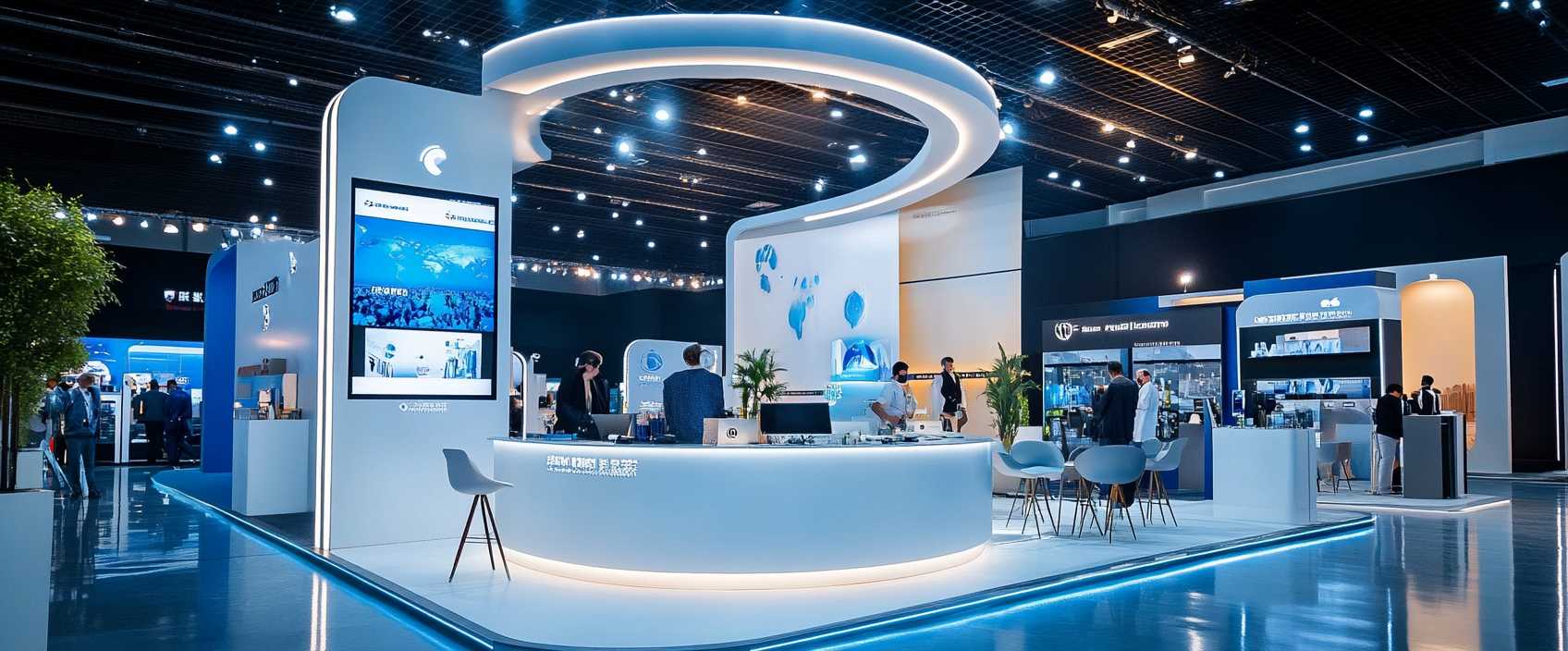
Planning an exhibition stand isn’t something to wing a few weeks out - not unless you enjoy last-minute print disasters and awkward courier calls. A well-executed stand requires more than just showing up with leaflets.
Below is a rough timeline most first-time (and even seasoned) exhibitors follow. Timing will flex a bit depending on the size of the event and how elaborate your stand is, but the foundations are pretty consistent.
4-6 months prior: booking
This is typically when you’ll need to commit. Secure your space early, especially if you want a good location. Corner plots and spots near main aisles go fast.
Once booked, mark out prep time in your team’s calendar. You’ll need clear heads and bodies on the ground, not last-minute volunteers trying to remember an almost improvised elevator pitch.
This is also when to set your budget. Costs can snowball, and floor space is just the start. You’ll need to account for stand design from a provider like Focal Exhibitions, print materials, transport, staffing, lead capture tools, and likely accommodation if it’s not local.
3 months out: design & messaging
Lock in your stand design. If you’re going custom-built, your design agency needs enough time to mock up layouts, produce renders, and finalise materials. Even if you're using a shell scheme, decisions about backdrops, banners, and lighting need to happen now.
This is also when you should start to refine your messaging. What’s the one idea you want people to walk away with? Keep it sharp, vague mission statements won’t be sufficient in such a busy environment.
2 months before: promo prep
Send anything that needs to go to print now. Delays here can throw big spanners in the works later on. Banners, business cards, giveaways, brochures, get them all sorted out with time to spare.
Start promoting your attendance as well. Let any relevant audiences know you’ll be at the show via email or social. Book meetings in advance if that’s part of your plan. And if the organiser offers a listing or marketing bundle, make sure your entry is clean, punchy, and includes a reason to visit your stand.
1 month: logistics
Now’s the time to sort the nuts and bolts. How’s everything getting to the venue? What transport company are you hiring? If you’re sending a pallet, book that slot with the venue.
Decide how you’ll track leads. Will you scan badges, use a form on a tablet, or just gather business cards in a bowl? Choose a method and test it in advance.
1-2 weeks before: brief the team
Everyone working the stand should know what they’re there to do. Who handles demos? Who asks the first question? Who’s on lunch break at what time? Rehearse the key talking points, but keep it conversational.
Post show: follow up
The event isn’t over when the stand comes down. Send follow-ups within a few days, while people still remember your stand. Thank them for stopping by. Include a reminder of what you discussed. Promptness makes a huge difference, as does a human tone.
Planning ahead won’t eliminate all the stress, but it means the show runs smoother - and helps your stand, and team, look far more professional.