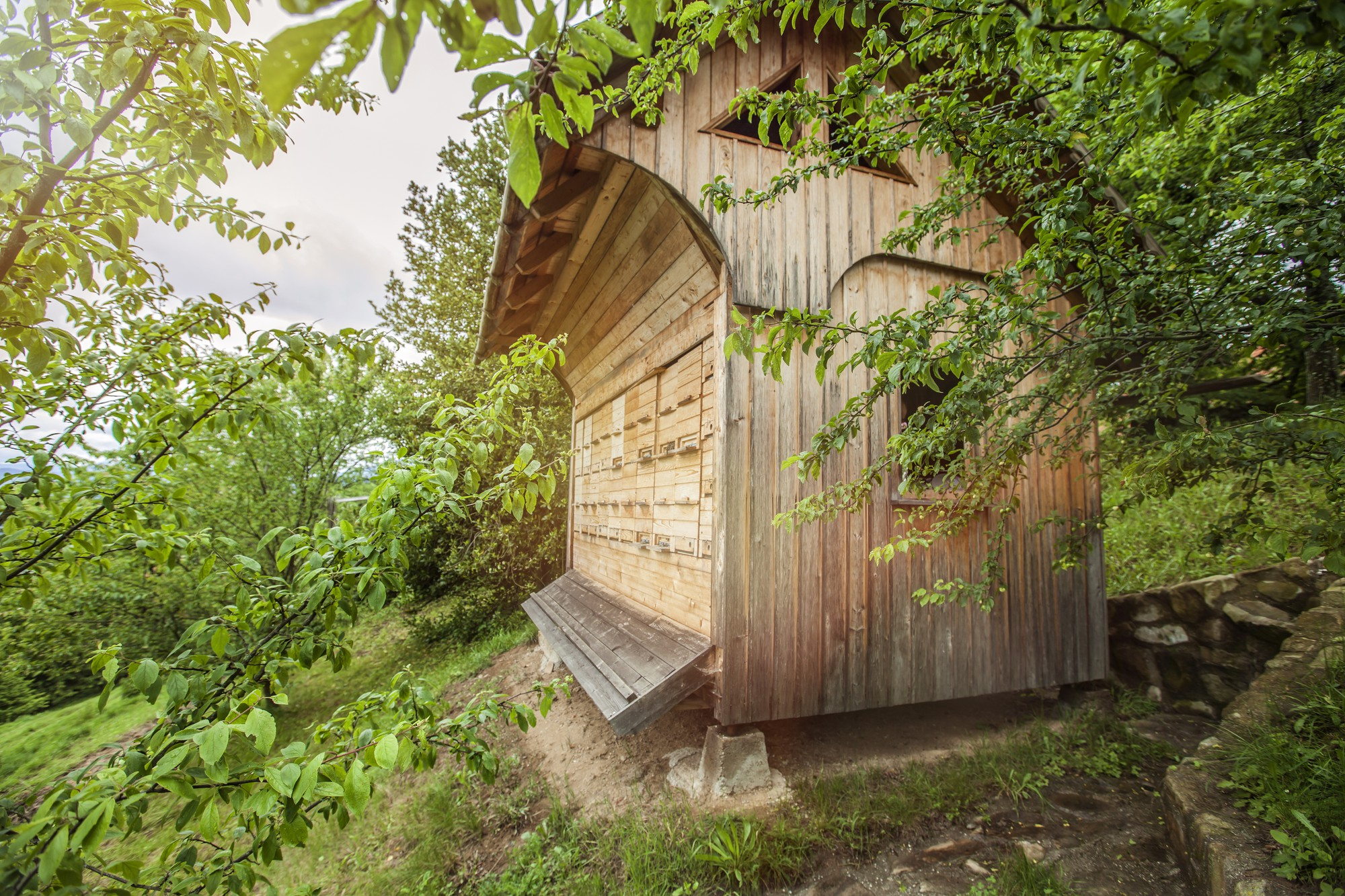
Whether it's a backyard shed, garden workshop, or storage cabin, outdoor buildings take a beating from the elements. Rain, snow, sun, and wind all work to wear down materials, seep into gaps and create long-term damage. That's why weatherproofing isn't optional—it's essential.
You don't need to turn your shed into a fortress, but a few smart upgrades and habits can protect tools, gear, and even your comfort if you're using the space as a workspace. Sealing up cracks, managing moisture, and keeping temperatures in check will extend the life of the structure—and everything inside it.
A simple change like adding a proper door seals bottom strip can block drafts, pests, and rain from creeping in under the door. Little fixes like this go a long way when they're part of a full weatherproofing strategy.
Understanding Weather Threats to Your Garden Storage
Garden structures are constantly exposed to the weather. Rain and snow cause rot, rust, and mold. UV rays dry out wood and fade paint. Strong winds push water into weak points and can damage siding and roofing.
Even the temperature swings between day and night can lead to condensation inside. That moisture can ruin tools, cause warping, and attract insects. Weatherproofing is about managing all these risks—before they become apparent.
The goal is to seal your structure from the outside in, allow it to breathe where it needs to, and use materials built to survive seasonal punishment.
Essential Door and Window Sealing Techniques
Most moisture and air leaks come through the weakest points: doors and windows. If you want to keep the inside dry and steady year-round, this is where you start.
Choosing the Right Sealing Materials
Use high-quality weatherstripping around window frames and door edges. Foam tape works well for smaller gaps, while rubber or silicone gaskets are better for areas with movement or exposure.
For the bottom of the door, use a durable threshold seal or sweep. These keep water and debris from blowing inside. Look for UV-resistant materials that won't crack or lose flexibility over time.
Seal all glass edges with exterior-grade caulk. For wood-framed windows, consider adding storm panels or acrylic inserts in winter to improve insulation.
Professional Installation vs DIY Approaches
You don't always need a contractor—most sealing jobs are DIY-friendly with the right tools and patience. Just make sure surfaces are clean and dry before applying any seals. Measure twice, cut once, and always test for tight closure before calling the job done.
For custom doors or older frames with warped wood, a professional touch might be worth it. Precision makes a difference, especially when the building is used year-round.
Maintenance and Replacement Schedules
Seals wear out. Sun, cold, and movement break them down over time. Inspect all door and window seals at least twice a year—early spring and late fall are ideal.
Replace any cracked, brittle, or missing sections. A five-dollar weatherstrip now can save you hundreds in water damage later. Keep a small kit of backup sealant and spare strips in your shed for quick fixes.
Roof and Wall Waterproofing Strategies
Rain always finds the weakest point. That's why your shed or garden building needs a solid first line of defense from the top down.
Selecting Weather-Resistant Materials
Start with a good roof. Metal, asphalt shingles, or rubber membrane roofing are popular options. Metal lasts long and sheds snow easily. Shingles are easy to repair in small sections. Rubber works best for flat or low-slope roofs.
Use treated lumber or composite materials for siding. These resist moisture, pests, and warping far better than untreated wood. Don't forget the underlayment—it's a key layer between the weather and your walls.
Proper Drainage and Gutter Systems
Even the best roof won't help if water just pools around the building. Add gutters to direct runoff away from the walls and foundation. Use downspouts that lead into a splash block or drainage trench to keep the ground dry.
Ensure the roof has sufficient slope to facilitate proper runoff. Standing water leads to leaks, rot, and even structural sagging over time.
Siding Protection and Maintenance
Paint or seal your siding every few years. Use weather-resistant exterior paint or stain with a UV-blocking formula. For wood siding, check for soft spots or gaps once a season.
Keep vegetation trimmed back at least 6 inches from the wall to avoid trapping moisture. When moisture sits, it seeps in.
Insulation Solutions for Temperature Control
Keeping your garden building warm in winter and cool in summer isn't just about comfort—it's about protecting everything inside from temperature extremes and moisture damage.
Insulation Types for Garden Buildings
Rigid foam boards are a top choice for small structures. They offer high R-values with minimal thickness and can be easily installed between wall studs. For eco-friendlier options, look at sheep wool or recycled denim insulation. Both regulate temperature and humidity well and are safer to handle than fiberglass.
If you plan to spend time inside—using the space as a workshop or studio—consider spray foam for its sealing and insulation qualities. It's more expensive, but it fills every crack and crevice.
Vapor Barriers and Moisture Control
Insulation alone won't stop condensation. That's where vapor barriers come in. Install a polyethylene sheet on the warm side of the insulation (usually the interior) to keep indoor moisture from reaching cold wall surfaces.
Make sure your structure can still vent excess humidity. A tight envelope without airflow just traps moisture. We'll cover smart ventilation in the next section.
Cost-Effective Insulation Methods
If you're insulating on a tight budget, start with the roof. Heat rises, so insulating the ceiling gives the biggest return in winter. Next, insulate walls that get direct sun or face prevailing winds.
Use reflective foil or bubble-wrap insulation on doors and windows to reduce heat gain without a full rebuild. These simple methods can stabilize indoor temperatures without incurring major expenses.
Creating a Neighbor-Friendly Garden Workshop Environment
If your shed doubles as a workspace, you're not just thinking about your own comfort—you're sharing space with neighbors, too. A little consideration in the design and use of your workshop goes a long way.
Sound Control in Shared Garden Spaces
Garden workshops often take place near fences, patios, or other homes. Keep noisy tools like sanders, saws, or compressors inside and insulated. Add sound-dampening panels or even leftover insulation to interior walls. Rubber mats or anti-vibration pads placed under machines can also help reduce noise transfer.
Choose doors with solid cores, and keep windows shut during loud projects. You don't need a recording studio—just enough noise control to avoid daily disturbances.
Timing and Etiquette for Garden Work
Power tools at 7 a.m. on a Sunday? Not a good look. Try to schedule louder work during mid-morning or early evening on weekdays or late mornings on weekends. Keep it predictable and respectful.
If you're planning a longer project—like weekend carpentry—let your neighbors know in advance. A quick heads-up goes a long way toward goodwill.
Building Good Relationships Through Consideration
Sound isn't the only issue. Keep the area around your shed clean and free of debris. Store paint, chemicals, or fuels safely and out of sight. Install soft exterior lighting that doesn't spill into adjacent yards.
Your workshop is your space, but it exists in a shared environment. A few thoughtful choices make sure it stays welcome there.
Ventilation Systems That Work in All Seasons
Proper airflow isn't just about summer comfort. It prevents mold, protects your tools, and keeps the air inside your garden building fresh and balanced throughout the year.
Natural Ventilation Solutions
Start with simple options: roof vents, wall vents, or small windows that open easily. Install them high and low to promote cross-ventilation. Heat and moisture rise, so roof-level venting is especially effective in warm months.
If your building receives a lot of sunlight, consider installing a solar-powered vent fan to keep air circulating without requiring additional wiring.
Preventing Condensation Problems
Condensation forms when warm, moist air meets cold surfaces—like the inside of an uninsulated metal roof. Good ventilation helps, but combining it with insulation and vapor barriers yields the best results.
Don't store wet tools, soil, or plants inside unless the space is specifically designed for this purpose. Moisture sources indoors always lead to trouble if not managed.
Balancing Airflow with Weather Protection
You want air movement without letting in rain, wind, or pests. Use vent covers with baffles or mesh screens to protect your building while still allowing circulation.
If you're in a cold climate, consider adjustable vents that can be closed during deep winter to retain warmth.