After a long winter, your lawn needs more than just warmer temperatures to bounce back. Snow cover, freezing soil, and dormant roots can leave grass thin, pale, and compacted. Spring is the most important season for lawn recovery—and the right treatments now will set the foundation for a thicker, greener, and healthier yard all year long.
In this guide, we’ll walk through the must-do spring lawn treatments that help revive your grass, strengthen roots, and promote lush growth, especially in New England’s challenging climate.
Why Spring Lawn Care Matters
Spring lawn care isn’t just about appearance—it’s about recovery and preparation. During winter, lawns experience stress from cold temperatures, moisture imbalance, and foot traffic. Without proper spring treatments, grass struggles to fill in bare spots and fend off weeds and disease.
By acting early, you:
- Encourage deeper root growth
- Improve nutrient absorption
- Reduce weed pressure later in the season
- Create thicker, more resilient turf
1. Start with a Thorough Spring Lawn Cleanup
Before applying any treatments, remove winter debris like fallen branches, leaves, and leftover thatch. This allows sunlight, air, and water to reach the soil surface more effectively.
A light raking helps lift matted grass blades and prevents fungal issues caused by trapped moisture. Avoid aggressive dethatching early in spring, as grass is still tender and recovering from dormancy.
2. Test Your Soil for Better Results
Healthy grass starts with healthy soil. A soil test reveals critical information about pH levels and nutrient deficiencies, allowing you to treat your lawn with precision rather than guesswork.
In Massachusetts, soils often lean acidic due to natural conditions and snowfall. Adjusting pH early ensures nutrients are properly absorbed throughout the growing season and prevents poor growth later on.
3. Apply Spring Fertilizer for Strong Growth
Fertilization is one of the most important spring treatments for greener, thicker grass. Early spring fertilizer feeds the roots as grass comes out of dormancy, supporting steady and controlled growth.
For homeowners looking to improve long-term lawn health, professional programmes for lawn fertilization in Massachusetts are designed to match local soil conditions and grass types. The right balance of nutrients helps lawns green up without excessive top growth or stress.
Avoid over-fertilizing—too much nitrogen too early can weaken roots and encourage weeds.
4. Overseed Thin or Bare Areas
Spring is an ideal time to repair winter damage. Overseeding helps fill in thin spots, improves lawn density, and enhances overall appearance.
For best results:
- Choose grass seed suited to your local climate
- Mow slightly lower before seeding
- Keep soil consistently moist until germination
Overseeding also helps crowd out weeds naturally by creating thicker turf coverage.
5. Aerate to Relieve Soil Compaction
If your lawn experiences heavy foot traffic or feels hard underfoot, soil compaction may be limiting root growth. Core aeration removes small plugs of soil, allowing air, water, and nutrients to penetrate deeper.
While fall is often the best time for aeration, spring aeration can be beneficial if compaction is severe. Just be sure to pair it with overseeding and proper fertilization to maximize results.
6. Prevent Weeds Before They Take Over
Weeds like crabgrass and dandelions thrive in early spring if left unchecked. Applying a pre-emergent treatment at the right time prevents weed seeds from germinating, reducing the need for harsher treatments later.
Timing is key—pre-emergents should be applied when soil temperatures consistently reach around 55°F. A well-fed, thick lawn also naturally resists weed invasion.
7. Fix Drainage and Watering Issues
Spring rainfall can expose drainage problems in your yard. Standing water or soggy areas may lead to root rot and fungal disease.
Ensure:
- Downspouts direct water away from turf
- Low spots are leveled
- Watering schedules are adjusted as temperatures rise
Once growth begins, lawns typically need about one inch of water per week, including rainfall.
8. Mow Correctly from the Start
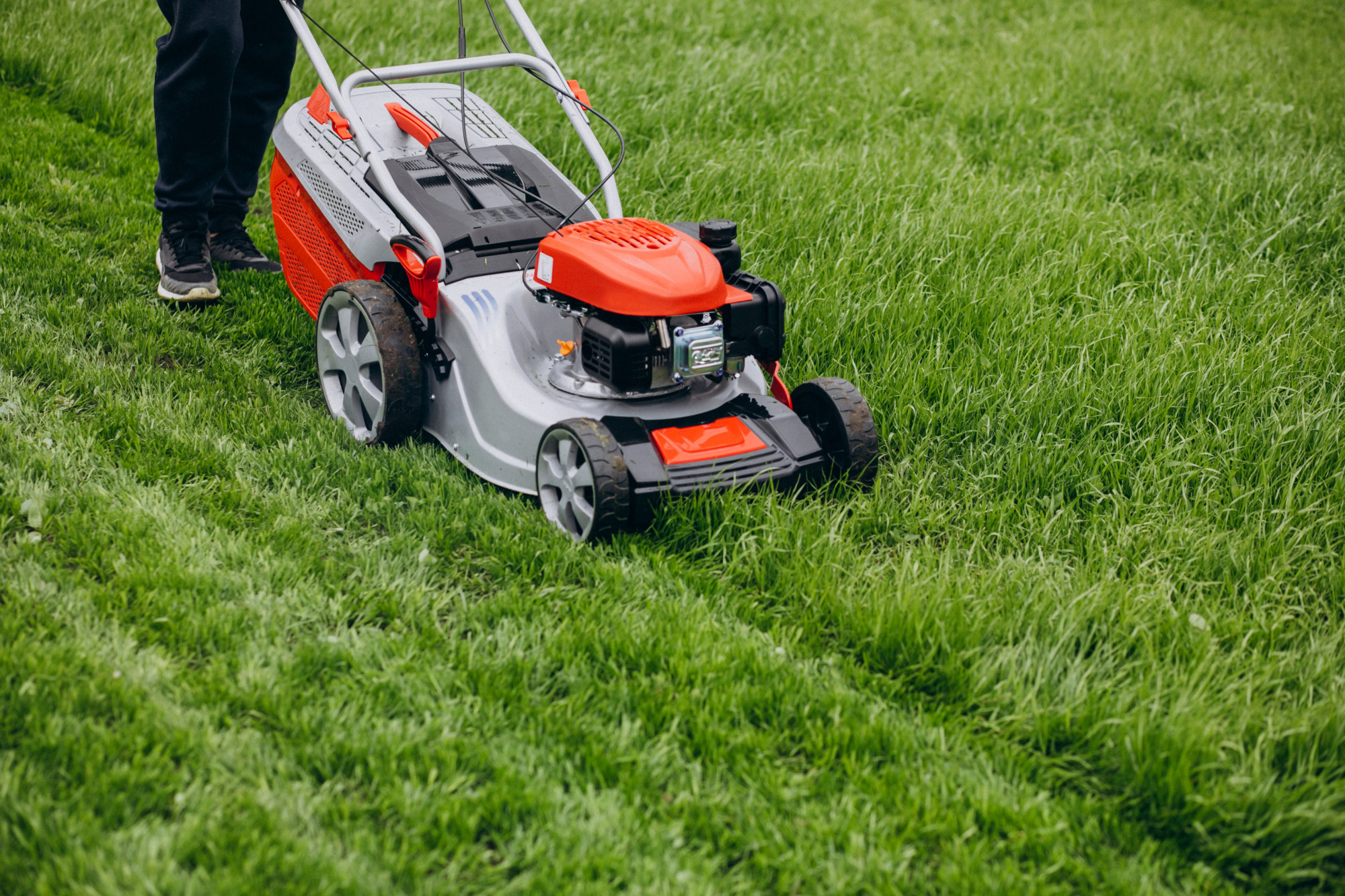
Early mowing habits affect how your lawn develops throughout the season. Keep mower blades sharp and avoid cutting more than one-third of the grass height at a time.
For most cool-season grasses, maintaining a height of 3–3.5 inches encourages deeper roots, improves drought resistance, and shades out weeds.
Build a Lawn That Thrives All Season Long
Spring lawn treatments are not just a seasonal task—they’re an investment in your lawn’s future. When combined correctly, aeration, overseeding, weed control, and lawn fertilization work together to produce lush, green grass that lasts through summer and beyond.
By addressing soil health, nutrient balance, and early-season threats, you create a resilient lawn that requires fewer repairs and looks great month after month.