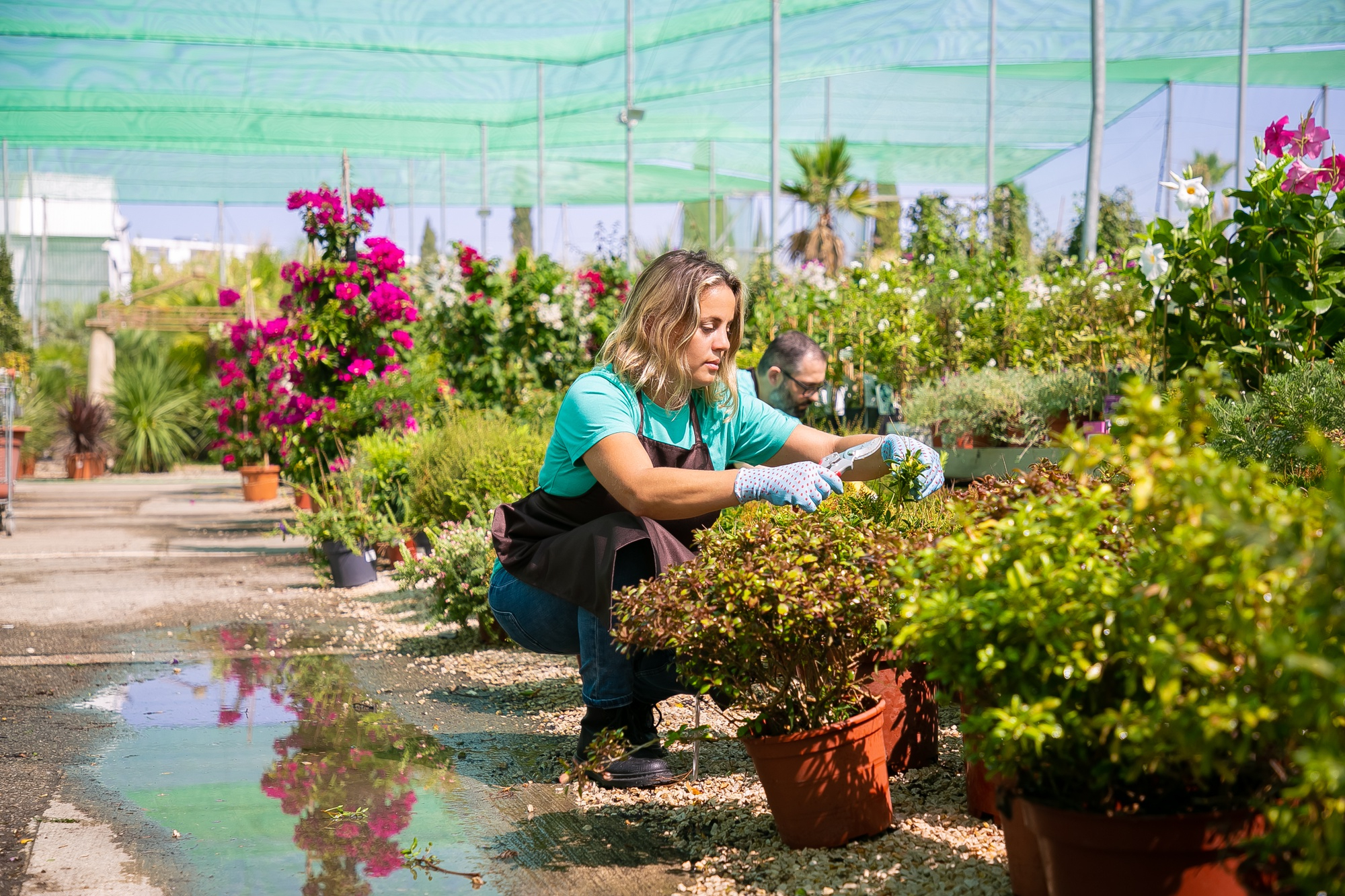
Welcome, aspiring plant whisperers! If you've spent more time with a potted cactus than a prize-winning orchid, you're in the right place. This post isn't another lecture about photosynthesis or the ideal soil pH (though we'll happily include a quick refresher). It's a lighthearted, practical guide from Premier Nursery to help you nurture a thriving indoor or outdoor garden—even if you've got a reputation for killing houseplants. Think of this as a friendly coaching session that ends with you proudly presenting your leafy companions to the world.
First, let's embrace the truth: you're not failing at gardening. You're learning a set of new skills, tested by sun, wind, and the occasional curious cat. Everyone starts somewhere, and your "brown thumb" can become a flourishing green one with a few simple shifts in mindset, routine, and a little humor to light the way. Ready to grow? Let's dive in.
Start small, dream big (but not too big)
If you're new to gardening, start with a few low-stress plants—something forgiving, like spider plants, herbs like basil or mint, or a tougher tomato variety if you're outdoors. The goal isn't to conquer a greenhouse in a week; it's to build confidence and develop skills. By starting small, you'll learn how to water correctly, recognize signs of stress, and celebrate tiny victories. And yes, you'll spill water, overwater, underwater, and probably forget to talk to your plants for a day or two. It's all part of the journey.
The water talk: hydration is key. Overwatering is a common culprit for plant distress. Before you water, check the soil moisture. If the top inch stays damp, give it another day. If it's dry, a good soak is in order. Be consistent—most plants prefer a thorough soak followed by a drying-out period rather than a daily trickle. If you forget to water, set a reminder to water. If you're worried about a drought-loving friend, such as a succulent, a soak every couple of weeks may suffice. The goal is roots that drink, not soggy roots that drown.
Light: make bets with the sun
Plants love light, but different species have different sunshine requirements. A sun-loving plant still needs a break—soft morning light or a few hours of indirect sun can prevent leaf scorch. If your windowsill is a dim cave, you might need a grow light. If you're outdoors, observe where the sun travels during the day and rotate pots so no side will wilt from prolonged exposure. Remember: even the sun takes a coffee break, so your plants can too.
Potting and soil: give roots room to breathe
Healthy roots = healthy plants. Use pots with drainage holes, choose a quality potting mix, and avoid "top-heavy" solutions that make topple-prone plants topple over—yes, accidental plant acrobatics are a real thing. When you repot, gently loosen the roots and provide a fresh start with a little new soil. If you're feeling fancy, label your plants with nicknames like "Sir Roots-a-Lot" or "Dirt Diva"—because whimsy makes chores feel like play.
Fertilizing: feed for growth, not for glamour
Most houseplants benefit from periodic feeding during the growing season—dilute fertilizer to the recommended strength to avoid fertilizer burn. The goal is steady, healthy growth, not a neon-green explosion. If you're unsure, a simple, balanced indoor plant fertilizer does the trick. And yes, you can still enjoy a snack while you water—just not with the fertilizer bottle in your hand.
Pest patrol: friendly guardians, not villains
Pests happen. Don't panic—approach with a plan. Wipe leaves, prune affected areas, and isolate infested plants when possible. For minor issues, a gentle, natural spray or a quick rinse can do wonders. If you're facing pesky intruders like aphids or fungus gnats, remember: a little patience and a lot of soap and water spray can save the day. Prevention is easier than cure: inspect new plants before bringing them home, and keep your workspace clean.
Humidity and temperature: create a cozy climate
Most indoor plants enjoy a stable climate. Drastic temperature swings and dry air can stress even the hardiest green friend. Group plants together to create a microclimate, mist occasionally, or use a humidifier in arid spaces. If you're in a climate where the air is drier than a desert sitcom, your plants will thank you for a weekly misting and a little TLC.
The routine that sticks: habits beat hype
Consistency is the quiet hero of successful gardening. Set a weekly routine: water on Wednesdays, check for yellowing leaves on Sundays, and rotate pots every other week. Keep a simple notebook or digital list tracking plant care. The act of recording progress is itself a motivator, and you'll love looking back at how far you've come.
Learn your plant cast: sun lovers, shade dwellers, and in-betweeners
Take notes on which plants thrive in your space. Some love sunbeams; others loathe them. Some prefer bright indirect light; others are content under a lamp. Understanding each plant's personality helps you tailor care rather than applying blanket rules. Think of it as befriending a quirky cast of characters named by dirt, leaf, and stem.
Embrace mistakes (with a grin)
Plants are forgiving, up to a point. If something doesn't look right, adjust your care. A wilted leaf isn't a failure; it's a signal to reassess. The path to a green thumb has a few brown patches and a lot of laughter. Celebrate progress, not perfection.
A few practical, no-fuss tips to get you started today
- Start with one or two forgiving plants and a bright, accessible planting spot.
- Use a simple watering schedule and a moisture meter to determine when to water, especially if you're unsure.
- Select a well-balanced potting mix specifically designed for indoor plants.
- Label plants with easy-to-remember names to make the experience more personal.
- Keep an eye on drainage; pots without drainage holes can lead to root rot, which is never a desirable outcome.
Common pitfalls to avoid (and how to outsmart them)
- Overwatering: It's the most common mistake. Check soil moisture and water only when the top inch is dry.
- Underwatering: When in doubt, water a little more. Dry soil is a thirsty plant's worst enemy.\n- Poor light: If leaves are pale or stretched, the plant isn't getting enough light. Move it closer to a brighter window or add a grow light.
- Pests: Don't ignore them. A quick spray or rinse now prevents bigger problems later.
- Transplant shock: Give newly repotted plants time to acclimate, and don't assume they'll thrive overnight.
A note on humor as your gardening sidekick
Gardening can be a soothing ritual or a laugh-out-loud adventure. If your fern looks like it's auditioning for a comedy, give it a sip of water and a little pep talk. If your plant is sulking, tell it a joke about all the roots you've got. Humor keeps the mood light, the soil not so serious, and your determination intact.
Want more tips, reminders, and a friendly nudge to keep growing? Visit either the Euless or Benbrook locations of Premier Nursery. We're experts on growing beautiful, healthy plants.