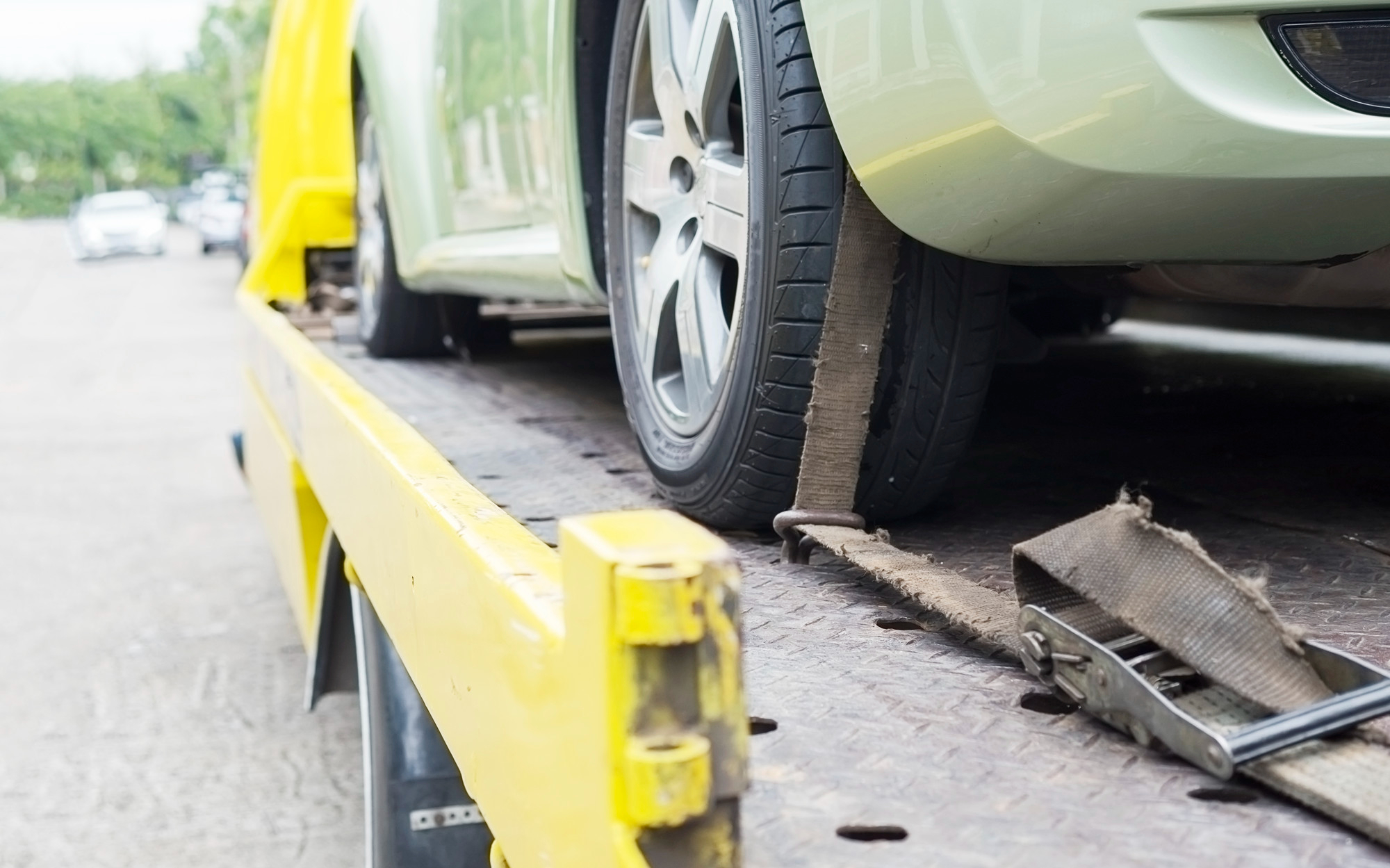
Towing heavy items like building materials or vehicles can be stressful and risky for homeowners. Without the right equipment and techniques, towing can lead to accidents, damage, and wasted time and money. Many homeowners face this problem due to a lack of knowledge or improper tools.
However, with the right gear and proper towing techniques, you can ensure safety, efficiency, and cost-effectiveness. This article provides practical solutions to help you tackle towing tasks for your next move.
Choosing the Right Trailer
The trailer type you select depends on the type of load you're hauling, and ensuring it matches your vehicle's towing capacity is crucial.
Types of Trailers
- Flatbed Trailers: These open trailers offer a simple design with a flat platform. They’re ideal for hauling large, bulky items like construction materials, machinery, or vehicles. Their open design allows for easy loading and unloading, but they do leave cargo exposed to the elements.
- Utility Trailers: Utility trailers are versatile and commonly used by homeowners for smaller loads, such as furniture, lawn equipment, or small vehicles. These trailers typically have low sides, making loading and unloading simpler while offering the flexibility to carry various items.
- Enclosed Trailers: If you're hauling sensitive or valuable cargo, an enclosed trailer is a perfect choice. These trailers offer protection from the weather and theft, making them ideal for transporting electronics, furniture, or tools. They can also be used for long-distance moves to safeguard your belongings.
- Car Hauler Trailers: As the name suggests, car hauler trailers are designed specifically for transporting vehicles. They come in both open and enclosed versions, providing a safe and secure way to transport cars, trucks, or recreational vehicles over long distances.
Selecting the Right Size and Capacity
The size and capacity of your trailer depend on what you plan to haul. To determine the appropriate size:
- Evaluate the Load: Consider the dimensions and weight of the items you're transporting. Measure the length, width, and height to ensure the trailer can accommodate your load.
- Check Weight Ratings: Every trailer has a Gross Vehicle Weight Rating (GVWR), which is the maximum weight the trailer can safely carry.
- Match with Tow Vehicle: Ensure that your vehicle's towing capacity is sufficient for the trailer and load. Check your vehicle’s owner manual for its maximum towing limit and compare it with the trailer's GVWR to ensure they are compatible.
These steps ensure your vehicle can handle the trailer safely, preventing strain on the engine and transmission. If you’re new to towing, it’s worth reviewing a proper towing safety guide to better understand load limits, braking distances, and safe driving practices.
Types of Vehicles for Towing
Not all vehicles are created equal when it comes to towing capabilities. It’s essential to select a vehicle that is designed to handle the weight and type of load you plan to tow.
Trucks:
Pickup trucks are the most common tow vehicles due to their powerful engines and high towing capacities. Full-size trucks like the Ford F-150, RAM 1500, or Chevy Silverado are ideal for towing heavy loads, such as large trailers, construction equipment, or vehicles. These trucks often feature high towing capacities and specialized towing packages to make hauling safer and more efficient.
SUVs:
Many SUVs also have the capability to tow, especially those designed for towing such as the Chevrolet Tahoe, Ford Expedition, or Toyota Land Cruiser. These vehicles typically offer decent towing capacities and can handle medium to heavy loads, such as smaller trailers or boats.
Cars:
While most cars are not ideal for heavy towing, certain models with a strong towing package can handle light trailers. Vehicles like the Subaru Outback, Honda Pilot, and certain mid-sized sedans with towing packages can be used for towing small utility or boat trailers. However, these cars are best suited for lighter loads (under 3,500 lbs) and should not be used for heavy-duty hauling.
Essential Tow Equipment
Here’s an overview of essential towing gear every homeowner should consider.
Hitches and Ball Mounts
When towing a trailer, the hitch is the main connection between your tow vehicle and the trailer. Choosing the correct hitch ensures a secure and stable connection, reducing the risk of mishaps on the road
Hitch Classes:
There are several classes of hitches, each designed to handle different load capacities:.
- Class I: Suitable for light-duty towing (up to 2,000 lbs), typically used for smaller trailers like utility or bike trailers.
- Class II: Can tow up to 3,500 lbs, often used for midsize trailers such as small campers or boat trailers.
- Class III: A more heavy-duty option, able to tow up to 5,000 lbs. Ideal for large trailers or towing a car hauler.
- Class IV: Designed for heavy-duty towing with a capacity of up to 10,000 lbs. Used for commercial trailers or large RVs.
The hitch class you choose depends on your vehicle’s towing capacity and the weight of the load. It’s important to match your vehicle's towing capacity with the appropriate hitch class to avoid overloading and ensure a secure connection.
Safety Chains and Trailer Brakes
- Safety Chains:Safety chains provide an additional level of security. If the trailer becomes detached from the tow vehicle, the chains will prevent it from completely separating, allowing you to maintain control and safely pull over. Always cross the chains under the trailer tongue to create a cradle, which keeps the trailer from hitting the ground if it disconnects.
- Trailer Brakes:Trailer brakes are vital for slowing down the trailer, especially when hauling heavy loads. They help reduce strain on the tow vehicle’s braking system and improve overall stopping power. If your trailer exceeds a certain weight, it’s legally required to have brakes. Many modern trailers come with electric brakes that are controlled by the tow vehicle’s brake controller.
Tow Mirrors and Lighting
Proper visibility and lighting are crucial for towing safely, especially for long trips or when driving in traffic.
- Tow Mirrors: Standard vehicle mirrors often don’t provide enough visibility when towing a large or wide trailer. Tow mirrors, which extend beyond the width of your vehicle. They offer a wider view of the road behind you.
- Lighting: Proper lighting is essential for safety, especially at night or in low-visibility conditions. Ensure that all the lights on your trailer including brake lights, turn signals, and running lights are functioning properly.
Many trailers come with a standard wiring harness to connect to your vehicle’s lighting system, but it’s important to check these connections before towing. Additional lighting, such as reflectors or LED lights, can also increase visibility and alert other drivers of your presence on the road.
Loading and Securing Building Materials
When towing building materials, proper loading and securing are essential to ensure safe transport and prevent damage. Whether you're hauling lumber, bricks, or tools, following the right procedures will help maintain stability, protect your cargo, and avoid accidents. Here’s how to effectively load and secure your materials.
Proper Weight Distribution
One of the most important factors in towing is ensuring that the weight is evenly distributed across the trailer. Improper weight distribution can cause the trailer to sway, making towing dangerous, especially at high speeds or on uneven terrain.
Here are the tips for even distribution:
- Position Heavy Items First: Place the heaviest materials (e.g., large pallets of bricks or concrete) over the trailer’s axle or slightly toward the front. This ensures better stability and reduces the risk of the trailer fishtailing or becoming unstable.
- Balance the Load: Make sure that the load is evenly spread from side to side. Uneven weight distribution can cause one side of the trailer to drag, affecting balance and tire wear.
- Avoid Overloading the Rear: Loading too much at the back of the trailer can lift the front of your vehicle, causing it to lose traction and making braking more difficult. Aim to keep the load as centered as possible.
Securing Loads
Once the materials are loaded onto the trailer, it’s crucial to secure them properly to prevent shifting during transport. Shifting loads can cause accidents or damage, especially if materials are not tightly fastened.
- Using Straps: High-quality tie-down straps are essential for securing building materials. Ratchet straps are ideal for heavier loads, as they provide strong tension and keep materials firmly in place. Make sure to strap down each side of the load to prevent it from moving during transit.
- Using Tarps: For materials that are sensitive to weather, such as wood or insulation, tarps offer protection from rain, dust, and debris. Make sure the tarp is large enough to cover the entire load and securely fastened to avoid flapping in the wind or getting caught on roadside obstacles.
- Tie-Downs: In addition to straps, using tie-downs at various points across the load helps prevent movement. Use anchor points on the trailer to attach the tie-downs, ensuring that all materials are snugly secured. Be sure to check the tension and adjust as needed during longer trips.
Towing Safety Tips
Towing requires careful driving, awareness of weather conditions, and pre-trip preparation to ensure safety.
- Driving Techniques: Gradually accelerate, start braking earlier, and make wide turns. Always maintain a safe distance from other vehicles to allow more reaction time.
- Weather Considerations: In rain, reduce speed and avoid sudden movements. On windy days, slow down to prevent trailer sway. Snow and ice require extra caution. Drive slowly and ensure good traction.
- Pre-Tow Checklist: Inspect tire pressure, check all lights, confirm the hitch is secure, ensure the load is balanced, and test trailer brakes.
Conclusion
Towing can be a straightforward and safe task when approached with the right knowledge and preparation. By choosing the right trailer, matching it with an appropriate tow vehicle, and following towing safety tips, homeowners can transport their goods efficiently and without incident. Always remember to prioritize safety by performing regular checks and adjusting your driving to match the conditions.