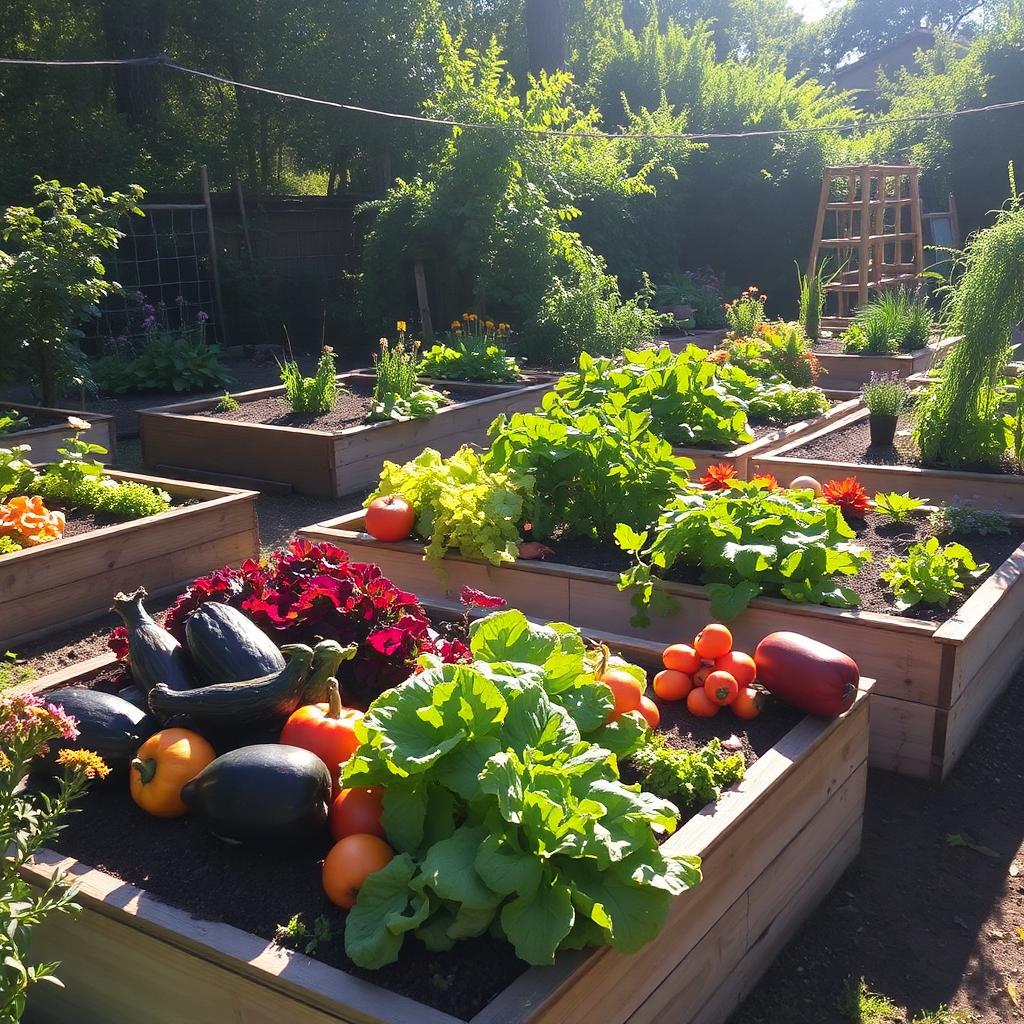
If you’re dreaming of a bountiful spring harvest, January is the perfect time to get a head start. Starting seeds indoors gives you control over light, temperature, and moisture, so your young plants hit the ground running as soon as the weather warms. With a bit of planning, you can have healthy transplants ready to move into your outdoor vegetable garden as soon as the last frost has passed. Here are the top veggie seeds to start indoors in January, with tips to help you succeed.
Why start indoors in January?
- Extend your growing season: Indoor seed starting buys you weeks of growing time, letting you harvest earlier in spring and even into late summer for some crops.
- Protect delicate seedlings: You control warmth, light, and moisture, reducing the risk of pests and diseases that can attack transplants.
- Optimize space and approach: A small seed-starting setup fits neatly in a sunny window or under grow lights, turning a corner of your home into a productive seed nursery.
- Build a routine: Regularly check moisture, provide light, and track growth. By spring, you’ll have a well-honed gardening habit.
Warm-season crops to start indoors (January)
These crops are worth starting indoors if you want a jump on summer harvests. They require a warmer environment and sturdy lights, so have a heat mat and bright grow lights ready.
Tomatoes (indeterminate and determinate varieties)
- Why start indoors: Tomatoes need a long season to reach full size, and indoor starting gives you strong transplants ready for transplant after the last frost.
- Tips: Use a high-quality seed-starting mix, provide 14-18 hours of light per day, and transplant after the danger of frost is past and night temperatures stay above 50-55°F (10-13°C). Pick compact or determinate varieties for container or small-space gardens, and consider cherry or grape types for quicker harvests.
Peppers (bell peppers and hot peppers)
- Why start indoors: Peppers love warmth and a long growing season, so indoor starts in January give you a head start.
- Tips: Maintain warm temperatures (70-85°F / 21-29°C) during the day, not much cooler at night, use a heat mat if needed, and transplant after all danger of frost. Choose early-maturing or compact pepper varieties for easier indoor growth.
Eggplants
- Why start indoors: Eggplants need steady warmth and a long season; indoor starts help you avoid a late spring rush.
- Tips: Provide strong light, consistent moisture, and warmth. Transplant after the risk of frost has passed and nighttime temperatures remain above 55°F (13°C).
Cool-season greens and brassicas that thrive with indoor starts
- These crops perform well when started indoors in January and transplanted outdoors later, or harvested directly as baby greens if you’re growing in containers.
Lettuce (varieties with romaine, butterhead, and loose-leaf types)
- Why start indoors: Fast germination and quick to harvest as baby leaves or full heads, depending on variety.
- Tips: Use a shallow tray, keep soil evenly moist, and provide bright light. Transplant or direct-harvest once plants have a few true leaves and outdoor conditions are suitable.
Spinach
- Why start indoors: Spinach loves cool weather and benefits from a controlled indoor start to produce early harvests.
- Tips: Sow densely in seed trays and thin as needed. Transplant when seedlings have strong roots and a couple of true leaves.
Kale and other brassicas (cabbage, broccoli, cauliflower, Brussels sprouts)
- Why start indoors: Brassicas benefit from a longer growing season and early starts.
- Tips: Use deeper trays to accommodate root growth; transplant when weather is appropriate for the crop and after any risk of hard frost has passed. Choose compact varieties for container growing if space is limited.
Swiss chard and bok choy
- Why start indoors: These greens handle cool temperatures well and transplant easily.
- Tips: Space plants according to variety, and harvest leaves as soon as they reach a usable size to encourage ongoing production.
Herbs that pair beautifully with indoor starts
- Fresh herbs are great to grow indoors in January, offering quick satisfaction and long-term use in the kitchen.
Basil
- Why start indoors: Basil germinates quickly and loves bright light, making it a fast win for January seed starting.
- Tips: Keep temperatures warm and provide 14-16 hours of light. Transplant or prune regularly to encourage bushy growth.
Parsley, cilantro, dill
- Why start indoors: These herbs germinate reliably and can be grown in small pots or seed trays.
- Tips: Plant in a well-draining mix and ensure good light. Harvest leaves or fronds to encourage continued growth.
Other quick herbs: Chives and mint are also strong indoor candidates, especially in containers.
Practical setup and care tips for successful January starts
- Lighting: If you don’t have a sunny south-facing window with ample hours of natural light, invest in a simple grow light setup. Aim for 14-18 hours of light daily to prevent leggy seedlings.
- Seed starting mix: Use a light, sterile seed-starting mix rather than garden soil. It improves germination rates and reduces the risk of damping-off disease.
- Containers and spacing: Start with shallow seed trays for small seeds and deeper pots for larger transplants. Follow seed packet recommendations for depth and spacing, but don’t overcrowd; seedlings need good air circulation.
- Watering: Keep the mix consistently moist but not waterlogged. Water from the bottom when possible to prevent damping-off and to encourage strong root development.
- Temperature: Warm-season seeds germinate best in a controlled warm environment (65-75°F / 18-24°C). A seedling mat can help achieve steady warmth, especially in cooler rooms.
- Hardening off: About 7-14 days before you plan to transplant outdoors, gradually acclimate your seedlings to outdoor conditions. Start with a few hours outside in a sheltered spot and increase exposure daily.
- Transplant timing: Plan transplant windows based on frost dates for your area. Warm-season crops typically transplant after the last frost, while cool-season greens can be transplanted earlier or harvested indoors as baby greens.
- Containers for outdoors: If you’re short on garden space, choose compact varieties or container-friendly cultivars. Ensure containers have drainage holes and use high-quality potting mix.
A simple January seed-start plan (two-month snapshot)
- Week 1-2: Sow warm-season seeds (tomatoes, peppers, eggplant) in seed trays with heat and bright light.
- Week 3-4: Sow cool-season greens (lettuce, spinach, kale) either alongside warm-season seeds or in separate trays.
- Week 5-6: Begin herbs (basil, parsley) for quick harvests; continue caring for existing trays.
- Week 7-8: Start more greens if you want a staggered harvest, and begin hardening off any plants that are close to transplant.
Harvest timing expectations
- Baby greens (lettuce, spinach, kale, chard): 25-40 days from sowing, depending on variety.
- Tomatoes, peppers, eggplants: Transplant outdoors after frost danger, with fruit production typically starting 60-90 days after transplant, depending on variety.
- Herbs: Continuous harvest as soon as plants are established, often within 4-6 weeks
Shopping and sustainability tips
- Choose varieties known for indoor success or compact growth if you’re short on space.
- Save seeds from plants you love for future seasons, if the variety is open-pollinated.
- Use reusable seed trays and avoid single-use plastics where possible. Compost plant remains to close the loop.
A January-started garden can provide early color and fresh greens when the days are still cool. By selecting the right seeds, investing in a reliable lighting and warmth setup, and following a patient schedule for transplanting and hardening off, you’ll be amazed at what you can grow indoors and when you’ll be able to enjoy it.