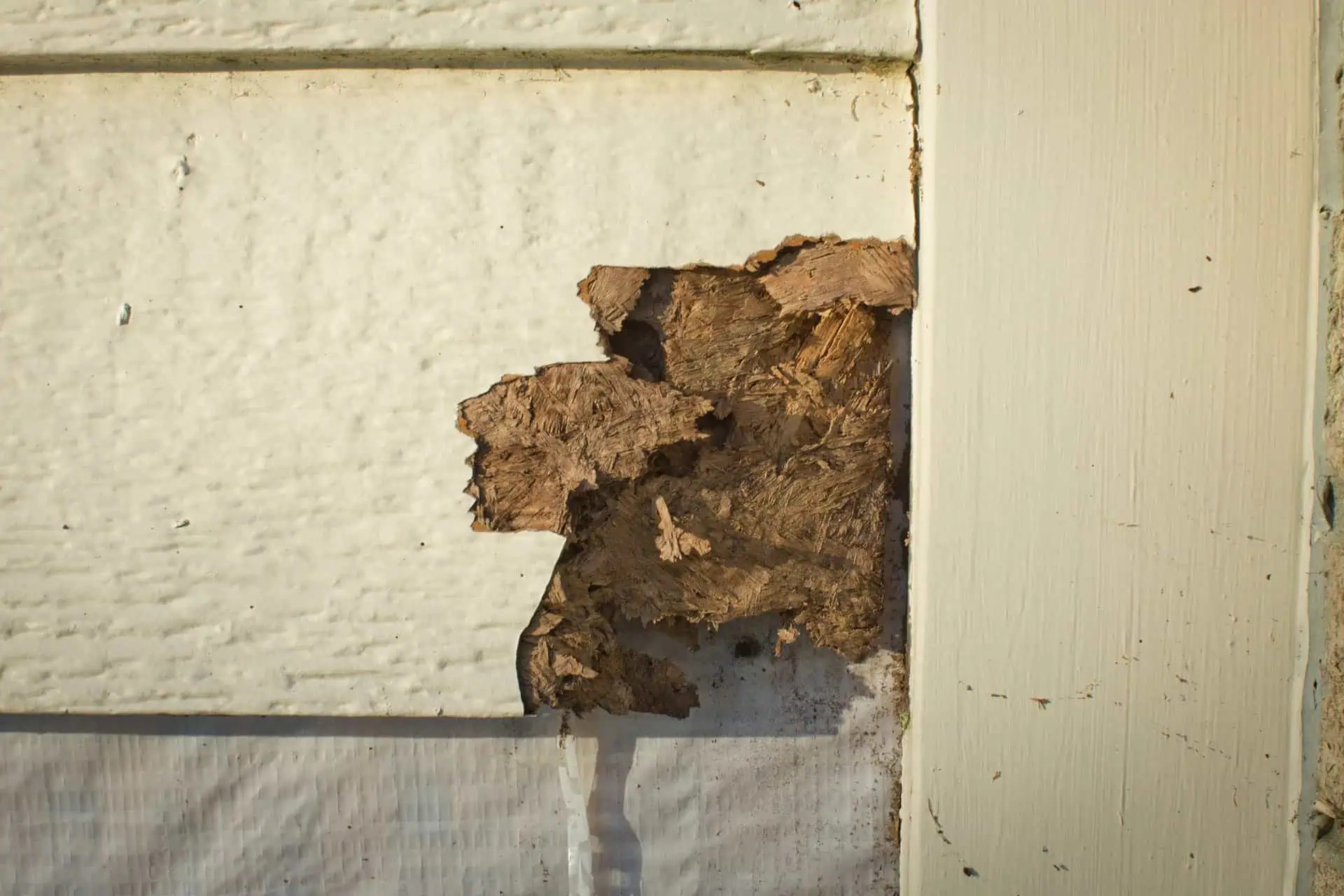
You probably notice when your paint starts peeling or when a floorboard squeaks more than usual. In fact, most homeowners are pretty good at spotting cosmetic issues around the house. But the problem with termites is that the damage rarely starts where you can easily see it.
Termites work behind walls, beneath flooring, inside crawl spaces, and deep within wooden structures long before obvious problems appear. And by the time many homeowners realize something is wrong, hidden termite damage may already be extensive.
Termites are dangerous because they don’t just affect how your home looks but also the entire structure behind it all.
And because many early termite infestation signs resemble ordinary home wear and tear, they’re easy to dismiss at first. A warped door might seem like humidity, while bubbling paint might look like moisture damage
Once you know what to watch for, however, you can catch termite damage in your home far sooner, long before repairs become expensive and disruptive.
Understanding what to watch for can help you catch termite damage in homes earlier, before repairs become significantly more expensive and disruptive.
Hollow-Sounding Wood
Termites consume wood from the inside out, leaving behind only a thin outer shell. From the surface, trim, flooring, cabinets, or wooden beams may still appear completely normal. Internally, though, the structure may already be heavily weakened.
You might notice:
- Floors that feel softer than usual
- Baseboards that crumble easily
- Hollow sounds behind walls
- Wood that dents unexpectedly
- Trim pulling away from surfaces
The tricky part is that termite damage often stays hidden until the wood becomes severely compromised. So if something suddenly feels “off” about wooden areas in your home, it’s worth investigating further instead of assuming it’s normal aging.
Mud Tubes Along Walls or Foundations
Subterranean termites rely on moisture to survive, which is why they build mud tubes to travel safely between their colony and food source. These narrow dirt-colored tunnels are commonly found near foundations, crawl spaces, basement walls, exterior siding, or garage walls.
At first glance, mud tubes may look like harmless dirt streaks or dried mud splatter. But they’re actually one of the clearest signs of active termite activity.
Even if the tubes appear abandoned, they shouldn’t be ignored. Subterranean termites may still be active elsewhere inside the structure where the damage remains hidden.
Because these pests often enter through small cracks near the foundation, routine inspections from a professional pest control company can help catch termite activity much earlier.
Bubbling Paint or Wall Discoloration
Not every bubbling wall is caused by plumbing issues. When termites tunnel beneath surfaces, they can introduce moisture buildup and weaken drywall or wood from underneath. That damage often appears as bubbling paint, warped walls, peeling surfaces, or unexplained discoloration.
The challenge is that homeowners often treat these symptoms as cosmetic problems, unaware that termites may be involved.
Pay attention if you notice:
- Paint bubbling repeatedly
- Soft drywall
- Warped wall surfaces
- Peeling trim
- Discoloration near wood features
Moisture and termite activity often go together, since damp conditions attract pests, while termite tunneling can worsen structural deterioration over time. In other words, what looks like a simple paint issue may actually point to much deeper hidden termite damage inside the walls.
Small Piles of Termite Droppings (Frass)
Drywood termites leave behind droppings called frass as they tunnel through wood, which generally appears as tiny, pellet-like piles near wooden structures, windowsills, baseboards, cabinets, or flooring edges. Many homeowners initially mistake it for sawdust, dirt, or ordinary household debris.
The difference to watch for is consistency. If you clean up the material and it keeps returning in the same area, drywood termites may be active nearby.
Because drywood termites live directly inside wooden structures, infestations can spread quietly for long periods before visible damage appears.
Tight Doors and Hard-to-Open Windows
When doors or windows suddenly stop opening smoothly, most people blame weather or humidity changes. Sometimes that’s accurate. But sometimes, termites are to blame instead.
As termite activity weakens wood internally, moisture buildup can cause surrounding materials to warp or shift slightly. Over time, that movement affects how doors and windows fit within their frames.
You may notice doors sticking unexpectedly, windows becoming harder to open, or uneven door frames. You might also spot cracks near trim or floors sloping nearby. These changes are often gradual enough that they feel easy to ignore initially, but functional changes inside your home can sometimes reveal structural problems happening beneath the surface.
Clicking Sounds Inside Walls
For insects that work so quietly, termites are surprisingly noisy.
Some homeowners report faint clicking, rustling, or tapping sounds inside walls, particularly at night when the house is quieter. Large numbers of soldier termites create these sounds by banging their heads against wood or moving through tunnels when the colony senses danger.
Of course, termites aren’t the only pests capable of making noise. Carpenter ants, rodents, and other pests may also create activity behind walls or ceilings. Still, unexplained sounds near wooden structures shouldn’t automatically be dismissed.
If the noises are recurring or paired with other warning signs, they may point to a larger hidden pest infestation developing inside the home.
Increased Pest Activity Around Wooden Areas
Moisture-damaged wood often attracts multiple pests over time, including carpenter ants, rodents, and other insects seeking shelter or food. If you suddenly notice increased pest activity around wooden structures, it may indicate underlying structural problems.
Watch for signs such as:
- Carpenter ants near trim or decking
- Swarming termites near windows
- Rodent activity in crawl spaces
- Insect movement near damp wood
- Damage around wooden outdoor features
Different pests are often drawn to the same vulnerable conditions: moisture, weakened wood, and hidden entry points. That’s why termite prevention tips usually focus not just on eliminating termites themselves, but also on reducing excess moisture and repairing structural vulnerabilities throughout the property.
Look Beyond the Surface
The reason termites become so expensive isn’t just because they damage wood. It’s because they often remain hidden while the damage spreads.
Once obvious warning signs appear, termites may already have significantly weakened flooring, framing, walls, or support structures. What could have been a manageable repair early on may eventually require major restoration work later.
That’s why termite control measures are so important even if your home looks perfectly fine from the outside.
If you notice hollow wood, mud tubes, bubbling paint, frass, sticking windows, or unexplained pest activity, don’t assume it’s minor. Small warning signs often point to much larger hidden problems developing underneath the surface.
If you want to protect your home, you need to care about so much more than just its appearance. You also need to consider the structure that supports everything inside it.