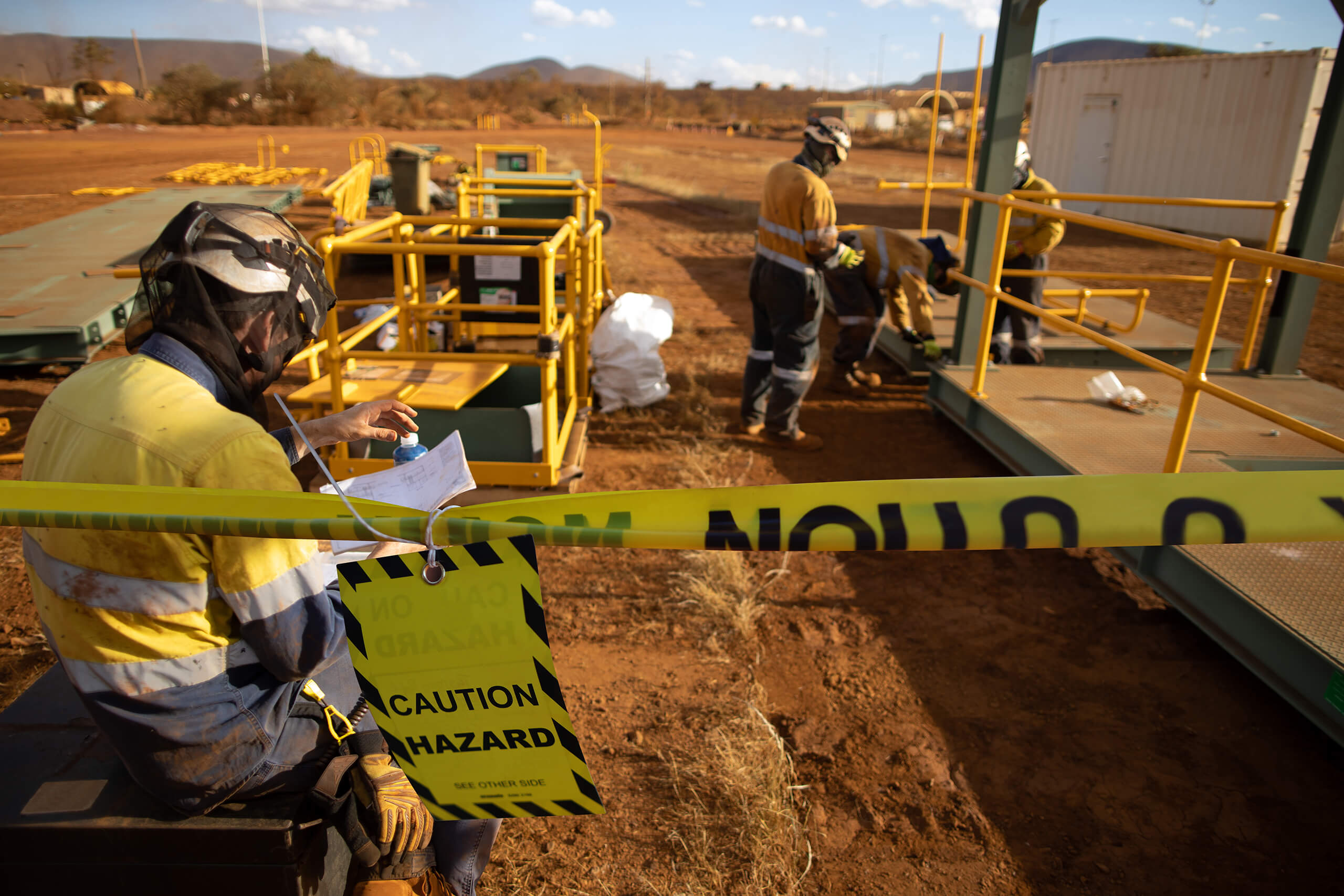
Clear communication is one of the most important factors influencing safety and efficiency on outdoor job sites. Construction zones, landscaping projects, surveying work, and utility installations all rely on teams understanding exactly where work begins, where hazards exist, and how different phases of a project are organized. When this information is unclear, mistakes become more likely and productivity suffers.
Temporary visual marking systems play a critical role in keeping job sites organized and safe. They help crews identify boundaries, highlight potential risks, and coordinate tasks without relying solely on verbal instructions. Because outdoor environments are constantly changing, these systems must be flexible, visible, and easy to adjust as work progresses.
This article explores the importance of temporary marking solutions, how they support coordination across teams, and best practices for using them effectively on modern job sites.
The Role of Visual Indicators in Outdoor Work Environments
Outdoor job sites present unique communication challenges that do not exist in controlled indoor settings. Noise from equipment, large work areas, and changing weather conditions all make it harder for crews to rely on spoken instructions or written notes alone.
Visual indicators solve many of these problems by providing constant, easy to understand information directly in the work area.
Why Visual Communication Is Essential
-
Equipment noise limits verbal communication
-
Crews often work far apart
-
Lighting conditions change throughout the day
-
Teams rotate frequently on long projects
Visual markers remain visible regardless of who is on site or when the work is taking place. This consistency helps maintain clarity even as conditions evolve.
Common Situations That Require Temporary Marking Solutions
Temporary marking tools are most valuable in situations where layouts change, work phases overlap, or areas need to be identified for a limited time.
Typical Use Cases
-
Utility locating before excavation
-
Landscaping layouts for planting or irrigation
-
Property boundary identification
-
Trail, path, or access route marking
-
Hazard identification during active construction
When Temporary Markers Are Preferred
-
Projects with frequent layout adjustments
-
Sites that require markers to be removed quickly
-
Areas where permanent markers would interfere with future work
Temporary solutions allow teams to adapt without committing to long term installations that may become outdated or misleading.
How Color and Visibility Improve On Site Coordination
Color plays a powerful role in communication. On busy job sites, color allows workers to identify information at a glance without stopping to ask questions or review documentation.
Benefits of Color Coding
-
Faster recognition of hazards or work zones
-
Reduced confusion between different utilities
-
Improved compliance with safety standards
-
Easier onboarding for new workers
Common Color Associations
-
Red for electrical hazards
-
Blue for water related areas
-
Yellow for gas or energy
-
Orange for communication lines
-
Green for sewer or drainage
Using consistent color systems helps ensure everyone interprets markings the same way, regardless of role or experience level.
Materials Commonly Used for Temporary Job Site Marking
Several types of materials are commonly used to create temporary visual indicators. Each has advantages depending on the project environment and duration.
Popular Temporary Marking Materials
-
Plastic or vinyl tape
-
Stakes and flags
-
Flexible whiskers
-
Colored string or mason line
Each option provides a different balance of visibility, durability, and ease of removal.
For example, flagging tape is widely used because it is lightweight, highly visible, and easy to apply to trees, stakes, or fencing. It allows crews to mark areas quickly without tools and remove markings just as easily once the task is complete.
For projects that require more structure or ground level identification, many professionals also rely on marking flags to provide upright visibility that stands out above grass, soil, or debris.
Best Practices for Applying and Maintaining Temporary Markers
Even the best marking materials are only effective when used correctly. Poor placement or inconsistent application can create confusion rather than clarity.
Best Practices for Effective Marking
-
Place markers at consistent heights and intervals
-
Avoid overlapping or excessive markings
-
Replace faded or damaged materials promptly
-
Ensure markers remain visible from multiple angles
-
Remove outdated markers to prevent misinterpretation
Additional Tips
-
Walk the site from multiple perspectives to check visibility
-
Coordinate placement with all teams involved
-
Reevaluate markings daily on active job sites
Proper maintenance ensures that temporary markers continue to communicate accurate information throughout the project lifecycle.
Supporting Team Communication and Safety Through Clear Marking
Clear marking systems do more than improve organization. They directly support safety by reducing the likelihood of accidents caused by miscommunication.
Safety Benefits of Temporary Marking
-
Helps prevent accidental digging near utilities
-
Reduces equipment collisions in shared spaces
-
Identifies restricted or hazardous zones
-
Guides foot traffic away from active work areas
Temporary markers also support compliance with safety regulations by making hazards and boundaries clearly visible to everyone on site.
For subcontractors or visiting crews, visual indicators provide immediate context without requiring lengthy explanations, reducing onboarding time and improving overall awareness.
Choosing the Right Temporary Marking Tools for Your Project
Selecting the right marking solution depends on several project specific factors. No single tool works for every situation.
Key Factors to Consider
-
Length of the project
-
Exposure to weather
-
Type of terrain
-
Level of foot and equipment traffic
-
Frequency of layout changes
Short Term vs Medium Term Needs
-
Short term projects benefit from lightweight, easily removable materials
-
Medium term projects may require more durable markers that still allow flexibility
Professionals often combine multiple tools to create layered communication systems that adapt as work progresses.
Conclusion
Temporary visual marking systems play a vital role in modern job site management. By providing clear, consistent information directly in the work environment, these tools reduce confusion, improve coordination, and enhance safety across all phases of a project.
From early planning to final execution, temporary markers help teams stay aligned even as conditions change. They support better communication between crews, protect workers from hidden hazards, and keep projects moving forward efficiently.
In fast paced outdoor environments, simple visual tools often make the biggest difference. Investing in effective temporary marking practices leads to safer sites, smoother workflows, and more successful project outcomes.