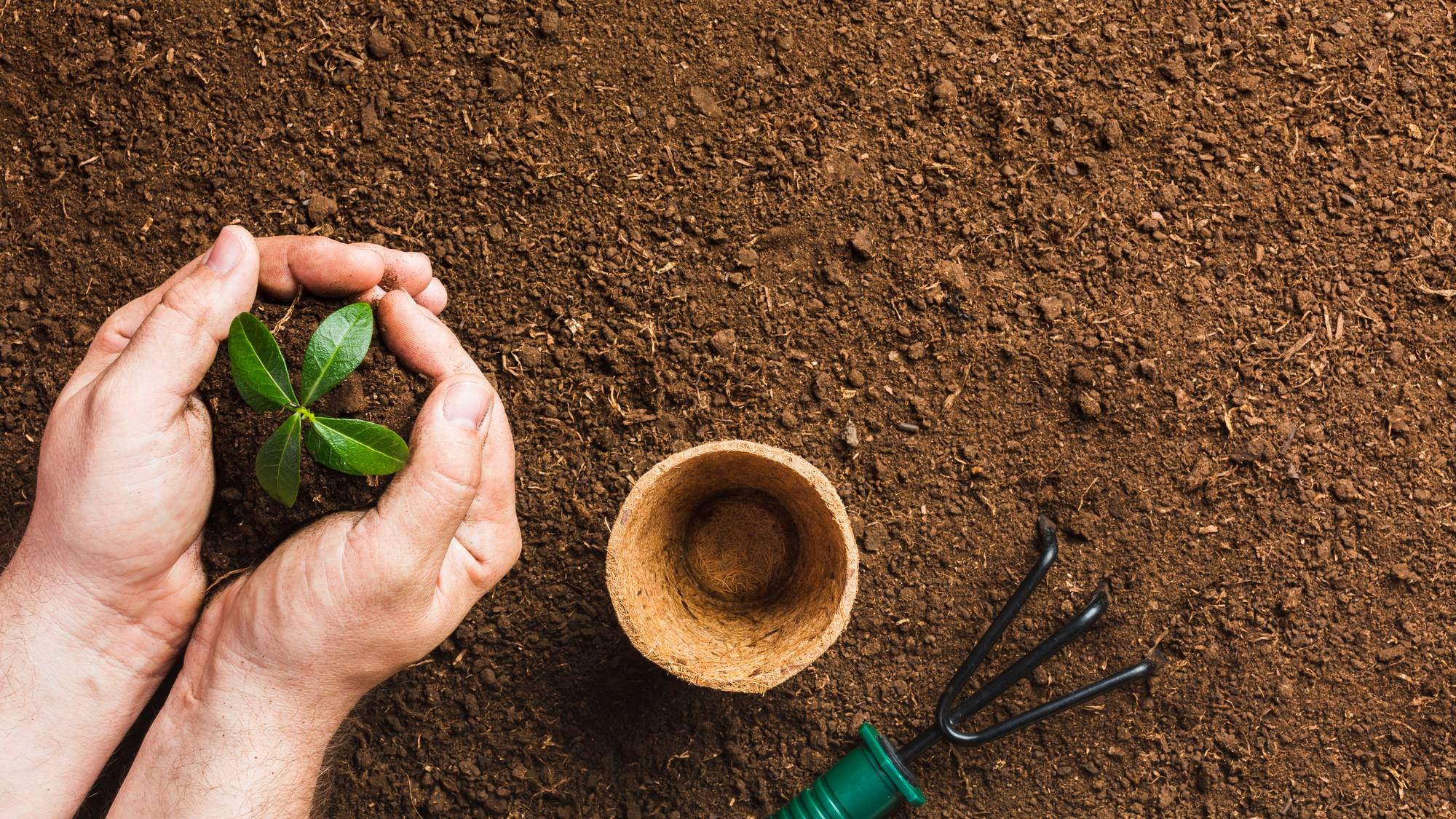
Every gardener has been there. You plant tomatoes in the same spot as last year, water them the same way, give them the same sunlight, and yet the results are disappointing. The leaves yellow early, the growth stalls, the harvest shrinks. It is tempting to blame the weather, the seedlings, or bad luck. But in most cases, the real culprit is hiding right under your boots. When plants struggle, the answer is rarely found on the foliage. It starts with the soil.
Before you reach for a shelf of gardening products promising quick fixes, it helps to understand what is actually going on below the surface. Healthy soil is alive, complex, and constantly working. When it falls out of balance, everything growing in it suffers. This guide walks through the basics of soil health so you can stop treating symptoms and start solving the actual problem.
Soil Is Alive, Not Just Dirt
The first shift in thinking is this: soil is not inert material. A single teaspoon of healthy soil contains billions of bacteria, miles of fungal threads, and a whole community of creatures ranging from earthworms to microscopic arthropods. This living network is what feeds your plants.
In a healthy system, roots exude sugars that feed microbes, and those microbes in turn break down organic matter into nutrients the roots can absorb. Fungi extend the reach of root systems, sometimes doubling or tripling the effective area a plant can draw water and nutrients from. When this web is intact, plants are stronger, more drought tolerant, and better able to resist disease.
When the web is broken, nothing works the way it should. Fertilizer gets applied but the plants cannot fully use it. Water pools or runs off instead of soaking in. Pests and pathogens move in because the plants are stressed and the natural checks are gone.
The Usual Suspects Behind Failing Soil
Most soil problems fall into a handful of categories. Learning to recognize them saves years of frustration.
Compaction. Foot traffic, heavy equipment, and even repeated tilling squeeze the air out of soil. Roots need oxygen as much as they need water, and compacted soil strangles them. If water sits on the surface after rain or your shovel barely penetrates, compaction is likely part of your problem.
Depleted organic matter. Every harvest removes nutrients and organic material from the soil. If nothing goes back in, the soil's structure and biology decline season after season. This is why a garden that produced beautifully five years ago can be a shadow of itself today.
**Disrupted biology.**Broad spectrum chemical treatments, excessive tilling, and long fallow periods with no living roots all reduce microbial diversity. Once the biology thins out, the natural nutrient cycling that plants depend on slows to a crawl.
pH imbalance. Nutrients can be present in the soil and still be unavailable to plants if the pH is off. Most garden vegetables prefer slightly acidic to neutral soil, somewhere in the 6.0 to 7.0 range. Outside that window, iron, phosphorus, and other key elements get locked out even when they exist in decent quantities.
Salt and chemical buildup. Years of heavy synthetic feeding can leave salts accumulating in the root zone, which stresses plants and harms the very microbes you want to encourage.
Reading the Signs
Plants are honest messengers if you learn their language. Yellowing lower leaves often point to nitrogen issues. Purple tinged leaves suggest phosphorus trouble, often related to cold soil or pH. Stunted roots and poor fruit set can trace back to compaction or a lack of beneficial fungi.
But here is the catch. These symptoms overlap, and guessing wrong wastes a whole season. The single best investment any gardener can make is a proper soil test. A basic test from a county extension office or a private lab costs very little and tells you your pH, organic matter percentage, and the levels of major nutrients. It is the difference between diagnosing and guessing.
One more field test worth doing costs nothing. Dig a hole about a foot deep and look at the soil profile. Dark topsoil should extend several inches down. If you hit pale, lifeless subsoil within an inch or two, your organic matter is low and you have found your starting point.
Rebuilding Soil, Step by Step
The good news is that soil responds to good treatment faster than most people expect. Here is how to work through it in a sensible order.
Test first. Get that soil test before adding anything. Adding lime to soil that is already alkaline, or dumping nitrogen on soil that is potassium starved, makes things worse rather than better.
Feed the biology. Compost is the closest thing to a universal soil improver that exists. It adds organic matter, introduces microbes, improves both drainage and water retention, and buffers pH. Work an inch or two into beds each season, or use it as a top dressing and let worms pull it down.
Keep roots in the ground. Bare soil is starving soil. Cover crops, mulch, and even leaving spent crop roots to decompose in place keep the microbial community fed year round. A living root in the ground is worth more to your soil than a bag of almost anything.
Minimize disturbance. Deep annual tilling tears apart fungal networks that take months or years to build. Switch to shallow cultivation and broadforking where you can. No-till methods are not just a trend, they reflect how soil biology actually functions.
Support the root zone at planting. Transplanting is one of the most stressful moments in a plant's life. Products containing mycorrhizal inoculants, biostimulants, and organic starter fertilizers can ease that transition by giving roots immediate access to beneficial microbes and gentle nutrition. The goal is not to force growth but to help the plant establish its own systems quickly.
Be patient with pH. Raising or lowering pH takes time. Sulfur and lime work slowly through biological and chemical processes. Apply in fall where possible and retest before adding more.
A Note on Patience
Gardeners often expect soil to turn around in a single season. Sometimes it does, especially with compost and cover cropping. But soil that has been neglected for a decade usually takes two or three seasons of consistent care to fully recover. The pattern is predictable: the first season shows modest improvement, the second shows clear gains, and by the third the garden is noticeably more resilient, with better water retention, fewer pest problems, and plants that simply look more vigorous.
The reward for that patience is a garden that increasingly takes care of itself. Healthy soil holds nutrients against rain, supports plants through dry spells, and suppresses many disease organisms before they ever reach your crops.
The Bottom Line
When something goes wrong in the garden, resist the urge to spray first and ask questions later. Walk the problem down to the root zone, get a soil test, and look at your organic matter, compaction, and biology. In the vast majority of cases, the fix is not a stronger product but a healthier foundation.
Treat your soil as the living system it is, feed it regularly, disturb it rarely, and keep it covered. Do that consistently and you will spend less money, lose fewer plants, and enjoy a garden that improves every single year instead of declining one quiet season at a time.