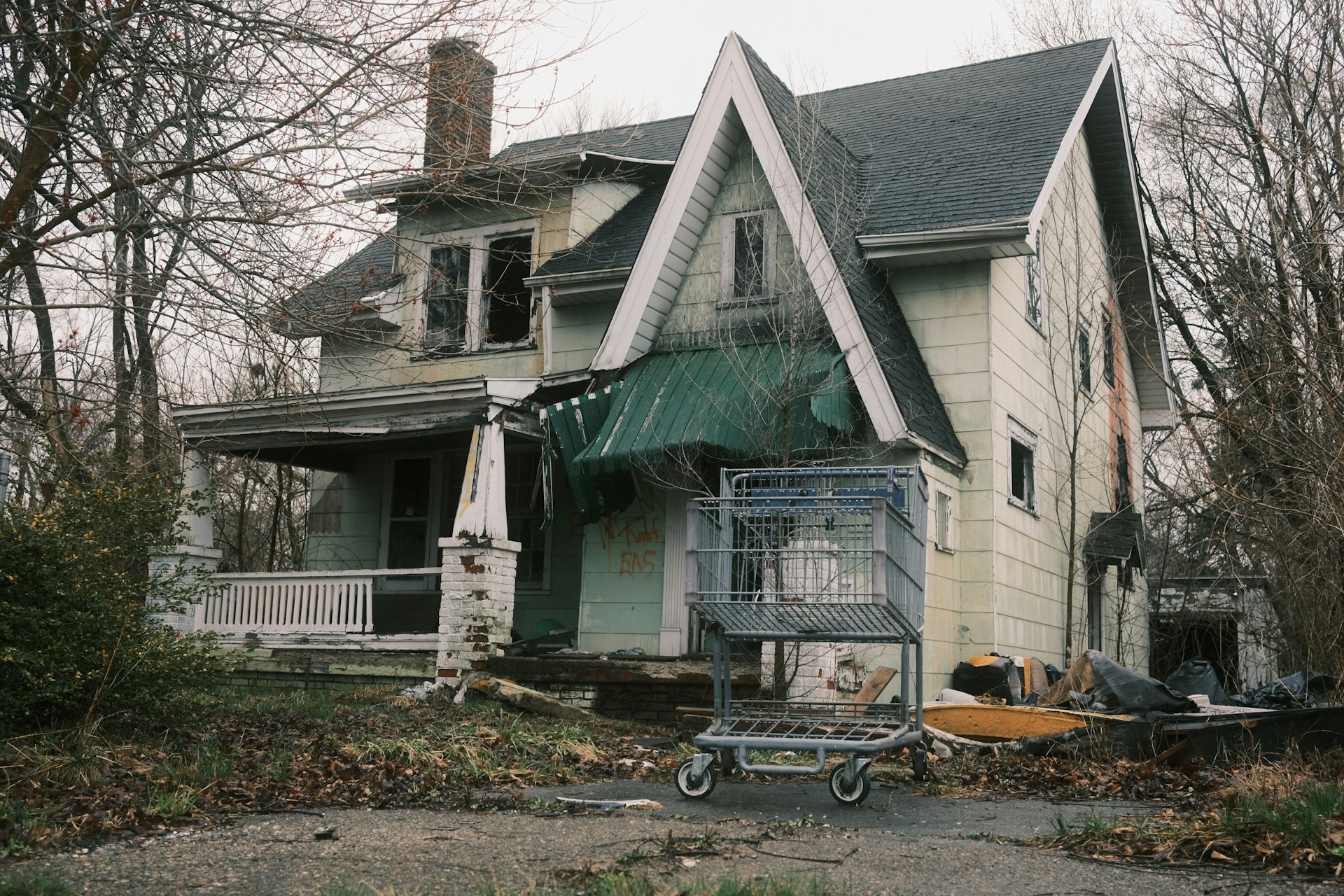
Severe weather continues to shape how homeowners approach rebuilding across the Front Range. Hailstorms, heavy snow, wildfires, and rapid temperature swings leave damage that often extends well beyond what is visible at first glance. Post-disaster home improvement upgrades call for a clear plan that restores safety while strengthening the property against future events.
Colorado ranks among the most hail-prone states in the country, averaging about 94 hail events per year and approximately $151 million in annual property losses. Denver homeowners feel the impact of these recurring storms through roof damage, cracked siding, broken windows, and strained garage systems. That repeated exposure makes resilient rebuilding a practical necessity rather than an upgrade reserved for major remodels.
Assess Structural Integrity Before Cosmetic Fixes
Structural stability forms the backbone of every successful rebuild. Roofing systems, framing, load-bearing walls, and foundations absorb much of the stress during extreme weather events. Hairline cracks, subtle shifts, or hidden moisture intrusion can compromise integrity even when surfaces appear intact.
A professional inspection provides clarity on the extent of the damage. Contractors and structural engineers can identify weakened joists, compromised decking, or foundation settling that may not be obvious to homeowners.
Strengthen Garage Doors and Entry Points
Garage doors represent one of the largest openings in most homes, which makes them particularly vulnerable during storms. High winds can force air pressure into the garage, destabilizing the roof and walls. Hail and debris may dent panels or disrupt track alignment, weakening the entire system.
Early inspection prevents minor damage from escalating into full failure. Reinforced steel doors, upgraded bracing kits, and wind-rated models provide stronger resistance against future storms. Professional calibration also ensures that springs and tracks operate smoothly, reducing strain on the motor and hardware. If you’re looking for a company that handles garage door repair in Denver, choose one with certified technicians, strong warranties, and emergency response availability. Reliable service protects both structural stability and daily convenience. Entry doors and sliding glass systems deserve similar attention. Multi-point locking mechanisms, reinforced frames, and impact-rated glass improve security and durability.
Upgrade Roofing for Long-Term Protection
Roofing systems bear the brunt of hail impact and heavy snow loads. Standard asphalt shingles often meet basic code requirements, yet they may not provide optimal durability in severe conditions. Impact-resistant Class 4 shingles offer improved protection against cracking and granule loss. Metal roofing systems present another resilient option, known for longevity and effective snow shedding.
Underlayment upgrades add another critical layer of defense. Ice and water shields protect vulnerable areas such as eaves and valleys, where leaks frequently develop. Improved flashing around vents and chimneys further reduces water intrusion risk. Ventilation should also be evaluated during roof replacement. Balanced intake and exhaust airflow regulate attic temperatures and prevent moisture buildup.
Reinforce Windows and Exterior Surfaces
Windows and siding form the protective skin of the home. Cracked seals, chipped frames, and dented panels create entry points for moisture and drafts. Upgrading to double or triple-pane windows with reinforced frames improves thermal performance while offering better resistance against debris impact.
Exterior cladding materials play a key role in durability. Fiber cement siding resists moisture, pests, and fire exposure more effectively than many traditional materials. Engineered wood products provide strength with improved dimensional stability. Sealing gaps around trim and penetrations enhances air tightness and prevents water infiltration. A reinforced exterior reduces maintenance demands and strengthens defense against future storms.
Address Water Mitigation and Drainage Systems
Water damage often persists long after visible cleanup ends. Saturated soil around foundations increases pressure on basement walls, while clogged gutters allow runoff to pool near the structure. Effective drainage systems minimize the risk of repeated flooding.
Sump pump upgrades provide reliable removal of groundwater during heavy storms. Installing a battery backup ensures continued operation during power outages. Backflow prevention valves protect sewer lines from reverse flow during intense rainfall. Gutter systems should direct water efficiently away from the home. Larger-capacity gutters and extended downspouts prevent overflow and foundation erosion.
Modernize Electrical and HVAC Systems
Storm activity often exposes weaknesses in electrical infrastructure. Power surges, lightning strikes, and prolonged outages can damage panels, wiring, and connected appliances. A post-disaster rebuild presents a practical opportunity to modernize these systems rather than simply restoring outdated components.
Upgraded electrical panels support higher capacity demands and improve overall safety. Whole-home surge protection adds another layer of defense against voltage spikes that threaten electronics and major appliances. Licensed electricians can also evaluate grounding systems to ensure compliance with current codes. HVAC systems deserve equal attention. Flood exposure, debris intrusion, or extended downtime can reduce efficiency and reliability.
Post-disaster rebuilding calls for deliberate decision-making. Restoring what was damaged marks only the first step. Reinforcing structural components, modernizing essential systems, and upgrading materials create a home that performs better under pressure.
Each improvement strengthens resilience and reduces the likelihood of recurring damage. Structural assessments protect safety, reinforced entry points secure the building envelope, and roofing upgrades defend against future storms. Modern electrical systems, efficient insulation, and improved drainage further enhance stability and comfort. Interior redesign choices contribute to durability without sacrificing livability.