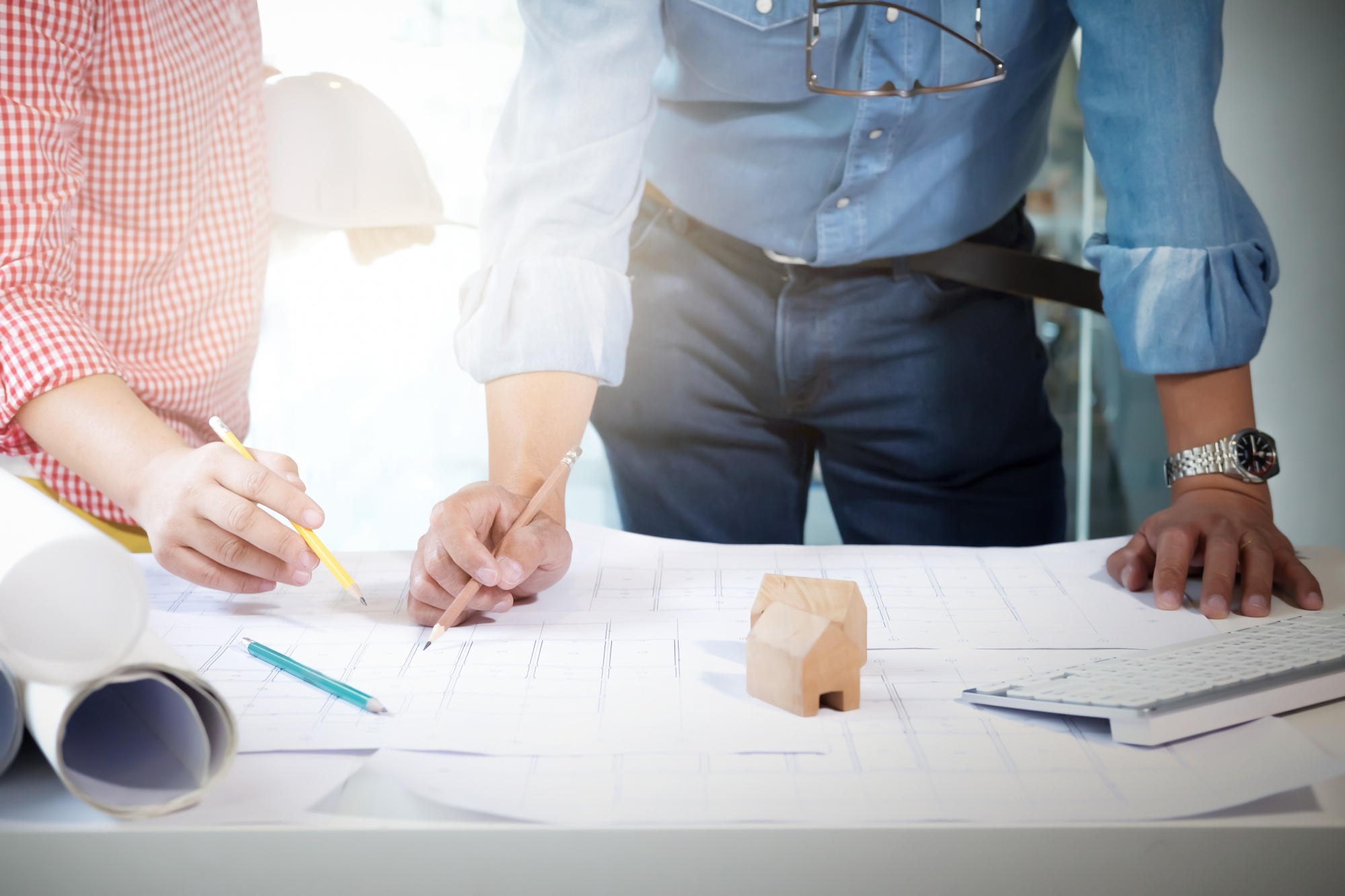
Real estate development in New Jersey reflects a dynamic balance between urban expansion, suburban transformation, and evolving economic conditions. Positioned between major metropolitan areas like New York City and Philadelphia, the state experiences constant demand for residential, commercial, and mixed-use developments. Developers navigate complex zoning laws, environmental considerations, and shifting market trends while responding to population growth and changing lifestyle preferences. From waterfront revitalization projects to suburban housing expansions, New Jersey's development landscape continues to evolve. Understanding these patterns reveals how infrastructure, policy, and investment intersect to shape communities across the state.
Development Trends Across Regions
Key Drivers of Growth
New Jersey’s real estate development is heavily influenced by its strategic geographic location and access to major transportation networks. Proximity to employment hubs has encouraged the rise of transit-oriented developments, particularly around train stations and major highways. Population density in certain regions has also pushed developers to focus on vertical construction and mixed-use buildings. In recent years, developers have increasingly prioritized projects that combine residential, retail, and office spaces within a single area to meet demand for convenience and walkability. Economic incentives offered by the state further encourage investment, making it easier for developers to undertake large-scale projects that contribute to long-term urban growth.
Urban Revitalization and Redevelopment Trends
Cities like Newark, Jersey City, and Hoboken have undergone significant transformation through redevelopment initiatives. Former industrial zones are being converted into residential communities, office spaces, and entertainment districts. These changes are driven by the need to utilize underdeveloped land while accommodating a growing population seeking urban living options. One notable trend is adaptive reuse, in which older buildings are repurposed rather than demolished. This approach preserves architectural character while reducing construction costs. In this environment, real estate developers in New Jersey play a crucial role in reshaping outdated areas into vibrant, functional spaces that align with modern living standards and economic activity.
Suburban Expansion and Housing Demand
While urban areas are expanding, suburban regions are also experiencing renewed interest, especially among families seeking more space and affordability. Developers are focusing on building single-family homes, townhouses, and planned communities that offer access to schools, parks, and local amenities. The shift toward remote work has further increased demand for suburban housing, as individuals no longer need to live close to city centers. This has led to a surge in construction across counties that were previously considered less central. Developers must carefully balance land availability, infrastructure development, and environmental impact while meeting the expectations of buyers looking for comfort and long-term value.
Regulatory Environment and Zoning Challenges
One of the defining aspects of real estate development in New Jersey is its regulatory complexity. Developers must navigate zoning laws, land-use regulations, and permitting processes that vary by municipality. Environmental regulations also play a significant role, particularly in areas with wetlands, coastal zones, or protected land. Compliance with these requirements often adds time and cost to development projects. However, these regulations are designed to ensure sustainable growth and protect natural resources. Successful projects often depend on thorough planning, collaboration with local authorities, and a clear understanding of the legal frameworks governing construction and land use.
Infrastructure and Transportation Influence
Infrastructure development is closely tied to real estate growth in New Jersey. Access to highways, public transit, and airports significantly impacts property values and development potential. Transit-oriented projects are becoming increasingly popular, as they offer convenience and reduce reliance on personal vehicles. Developers often prioritize locations near train stations or bus routes to attract commuters who travel to nearby cities for work. Investments in infrastructure improvements also open new areas for development, making previously underutilized land more accessible. This relationship between infrastructure and real estate continues to shape how and where development occurs across the state.
Economic Factors and Investment Patterns
Economic conditions play a critical role in determining the pace and scale of real estate development. Interest rates, construction costs, and market demand all influence investment decisions. During periods of economic growth, developers are more likely to undertake large projects, while economic uncertainty can slow down construction activity. In New Jersey, the presence of diverse industries, including finance, healthcare, and logistics, supports steady demand for both residential and commercial properties. Investors are increasingly seeking opportunities in mixed-use developments and properties to generate long-term rental income, reflecting a shift toward sustainable and diversified investment strategies.
Environmental Considerations and Sustainable Development
Environmental awareness has become a central aspect of modern real estate development in New Jersey. Developers are incorporating sustainable building practices, energy-efficient designs, and green spaces into their projects. Coastal areas, in particular, require careful planning due to flood risks and climate-related challenges. Building codes and regulations encourage the use of materials and designs that reduce environmental impact while improving resilience. Sustainable development not only benefits the environment but also attracts buyers and tenants who prioritize eco-friendly living. This shift toward sustainability is gradually transforming the way properties are designed and constructed across the state.
Future Outlook and Emerging Opportunities
Evolving market demands, technological advancements, and demographic changes shape the future of real estate development in New Jersey. Smart buildings, integrated technology, and flexible workspaces are becoming more common, reflecting changes in how people live and work. There is also growing interest in redevelopment projects that focus on community engagement and long-term sustainability. As housing demand continues to rise, developers will need to find innovative solutions to address affordability while maintaining quality. The balance between urban density and suburban expansion will remain a key factor in determining the direction of development in the coming years.
Compact Market Snapshot
New Jersey’s development landscape reflects steady demand across residential, commercial, and mixed-use sectors. Urban redevelopment continues to dominate major cities, while suburban expansion addresses shifting lifestyle preferences. Regulatory frameworks remain a significant factor, influencing project timelines and costs. Infrastructure investments support new opportunities, particularly in transit-connected areas. Environmental considerations are increasingly integrated into development strategies, shaping construction methods and design choices. Overall, the market demonstrates resilience, driven by location advantages, economic diversity, and ongoing demand for housing and commercial space.
Real estate development in New Jersey represents a complex and evolving sector influenced by geography, policy, and economic trends. From revitalized urban centers to expanding suburban communities, development patterns reflect changing lifestyles and market demands. Developers must navigate regulatory challenges, environmental concerns, and financial considerations while delivering projects that meet modern expectations. The integration of sustainability, infrastructure, and innovative design continues to shape the state’s built environment. As demand for housing and commercial spaces persists, NeJersey's real estate sector is likely to remain active, adapting to new challenges and opportunities while contributing to long-term regional growth.