Buying a fixer-upper is often seen as a way to snag a bargain property, especially for first-time homebuyers or investors looking to maximize their budget. While these properties may appear to be a steal at first glance, the hidden costs can quickly add up. Understanding what lies beyond the initial price tag is essential before taking the plunge. This article delves into the real costs of owning a fixer-upper and why it’s crucial to approach such investments with caution.
The Roof: More Than Just Shelter
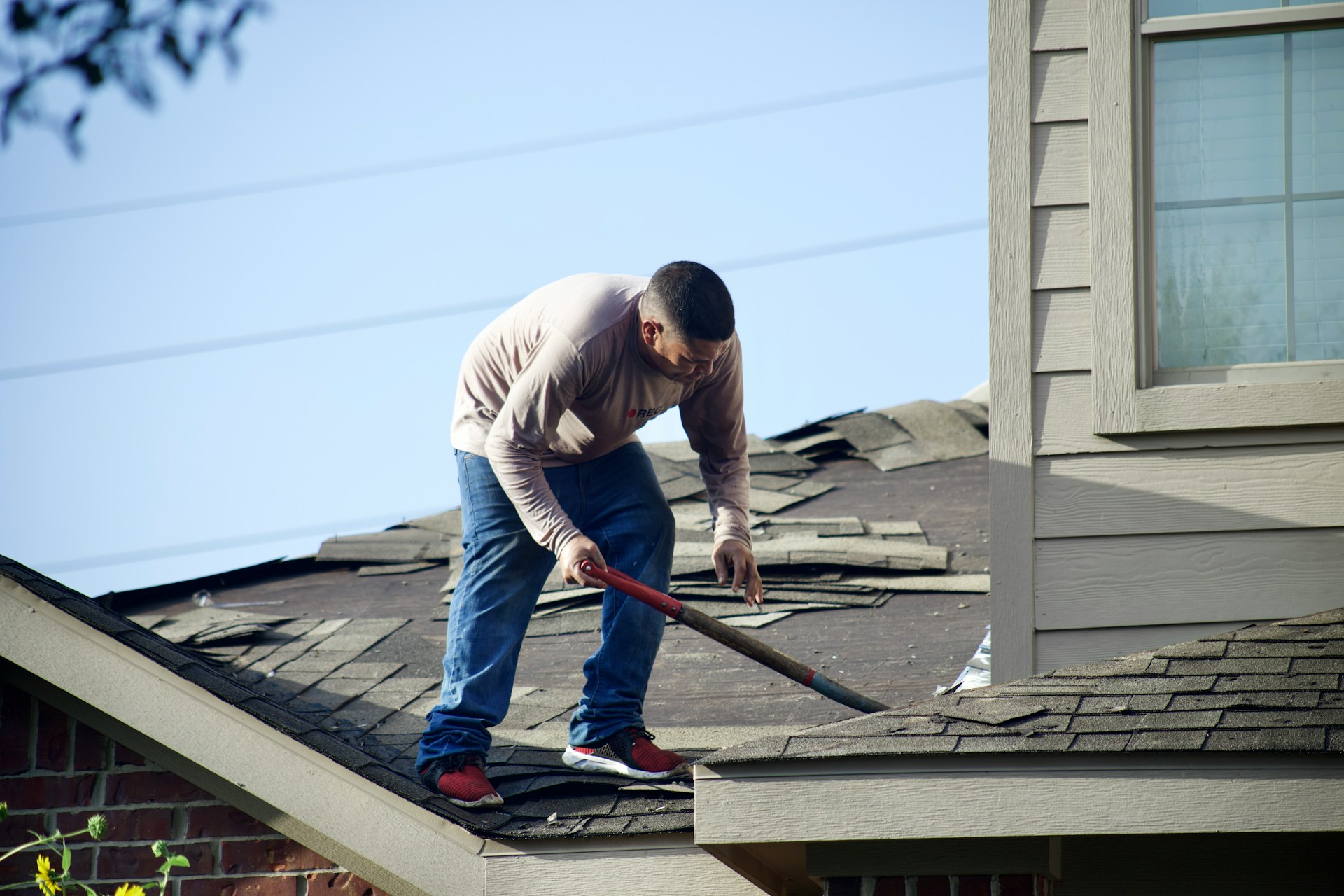
One of the first things most buyers consider when looking at a fixer-upper is the roof. After all, a sturdy roof is essential to the integrity of any home. While a roof may seem like a straightforward feature, it’s actually one of the most expensive elements to repair or replace. A roof in need of repair can be a significant financial burden if left unaddressed.
If you notice signs of leaks, missing shingles, or water stains on the ceiling, it’s essential to have a professional inspect the roof’s condition. Depending on the material and size of the roof, the costs can vary widely. Roof replacements can range from a few thousand dollars to tens of thousands, particularly for larger homes or specialized roofing materials.
For homeowners looking to address roof issues, it's essential to get in touch with local Franklin roof repair services to get an accurate estimate and expert advice. These professionals can help determine whether a full replacement is necessary or if a repair will suffice, saving both time and money in the long run. Ensuring that the roof is in good shape before moving forward with any renovations is key to avoiding further complications.
Structural Repairs: Hidden Costs Lurk Beneath the Surface
While the roof is a major concern, it’s far from the only potential problem with a fixer-upper. The foundation and structural components of the house can be another area where costs quickly escalate. Older homes, in particular, may have settling foundations, cracks in the walls, or structural issues that aren’t immediately obvious to the untrained eye.
Repairing a foundation or addressing structural problems can cost anywhere from a few thousand dollars to well over $10,000, depending on the extent of the damage. These repairs are often necessary to ensure the house remains stable and livable. Before purchasing a fixer-upper, it’s advisable to have a thorough inspection conducted by a structural engineer or professional home inspector.
Plumbing and Electrical Upgrades: Safety and Functionality
Outdated plumbing and electrical systems are common in older homes. In many cases, these systems are no longer up to code or may be prone to leaks, shorts, or inefficiency. Replacing old pipes or rewiring a home can be costly, but it’s often necessary for both safety and functionality.
Plumbing issues such as corroded pipes, water damage, or sewer line problems can run into thousands of dollars to fix. Similarly, outdated electrical systems, such as fuse boxes instead of circuit breakers or insufficient outlets for modern appliances, can pose a fire hazard and require a complete overhaul. For homes built several decades ago, these issues can be especially prevalent.
In addition to the cost of repairs or upgrades, the time required to complete these projects can delay other renovations and make living in the home less comfortable. It’s essential to budget for these improvements when considering the total cost of a fixer-upper.
Insulation and Energy Efficiency: Rising Utility Bills
Older homes, especially those built before the 1980s, may lack proper insulation or have inefficient windows and doors. This can lead to high energy bills as heating and cooling systems struggle to maintain comfortable temperatures. Upgrading insulation, replacing windows, or installing energy-efficient appliances can be costly but are essential for long-term comfort and savings.
Insulating attics, walls, and floors can range in cost depending on the size of the house and the materials used. Replacing windows with double-paned, energy-efficient models can also be a significant expense. While these upgrades may seem like an unnecessary luxury, they can pay off over time by reducing energy consumption and lowering utility costs.
Cosmetic Updates: Aesthetics Can Be Pricey
While cosmetic updates like fresh paint, new flooring, and modernized fixtures may seem like small improvements, they can quickly add up. Renovating kitchens and bathrooms, two of the most expensive areas to update often involves installing new countertops, cabinets, flooring, and appliances.
These aesthetic updates are crucial for making a house feel like a home, but they can also be time-consuming and expensive. If you’re looking to sell the home after completing renovations, it’s essential to consider what buyers in the area are looking for and what updates will provide the best return on investment.
The cost of cosmetic updates can vary greatly depending on the materials used, the extent of the work, and whether you hire professionals or take a DIY approach. It’s important to set a realistic budget for these projects and ensure you’re not overspending on unnecessary luxuries.
Permits and Legal Fees: Navigating Red Tape
Renovating a fixer-upper often requires obtaining permits, especially for major structural changes, plumbing, electrical, or roofing work. Navigating the permit process can be time-consuming and, in some cases, costly. Depending on the location, permits can cost hundreds or even thousands of dollars. Failure to obtain the necessary permits can lead to fines or delays in the renovation process.
In addition to permits, there may be legal fees associated with zoning issues, property disputes, or code violations. These costs can add up quickly and are often overlooked in the excitement of a new project. It’s essential to familiarize yourself with local regulations and ensure that all required paperwork is filed correctly before beginning any work on the property.
Unexpected Problems: Preparing for the Unknown
One of the most significant challenges of buying a fixer-upper is that you never truly know what you’re getting until you start tearing things apart. Behind the walls, under the floors, or in the attic, unexpected issues can arise that add to the overall cost of the project.
From hidden mold infestations to plumbing issues that weren’t initially apparent, unforeseen problems can derail your renovation plans and increase costs. It’s essential to have a contingency fund set aside for these types of surprises. Most experts recommend budgeting an extra 10-20% of the total project cost for unexpected expenses.
Purchasing a fixer-upper may appear to be an excellent way to get into homeownership at a lower cost, but the reality is that these properties often come with hidden expenses. From roof repairs and structural fixes to plumbing and electrical upgrades, the true costs of a fixer-upper can quickly escalate. Careful budgeting, professional inspections, and a clear understanding of the renovation process are essential to making a wise investment.