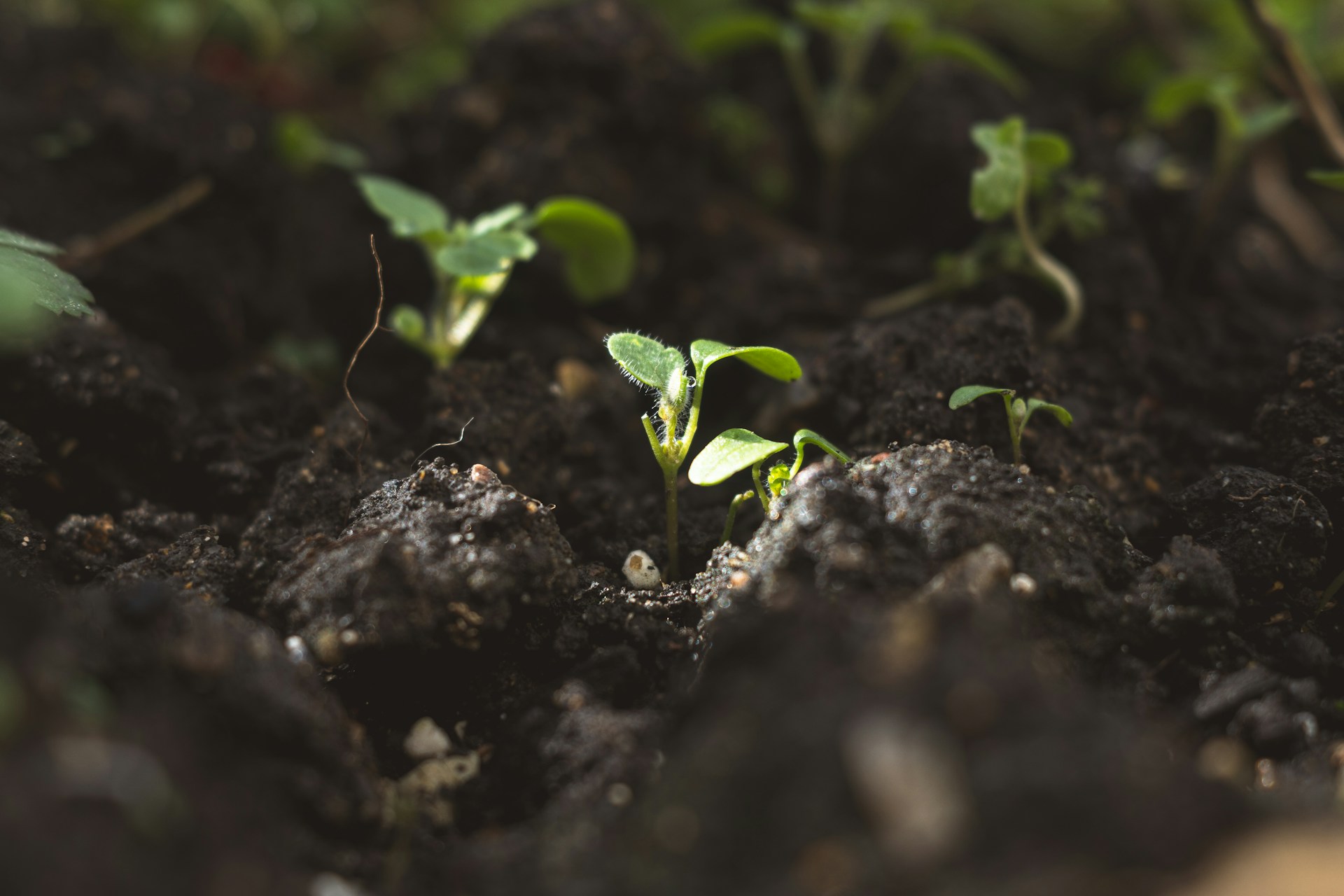
The foundation of a thriving garden isn't just sunlight and water; it's the rich, living soil beneath your feet. For gardeners, nurturing this soil is a top priority, ensuring that every vegetable, fruit and flower has the best possible start. But the modern backyard can introduce unseen challenges, with contaminants from runoff posing a silent threat to the health of your carefully tended plots. Protecting your garden from these pollutants is key to a safe and bountiful harvest.
Understanding Garden Soil Health
Healthy soil is much more than dirt. It's a complex, living ecosystem teeming with billions of bacteria, fungi, insects and worms. This underground community works together to break down organic matter, cycle nutrients and create a structure that holds water and air for plant roots. Maintaining good soil health means supporting this vibrant ecosystem.
When soil is healthy, it has a dark, crumbly texture and an earthy smell. It can naturally filter and buffer some pollutants, but its capacity is not infinite. A constant barrage of contaminants from runoff can overwhelm this natural system, leading to poor plant growth, nutrient deficiencies and soil that is no longer safe for growing edible crops.
Common Sources of Contamination
Contaminants can find their way into your garden from a variety of sources, often carried by rainwater. Runoff from your driveway can bring oil, gasoline and antifreeze into your yard. Overspray from lawn treatments, whether your own or a neighbor's, can drift onto your garden beds. Even washing your car on the lawn can introduce soaps and detergents into the soil.
Other sources include lead paint chips from older homes, residue from treated lumber used in construction, and chemicals from household cleaning products poured down storm drains, which can contribute to a sewage drain issue. These unwanted additions are often referred to as chemical contaminants in soil and can accumulate over time, creating a toxic environment for your plants and the beneficial organisms they depend on.
Preventing Backyard Chemical Leaks
One of the most direct ways to protect your soil is to control potential pollutants at their source. Start by assessing how you store chemicals in and around your home. Items like gasoline, motor oil, pesticides and strong cleaners should be kept in sealed, waterproof containers on a stable shelf, ideally in a garage or shed away from your garden. If you work on cars or lawn equipment, use a drip pan to catch any spills and dispose of them properly.
Beyond stored chemicals, your home's own systems can be a surprising source of contamination. A slow leak from a pipe or, even worse, a backup in a main [sewage drain] can release harmful bacteria and chemicals directly into your yard, where they can easily seep into garden soil. Regular inspection of your home's plumbing and addressing slow drains quickly can prevent a small issue from becoming a major backyard contamination event.
Managing Your Home's Drainage System
Controlling the flow of water across your property is a powerful tool for protecting your garden. Rainwater is a valuable resource, but when it flows across contaminated surfaces before reaching your soil, it becomes a problem. Take a look at your home's gutters and downspouts. Are they directing a torrent of roof runoff straight into your garden beds?
Consider extending downspouts to guide water away from sensitive areas and into a rain barrel, a swale or a designated rain garden. A rain barrel allows you to capture clean roof water for later use in your garden. A swale, which is a shallow channel filled with gravel or plants, can help slow down, absorb and filter runoff before it reaches your main garden area. Proper grading that slopes away from your home and garden also prevents water from pooling and carrying pollutants where you don't want them.
Organic Solutions for Cleaner Gardens
Even with the best prevention, some contaminants may be unavoidable. The good news is that you can build up your garden's resilience through organic practices. Creating a physical barrier is one of the most effective methods. Building raised beds and filling them with a high-quality mix of topsoil and compost gives you complete control over your growing medium.
Adding a thick layer of organic mulch, such as wood chips, straw or shredded leaves, serves multiple purposes. It suppresses weeds, conserves moisture and protects the soil surface from the impact of heavy rain, reducing erosion and runoff. As the mulch breaks down, it adds valuable organic matter to the soil. Regularly amending your soil with compost enriches it with nutrients and beneficial microbes, which can help break down certain pollutants and improve the soil's overall structure and filtering capacity.
Protecting your garden soil is an ongoing process of observation and action. Being mindful of potential contaminants and taking proactive steps to manage water and build healthy soil helps you create a safe and productive oasis for years to come.