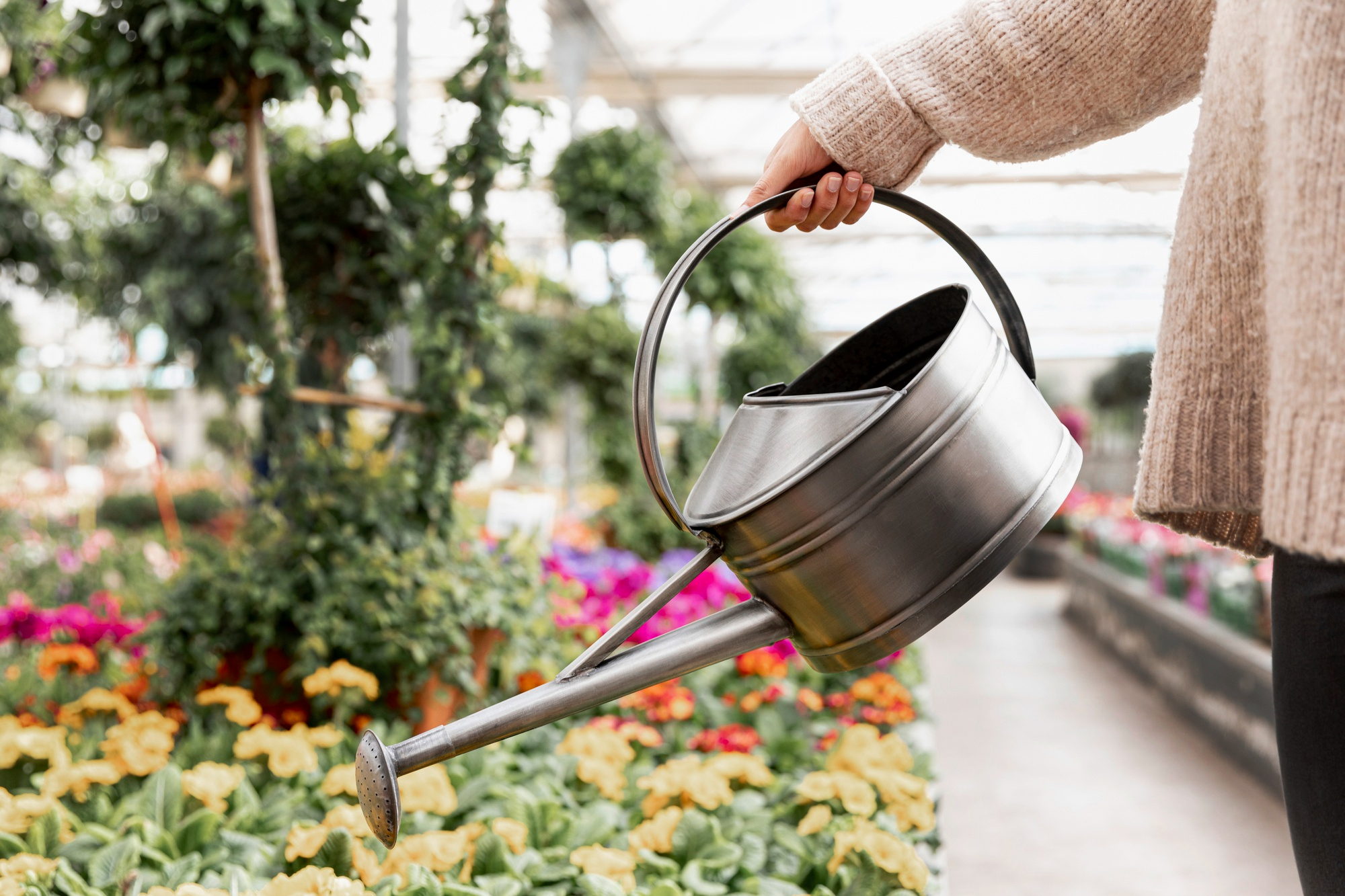
A garden rarely needs the same amount of water everywhere. Hanging baskets can dry quickly in a breeze, while shaded flower beds may stay damp long after rain. Seedlings need a gentle touch, and established plants benefit from water reaching their roots. Effective watering starts with noticing these differences rather than following a fixed schedule.
Equipment matters when it helps you respond to those needs. Choosing the best watering wand for your garden means considering reach, spray control, and comfort, especially if you care for containers at different heights. A suitable tool makes it easier to place water where plants need it without disturbing soil or soaking nearby paths.
Start with the Soil, Not the Calendar
Before turning on the tap, check the soil around your plants. Push a finger beneath the surface to see whether the root area feels moist. A dry crust does not always mean the soil underneath needs watering, particularly in beds protected by mulch.
Containers require separate attention because their limited soil volume behaves differently from garden soil. A small terracotta pot in sunshine may dry faster than a large plastic container beside it. Treat each pot as its own growing environment.
Plant appearance also provides clues, but wilting alone does not prove that water is needed. Check the soil before adding more, since plants can struggle in wet conditions too. Keeping simple notes helps you recognize patterns.
Understand What a Watering Wand Adds
A watering wand extends the distance between your hand and the spray head. That extra reach can make everyday tasks easier, particularly when flowers sit behind a border or baskets hang above shoulder level.
Using a garden hose wand allows you to direct a gentle stream toward the soil without leaning across delicate stems. It can also help you water beneath broad foliage that would otherwise intercept the spray.
A shorter hose nozzle remains useful for nearby pots and general outdoor tasks. The advantage of a wand is access. Instead of stretching your arm or dragging the hose through plants, you can guide the head into a suitable position.
Reach should remain manageable. A longer wand can feel awkward when extended, especially during a lengthy watering session.
Match the Spray to the Plant
Different spray patterns serve different purposes. For most flower beds and containers, a soft shower offers a useful balance between coverage and control. It spreads water without striking one small patch of soil too forcefully.
Seedlings need particular care. Strong jets can flatten tender growth, expose roots, or move seeds from their planting positions. Reduce the flow and hold the spray close enough to reach the soil accurately.
A fine mist may wet foliage while leaving the root zone relatively dry. Do not assume that a damp surface means a container has received enough water.
Whether using a wand or a garden hose nozzle, begin with modest pressure. Increase it only when necessary, watching how quickly the soil absorbs the water.
Give Hanging Baskets Individual Attention
Hanging baskets are easy to overlook because their soil is difficult to see. Sun, wind, basket size, and the amount of foliage all affect how quickly they lose moisture.
Bring the wand head near the compost surface and apply water slowly. Avoid spraying upward through the flowers, where much of the water may scatter before reaching the basket.
If water immediately runs through a very dry basket, pause and try again gradually. Some dry potting mixes resist wetting at first, allowing water to escape around the edges.
Consider these practical habits:
- Check baskets individually instead of watering every one automatically.
- Use a gentle flow that keeps compost inside the container.
- Lower baskets when possible if their soil cannot be checked safely.
Water Flower Beds Without Flattening Growth
Flower beds often contain plants with different root depths and moisture preferences. A broad spray across the entire border may give thirsty plants too little water while repeatedly soaking others.
Work through the bed in sections. Position the wand beneath or beside foliage, then allow water to soak into the soil around each plant. Avoid holding the spray against stems.
When water begins running across the surface, pause. Giving it time to absorb is usually more useful than increasing pressure. Return to the area if the soil below remains dry.
Mulch can help reduce evaporation and protect the soil surface. Keep it away from direct contact with stems, and check moisture beneath it rather than judging the bed by its appearance.
Make Watering Comfortable and Controlled
Comfort influences how carefully you water. A heavy tool or stiff trigger can encourage rushed work, especially when you have many containers to check.
Look for a handle that feels secure with wet hands and a flow control you can adjust easily. Check that the connection fits your hose and that the washer sits properly, since leaks waste water and make handles slippery.
Plan your route before starting. Keep the hose away from fragile plants, sharp corners, and places where someone could trip.
Garden hose wands are especially useful for targeted watering. For a large lawn or extensive planting area, a different watering arrangement may provide more even coverage with less effort.
Build a Routine Around Observation
Morning watering often fits well into garden care because it gives you time to inspect plants before the day becomes busy. However, soil conditions should guide the decision more than convenience.
Notice which containers dry first, where rain fails to reach, and whether dense foliage shelters the soil. Move pots when their position consistently makes watering difficult. Over time, these observations make each watering session more purposeful and efficient.
After finishing, shut off the supply, release pressure, and store the equipment neatly. Check the spray head periodically for debris that disrupts its pattern.
A dependable watering routine combines observation, controlled flow, and patient application. With those habits, an ordinary hose attachment becomes a useful tool for keeping flowers and foliage growing steadily.