Why Getting the Right Plants Is Only Half the Battle
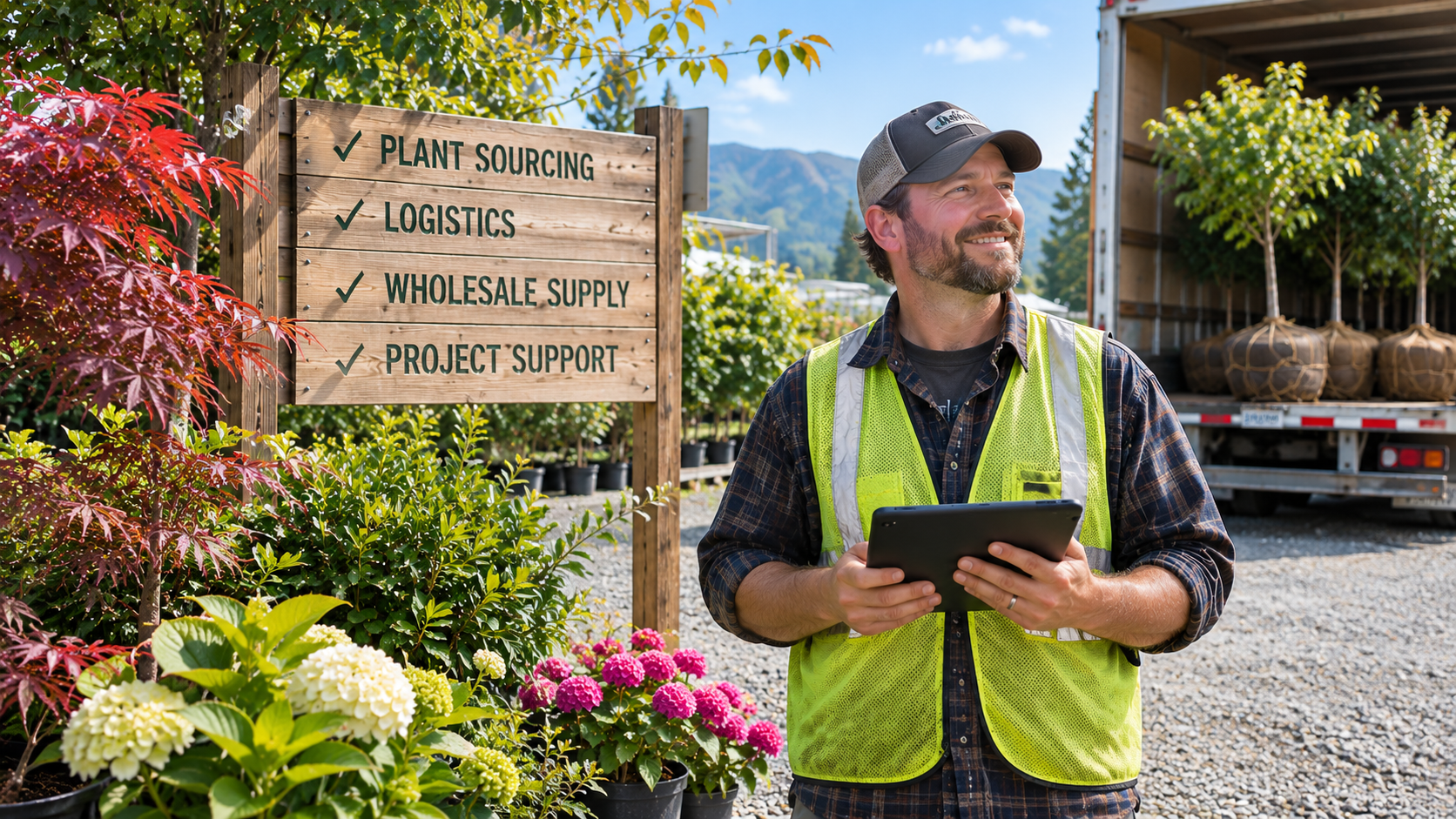
Finding healthy trees, shrubs, and other plants is an important part of any landscaping project, but getting them to the right place at the right time can be just as challenging. For professionals searching for the best online tree nursery, Tree Source offers more than an extensive selection of plant material. Through its network of professional growers, direct shipping capabilities, logistics coordination, rewholesale service centers, and project support solutions, the company helps landscapers, contractors, and commercial buyers obtain the plants they need without the hassle of managing numerous suppliers. These services make it easier to coordinate purchases, arrange reliable deliveries, and keep complicated landscaping projects moving forward.
Whether you're landscaping a commercial property, developing a community garden, or turning an unused backyard into a productive growing space, plant sourcing deserves more attention than it usually receives. Even the most carefully designed landscape can run into problems when plants arrive late, show up damaged, or turn out to be poorly suited to their new environment.
Understanding how nurseries source, store, transport, and distribute plants can help you make better purchasing decisions and avoid unnecessary expenses. It also gives your landscaping project a much better chance of success, whether you're planting five trees or five hundred.
Understanding Plant Sourcing: Where Do All Those Trees and Shrubs Come From?
Most homeowners think of purchasing plants as a relatively simple process. You visit a nursery, browse the selection, choose a few favorites, and somehow convince yourself that you absolutely need three more plants than you originally planned to buy.
For small gardening projects, that approach works perfectly well. However, purchasing plants for a large commercial landscape installation requires a completely different process, especially when hundreds or thousands of plants must meet specific design requirements.
Retail Nurseries vs. Wholesale Nurseries
Retail nurseries primarily serve homeowners and gardening enthusiasts, offering smaller quantities of plants along with advice about planting and maintenance. Their inventory typically includes popular trees, shrubs, flowers, vegetables, and other plants suited to local gardening conditions.
Wholesale nurseries operate on a larger scale, supplying landscaping contractors, garden centers, property developers, municipalities, and other professional buyers. These customers frequently need substantial quantities of plants that meet specific requirements for size, variety, maturity, and appearance.
Consider the difference between a homeowner purchasing two maple trees and a commercial contractor ordering 150 of them. The homeowner can choose whichever trees look healthiest at the local nursery, while the contractor may need every tree to meet the same specifications established in an approved landscape plan. Finding that many matching trees requires access to a much larger supply network.
How Professional Grower Networks Work
Wholesale plant suppliers often maintain relationships with multiple growers rather than depending entirely on inventory from a single nursery. These partnerships expand the range of available plants and help suppliers locate varieties, sizes, or quantities that might otherwise be difficult to obtain.
Think of the arrangement like a grocery distribution network. Your neighborhood supermarket doesn't grow every tomato, apple, or head of lettuce it sells. Instead, it coordinates products from numerous farms and suppliers, bringing everything together so customers can purchase what they need in one place.
Professional plant sourcing works much the same way. By coordinating with established growers, wholesale suppliers can help contractors find appropriate plant material without requiring them to contact numerous nurseries individually. This approach becomes especially valuable when a project involves specialty trees, unusual plant varieties, or a tight installation schedule.
Why Plant Logistics Can Make or Break a Landscaping Project
Plants aren't ordinary construction materials. A pallet of bricks can sit outside for weeks without much concern, but a truckload of freshly dug trees needs considerably more attention because plants are living organisms affected by temperature, moisture, handling, and transportation conditions.
That makes logistics an essential part of successful plant procurement. Getting the right plants is important, but ensuring they arrive in good condition when installation crews are ready can be equally important.
Timing, Transportation, and Plant Health
Imagine organizing a landscaping crew to install 150 trees on Monday morning. The workers are scheduled, equipment has been rented, and the planting locations are prepared, but the trees don't arrive until Thursday. Suddenly, you're dealing with idle workers, wasted equipment rental expenses, and a project schedule that's falling apart.
Now imagine the opposite situation, where the trees arrive several days before the site is ready. Without appropriate storage, watering, and protection, the plants could deteriorate before installation even begins. Neither scenario is particularly appealing when you're responsible for delivering a finished project on time and within budget.
Good logistics coordination helps avoid these problems by aligning plant deliveries with installation schedules and ensuring appropriate handling throughout transportation. Several factors deserve particular attention:
-
Delivery timing: Schedule shipments so plants arrive when crews and planting locations are ready.
-
Temperature protection: Avoid prolonged exposure to extreme heat or freezing conditions during transportation.
-
Proper handling: Minimize damage to branches, trunks, foliage, containers, and root systems.
-
Water management: Keep plants appropriately hydrated during transportation and temporary storage.
-
Site accessibility: Confirm that delivery trucks can safely reach the unloading location and that equipment is available to handle large plants.
These details may seem relatively minor compared with the overall landscape design, but they can have a substantial impact on installation costs and plant survival. A healthy tree that arrives in poor condition may require additional care or replacement, creating expenses that could have been avoided through better coordination.
The Benefits of Direct-to-Site Shipping
Direct shipping allows plant material to travel from a growing facility or distribution center to the project location without requiring the contractor to arrange additional transportation. This can reduce handling, eliminate unnecessary trips, and simplify the coordination involved in receiving large orders.
It's similar to organizing a catered wedding. You wouldn't want the ingredients delivered to five different kitchens while the chefs wait at the reception venue. You want everything arriving at the correct location, in appropriate quantities, and at the time it's needed.
Landscape installations benefit from the same approach, particularly when projects involve large trees, heavy containers, or substantial quantities of plants. Direct-to-site delivery can reduce the number of logistical details contractors must manage, allowing them to concentrate on installation quality rather than transportation arrangements.
Wholesale Nursery Solutions That Simplify Plant Procurement
Modern wholesale nurseries increasingly offer services that extend beyond growing and selling plants. Many help coordinate sourcing, maintain regional inventories, arrange deliveries, and support contractors who need specific plant material for large or complicated projects.
These services are particularly useful for landscaping companies managing several installations simultaneously. Instead of coordinating purchases and shipments with numerous individual growers, contractors can work with a supplier capable of handling multiple aspects of the procurement process.
Rewholesale Service Centers and Flexible Purchasing
A rewholesale service center is a regional distribution location where professional buyers can purchase plants sourced from growers and wholesale nurseries. These facilities may carry trees, shrubs, ornamental grasses, perennials, and other landscaping materials, providing contractors with convenient access to inventory closer to their projects.
Consider a contractor who discovers halfway through an installation that the original landscape plan underestimated the number of shrubs required. Driving several hours to retrieve additional plants probably isn't how anyone planned to spend the afternoon, especially when an entire crew is waiting to finish the job.
A nearby rewholesale center may offer a practical solution by providing access to available inventory without requiring another long-distance shipment. Although product availability varies, having multiple purchasing and delivery options gives landscaping professionals greater flexibility when unexpected needs arise.
How Tree Source Supports Professional Landscapers
One example of this integrated approach is tree source, a wholesale nursery supplier serving professional landscape customers. The company combines its own growing operations with an extensive network of professional growers, helping customers source trees, shrubs, grasses, perennials, and specialty plant material for projects of different sizes.
Beyond supplying plants, Tree Source offers direct shipping, logistics coordination, regional rewholesale service centers, and project support. These services help contractors manage availability, arrange deliveries, and obtain plant material that meets project specifications without having to coordinate every purchase independently.
For example, a contractor working on a commercial development might need several varieties of trees and shrubs from different growers. Rather than placing separate orders and managing multiple delivery schedules, the contractor can work with a supplier that helps coordinate sourcing and transportation through established industry relationships.
This centralized approach can reduce administrative work, improve purchasing efficiency, and help contractors maintain more predictable installation schedules. It also gives professional buyers access to flexible service options, whether they're arranging a large direct shipment or purchasing additional plants through a regional rewholesale location.
Tree Source serves professional wholesale customers rather than operating as a traditional retail nursery for individual homeowners. Its services are designed around the purchasing, sourcing, and logistics requirements of landscaping businesses and commercial projects.
Choosing the Right Landscape Supplier for Your Project
Not every nursery is the right fit for every landscaping project. A supplier that's ideal for purchasing three rose bushes may not have the inventory or transportation capabilities needed to deliver hundreds of mature trees to a commercial development.
Likewise, the supplier offering the lowest price isn't necessarily providing the best overall value. Plant quality, availability, communication, and delivery reliability can make a significant difference in the total cost of completing a project.
What to Look for Beyond Price
When evaluating a landscape supplier, begin with the quality of the plants themselves. Healthy root systems, appropriate growth habits, consistent sizing, and freedom from obvious pest or disease problems should be basic expectations.
Inventory availability deserves equal attention, particularly when a project requires specific plant varieties or installation dates. A fantastic price doesn't mean much if the plants won't be available until three weeks after your deadline, and unexpected substitutions may not satisfy the approved landscape plan.
Communication is another important consideration. When an order changes, a shipment is delayed, or a particular variety becomes unavailable, you need a supplier who communicates clearly and helps identify practical solutions. Strong relationships with dependable suppliers can be especially valuable when you're managing multiple projects with competing deadlines.
Questions Worth Asking Before Placing an Order
Before committing to a substantial plant purchase, take time to understand the supplier's capabilities and policies. Asking a few practical questions early can prevent confusion and unexpected expenses later.
-
Are the requested plants available? Confirm the varieties, quantities, sizes, and specifications required for your project.
-
Where were the plants grown? Understanding their growing conditions can help determine whether they're suitable for the destination climate.
-
What are the expected delivery dates? Make sure the schedule aligns with site preparation and installation work.
-
Are there minimum purchasing requirements? Some wholesale suppliers establish minimum quantities or order values.
-
How are plants inspected and handled? Ask about quality standards, transportation procedures, and protection during shipping.
-
What happens if material arrives damaged or incorrect? Understand the supplier's policies for claims, replacements, and substitutions.
-
Can the supplier locate specialty plants? Access to additional growers may be valuable when the project requires unusual or difficult-to-find varieties.
For larger orders, it's also wise to confirm the important details in writing, including specifications, quantities, freight charges, and delivery arrangements. A few extra minutes reviewing an order can save considerable frustration when trucks and installation crews arrive at the job site.
Better Planning Means Healthier Plants and Fewer Surprises
Successful landscaping begins long before the first shovel enters the ground. Choosing suitable plants, evaluating growing conditions, and organizing purchases around the installation schedule can prevent many of the problems that affect landscaping projects.
These principles aren't limited to commercial contractors. Homeowners, community organizations, and gardeners working with shared backyard spaces can benefit from exactly the same planning approach, even when their projects are much smaller.
Match Your Plant Selections to the Site
A beautiful plant isn't necessarily the right plant for every location. That Japanese maple might look incredible in a photograph, but it could struggle in a location with intense afternoon sunlight, drying winds, and unsuitable soil conditions.
Similarly, a vegetable garden filled with sun-loving tomatoes probably won't produce impressive results beneath a heavily shaded tree. Choosing plants based on their actual growing requirements is more important than selecting whatever happens to look appealing at the nursery.
Before purchasing plants, consider the local climate, seasonal temperatures, soil drainage, sunlight exposure, water availability, and mature plant size. Maintenance requirements matter too, especially when a garden will be cared for by someone with limited time or gardening experience.
For gardeners using shared spaces, these considerations become particularly important because they may have less control over the property's existing conditions. One backyard might offer excellent soil but limited sunlight, while another provides plenty of sunshine but requires additional irrigation. Evaluating those conditions before planting makes it easier to select varieties that will thrive.
Coordinate Orders With Your Project Timeline
Plant availability can change significantly throughout the growing season. Popular varieties may sell out, certain trees have limited digging or shipping windows, and specialty plants may require additional sourcing time.
Planning ahead gives you more options and reduces the likelihood of making rushed purchasing decisions. Start with a detailed plant list identifying the desired varieties, sizes, quantities, and acceptable alternatives, then confirm availability before scheduling installation work.
For larger projects, coordinate deliveries with site preparation, irrigation installation, equipment availability, and crew scheduling. It's also worth establishing a backup plan in case your preferred plant varieties become unavailable.
For example, if a particular ornamental shrub can't be sourced in time, another variety with similar height, color, and growing characteristics might be an acceptable substitute. Identifying those alternatives before construction begins can prevent unnecessary delays, provided the replacement meets the project's design requirements.
What This Means for Community Gardens and Shared Backyards
At YardYum, we believe more people should have the opportunity to grow their own food, even when they don't have suitable gardening space at home. Connecting gardeners with homeowners and organizations that have available land helps turn unused outdoor areas into productive growing spaces.
Finding the right location is an important first step, but a successful shared garden also requires thoughtful plant selection, reliable water access, and a realistic maintenance plan. Gardeners and property owners should discuss these details before planting begins so everyone understands how the space will be used and cared for.
Someone renting a small backyard plot might purchase tomatoes, lettuce, herbs, and other seasonal vegetables from a nearby retail nursery. A community organization developing a much larger garden, however, may need shade trees, hedges, ornamental plants, and other landscaping materials that are more efficiently sourced through professional suppliers.
The scale is different, but the underlying principles remain remarkably similar. Choose plants that suit the location, arrange materials before they're needed, and make sure the growing environment supports long-term success.
Of course, even the best planning can't eliminate every gardening surprise. Sometimes the weather changes unexpectedly, a plant refuses to cooperate, or an overly enthusiastic zucchini takes over half the garden. That's part of the experience, and a little flexibility goes a long way.
Good Landscapes Start With Good Supply Partnerships
Creating a successful landscape requires more than attractive plants and a thoughtful design. It also depends on careful sourcing, dependable transportation, realistic scheduling, and relationships with suppliers who understand the requirements of the project.
For professional landscapers and contractors, wholesale nursery solutions can simplify purchasing, improve delivery coordination, and reduce the time spent managing multiple vendors. Access to established grower networks, regional rewholesale facilities, and flexible shipping arrangements can be especially valuable when working with large quantities of plant material or demanding project schedules.
Homeowners and community gardeners can apply many of the same lessons on a smaller scale. Start with plants that suit your growing conditions, plan purchases around the planting season, and work with knowledgeable suppliers who can provide dependable information about the varieties they sell.
Whether you're installing hundreds of trees at a commercial property or growing your first vegetables in a shared backyard, preparation gives your plants a better chance to flourish. The goal isn't simply to get plants into the ground, but to create a healthy, productive landscape that continues delivering value long after the initial planting is complete.