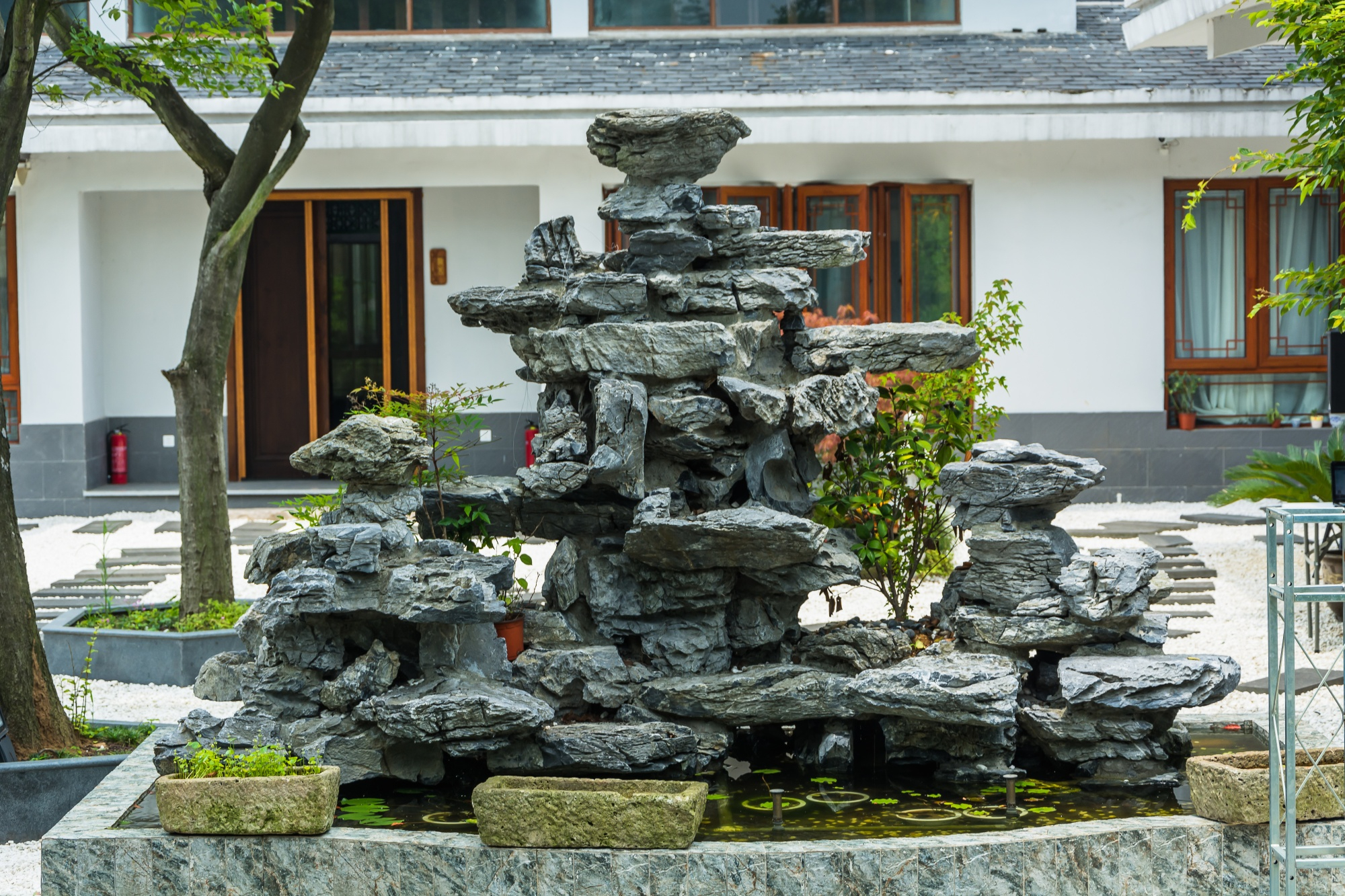
If your yard feels like it’s “missing something,” it’s usually not more furniture or another planter. It’s movement. It’s sound. It’s the kind of calm you notice immediately—then wonder why you waited so long to add it.
That’s exactly what a water feature does. But not all water features are created equal. When you build around natural stone, you’re not just adding a decorative element. You’re creating something that looks like it belongs in the landscape—because it does.
Natural stone water features can turn a basic outdoor space into a destination: a place to drink coffee, host friends, or just breathe after a long day. And when designed thoughtfully, they can also be practical: improving drainage, reducing muddy areas, and creating a more usable yard.
Below is a straightforward guide to choosing, planning, and caring for a stone-based water feature that fits your space—and keeps paying you back in enjoyment year after year.
Why Natural Stone Looks More “Right” Outdoors
There’s a reason natural stone blends into a yard better than plastic basins or overly polished materials: it doesn’t fight the environment. It complements it.
Stone has texture and variation. It weathers naturally. It works with plants, mulch, soil, and seasonal changes. Whether your yard is rustic, modern, or somewhere in between, stone doesn’t look out of place. It looks intentional.
Natural stone also supports a more timeless style. Trends change fast. Stone doesn’t. A well-built stone feature can look great now—and still look great ten years from now.
The Most Popular Types of Stone Water Features
There’s more than one way to bring water into your yard. Here are a few of the most common options that homeowners choose, depending on space, budget, and the vibe they want.
1) Bubbling Boulder Features
A bubbling boulder is exactly what it sounds like: water flows up through a drilled stone and gently spills down the sides into a hidden basin below. It’s compact, relatively low-maintenance, and perfect for smaller yards.
It also works well in front yards, near patios, or in a landscape bed where you want sound without a large pond.
2) Pondless Waterfalls
Pondless systems give you the look and sound of a waterfall without the open water of a pond. Water falls over stone into gravel and a reservoir basin below, then recirculates.
Many homeowners prefer pondless builds for safety (especially with kids), easier upkeep, and fewer concerns about algae.
3) Stream-and-Falls Layouts
If you have a slope or enough room to build one, a small stream with multiple drops can be the ultimate backyard upgrade. These features feel immersive and can become the focal point of your landscape.
They also create the strongest sound—great if you want to soften traffic noise or add privacy.
4) Basalt Columns and Modern Features
For a cleaner, more architectural look, basalt columns or squared stone elements can create a modern style. These often pair well with minimal plantings and structured hardscapes.
Planning Your Water Feature the Smart Way
A water feature is one of those projects where planning saves money. Here are the key decisions to make early so you don’t redesign halfway through.
Choose the location based on how you’ll actually use the space
A feature hidden in the back corner won’t get enjoyed as much. A feature near the patio, seating area, or a kitchen window? You’ll appreciate it daily.
Also consider:
-
Sightlines from inside your home
-
Distance to power for the pump
-
Drainage and runoff patterns during heavy rain
-
Sun exposure (full sun can mean more algae in open-water features)
Size it to fit your yard—not your dream yard
Bigger isn’t always better. A smaller, well-placed feature often feels more intentional than a large feature squeezed into a tight space.
A good rule: the water feature should “match” the scale of nearby hardscape elements—patios, retaining walls, pathways—so it looks like part of the overall plan, not a random add-on.
Decide whether you want open water
Open water looks beautiful, but it comes with maintenance: debris removal, algae management, and sometimes wildlife visitors you didn’t ask for.
If you want low-maintenance, pondless designs are often the best balance of beauty and practicality.
Stone Selection: What Matters Most
When people choose stone, they often focus on color first. Color matters, but performance matters more.
Here’s what to prioritize:
-
Durability: You want stone that holds up to freeze/thaw cycles and weather changes.
-
Texture: Textured stone looks more natural, and it also helps water flow in a way that looks organic.
-
Shape and sizing: Mixing sizes creates a more natural look. Too many stones in the same size range can look “built” instead of “formed.”
-
Local fit: Stone that matches the region’s natural look tends to blend better with nearby materials and plant palettes.
If you want examples of styles and options, this resource on natural stone water features is a helpful starting point for understanding what’s possible and what materials are commonly used.
Keeping It Low Maintenance (So You Don’t Regret It)
The best water feature is the one you’ll enjoy—not the one you’re constantly cleaning.
Here are simple ways to reduce upkeep:
Use a skimmer and proper reservoir sizing
If you’re building a pondless system, the hidden reservoir must be large enough to handle:
-
splash-out
-
evaporation in summer
-
heavy rain events
A well-sized reservoir helps the pump run consistently and prevents frustrating “low water” issues.
Add a basic filtration strategy
Even pondless systems benefit from filtration. It keeps water clearer, reduces smell, and helps prevent pump clogs.
Plan access to the pump
Make sure you can reach the pump without tearing everything apart. A little access planning upfront saves major headaches later.
Use plants strategically (but not too close)
Plants can make the feature look more natural, but you don’t want constant leaf drop directly into the water path. Place heavy shedders a bit farther back and use groundcovers or ornamental grasses closer to the stone edges.
Why Water Features Boost Curb Appeal and “Stay Value”
A well-built water feature can make a home feel more premium. Not because it’s flashy—but because it signals care, design, and quality.
Water features also photograph well, which matters more than ever. If you ever sell your home, that yard “moment” can be the difference between a scroll-past listing and a showing request.
And even if you never sell, you still get the day-to-day benefit: a place that feels calmer, more enjoyable, and more complete.
Final Thoughts: Build It to Feel Natural—Not Forced
The best stone water features don’t look like they were installed last weekend. They look like they’ve always been part of the landscape.
That comes down to:
-
choosing the right style for your space
-
selecting durable, natural-looking stone
-
building the feature where you’ll actually enjoy it
-
keeping maintenance realistic
If you’re considering a backyard upgrade that improves the look, sound, and feel of your outdoor space, a natural stone water feature is one of the most rewarding projects you can take on.