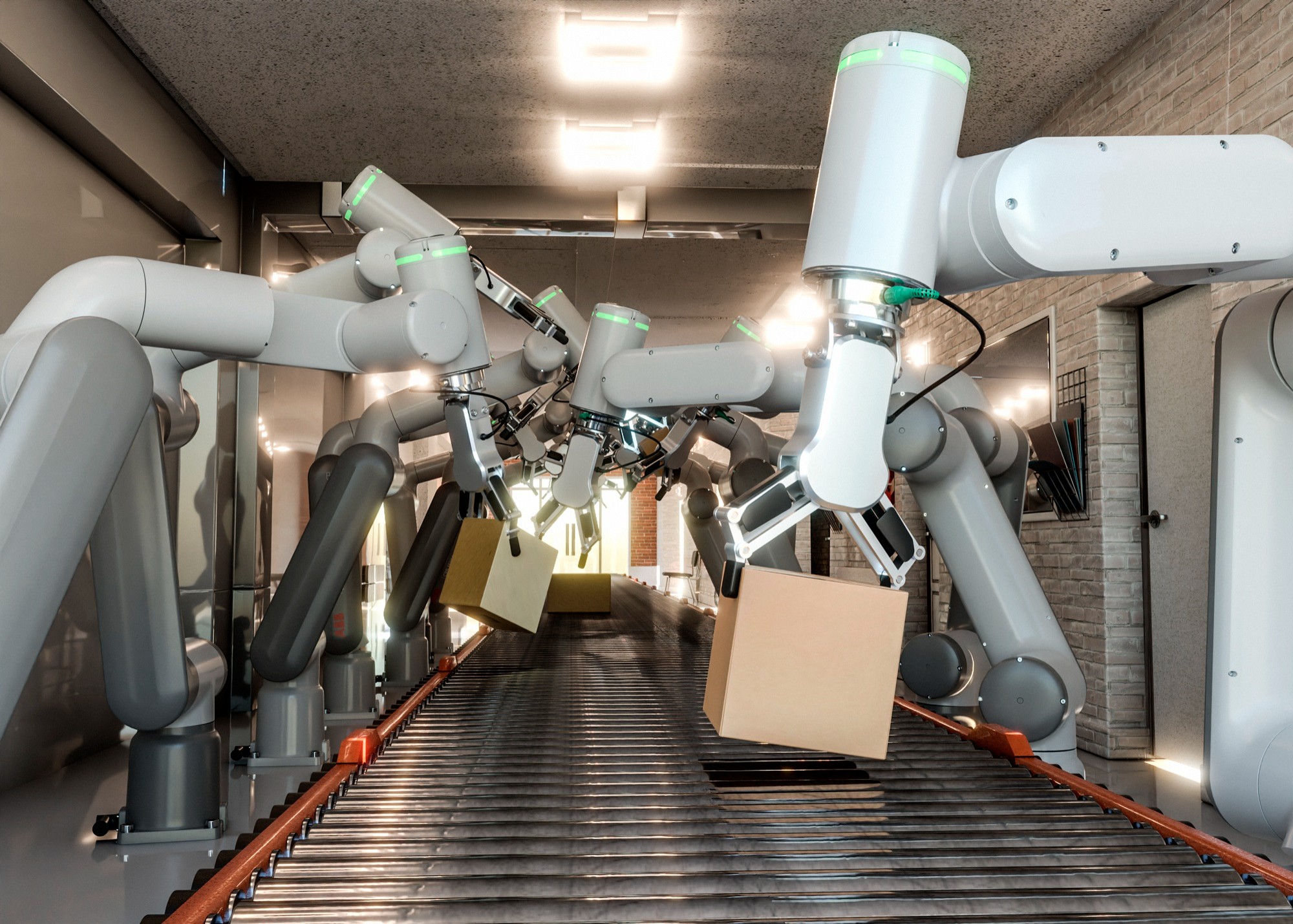
Modern Manufacturing: The Quiet Revolution of Smart Machinery
In the past, factories were loud, crowded, and filled with heavy manual labor. Today, a quiet revolution is taking place. Modern manufacturing looks nothing like the smoke-filled industrial scenes of the 20th century. The new era of production is facilitated by automation, robotics, and artificial intelligence. Machines now work with precision, efficiency, and minimal noise, creating smarter and cleaner environments. The contemporary way of manufacturing is built on new technologies where professionals think and work differently.
According to a 2024 report by the World Economic Forum, over 70 percent of global manufacturers have already adopted some form of smart machinery or automated systems. These technologies have increased productivity by up to 30 percent while reducing energy consumption and waste. Studies also reveal that companies using advanced robotics and data-driven systems achieve faster response times, higher customization, and more stable product quality. The shift is not just about replacing human labor with automation but about creating hybrid ecosystems where people, machines, and data collaborate. Experts call this evolution the foundation of “Industry 4.0,” a movement redefining efficiency and sustainability across every corner of the manufacturing world.
Electric Linear Actuators and the Rise of Intelligent Machines
A key part of this progress comes from electric linear actuators. These small but powerful devices convert electric energy into motion. They push, pull, lift, or tilt different components in factories, helping robots and automated systems perform tasks with incredible accuracy. From assembling car parts to controlling conveyor belts, actuators make machines move smoothly and precisely. Their importance often goes unnoticed, yet they are at the heart of most automated equipment. Unlike hydraulic or pneumatic systems, electric actuators are cleaner, more energy-efficient, and easier to maintain. This makes them a perfect fit for the new generation of smart factories.
Modern machinery is no longer limited to mechanical power. Today’s systems are intelligent, connected, and capable of learning. Sensors collect real-time data that helps machines adjust their performance on the spot. A robotic arm can sense pressure, detect alignment errors, and correct them instantly. This ability to “think” allows for higher quality and lower waste. The entire production line becomes a coordinated network where every part communicates with the rest, creating harmony between humans and machines.
The Human and Environmental Benefits of Automation
Automation has also brought safety and comfort to factory workers. Tasks that once required heavy lifting or exposure to dangerous environments are now handled by robots. Workers focus on supervision, design, and problem solving rather than physical strain. For example, welding robots in car factories can operate continuously with perfect precision, reducing accidents and improving consistency. Human employees monitor the process through digital interfaces, ensuring everything runs smoothly.
Another big step in this quiet revolution is predictive maintenance. Machines equipped with sensors can report their condition before something breaks. This means factories can schedule repairs in advance, preventing costly downtime. Smart software analyzes vibration, temperature, or performance data to predict failures long before they happen. It saves time, money, and resources while extending the lifespan of equipment.
Energy efficiency is also a major goal. Old machines consumed large amounts of power, but modern ones are built to optimize energy use. Systems automatically shut down when idle or adjust speed depending on workload. Some even harvest energy from motion and reuse it. Manufacturers are embracing green technologies that reduce emissions and lower costs. The future of production is not just smart but sustainable.
The Future: Harmony Between Humans and Machines
3D printing is another example of how modern manufacturing is changing the rules. Instead of cutting or molding materials, printers build objects layer by layer. This process reduces waste and allows for faster prototyping. Companies can design complex shapes that were impossible to produce before. In aerospace, medicine, and construction, 3D printing is speeding up innovation and customization.
Artificial intelligence is now a central part of the production process. AI systems analyze huge amounts of data to find patterns, improve workflow, and even suggest design changes. In many factories, AI predicts how customers will behave, helping companies plan better production schedules. Machine learning algorithms are trained to identify defects faster than the human eye, improving quality control.
Human creativity still plays an important role. The machines may handle repetitive tasks, but people remain the decision makers. Engineers, designers, and programmers guide automation with their vision. The combination of human intelligence and machine precision creates a perfect balance. Instead of replacing workers, smart machinery empowers them to achieve more.
The quiet revolution of smart manufacturing is changing the world faster than most people realize. It touches every industry from automotive to food processing. It makes products cheaper, cleaner, and more reliable. The factory of the future will not be noisy or chaotic. It will be an organized, intelligent space where data and motion work together seamlessly.
In the end, modern manufacturing is not about replacing humans with robots. It is about building a smarter partnership. Machines handle the hard work, while humans provide direction and creativity. With technologies like electric linear actuators, sensors, and AI systems, production becomes more precise, sustainable, and human-centered than ever before. The revolution is happening quietly, but its impact is loud and clear.