
Gardening can become more challenging when your mobility changes. This is the reality for over 18% of American adults who report having some difficulty walking or climbing steps. While this may seem like a minor discomfort, in reality, this issue can also affect their ability to go outside and enjoy gardening.
A lot of tasks that may have once felt straightforward, such as kneeling down to manage weeds or pushing a mower, can suddenly require considerably more effort, making them unmanageable. But that doesn’t mean that enthusiastic gardeners need to give up their yards.
Gardening offers valuable opportunities to spend time outside and stay active while creating an enjoyable outdoor project. So, it is worth considering how to create an accessible backyard to reduce unnecessary physical demands when your limited mobility stands in the way of you enjoying the garden.
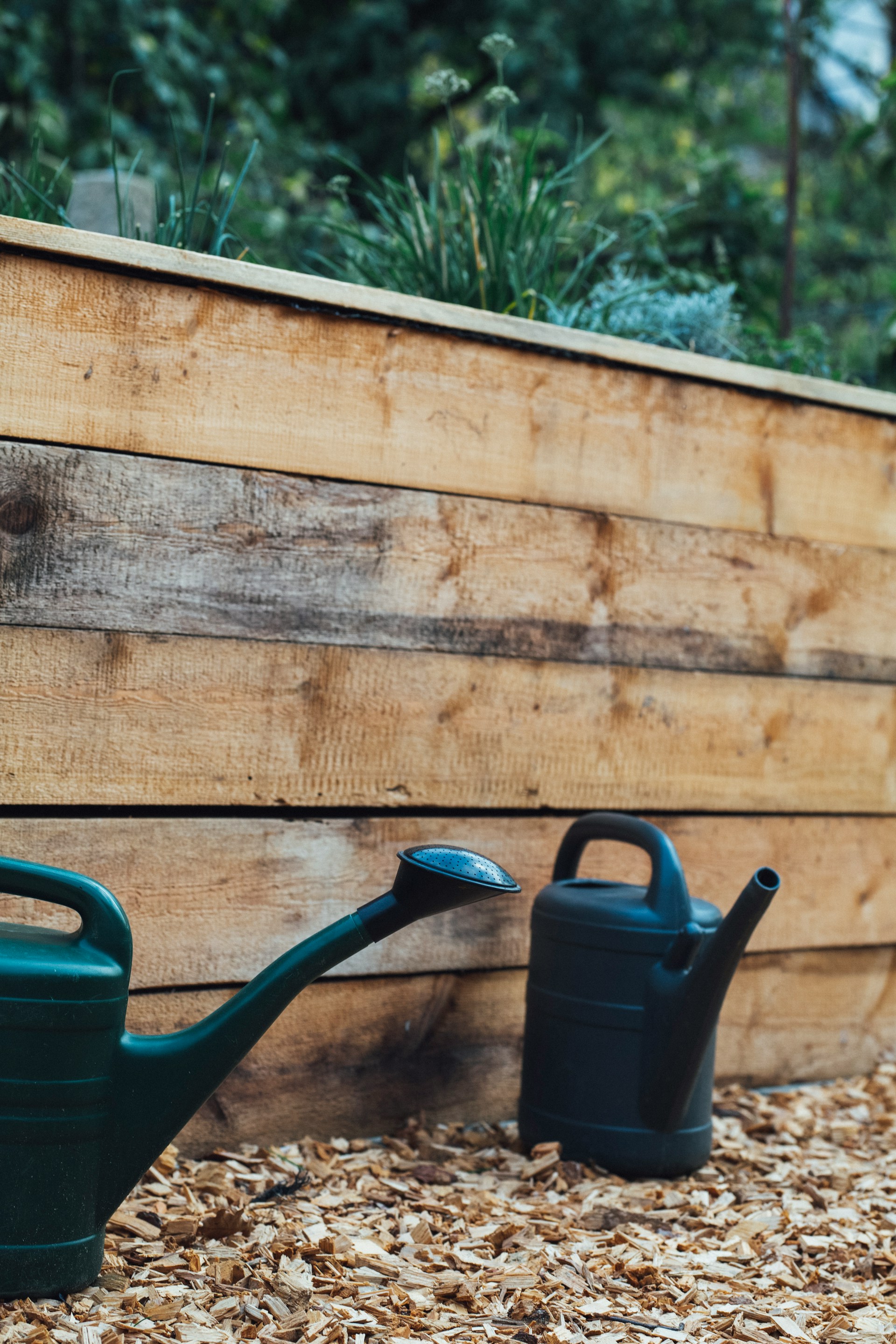
Take the Work Out of Lawn Care
A well-kept lawn can provide an attractive centerpiece for the backyard, but maintaining it requires a lot of physical effort when your mobility is affected. Aside from regular mowing, there’s also edging, weed control, fertilizing, and seasonal maintenance to consider.
This may be an area where it makes sense to ask for help. Professional lawn care services can handle physically demanding maintenance while leaving you with more time and energy for planting, pruning, and other enjoyable tasks you can manage.
This also guarantees that you don’t need to remove the lawn. A lot of homeowners immediately plan to reduce the lawn size or replace it with artificial grass when they can’t look after it anymore. But these decisions can also reduce the presence of wildlife in your garden and make your backyard less enjoyable in the long term.
Bring Your Plants Up With Raised Beds
Traditional flower and vegetable beds can require you to kneel and crouch for extended periods, which isn’t good when you have reduced mobility. But raised beds, on the other hand, bring the soil and plants closer to you. They reduce the need for uncomfortable movements.
Naturally, the right design and height will depend on your needs. If you use a wheelchair or a mobility scooter, your raised beds should be manageable from a sitting position. Other people may prefer higher beds that can be reached while standing.
Besides, having raised beds also makes your garden more easily manageable, so this reduces maintenance efforts too.
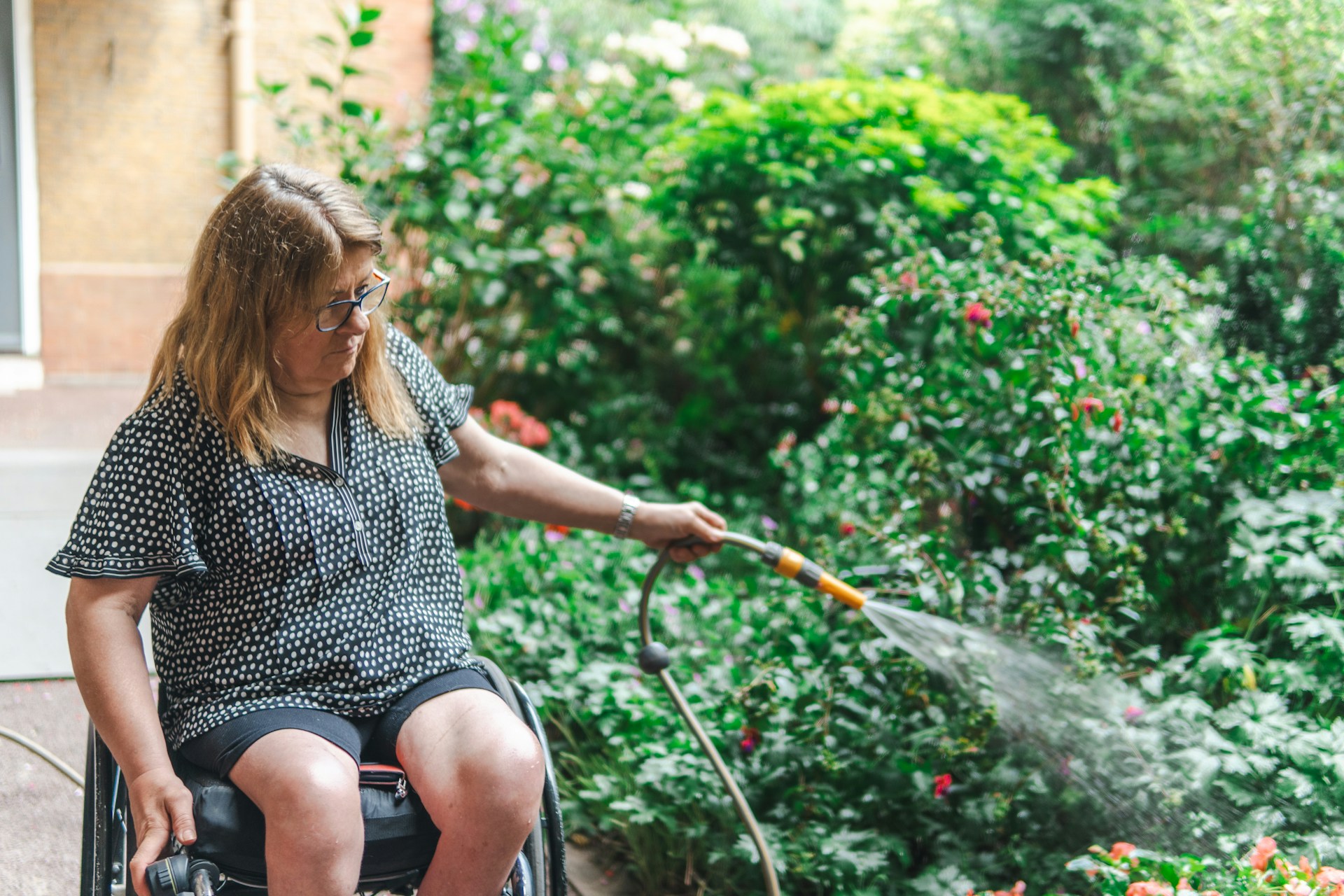
Create Paths That Are Easy to Navigate
An accessible garden needs to consider accessibility beyond planting areas. This may be the time to redo your walkways and paths to ensure you can navigate comfortably and safely in the garden.
Uneven surfaces, including gravel and stepping stones, can make movement more difficult, especially if you rely on a walker or a wheelchair. Ideally, you need firm and stable surfaces, which can mean switching your current paths to paving or concrete.
Width is another consideration, especially if you are relying on accessibility equipment to go to the garden. Mobility scooters, wheelchairs, and even walkers require additional width compared to walking unaided.
In conclusion, making a garden more accessible may become a requirement after a health change or in older age. However, it is important to remember that you can still find ways to enjoy your garden even with reduced mobility. In fact, carrying on with the things you love can help you maintain your health for longer.