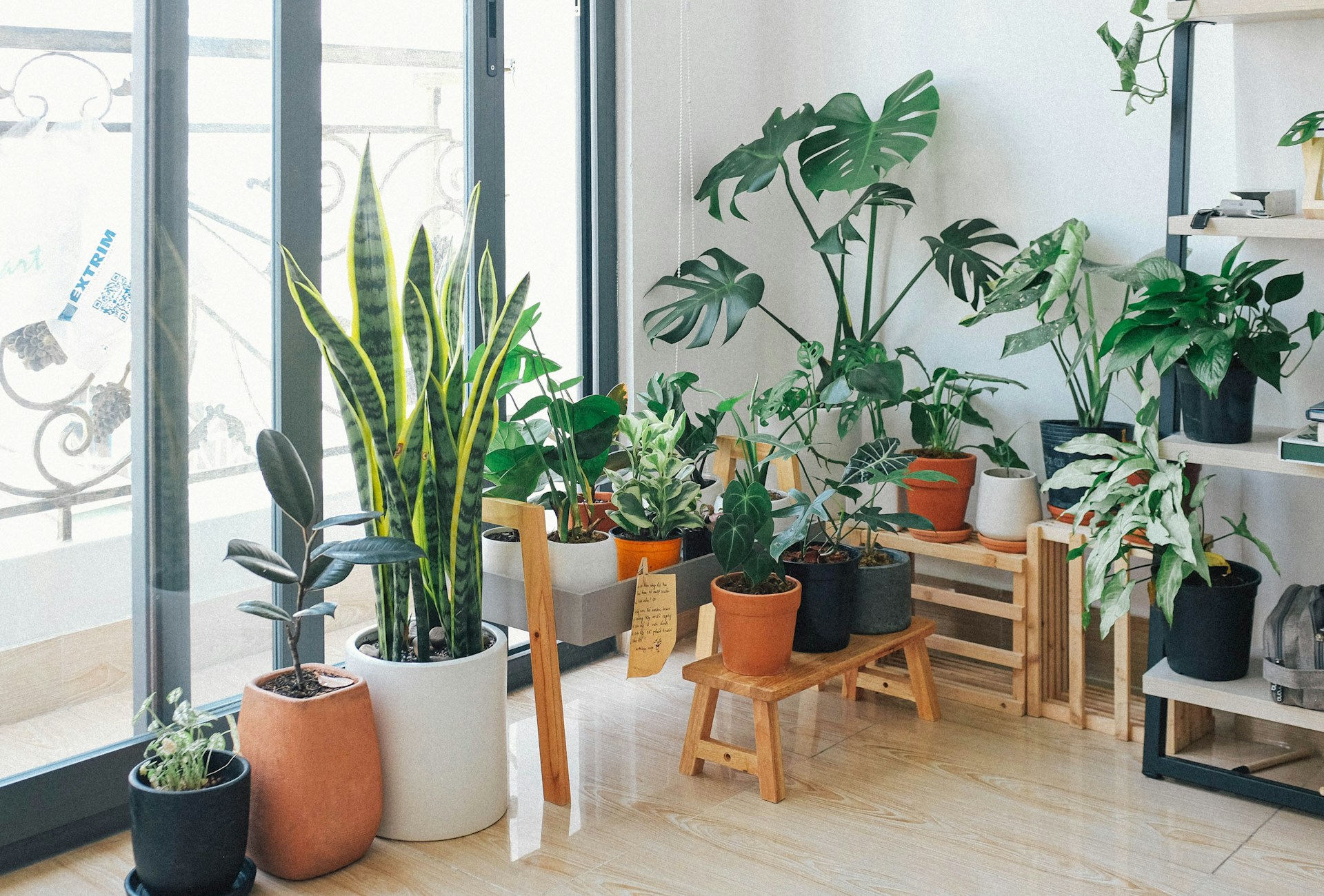
Living in the city doesn't mean you have to give up on your gardening dreams. But for many urban gardeners, the biggest challenge isn't a lack of space; it's a lack of sunlight. That perfect spot on your balcony or in your courtyard can be plunged into shadow by neighbouring buildings, fences, or trees. The good news is that with a bit of know-how and some clever tricks, you can learn to work with the light you have and create a thriving green space.
Understanding Your Garden's Light
Before you buy a single plant, you need to become a sun detective. You'll want to understand exactly how light moves across your space throughout the day and through the seasons. The easiest way to do this is to conduct a simple sun audit.
Check your garden every hour or two from morning to afternoon and take notes. Where are the sunny spots? Where are the shady areas? How long does the sun linger in each spot? You might find that an area gets brilliant morning sun but is in full shade by lunchtime. This information is gold. Understanding the difference between full sun and partial shade is your first step to choosing plants that will actually flourish.
Strategic Planting for Shade
Once you've mapped your light, you can stop fighting the shade and start working with it. Not every plant needs eight hours of blistering sun to be happy. In fact, many delicious and beautiful plants prefer or tolerate shadier conditions. This is where your sun map becomes your best friend.
For those areas that only get a few hours of direct light, consider planting leafy greens like lettuce, spinach, rocket, and kale. They are brilliant choices for partial shade. The cooler conditions can even prevent them from flowering prematurely in the summer heat. Many herbs also thrive without all-day sun. Mint, parsley, chives, and coriander will do just fine with a bit of shade. Root veggies like carrots, radishes, and beetroot can often manage with about half a day of sun. They may grow a bit slower, but they'll still be delicious.
When Trees Block Your Growth
Sometimes the source of your shade is obvious: a large, beautiful tree. While trees are a wonderful part of the urban landscape, an overgrown canopy can cast a dense shadow over your entire garden, limiting the amount of sunlight your plants receive. Before you despair, remember that you don't always have to choose between the tree and your garden.
Often, the solution is selective pruning to thin the canopy. This allows dappled light to filter through to the ground below without damaging the tree's structure or health. This is a job that requires skill and the right equipment to be done safely. Calling in a professional tree lopper is the best course of action to ensure branches are removed correctly, improving light penetration while maintaining the tree's aesthetic and well-being.
Reflective Surfaces and Raised Beds
You can also actively bring more light into your garden. One of the most effective tricks is to use reflective surfaces to bounce sunlight into shady corners. A wall or fence painted a bright, clean white will reflect significantly more light than a dark or weathered surface. You can even strategically hang outdoor-safe mirrors or panels of reflective metal sheeting to direct beams of light exactly where you need them.
Another great strategy is to go vertical. If a low fence or a neighbour's wall is casting a shadow over the first meter of your garden, raised beds can lift your plants into the sunlight. This simple elevation change can often be enough to maximise your garden's potential and give your plants the extra couple of hours of light they crave.
Seasonal Light Adjustments
Remember that your sun map isn't static. The sun's path across the sky changes dramatically between summer and winter. The low angle of the winter sun might mean a north-facing spot gets sun all day, while the high summer sun might leave that same spot in the shade of your roof's eaves.
This is where container gardening really shines. Keeping sun-loving plants like tomatoes and chillies in pots allows you to move them around to chase the sun as the seasons change. You can have a designated "summer spot" and a "winter spot" for your most light-hungry plants, ensuring they get what they need year-round. This flexibility is key to successful gardening in a light-limited space.
Don't let a shady courtyard or balcony discourage you. By understanding your light, choosing the right plants, and using a few clever tricks, you can create a productive and beautiful urban garden in almost any spot.