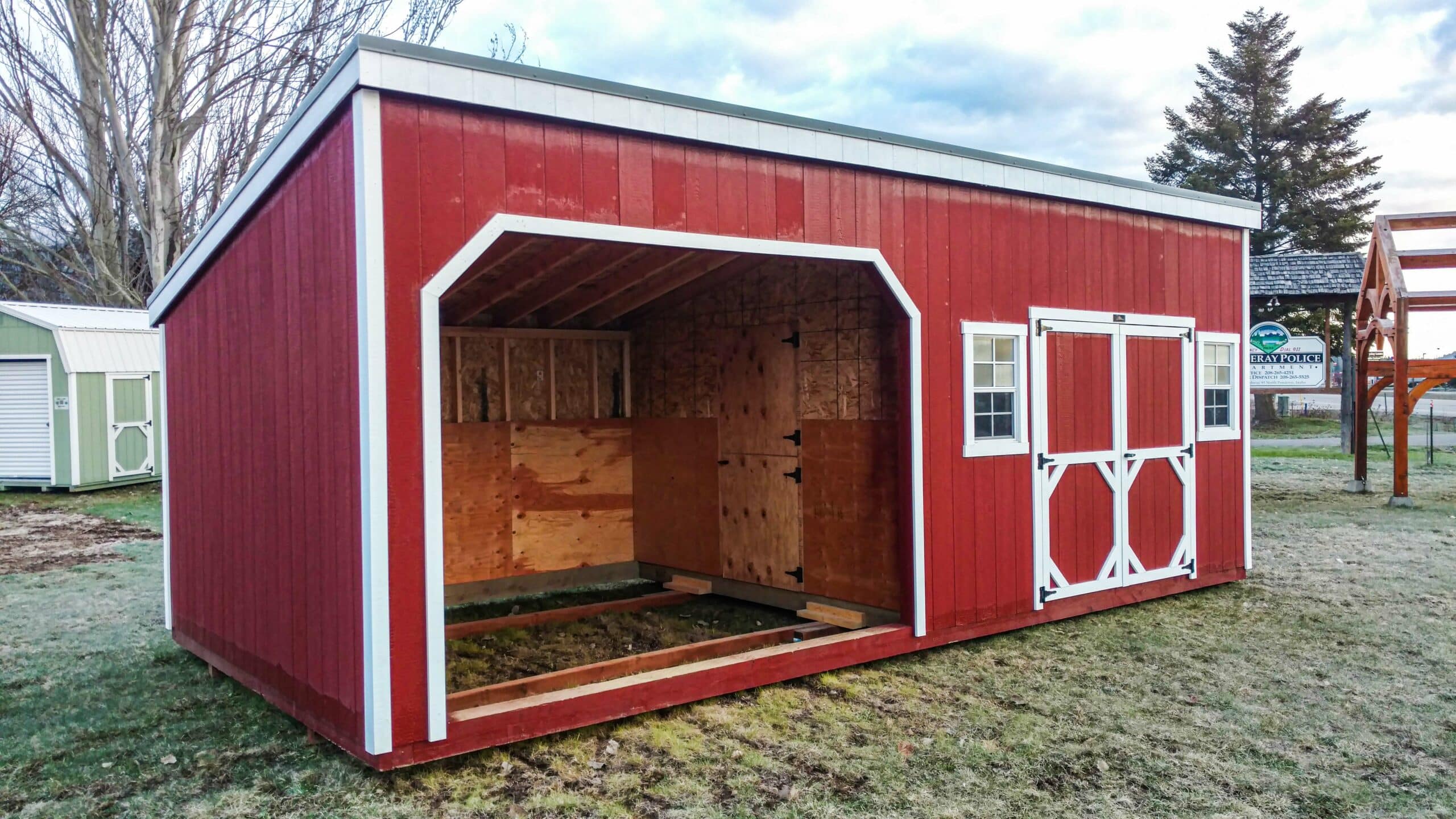
Why Livestock Shelters Are Essential for Animal Care
Anyone who raises animals understands that proper shelter is one of the most important factors in maintaining healthy livestock. Animals that spend most of their time outdoors still need protection from extreme weather conditions such as heavy rain, intense sun, snow, and strong winds.
Livestock shelters provide a safe and reliable place where animals can escape harsh conditions while remaining in their natural outdoor environment.
Unlike fully enclosed barns, these open structures allow animals to move freely while still offering protection and comfort. This balance between shelter and open space makes them a practical choice for farms, ranches, and rural properties.
Protection from Harsh Weather Conditions
Weather can change quickly, and animals often need immediate protection from sudden storms or temperature shifts. Livestock shelters are designed to provide that protection without restricting animals’ ability to move around.
These structures help shield animals from:
-
Heavy rain and thunderstorms
-
Intense summer sun and heat
-
Cold winds during winter months
-
Snow and freezing precipitation
By providing a shaded and dry space, shelters help reduce stress on animals and allow them to remain comfortable throughout the year.
Supporting Animal Health and Well-Being
Shelter plays a major role in the overall health of livestock. Animals that are constantly exposed to extreme weather can experience fatigue, dehydration, and illness.
A well-designed shelter allows animals to rest and regulate their body temperature.
For example:
-
Horses can cool down in shaded areas during hot days.
-
Cattle can escape wind and rain during storms.
-
Goats and sheep can remain dry in wet conditions.
Providing proper shelter helps prevent health problems and contributes to stronger, healthier animals over time.
Reducing Stress in Livestock
Stress can negatively affect animal behavior and productivity. Animals that are uncomfortable due to heat, rain, or wind may become restless or agitated.
Livestock shelters create a safe space where animals can relax and feel secure.
When animals have access to shelter, they are more likely to:
-
Maintain healthy feeding habits
-
Rest comfortably
-
Exhibit calmer behavior
-
Recover faster after physical activity
Reducing stress not only improves animal welfare but also supports more efficient farm management.
Flexible Shelter for Different Types of Animals
One of the biggest advantages of livestock shelters is their versatility. These structures can accommodate a wide variety of animals and farm setups.
Common animals that benefit from outdoor shelters include:
-
Horses
-
Cattle
-
Sheep
-
Goats
-
Donkeys
-
Alpacas
Because these shelters are typically open on one side, animals can move in and out freely based on weather conditions and their comfort level.
This flexibility makes shelters ideal for pastures where animals spend most of their time outdoors.
Providing Shade During Hot Weather
Heat can be just as dangerous for livestock as cold weather. Prolonged exposure to high temperatures can lead to dehydration and heat stress.
Livestock shelters provide shaded areas where animals can cool down during the hottest parts of the day.
Shade helps animals maintain a stable body temperature, which is especially important for larger animals like horses and cattle.
Farmers often notice that animals naturally gather in shaded areas during peak sunlight hours, demonstrating how valuable these shelters can be.
Protecting Feed and Equipment
In addition to sheltering animals, many farmers use livestock shelters to store feed, water containers, or farm equipment.
Keeping these items under cover helps protect them from rain and contamination.
For example, feed stored in sheltered areas stays dry and safe from moisture damage, while water buckets remain cleaner when protected from debris and weather.
This added functionality makes shelters a practical investment for many rural properties.
Choosing the Right Livestock Shelter
Not all shelters are built the same, and selecting the right design is important for both durability and effectiveness.
When evaluating shelter options, property owners should consider several factors.
Size and Space
The shelter should provide enough room for animals to enter comfortably without overcrowding.
Structural Strength
High-quality materials and strong framing are essential to ensure the shelter can withstand wind and weather conditions.
Ventilation
Proper airflow prevents moisture buildup and keeps the shelter environment healthy for animals.
Placement
Shelters should be positioned to block prevailing winds while still allowing easy access for animals.
For those exploring durable farm structures, professionally built livestock shelters provide reliable protection while allowing animals to remain comfortable in open pasture environments.
A Practical Addition to Farms and Rural Properties
Livestock shelters are widely used on farms of all sizes. Whether managing a small hobby farm or a larger agricultural operation, these structures provide an efficient way to protect animals without requiring fully enclosed barns.
Because they are typically simpler to construct and maintain than traditional barns, shelters offer a cost-effective option for farmers who want reliable protection without extensive building projects.
Improving Farm Efficiency
Providing proper shelter also helps farmers manage their properties more efficiently. When animals have access to designated shelter areas, it becomes easier to monitor their behavior and ensure they remain comfortable in different weather conditions.
Shelters also create consistent areas where animals gather during storms or hot weather, making it easier to check on them quickly when needed.
This improved organization benefits both the animals and the people caring for them.
Long-Term Value for Property Owners
Investing in livestock shelters can provide long-term benefits for farm owners. By protecting animals from weather and reducing health risks, these structures contribute to better livestock management and improved productivity.
This extends to other essential farm buildings, where the same need for durability and weather protection applies. For equipment, vehicles, or additional storage, a metal frame garage can provide a secure, long-lasting structure that stands up well to demanding conditions. That makes it a practical addition for farm owners who want dependable infrastructure beyond livestock shelters.
Durable shelters can last for many years with minimal maintenance, making them a valuable addition to any agricultural property.
When designed with strong materials and thoughtful placement, they become a dependable part of the farm’s infrastructure.
Final Thoughts
Livestock shelters play an essential role in protecting animals and supporting healthy farm operations. They provide reliable protection from weather while allowing animals to remain in open pasture environments where they are most comfortable.
By offering shade, dryness, and a place to rest, these structures help improve animal welfare and reduce stress caused by extreme weather conditions.
For farmers, ranchers, and property owners who care for animals, livestock shelters provide a practical, durable solution that enhances both animal health and overall farm efficiency.