By Daniel Zane Bryan, Author of the Indoor Gardening Series, Amazon.com
https://www.amazon.com/dp/B0GLDD3H12?binding=kindle_edition&ref=dbs_dp_rwt_sb_pc_tkin
If you’ve ever wished you could grow fresh, healthy vegetables right in your home without worrying about soil, weather, or outdoor space, indoor hydroponic gardening might be exactly what you’re looking for.
Imagine harvesting crisp lettuce, fragrant herbs, or juicy tomatoes in the middle of winter… all from your kitchen, spare room, or even a small corner of your apartment.
Welcome to the future of gardening.
What Is Indoor Hydroponic Gardening?
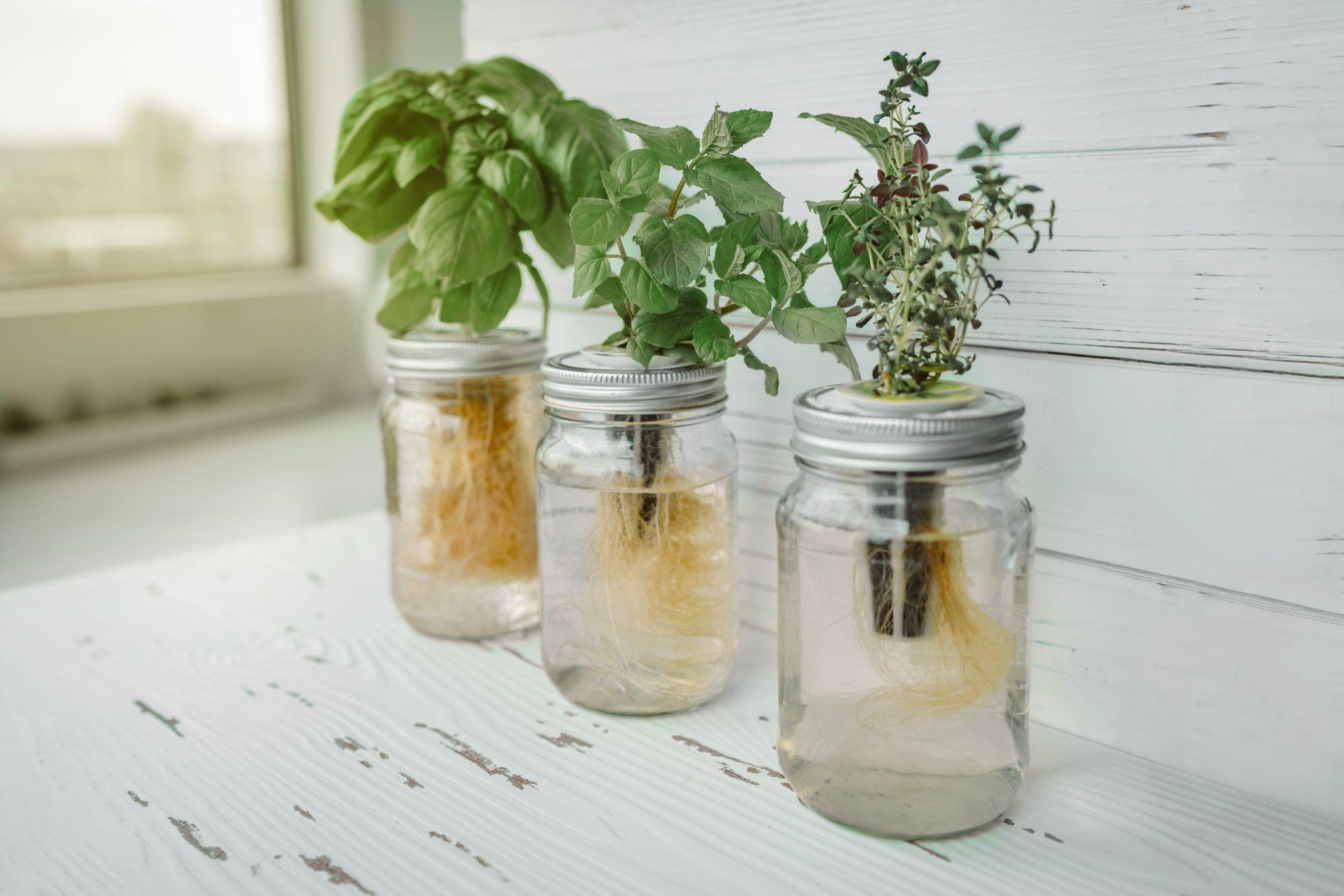
Hydroponic gardening is a method of growing plants without soil, using nutrient-rich water to deliver everything plants need directly to their roots.
Instead of digging into dirt, your plants are supported by materials like coconut coir, clay pellets, or rockwool, while water infused with essential nutrients circulates through the system.
This direct nutrient delivery allows plants to focus their energy on growth—often producing faster and healthier results than traditional gardening.
Why Choose Hydroponics?
Indoor hydroponic gardening isn’t just a trend; it’s a smarter, more efficient way to grow food at home.
🌱 1. Grow Year-Round
With indoor systems and grow lights, you’re no longer limited by seasons. You can grow vegetables at any time, regardless of the climate.
💧 2. Use Less Water
Hydroponic systems can use up to 90% less water than traditional soil gardening by recycling water within the system.
⚡ 3. Faster Growth & Higher Yields
Because nutrients are delivered directly to the roots, plants often grow faster and produce more.
🏡 4. Perfect for Small Spaces
No backyard? No problem. Hydroponics works beautifully in apartments, kitchens, or even on shelves and vertical setups.
🐛 5. Fewer Pests & Cleaner Gardening
Without soil, you eliminate many common pests and mess, making indoor gardening cleaner and easier to manage.
How Hydroponic Systems Work
At its core, every hydroponic system provides five essentials:
-
Water (with dissolved nutrients)
-
Light (natural or grow lights)
-
Oxygen (for root health)
-
Support structure (growing medium)
-
Proper environment (temperature & humidity)
Instead of searching through soil, roots sit in or near nutrient-rich water, absorbing exactly what they need when they need it.
Best Hydroponic Systems for Beginners
If you’re just starting, these beginner-friendly systems are ideal:
🌿 Deep Water Culture (DWC)
-
Roots sit in oxygenated nutrient water
-
Simple and affordable
-
Great for lettuce and herbs
🌿 Wick System
-
Passive system (no electricity required)
-
Easy setup
-
Perfect for small plants
🌿 Nutrient Film Technique (NFT)
-
A thin stream of nutrients flows over the roots
-
Space-saving and efficient
-
Ideal for leafy greens
Each system offers a slightly different approach, but all share the same goal: delivering nutrients efficiently and consistently.
What You Need to Get Started
You don’t need a complicated setup to begin. A simple indoor hydroponic garden includes:
-
A water reservoir
-
Net pots or containers
-
A growing medium (like rockwool or clay pellets)
-
Nutrient solution
-
A light source (LED grow lights work best)
-
Optional: air pump for oxygenation
You can start small; even a basic DIY setup can be built for a relatively low cost.
Best Vegetables for Beginners
Start with plants that grow quickly and easily:
-
Leafy greens (lettuce, spinach, kale)
-
Herbs (basil, mint, parsley)
-
Cherry tomatoes
-
Peppers
These plants adapt well to hydroponic systems and offer quick, rewarding harvests.
Common Beginner Mistakes (and How to Avoid Them)
Even though hydroponics is beginner-friendly, a few mistakes can slow you down:
-
Overfeeding nutrients → Follow recommended levels carefully
-
Ignoring pH balance → Keep water slightly acidic (around 5.5–6.5)
-
Poor lighting → Plants need consistent, adequate light
-
Skipping maintenance → Check water levels and system health regularly
Once you get into a routine, hydroponic gardening becomes surprisingly easy to maintain.
Is Hydroponic Gardening Worth It?
For many beginners, the answer is a resounding yes.
While there may be an initial setup cost, the ability to grow your own fresh produce year-round, combined with reduced grocery bills and minimal waste, makes hydroponics a smart long-term investment.
Final Thoughts
Indoor hydroponic gardening opens the door to a new way of living, one where fresh, homegrown food is always within reach.
You don’t need a backyard.
You don’t need perfect weather.
And you definitely don’t need soil.
All you need is a small space, a simple system, and the willingness to grow.
🌿 Ready to Go Deeper?
If you’re excited to start your indoor gardening journey, explore more practical guides and step-by-step systems in the Indoor Gardening Series by Daniel Zane Bryan.
👉 Check out the full series here:
https://www.amazon.com/dp/B0GTGB9F8M