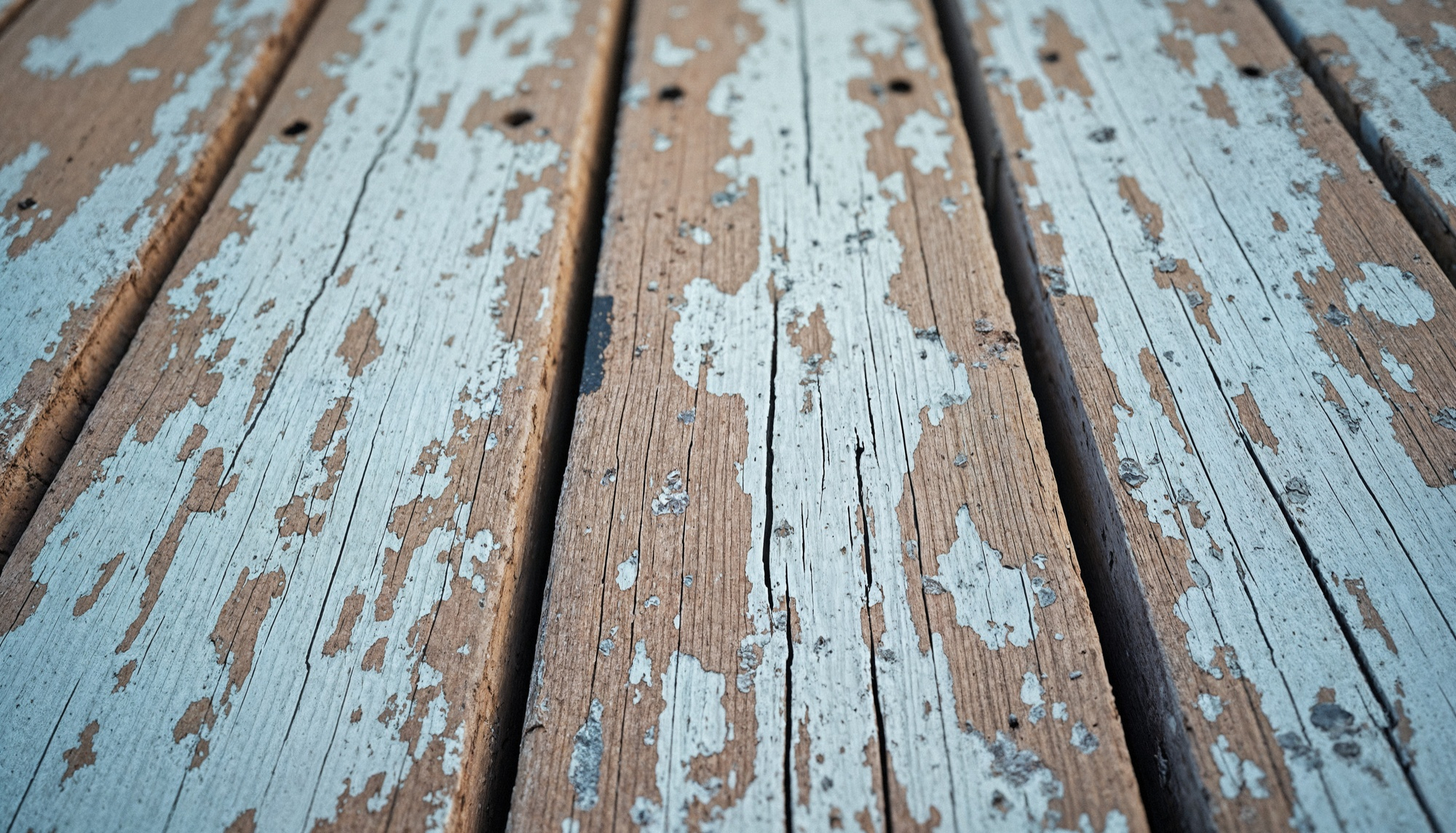
A deck is one of those outdoor features that quietly holds a home together—part entertaining space, part visual centerpiece, part “let’s drink coffee here instead of inside” sanctuary. But give it enough summers, storms, and seasons, and even the best deck eventually starts looking like it’s been through a few too many outdoor barbecues.
Weather doesn’t destroy a deck overnight. It wears it down slowly, like a favorite pair of jeans that frays thread by thread until one day you realize, Oh… that’s not patina. That’s damage. As deck boards cup, fade, or roughen, they can subtly chip away at curb appeal and, ultimately, your home’s value.
This article breaks down exactly how that aging happens, what signs to watch for, when resurfacing makes financial sense, and how simple steps—like power washing—can buy your deck (and its value) a lot more time.
How Weather Ages Wooden Deck Boards
Sun Exposure: UV Rays as the Silent Fader
The sun doesn’t just lighten deck color—it literally breaks down the wood’s chemical structure. UV rays degrade lignin, the natural glue that holds wood fibers together. Once lignin breaks down, fibers loosen, the surface dries out, and your once-rich boards turn gray and brittle.
Think of it like leaving a newspaper outside for a week. It goes from “crisp and readable” to “don’t touch that, it’ll crumble.” Your deck is tougher—thankfully—but it’s not invincible.
Rain & Moisture Cycles: Swell, Shrink, Repeat
Wood is basically a sponge with structural ambitions. When it rains, boards soak up water and expand. When the sun returns, they dry and contract. After hundreds of cycles, you start seeing:
-
Soft or spongy spots
-
Surface cracking
-
Mildew or black staining
-
Early-stage rot
Moisture is especially damaging when it sits between boards or near fasteners, where tiny pockets hold water longer than they should.
Seasonal Temperature Swings
If you live somewhere with real seasons—hello Midwest—you already know what winter can do to anything left outside. Wood expands and contracts as temperatures shift, but freezing weather adds a twist: moisture inside the wood freezes, expands, and forces fibers apart from the inside.
This freeze–thaw cycle can loosen screws, warp boards, and make even newer decks look older than they really are.
Common Signs Your Deck Boards Are in Trouble
Cupping & Warping
Boards curl upward or downward when one side absorbs more moisture than the other. Beyond looking tired, cupped boards trap water, accelerate decay, and create minor tripping hazards—inspectors love flagging this during home sales.
Fading & Discoloration
That warm cedar tone eventually fades to a weathered gray. Some homeowners call it “rustic.” Home buyers tend to call it “work,” especially when the fading is uneven or patchy.
Rough Texture & Splintering
When surface fibers lift or detach, the board becomes rough. Splintering isn’t just uncomfortable—it’s one of the earliest signs that sealing is overdue and that UV has taken a toll.
Mold, Mildew, and Algae Growth
These thrive in damp, shaded areas. Besides being slippery, they weaken wood and make a deck look neglected—a huge red flag for buyers viewing photos online.
How Weathered Deck Boards Affect Home Value
The Aesthetic Hit
Real estate professionals will tell you: buyers form impressions before the agent even unlocks the door. A tired deck can give off a “deferred maintenance” vibe that lowers perceived value immediately. A gorgeous deck screams this home is cared for.
Structural Concerns
Weathered boards hint at deeper issues:
-
Rot
-
Loose fasteners
-
Soft spots
-
Hidden moisture damage
And when buyers suspect repairs, they mentally subtract from their offer… sometimes aggressively.
Appraisal & Inspection Impact
Appraisers do adjust for visible deck aging. Inspectors flag worn boards as safety hazards. Together, these can nudge your valuation downward faster than you expect—even if the rest of your home is spotless.
When Resurfacing or Sealing Becomes Cost-Effective
Early-Stage Wear
If fading and dryness are the main issues, sanding and sealing can restore color and stop damage from spreading. This is the cheapest stage to intervene.
Mid-Stage Wear
When boards start to warp or soften, replacing individual problem boards is usually enough. A good test: press a screwdriver into the board. If it sinks easily, replacement is due.
Late-Stage Wear
If large sections are rotting or warping, resurfacing—or complete deck replacement—may be necessary. Once rot spreads, it compounds quickly, driving repair costs up.
The Role of Power Washing Before Repairs
Why Power Washing Helps
Power washing removes:
-
Oxidation
-
Dirt and grime
-
Mildew
-
Old stain remnants
-
UV-damaged surface fibers
This gives you a clean, uniform surface that’s ready for sealing or staining.
Lightly Restoring Color
A surprisingly large percentage of “old” decks are just dirty. A proper wash can restore much of the original tone, making repair decisions easier.
When to Call a Pro
Local homeowners often turn to Indianapolis power washing companies like Heffernan’s Home Services when prepping a deck for staining or repair. Professionals use controlled pressure and the right detergents to clean wood without gouging or damaging it—a common DIY mistake.
Extending Deck Lifespan: Maintenance Tips
Want your deck to age gracefully instead of dramatically? Stick to a simple routine:
-
Annual cleaning to remove dirt and organic growth
-
Sealing every 2–3 years depending on your climate
-
Checking fasteners so boards don’t loosen
-
Replacing damaged boards early before rot spreads
A little maintenance now prevents big repair bills later.
Conclusion: A Weathered Deck Doesn’t Have to Drag Down Home Value
A deck ages like people do: gracefully if cared for, and… less gracefully if neglected. Weather, moisture, and time will always do their thing, but regular cleaning, sealing, and early repairs can extend your deck’s lifespan by years.
A healthy deck boosts curb appeal, supports higher appraisals, and reassures buyers that your home has been well maintained. A neglected one does the opposite.
The good news? Most deck issues are fixable—and the best time to start is now.