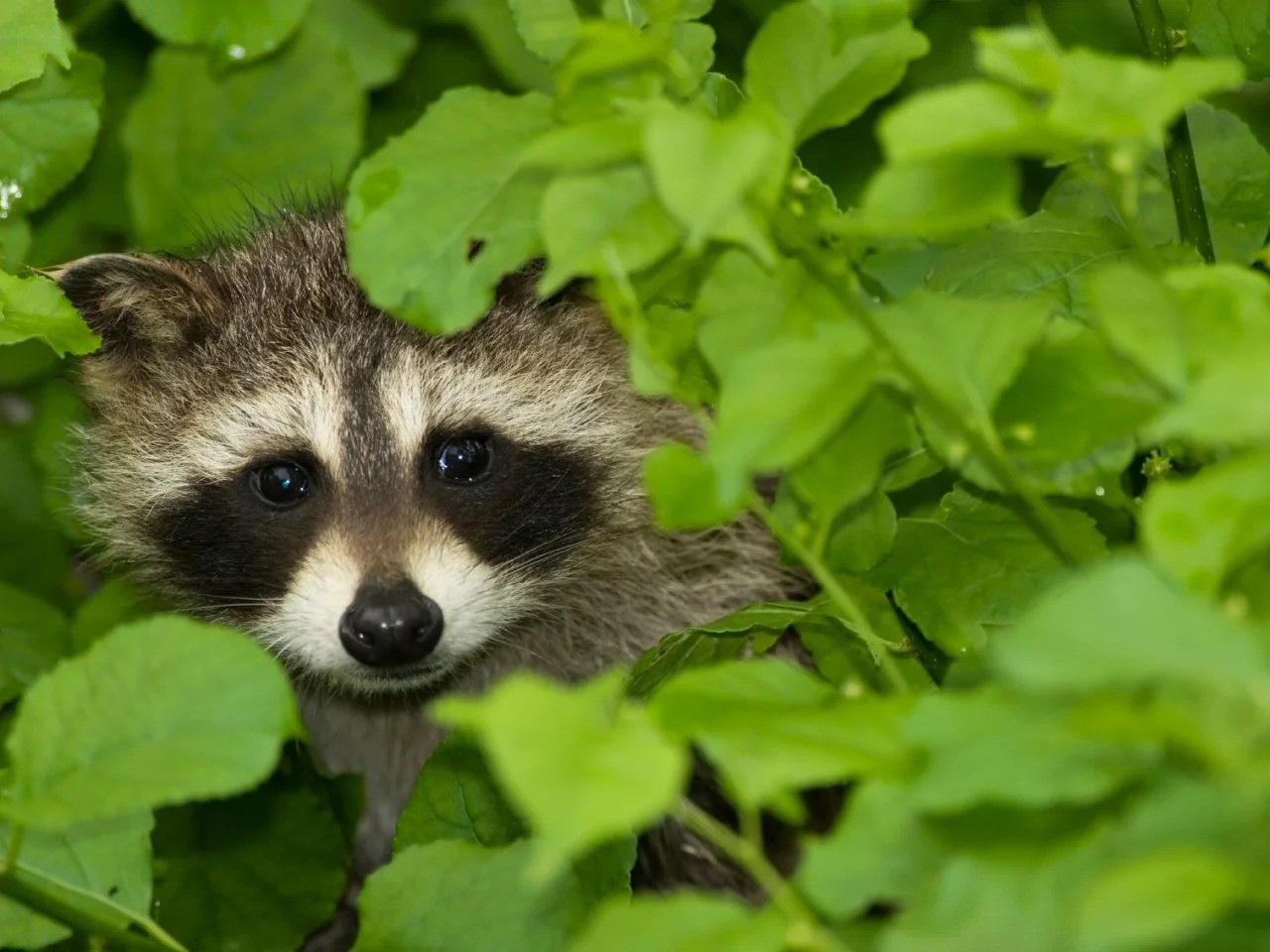
Gardens are like magnets for wildlife. That's just a fact. If we put something lush and delicious out there, animals are going to notice, and some of them (looking at you, rabbits) won't be shy about it either. One minute you've got a perfect row of lettuce, and the next, it's like a salad bar for the whole neighborhood.
Knowing how to recognize the signs early can save us a ton of stress. But what's even better? Protecting our gardens without hurting the critters who just can't resist.
Common Signs Wildlife Is Damaging Your Garden
Sometimes it isn't super obvious who's causing the problem. Different animals leave different clues, though, and once you know what to look for, it's way easier to deal with.
1. Bite Marks and Missing Plants
-
Deer usually leave ragged, torn edges because they don't have upper front teeth.
-
Rabbits make cleaner, angled cuts, kind of like tiny scissors.
-
Groundhogs are rougher, ripping entire sections away.
Missing plants overnight often points to deer. Entire rows of low plants missing? Probably rabbits or groundhogs. Squirrels usually just steal fruit and leave half-eaten pieces scattered around.
2. Tracks and Droppings
-
Deer tracks look like little heart-shapes.
-
Raccoons have hand-like prints (pretty creepy at night, honestly).
-
Rabbits leave small round droppings right near the plants.
Fresh tracks after rain are easier to spot. And if you see a "trail" pressed through your plants, that’s a deer highway.
3. Burrows and Holes
-
Moles and voles create tunnels and mounds.
-
Groundhogs dig huge burrow entrances, sometimes 10-12 inches across.
Sometimes voles will even chew on roots underground, so plants look wilted even though they’ve been watered.
4. Damage Timing
-
Daytime damage often points to rabbits or squirrels.
-
Nighttime raiders are usually raccoons, deer, or opossums.
If you hear rustling at night but don't see anything during the day, you're almost certainly dealing with nocturnal critters.
5. Strange Noises and Movement
Sometimes you'll hear rustling or see movement out of the corner of your eye, especially around dawn or dusk. Squirrels and rabbits are early risers. Raccoons prefer nighttime.
We might think, "Oh, it's just a little nibble," but small problems can get big fast if we don't jump on them.
How to Protect Your Garden Without Harming Wildlife
We don't want to hurt animals just for doing what comes naturally. Luckily, there are lots of ways to keep them away without doing any harm.
1. Fencing (Still the Gold Standard)
-
Deer fencing should be at least 8 feet tall. Shorter fences can work if they're angled outward at about 45 degrees.
-
Chicken wire buried about 6 inches underground keeps rabbits, groundhogs, and other diggers out.
It's a little bit of an investment. Deer fencing, for example, can cost around $1.50-$2.50 per foot depending on height and material. But in the long run, it saves your plants — and your sanity.
Low fencing around raised beds can also discourage ground animals. Even a 2-foot-high chicken wire fence can keep out rabbits if it's properly anchored.
2. Repellents (Natural and Store-Bought)
-
Scent deterrents like blood meal, garlic clips, or predator urine can work (kind of gross, but effective).
-
Taste repellents make plants bitter. These need to be reapplied after rain though.
Homemade sprays using water, cayenne pepper, and a bit of dish soap are easy to make and fairly cheap. But remember—reapply often if you're getting heavy rains.
3. Companion Planting
Some plants actually discourage animals naturally.
Here's a few good examples:
-
Marigolds deter rabbits and deer.
-
Lavender bothers deer because of its strong scent.
-
Onions and garlic make the area less appealing to burrowers.
-
Mint can help drive off ants and rodents (though be careful—mint spreads like crazy).
-
Rosemary and sage also confuse hungry pests with their strong fragrances.
Mixing herbs and flowers throughout your vegetable beds can make them less "obvious" targets.
4. Motion Detectors and Scare Devices
-
Motion-activated sprinklers give intruders a surprising (but harmless) soaking.
-
Reflective tape, old CDs, and "scare-eye" balloons can make birds and some mammals think twice.
These work best if we move them around every few days. Otherwise, animals catch on. Adding sound deterrents like wind chimes near vulnerable areas can also boost effectiveness.
5. Habitat Modification
-
Trim back dense brush and overgrown areas that give animals cover.
-
Don't leave pet food, birdseed, or compost scraps sitting out overnight.
-
Harvest fruits and veggies as soon as they're ripe.
Overgrown shrubs near fences are like ladders for animals. Keep plants trimmed a few feet back from edges whenever you can.
6. Use Raised Beds and Protective Covers
-
Raised beds make it harder for ground pests to reach your plants.
-
Row covers protect tender crops from both insects and mammals.
Heavy gauge mesh cages can be life-savers for berry patches and lettuce gardens, especially during peak growing months.
When DIY Isn't Enough: Professional Wildlife Help
Sometimes, despite our best efforts, animals just won't take the hint. Burrowing pests under your vegetables or nightly raccoon raids might call for a closer look at what's attracting them.
According to Woodlands Wildlife Elimination, one of the biggest mistakes homeowners make is underestimating how quickly a small wildlife problem can turn into a full-blown infestation. They recommend a mix of physical barriers, habitat management, and when necessary, humane animal removal to protect gardens without harming local wildlife.
Getting the right help early usually means less damage (and fewer headaches) later.
Final Tips for a Peaceful Garden
-
Stay consistent. Animals are smart and will test boundaries.
-
Switch up deterrents so nothing gets "too familiar."
-
Keep an eye out for new activity, especially after planting season.
-
Don't underestimate the value of physical barriers.
-
When in doubt, seek expert advice sooner rather than later.
We might not be able to keep every critter out 100% of the time, but with a little patience (and the right help when we need it), we can protect our gardens and still keep our backyards feeling wild — in a good way.
And hey, if it means a little less heartache over half-eaten tomatoes? Totally worth it.
Common Mistakes to Avoid When Protecting Your Garden
Even when we mean well, it's easy to make mistakes that can actually attract more animals.
-
Leaving out pet food overnight: Huge magnet for raccoons and opossums.
-
Using only one deterrent method: Animals adapt fast. Rotate and combine methods.
-
Assuming one fix will solve everything: Sometimes it takes fencing, repellents, and habitat changes all at once.
-
Ignoring early warning signs: A few nibbles today could mean a whole harvest gone tomorrow.
Avoiding these simple mistakes can save a lot of trouble — and save your plants too.